Find the Best Septic Tank Installation & Replacement Contractors for Your Business
No obligation • Fast responses • Nationwide coverage

Why you can trust Septic Spot
Septic Spot is a leading United States resource for understanding and comparing septic services. Our editors review providers using consistent criteria and verify key business details. Listings and scores are independent, and companies cannot pay to influence our content.
Search providers near you
Top Septic Tank Installation & Replacement Contractors in Atlanta, Georgia Ranked
Installing or replacing a septic system is a significant home infrastructure project that ensures the safe and efficient treatment of household wastewater. In Atlanta, this process is governed by strict state and county health regulations to protect both your property and the local environment. This guide will help you understand the key steps, costs, and requirements for septic system installation and replacement, empowering you to find qualified local professionals for your project.
Right Price Plumbing and Septic
Atlanta, GA
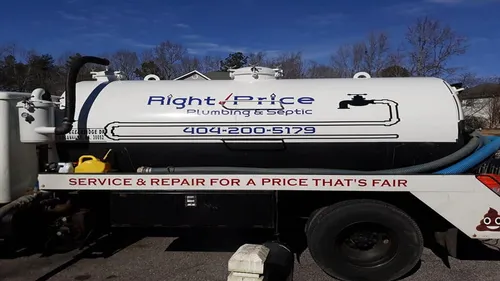
Right Price Plumbing and Septic is a local, family-owned company serving Atlanta, GA, and surrounding counties. They provide a range of residential and commercial plumbing and septic services, including septic tank pumping, inspection, repair, and installation. The company also offers drain inspection, emergency plumbing, and water heater repair. They are known for their comprehensive service options and have experience handling various plumbing and septic system needs. Right Price Plumbing and Septic serves multiple counties in Georgia and offers financing options to customers.
Septic On Call
2180 Satellite Blvd NW #400, Duluth, GA 30097
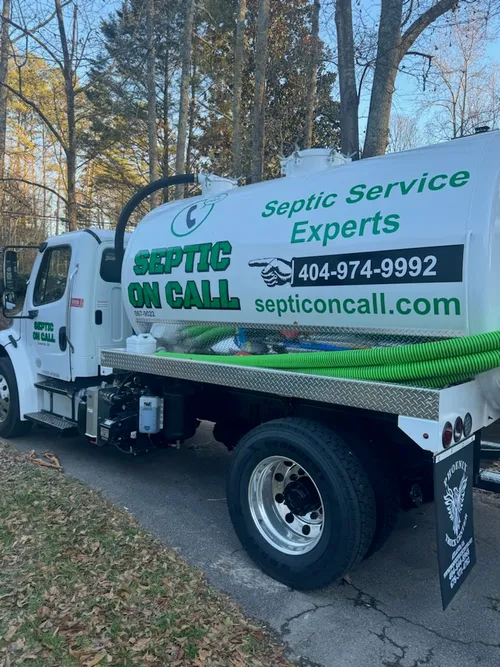
Septic On Call is a septic tank service provider based in Atlanta, GA. The company offers a range of services including septic tank pumping, inspections, repairs, and installation of septic tanks and drainfields. They provide thorough cleaning and maintenance to help prevent costly repairs and ensure proper system function. Septic On Call also specializes in diagnosing and repairing septic system issues, from minor leaks to major damage. The company offers 24/7 emergency services for septic tank problems and backups, responding quickly to urgent repair needs.
TK & Sons Plumbing and Septic
1370 GA-212, Conyers, GA 30094
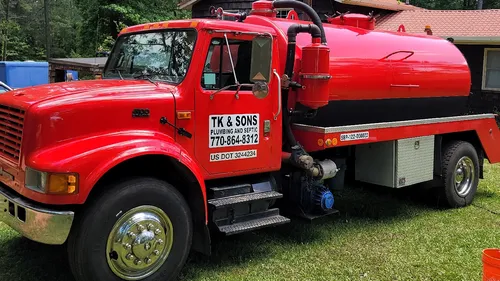
TK & Sons Plumbing and Septic is a plumbing and septic service provider based in Atlanta, GA. They offer residential and commercial plumbing, septic system installation, pumping, maintenance, and repair services. The company also provides water well installation and hydro-jetting to clear clogs. With over 25 years of experience serving the East Atlanta Metro area, TK & Sons delivers comprehensive solutions including 24/7 emergency plumbing and septic services.
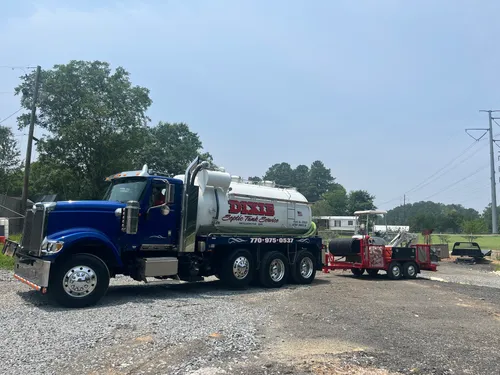
Dixie Septic Tank Service
4400 Pecan Ln SE, Acworth, GA 30102
Dixie Septic Tank Service is a family-owned business providing full-service septic solutions in South Fulton, GA. They offer septic tank pumping, installation, repair, and maintenance for both residential and commercial properties. Known for their transparent pricing and thorough workmanship, Dixie Septic has built a strong reputation through word-of-mouth referrals and long-term customer relationships. Their team also provides free second opinions on quotes from other companies, helping clients make informed decisions about their septic systems.
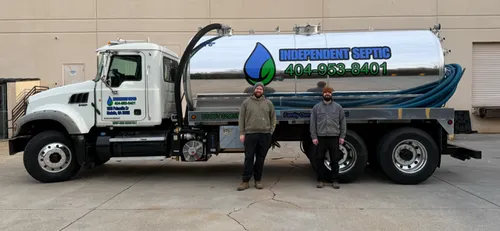
Independent Septic and Sewer LLC
Atlanta, GA
Independent Septic and Sewer LLC is a family-owned business serving Atlanta, GA, and surrounding counties. They provide septic tank pumping, cleaning, inspection, repair, and installation services for residential and commercial properties. With over 20 years of experience, the company offers expertise in diagnosing and repairing septic system issues, including drain field repairs and sewer line maintenance. They also provide a 10-year warranty on repairs and handle all necessary permits and building code requirements. Their services include thorough septic tank pumping that removes both liquids and solids, as well as hydro jetting and camera inspections when needed.
Understanding Septic System Installation
A septic system is an on-site wastewater treatment solution for properties not connected to a municipal sewer line. The process of putting in a new septic tank and drain field involves careful planning, regulatory compliance, and skilled execution. For Atlanta homeowners, working with a state-certified installer is not just recommended-it's legally required. The system's design hinges on your household's water usage and, most critically, the results of a mandatory soil assessment.
The Atlanta & Georgia Regulatory Landscape
Before a shovel hits the ground, you must navigate Georgia's permitting process. All installation, repair, or modification work must be performed by a contractor certified by the Georgia Department of Public Health (DPH).
- Permit Application: You or your contractor must obtain an Installation Permit from your local County Board of Health (e.g., DeKalb, Fulton, Cobb). This involves submitting a detailed site plan for review.
- Review Timeline: The permit review can take anywhere from 10 business days to several months, depending on the county's workload and the complexity of your site.
- Setback Requirements: Georgia law enforces strict minimum distances (setbacks) between the septic system components and structures like your home, property lines, wells, and water bodies. Your certified installer will design the system to comply with these vital safety rules 1 2 3.
The Critical Role of Soil Assessment
The suitability of your land for a conventional septic drain field is determined by a professional soil report, also known as a site assessment. This is a non-negotiable first step in the Atlanta area.
- What It Evaluates: A soil scientist assesses the drainage capability (percolation or "perc" test), soil permeability, and depth to the seasonal water table.
- Impact on Design: The soil type directly dictates the system's size and type. Clay-rich soils common in parts of Georgia have slow permeability, often requiring a larger drain field or an alternative, more advanced treatment system.
Step-by-Step Installation Process
A standard septic system installation in Atlanta follows a structured sequence to ensure compliance and functionality.
- Site Inspection & Soil Assessment: A certified professional evaluates your property to determine feasibility and system requirements 4 5.
- Permit Application & Approval: Your installer submits the engineered site plan and system design to the county health department for the required permit 6.
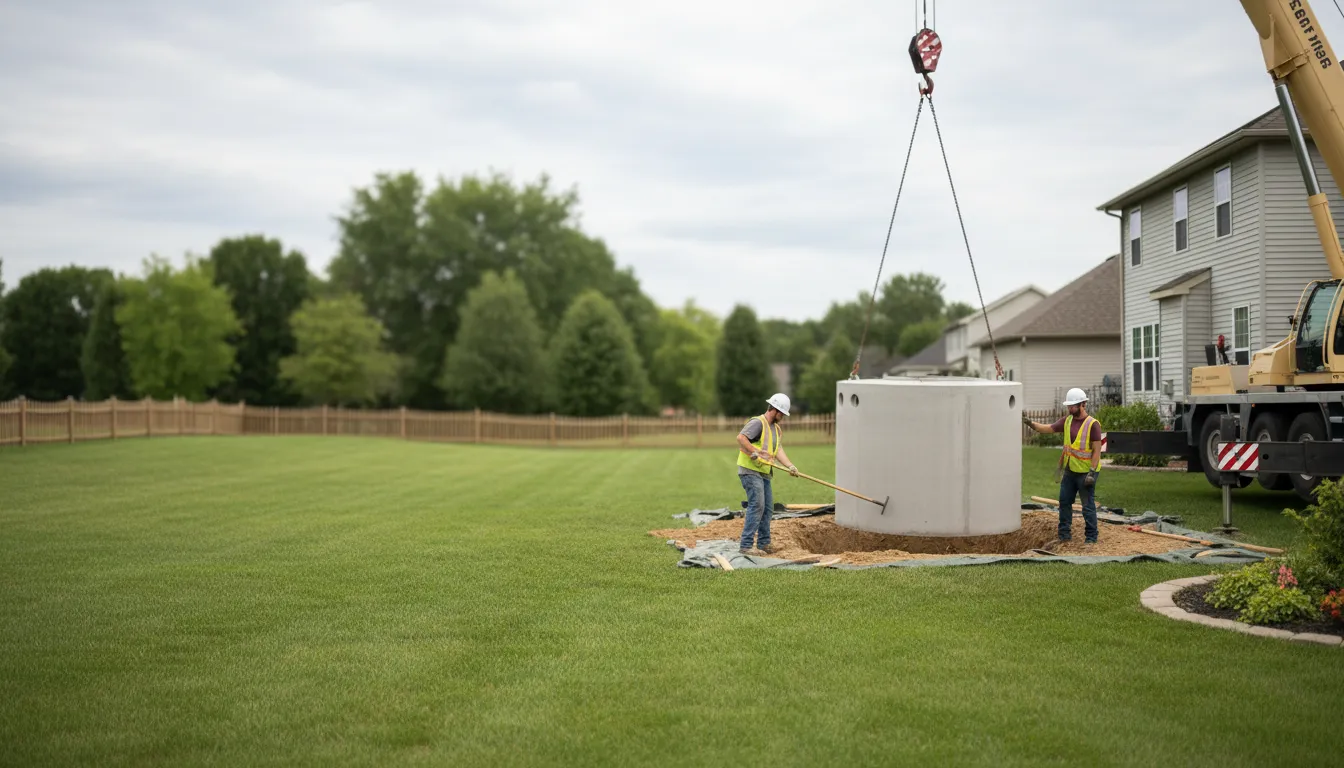
- Excavation and Installation: The crew excavates for the septic tank (typically concrete, plastic, or fiberglass) and the drain field trenches, which are usually 24 to 36 inches deep.
- Pre-Cover Inspection: This is a crucial checkpoint. A county health inspector must visit the site while the trenches are open and before the system is buried to verify it matches the approved design 7.
- Final Approval and Activation: After passing inspection, the system can be backfilled. The county issues a final approval, allowing the system to be put into service 8.
Find the perfect septic tank installation & replacement contractors for your needs
Get personalized recommendations and expert advice
Cost Factors for Installation and Replacement
The total cost for a new septic system or a full replacement in Atlanta varies widely based on several factors. Understanding these can help you budget effectively.
- Total System Cost: For a standard residential system, homeowners can expect a total cost range of $3,500 to $12,000 for installation or replacement. This wide range accounts for system size, site complexity, and materials.
- Permits and Testing: The mandatory soil assessment and permitting fees typically add $1,500 to $5,000 to the total project cost 9 10.
- Tank Material Costs: The septic tank itself is a major cost component. Concrete tanks generally range from $1,800 to $5,000, while plastic/polyethylene tanks cost between $1,200 and $2,500.
- Advanced Systems: If your site requires an alternative system (like an aerobic treatment unit or mound system) due to poor soil conditions, costs can start at $15,000 or more 11 12.
These figures are estimates, and your final cost will depend on your specific county, soil conditions, and the size of the system needed for your home.
Choosing Between Repair and Full Replacement
Sometimes, a failing system can be repaired, but other times, replacement is the only viable option. A certified professional can diagnose issues like drain field failure, tank structural damage, or persistent backups. Factors like the age of the system, the extent of the failure, and changes in local regulations will determine the best path forward. A full septic tank replacement follows the same rigorous installation process outlined above.
Maintaining Your New Septic System
Once your new system is installed, proper maintenance is key to its longevity-often 20 to 40 years. This includes regular pumping every 3-5 years, conserving water to avoid overloading the drain field, and avoiding flushing harmful chemicals or non-biodegradable materials. Your installer should provide you with specific care instructions for your new system.
Frequently asked questions
Sources
Footnotes
-
Residential-Study-Guide.pdf - GNR Health - https://gnrhealth.com/wp-content/uploads/2012/01/Residential-Study-Guide.pdf ↩
-
Georgia's Septic Drain Field Requirements: Homeowner's Guide - https://smartsepticpros.com/blog/georgias-septic-drain-field-requirements/ ↩
-
Georgia Septic Tank Requirements | On-Site Sewage Management Systems - https://www.ntotank.com/blog/georgia-septic-tank-requirements ↩
-
Septic Tank Installation - https://www.pricesseptictankservice.com/essential-considerations-for-installing-a-septic-tank ↩
-
Septic Site Assessment for Successful Septic Installation - https://smartsepticpros.com/blog/septic-site-assessment/ ↩
-
Septic Systems | DeKalb Public Health - https://dekalbpublichealth.com/environmental-health/septic-systems/ ↩
-
Understanding Septic Tank Permits and Regulations - https://westcoastsanitationinc.com/understanding-septic-tank-permits-and-regulations/ ↩
-
Septic Drain Field Installation Guide GA: 7 Key Steps - https://dandhsepticservices.com/septic-drain-field-installation/ ↩
-
2026 Guide to Septic Tank Installation - https://dandhsepticservices.com/septic-tank-installation/ ↩
-
Complete Guide to Septic Inspection in Georgia - https://dandhsepticservices.com/septic-inspection-in-georgia/ ↩
-
Cost to Install a Septic System - https://www.scorpionsepticservices.com/blog/how-much-does-it-cost-to-install-a-septic-system ↩
-
Septic Tank Installation Cost in Georgia | Expert Guide - https://dandhsepticservices.com/septic-tank-installation-cost/ ↩