Find the Best Septic Tank Installation & Replacement Contractors for Your Business
No obligation • Fast responses • Nationwide coverage

Why you can trust Septic Spot
Septic Spot is a leading United States resource for understanding and comparing septic services. Our editors review providers using consistent criteria and verify key business details. Listings and scores are independent, and companies cannot pay to influence our content.
Search providers near you
Top Septic Tank Installation & Replacement Contractors in Savannah, Georgia Ranked
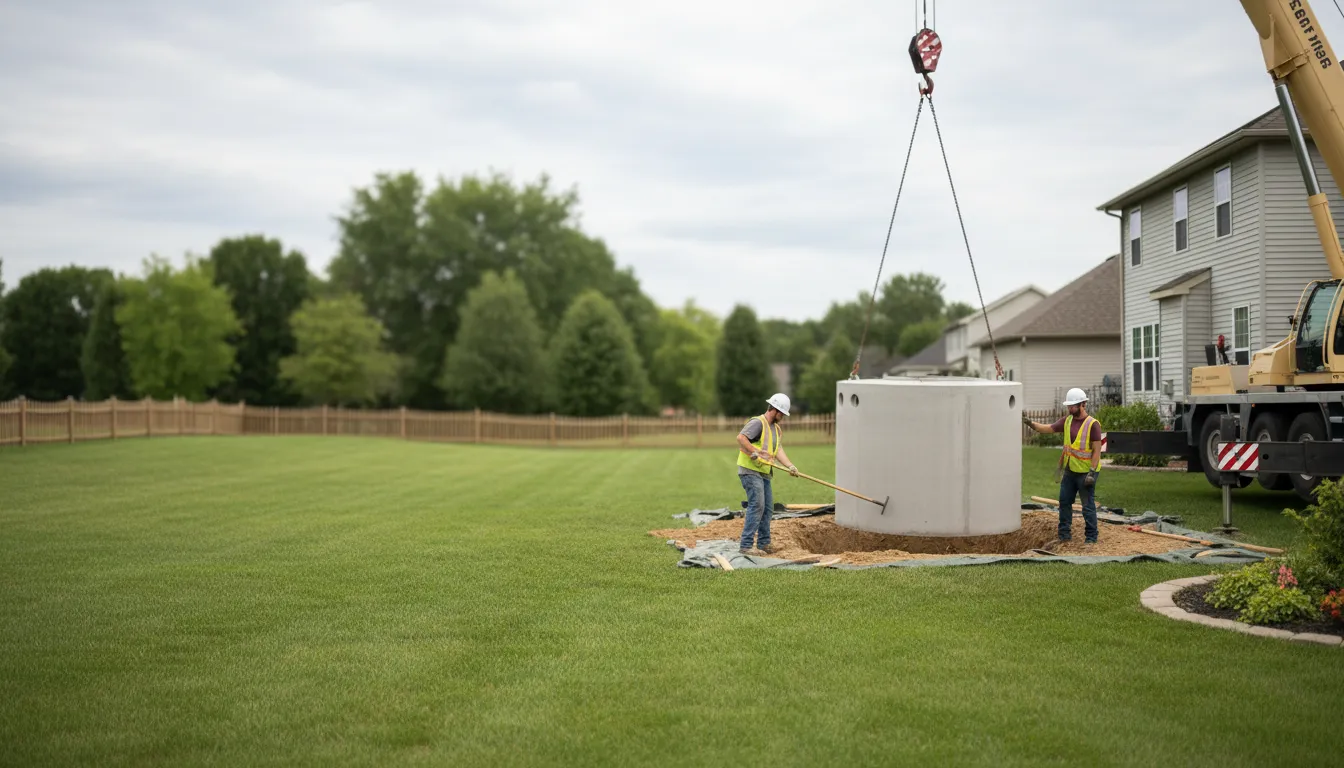
Installing or replacing a septic system is a significant investment in your property's long-term functionality and environmental health. In Savannah and throughout Chatham County, this process is strictly regulated to protect local groundwater and public safety. This guide explains the essential steps, regulations, and costs for septic system work, helping you navigate the process and connect with qualified, state-certified local professionals.
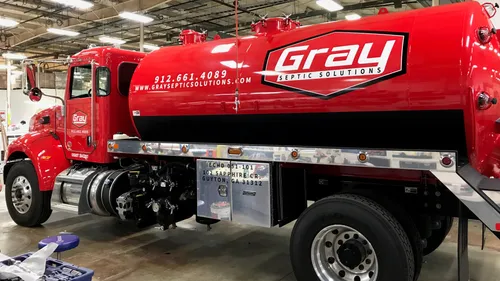
Gray Septic Solutions
Savannah, GA
Gray Septic Solutions is a locally owned septic service provider based in Savannah, GA. Since 2015, they have offered a range of services including septic tank pumping, inspections, repairs, installations, and drain field replacements. The company handles both residential and commercial septic needs with in-house design, permitting, and installation, ensuring quality control without subcontractors. They also provide 24/7 emergency septic services to address urgent issues promptly. Gray Septic Solutions is fully licensed and insured, with expertise in managing the unique challenges of Savannah's coastal soil and water conditions.
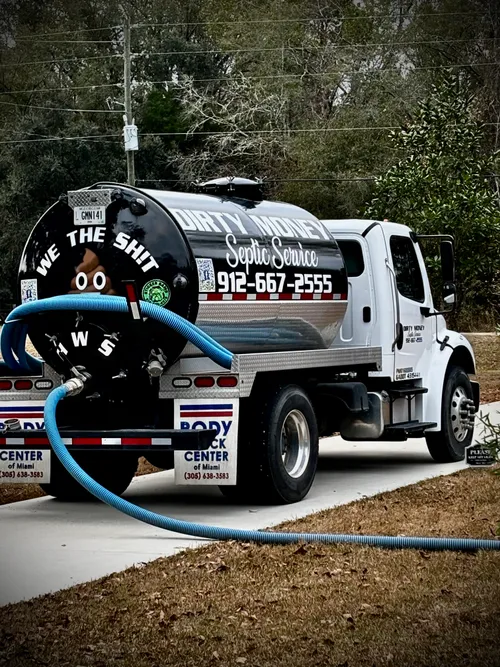
Dirty Money Septic Service
Savannah, GA
Dirty Money Septic Service is a veteran-owned company based in Savannah, GA, specializing in septic tank pumping and installation. They serve Chatham, Bryan, Effingham, and Bulloch Counties, providing routine maintenance and complete system installations. The team emphasizes integrity, transparency, and clear communication while delivering dependable septic solutions with years of practical experience.
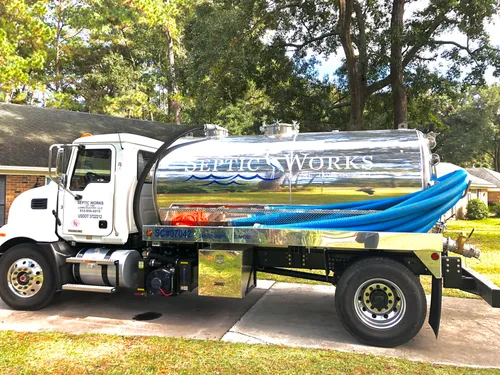
Septic Works of the Lowcountry
36 Clarendon Rd, Savannah, GA 31410
Septic Works of the Lowcountry is an owner-operated septic service company based in Savannah, GA. With over 10 years of experience, they provide a range of septic system services including installation, pumping, inspections, and drainfield repairs using Terralift technology. Their team handles residential and commercial septic needs, ensuring compliance with local regulations and tailored solutions for each property. They offer 24/7 emergency availability and personally oversee each project to maintain quality and timely completion.
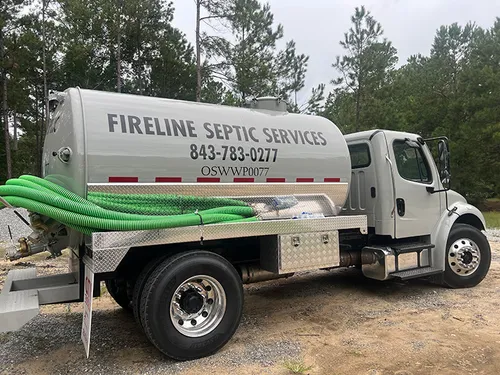
Fireline Septic Services LLC
Savannah, GA
Fireline Septic Services LLC is a veteran and locally owned business providing septic system services in Savannah, GA. They offer septic tank pumping, inspections with camera diagnostics, repairs, and new installations. Their capabilities include hydro-jetting to clear blockages and maintain system function. Fireline Septic Services serves several counties in South Carolina, including Jasper, Beaufort, Chatham, and Effingham.

Collins Septic Tank Services Inc
2 Barefoot Alley, Bluffton, SC 29910
Collins Septic Tank Services Inc is a family-owned septic system repair and installation company serving Savannah, GA, and the Lowcountry region. Established in 1968, the company offers a full range of septic services including routine maintenance, emergency repairs, and professional septic tank installations. Their licensed and insured team uses advanced equipment to ensure systems operate efficiently, with many services available within 24 hours.
Understanding the Regulatory Landscape in Chatham County
All septic system installation, replacement, and major repair work in Georgia must comply with state rules enforced by the Georgia Department of Public Health. In Chatham County, the local Environmental Health office is your direct point of contact for permits and inspections 1. A critical first step is understanding that you must hire a contractor certified by the Georgia Department of Public Health to perform the work 2. Beginning any excavation or installation without the proper permits and a certified installer can result in costly fines and orders to remove non-compliant work.
The cornerstone of the permitting process is the Level 3 Soil Survey, also known as a percolation or "perc" test 3. This is not a simple check; it's a comprehensive evaluation of your property's soil structure, permeability, and seasonal water table depth. Its purpose is to determine if and how the soil can adequately treat and dispose of wastewater, which directly dictates the type and design of the system you can install 3.
The Step-by-Step Process for a New or Replacement System
1. Site Evaluation and Design
This phase begins with the mandatory Level 3 Soil Survey conducted by a licensed soil classifier 4. The results determine the system's design, including the size of the drain field and the type of system required (conventional, aerobic, etc.). Your certified installer will use this data to create a detailed site plan. This plan must include a plot plan showing property lines, the proposed system location, all buildings, wells, and other water sources. This package is submitted to the Chatham County Health Department for the construction permit review.
2. Securing Permits
You cannot break ground without an approved construction permit from the local health department 5 6. The permit application will include the soil survey report, the engineered site plan, and the credentials of your certified installer. Permit and associated fees in Georgia typically range from $500 to $1,200, depending on the system's complexity and local county fees 7 8.
3. Installation and Critical Inspections
Once permitted, your contractor will schedule the installation. The health department conducts several mandatory inspections that must be passed before work proceeds:
- Pre-Installation/Site Plan Review: The inspector verifies the staked-out system matches the approved plan.
- Open Excavation Inspection: This is a crucial check before any components are buried. The inspector examines trench depths, the placement of gravel and distribution pipes, and the proper setting of the septic tank to ensure everything meets code.
- Final Inspection: After the system is fully installed and covered, a final inspection occurs. This often includes running water through the system (a dye test) to ensure proper flow and function according to the approved design 9 10. Only after passing this inspection is the system approved for use.
Find the perfect septic tank installation & replacement contractors for your needs
Get personalized recommendations and expert advice
Types of Septic Systems and Cost Considerations
The type of system installed in Savannah is primarily determined by the soil survey results.
- Conventional Gravity System: Used in soils with good permeability. Wastewater flows by gravity from the tank to a series of perforated pipes in a gravel-filled drain field. This is often the most cost-effective option.
- Aerobic Treatment Unit (ATU) or Alternative System: Required in areas with poor soil drainage, high water tables, or small lots. These systems use an aerator to introduce oxygen, enhancing the treatment process before the effluent is dispersed. They are more complex and expensive.
- System Replacement: Often involves installing a new tank and a completely new drain field ("leach field") in a different location on the property, as the old field area is spent.
Costs in the Savannah area vary widely based on soil conditions, tank material (concrete or plastic), system type, and property accessibility. Here is a general cost breakdown:
- Conventional System Installation: $5,000 - $8,000
- Full System Replacement (Tank & Field): $5,000 - $12,000
- Aerobic or Alternative System: $10,000 - $20,000+
- Permits & Fees: $500 - $1,200
Key Factors Influencing Your Project
- Soil Conditions: Poor soil (clay, high water table) can necessitate a more expensive alternative system and may increase excavation costs.
- Tank Material: Concrete tanks are heavier and may require special equipment to place, while plastic tanks are lighter but have different longevity considerations.
- System Size: Determined by the number of bedrooms in your home, which estimates daily wastewater flow.
- Property Access: Tight spaces or long distances from the road can increase labor and equipment time.
- Local Regulations: Chatham County may have specific requirements beyond the state minimums, especially in environmentally sensitive areas.
Maintaining Your New Septic Investment
A properly installed system is the first step. Protecting your investment requires regular maintenance:
- Pump the Tank Regularly: Typically every 3-5 years, depending on usage and tank size.
- Conserve Water: Spread out laundry loads and fix leaks to avoid overloading the drain field.
- Mind What You Flush: Only human waste and toilet paper. Never flush chemicals, wipes, or grease.
- Protect the Drain Field: Never drive or park over it, and keep rainwater drainage systems away from it.
Choosing a certified installer with experience in Chatham County's specific conditions is the most important decision you'll make. They will navigate the permitting process, ensure the design is correct for your soil, and execute an installation that passes inspection and serves your home for decades.
Frequently asked questions
Sources
Footnotes
-
Septic Systems | DeKalb Public Health - https://dekalbpublichealth.com/environmental-health/septic-systems/ ↩
-
Georgia Septic Tank Requirements | On-Site Sewage ... - https://www.ntotank.com/blog/georgia-septic-tank-requirements ↩
-
Residential-Study-Guide.pdf - GNR Health - https://gnrhealth.com/wp-content/uploads/2012/01/Residential-Study-Guide.pdf ↩ ↩2
-
Septic Tank Installation - https://www.pricesseptictankservice.com/essential-considerations-for-installing-a-septic-tank ↩
-
Level 3 Soil Surveys / Perc Testing - RSP Environmental - https://www.rspenv.com/services/soil-surveys ↩
-
Septic Drain Field Installation Guide GA: 7 Key Steps - https://dandhsepticservices.com/septic-drain-field-installation/ ↩
-
Septic Tank Installation Cost in Georgia | Expert Guide - https://dandhsepticservices.com/septic-tank-installation-cost/ ↩
-
Complete Guide to Septic Inspection in Georgia - https://dandhsepticservices.com/septic-inspection-in-georgia/ ↩
-
Septic System Installation 101: How to Prepare - https://grumpspumps.com/septic-services/septic-system-installation-101-how-to-prepare/ ↩
-
Septic Upgrades Woodstock - https://smartsepticpros.com/blog/septic-system-upgrades-woodstock/ ↩