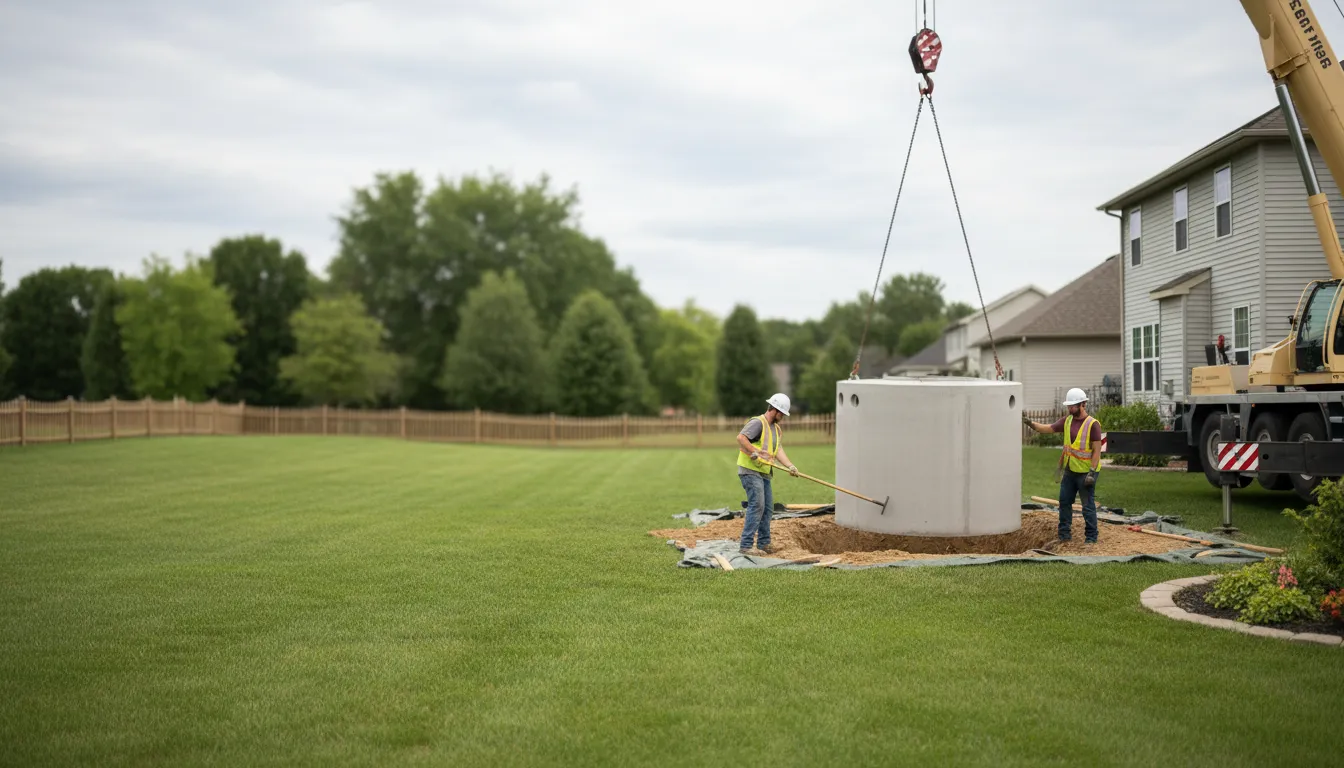
Find the Best Septic Tank Installation & Replacement Contractors for Your Business
No obligation • Fast responses • Nationwide coverage

Why you can trust Septic Spot
Septic Spot is a leading United States resource for understanding and comparing septic services. Our editors review providers using consistent criteria and verify key business details. Listings and scores are independent, and companies cannot pay to influence our content.
Search providers near you
Top Septic Tank Installation & Replacement Contractors in South Fulton, Georgia Ranked
Installing or replacing a septic system is a significant investment in your property's infrastructure and environmental health. For homes in South Fulton not connected to municipal sewer lines, a properly functioning on-site sewage management system is essential for sanitation, property value, and protecting local groundwater. This guide explains the local process, regulations, and costs to help you navigate your project and connect with qualified, certified professionals in the area.
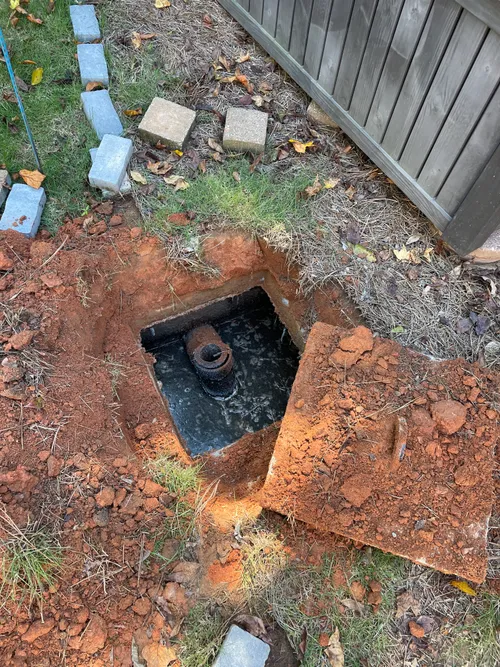
S&S Septic Services
5708 Toombs St, Lula, GA 30554
S&S Septic Services is a septic pumping, repair, and installation company serving South Fulton, GA, as well as northeast Georgia and Upstate South Carolina. They provide comprehensive septic solutions for residential, commercial, and government clients, including septic tank pumping, system repairs, new installations, and drain field cleaning through high-pressure jetting. The company also offers certified inspections, tank locating, and riser installations to support long-term maintenance. With over 20 years of experience, S&S Septic Services operates 24/7 to address emergency needs promptly.
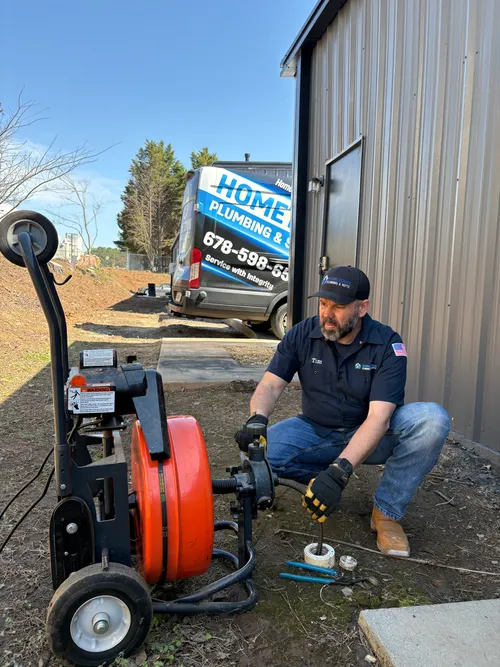
Hometown Plumbing and Septic
3375 Hutchinson Rd, Cumming, GA 30040
Hometown Plumbing and Septic provides professional septic services in South Fulton, GA, and the surrounding Metro Atlanta and North Georgia areas. They specialize in septic tank pumping, inspections, repairs, and complete system replacements for both residential and commercial properties. Their services also include drain field repair and lift station maintenance. With decades of experience and advanced equipment, they handle complex septic system issues with precision. They serve multiple counties including Barrow, Cherokee, Cobb, and others, offering preventative maintenance to help avoid emergency repairs.
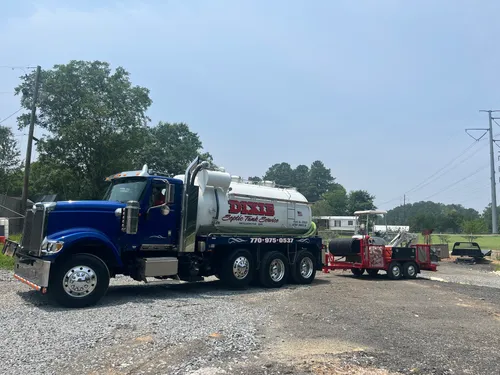
Dixie Septic Tank Service
4400 Pecan Ln SE, Acworth, GA 30102
Dixie Septic Tank Service is a family-owned business providing full-service septic solutions in South Fulton, GA. They offer septic tank pumping, installation, repair, and maintenance for both residential and commercial properties. Known for their transparent pricing and thorough workmanship, Dixie Septic has built a strong reputation through word-of-mouth referrals and long-term customer relationships. Their team also provides free second opinions on quotes from other companies, helping clients make informed decisions about their septic systems.
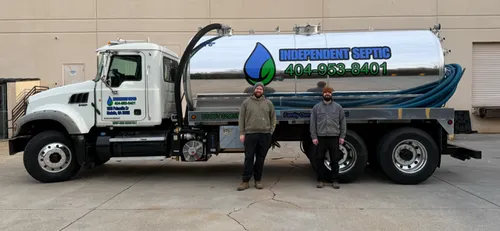
Independent Septic and Sewer LLC
Atlanta, GA
Independent Septic and Sewer LLC is a family-owned business serving Atlanta, GA, and surrounding counties. They provide septic tank pumping, cleaning, inspection, repair, and installation services for residential and commercial properties. With over 20 years of experience, the company offers expertise in diagnosing and repairing septic system issues, including drain field repairs and sewer line maintenance. They also provide a 10-year warranty on repairs and handle all necessary permits and building code requirements. Their services include thorough septic tank pumping that removes both liquids and solids, as well as hydro jetting and camera inspections when needed.
Easy Clean Septic
6520 Roswell Rd, Atlanta, GA 30328
Easy Clean Septic is a septic tank service provider based in Atlanta, GA. They offer septic tank pumping, inspection, installation, and repair services to maintain effective septic systems. The company uses modern tools and technology to address a range of septic issues, from minor repairs to full system replacements. Established in 2018 by a team with over 15 years of experience in the plumbing and septic industry, Easy Clean Septic emphasizes integrity and thorough workmanship. Their services include detailed inspections to detect potential problems early and comprehensive repairs to restore system function.
Understanding Septic Systems in Fulton County
A septic system is an on-site wastewater treatment structure, typically consisting of a tank and a drain field (or leach field). In South Fulton, all such systems are regulated by the Fulton County Board of Health Environmental Health Services (EHS) under Georgia state code 1. Whether you're building a new home, replacing a failing system, or expanding your property, understanding the county's requirements is the first critical step. The process is designed to ensure systems are safe, effective, and do not contaminate water sources.
The Permit Process: Your First Official Step
Before any digging begins, you must obtain a permit from the Fulton County health department. It is illegal to construct, repair, or replace any part of an on-site sewage system without this authorization. The permit application process is built around a key preliminary requirement: the site evaluation, commonly known as a perc test.
The Critical Role of Soil Evaluation (Perc Tests)
A percolation (perc) test measures how quickly water drains through your property's soil. A licensed soil scientist or environmental health specialist conducts this test to assess soil composition, seasonal water table levels, and overall lot suitability. The results directly determine what type of septic system your property can support.
- Favorable Results: If the soil has adequate absorption rates, a conventional gravity-fed system with a standard drain field is usually approved.
- Poor Drainage: South Fulton areas with heavy clay soil or high water tables may fail a standard perc test 2 3. In these cases, the county will require a more complex (and costly) engineered system, such as a mound system or aerobic treatment unit (ATU), to safely treat wastewater.
Designing Your System: Meeting Code and Home Needs
Once the site evaluation is complete, a licensed septic contractor or engineer will design the system. This design must comply with Georgia Code 511-3-1 and Fulton County's specific locational rules. Key design factors include:
- Home Size: The system's capacity is primarily based on the number of bedrooms in the home, which estimates daily wastewater flow.
- Component Specifications: Georgia code mandates a minimum 1,000-gallon septic tank for a residential dwelling.
- Setback Requirements: Tanks and drain fields must be placed a safe distance from other features. For example, tanks must be at least 50 feet from water wells and 25 feet from streams or lakes 4 5.
Installation & Inspection: A Two-Phase Check
Professional installation by a state-certified contractor is not just recommended-it's required in Georgia. The installation process is closely monitored by county inspectors.
- Pre-Installation Inspection: Sometimes required, this is a preliminary check of the staked-out property before the permit is finalized 6.
- Critical Installation Inspection: This is the most important inspection. After the tank and drain field trenches are installed but before they are backfilled with soil, the county inspector must visit the site 7. They verify that the installation matches the permitted design, that components are sound, and that all code distances are met. Only after this inspection passes can the system be covered.
Find the perfect septic tank installation & replacement contractors for your needs
Get personalized recommendations and expert advice
Understanding Costs for Septic System Projects
The total cost for septic tank installation and replacement in South Fulton varies widely based on system type, soil conditions, and tank material. Here's a general breakdown based on local data 8 9:
- Conventional System Installation/Replacement: For a standard tank and drain field on suitable soil, homeowners can expect costs ranging from $5,000 to $12,000.
- Partial System Repair or Replacement: Replacing just a drain field or a tank might cost between $3,500 and $8,500.
- Alternative or Engineered Systems: If your soil requires a mound, sand filter, or aerobic system, costs jump significantly, often starting at $15,000 and potentially exceeding $50,000.
- Tank Material Costs:
- Concrete Tanks: The most common and durable choice, costing between $1,800 and $5,000.
- Plastic/Fiberglass Tanks: Lighter and resistant to corrosion, typically ranging from $1,200 to $3,000.
Maintaining Your New Septic Investment
A properly installed system can last decades with correct care. Maintenance is non-negotiable and protects your investment.
- Regular Pumping: The Georgia Department of Public Health and local experts recommend having your septic tank pumped every 3 to 5 years, depending on household size and usage 10 11.
- Protect the Drain Field: Never drive or park vehicles over the drain field area. The weight can crush buried pipes and compact the soil, ruining its absorption ability.
- Mind What Goes Down the Drain: Avoid flushing chemicals, grease, diapers, or wipes (even "flushable" ones), as these can clog the system and lead to premature failure.
Choosing the right contractor is paramount. Always verify that a septic installer is certified by the state of Georgia and familiar with Fulton County's specific protocols. A reputable professional will handle the permit process, design, installation, and coordinate all necessary inspections, ensuring your new on-site wastewater system is built to last.
Frequently asked questions
Sources
Footnotes
-
Land-use - Fulton County Board of Health - https://fultoncountyboh.com/environmental-health/inspections-non-food/well-and-septic-inspection/ ↩
-
Septic Drain Field Installation Guide GA: 7 Key Steps - https://dandhsepticservices.com/septic-drain-field-installation/ ↩
-
The Basics of Installing a Septic System - Next Modular - https://www.nextmodular.com/the-basics-of-installing-a-septic-system/ ↩
-
Georgia Septic System Guide: Regulations & Maintenance Tips - https://smartsepticpros.com/blog/georgia-septic-system-regulations/ ↩
-
Ga. Comp. R. & Regs. R. 511-3-1-.05 - Septic Tanks - https://www.law.cornell.edu/regulations/georgia/Ga-Comp-R-Regs-R-511-3-1-.05 ↩
-
2026 Guide to Septic Tank Installation - https://dandhsepticservices.com/septic-tank-installation/ ↩
-
Residential-Study-Guide.pdf - GNR Health - https://gnrhealth.com/wp-content/uploads/2012/01/Residential-Study-Guide.pdf ↩
-
Septic Tank Installation Cost in Georgia | Expert Guide - https://dandhsepticservices.com/septic-tank-installation-cost/ ↩
-
Complete Guide to Septic Inspection in Georgia - https://dandhsepticservices.com/septic-inspection-in-georgia/ ↩
-
Georgia Septic Tank Requirements | On-Site Sewage ... - https://www.ntotank.com/blog/georgia-septic-tank-requirements ↩
-
homeowner's guide - to septic system maintenance - https://northgeorgiawater.org/wp-content/uploads/2017/10/SepticTankKit-MNGWPD.pdf ↩