Find the Best Septic Tank Installation & Replacement Contractors for Your Business
No obligation • Fast responses • Nationwide coverage

Why you can trust Septic Spot
Septic Spot is a leading United States resource for understanding and comparing septic services. Our editors review providers using consistent criteria and verify key business details. Listings and scores are independent, and companies cannot pay to influence our content.
Search providers near you
Top Septic Tank Installation & Replacement Contractors in Columbus, Georgia Ranked
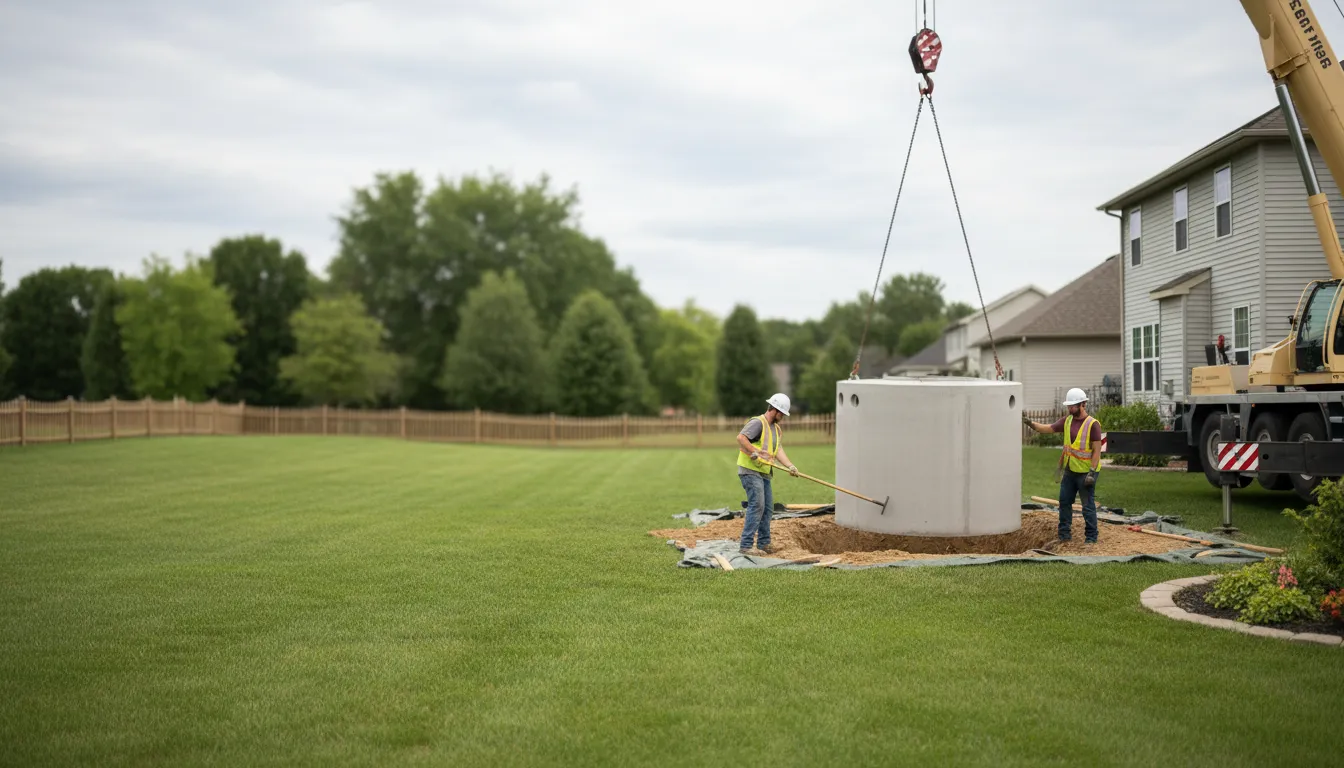
Installing or replacing a septic system is a significant home improvement project governed by strict state and local health regulations. In Georgia, this process requires careful planning, professional expertise, and adherence to specific codes to protect public health and the environment. This guide explains the key steps, costs, and regulatory requirements for septic system work in Georgia, helping you understand what to expect and how to connect with qualified local professionals for your project.
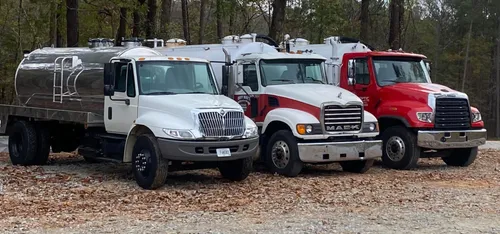
Dirty Mike's Septic & Hydro Jetting service
33 Mulberry Dr, Fortson, GA 31808
Dirty Mike's Septic & Hydro Jetting service is an owner-operated company based in Columbus, GA, providing a range of septic system services including pumping, inspection, repair, and installation. With over 15 years of experience, the business serves both residential and commercial clients, offering specialized capabilities such as hydro jetting and sewer cleaning. The company is available 24/7 to handle routine maintenance as well as emergency septic system repairs and installations.
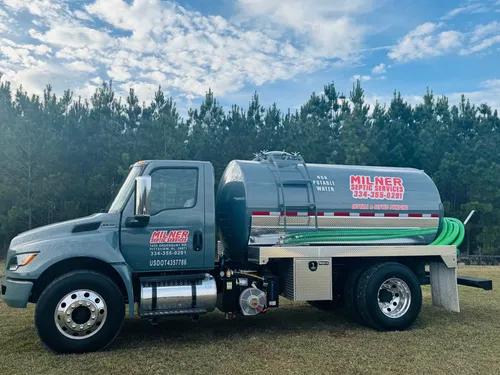
Milner Septic Services
Columbus, GA
Milner Septic Services is a family-owned company providing septic tank pumping, inspection, and installation in Columbus, GA. They serve East Alabama and West Georgia, including areas like Eufaula, Fort Mitchell, and Phenix City. The company offers specialized septic pumping with proper waste disposal and emergency septic services for backup or overflow situations. Milner Septic emphasizes septic-safe practices to help homeowners avoid costly repairs and uses equipment designed to minimize disruption during service.
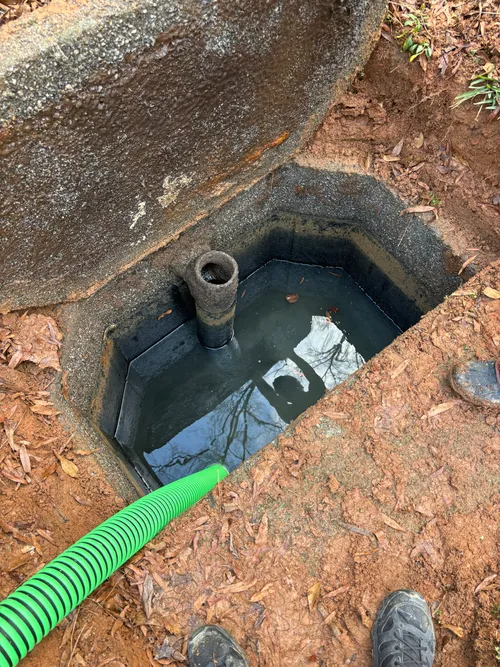
Turdbusters Septic and Plumbing
191 Arrowhead Dr, Waverly Hall, GA 31831
Turdbusters Septic and Plumbing is a septic tank pumping, inspection, and installation company serving Columbus, GA. They provide certified septic tank inspections with reports required for real estate transactions and land improvements. Their services include septic pumping and drain cleaning, following state recommendations for regular maintenance to ensure system health.
A&B septic services
233 Jones Rd, Cataula, GA 31804
A&B septic services is a septic tank pumping, repair, and installation company based in Columbus, GA. They provide services including tank installation, system repairs, pumping and maintenance, as well as drain field repair and clearing. Their coverage includes multiple counties around Columbus, such as Harris, Talbot, Meriwether, Troup, Muscogee, Marion, Taylor, Pike, and Upson. The company also offers grading and landscaping related to septic systems.
D&H Septic Services
3532 Dr Deryl Hart Rd, Buena Vista, GA 31803
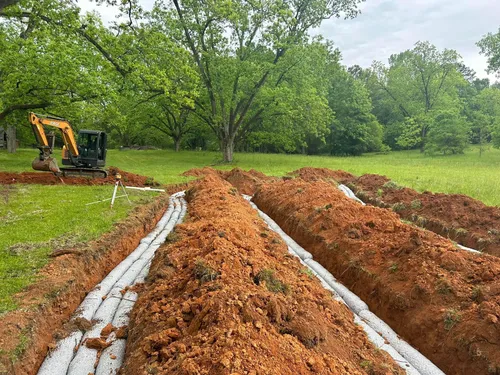
D&H Septic Services is a family-owned company based in Marion County, serving Columbus, GA, and surrounding areas including Muscogee, Harris, Sumter, and Macon counties. They provide a range of septic services such as pumping, system installation, inspections, repairs, and maintenance for both residential and commercial clients. With over 16 years of experience since 2008, D&H Septic Services employs certified technicians and modern equipment to handle routine and emergency septic needs.
Understanding Georgia's Septic System Regulations
All septic system installations, replacements, and major repairs in Georgia are regulated under the state's On-Site Sewage Management Systems rules (Ga. Comp. R. & Regs. 511-3-1). The primary goal is to ensure wastewater is treated effectively to prevent groundwater contamination and the spread of disease. The most critical rule is that you cannot begin any construction without first obtaining a permit from your local county health department's Environmental Health Office. These offices enforce state rules and may have additional county-specific requirements, so your first call should always be to them.
Only state-certified contractors are legally allowed to install, repair, or pump septic systems in Georgia. Hiring a certified professional ensures the work meets code, which is essential for passing inspections and protecting your property investment. The certification process for installers involves training and testing, providing homeowners with a baseline of quality and knowledge.
The Step-by-Step Process for New Installation
1. Site Evaluation and Soil Testing
Before any design can be approved, a professional must conduct a thorough site evaluation. This almost always includes a percolation (perc) test or more comprehensive soil analysis to determine the soil's structure, depth to groundwater, and absorption rate. In Georgia, this evaluation must be performed by a certified soil classifier, professional engineer, or geologist. The results dictate what type of system your property can support and the size of the necessary drain field.
2. System Design and Permit Application
Using the site evaluation data, a system design is created. For a conventional system, this includes the septic tank and drain field specifications. The design is based on the home's size, typically measured by the number of bedrooms, which estimates maximum daily wastewater flow 1 2. You or your contractor will submit this design, along with the application and fee, to the county health department for review and permit issuance. Permit fees typically range from $170 to $250 or more.
3. Installation of Tank and Drain Field
Once the permit is in hand, certified installers can begin work. Excavation is done for the septic tank and the series of trenches or a bed that will make up the drain field (also called a leach field). Georgia has specific requirements for drain field construction to ensure uniform wastewater distribution and prevent premature soil saturation 3.
Tank Specifications: For a single-family home, the minimum tank capacity is generally 1,000 gallons, and it must have two compartments. The first compartment must hold between two-thirds and three-quarters of the total liquid capacity. Tanks are typically made of concrete, fiberglass, or polyethylene.
4. Critical Pre-Cover Inspection
This is one of the most important steps. Before the tank and drain field lines are covered with soil, you must contact the health department to schedule a pre-cover inspection. An inspector will visit the site to verify:
- The tank is properly leveled and set.
- All pipes, baffles, and T-fittings are correctly installed.
- The drain field layout matches the approved design.
- The overall installation meets all health and safety codes.
Do not backfill the excavation until this inspection is passed. Failing to do so can result in fines and orders to re-excavate the system for inspection 4.
5. Final Approval and Use
After passing the pre-cover inspection and the system is backfilled, a final inspection may be required. Once the health department grants final approval, your new septic system is legally authorized for use.
Find the perfect septic tank installation & replacement contractors for your needs
Get personalized recommendations and expert advice
Guide to System Replacement and Major Repair
Replacing a failing septic system follows a similar regulatory path as a new installation but starts with a diagnosis. Common signs of failure include sewage backups, soggy bright green grass over the drain field, and foul odors.
- Assessment: A certified professional will inspect the system, often via tank pumping and a drain field probe, to determine if repair or full replacement is needed.
- New Site Evaluation: Even for a replacement, a new site evaluation is usually required, as regulations and soil conditions may have changed since the original system was installed.
- Options: The solution could be a like-for-like replacement if the existing drain field is sound, or it may require a completely new drain field in a different location on your property. In some cases, an alternative or engineered system (like an aerobic treatment unit or mound system) is necessary for challenging sites.
Cost Breakdown for Georgia Homeowners
Costs for septic work in Georgia vary widely based on soil conditions, system type, tank material, and local labor rates.
- New Conventional System Installation: The average cost range is between $5,000 and $12,000 for a standard anaerobic system with a tank and drain field. This includes design, permits, excavation, materials, and labor.
- System Replacement:
- Drain Field Replacement Only: $3,500 to $8,500.
- Full System (Tank & Drain Field) Replacement: $5,000 to $12,000, similar to a new install.
- Engineered or Alternative Systems: For properties with poor soil, high groundwater, or small lots, these advanced systems can cost $15,000 to $50,000 or more.
- Permit Fees: As noted, budget $170 to $250+ for the required county health permit 5.
Key Requirements at a Glance
| Component | Requirement / Specification |
|---|---|
| Governing Authority | Local County Health Department (Environmental Health Office) |
| Permit Required | Yes, before any work begins |
| Minimum Tank Size | 1,000 gallons for a single-family home |
| Tank Compartments | Two compartments required |
| Site Evaluation | Mandatory soil test by a certified professional 6 |
| Installer Credential | Must be a Georgia state-certified contractor 7 8 |
| Critical Inspection | Pre-cover inspection by health department is mandatory 9 10 |
| Typical New Install Cost | $5,000 - $12,000 |
| Replacement Cost Range | $3,500 - $50,000+ 11 12 |
Maintaining Your New or Replaced System
Proper maintenance is key to a long system life (often 20-40 years). Key practices include:
- Regular Pumping: Pump the tank every 3-5 years, depending on household size and usage.
- Water Conservation: Reducing water flow prevents overloading the drain field.
- Mindful Flushing: Only human waste and toilet paper should go down the drain. Avoid chemicals, grease, wipes, and other solids.
- Protect the Drain Field: Never drive or park vehicles over it, and keep heavy landscaping like trees and shrubs away from the area.
Frequently asked questions
Sources
Footnotes
-
GAC - Subject 511-3-1 ON-SITE SEWAGE MANAGEMENT SYSTEMS - https://rules.sos.ga.gov/gac/511-3-1 ↩
-
Manual for On-Site Sewage Management Systems - https://dph.georgia.gov/document/document/envhealthonsitemanual2024-02-22sectiondpdf/download ↩
-
Georgia's Septic Drain Field Requirements: Homeowner's Guide - https://smartsepticpros.com/blog/georgias-septic-drain-field-requirements/ ↩
-
Installing a Septic Tank | So Cal Septics - https://socalseptics.com/installing-a-septic-tank/ ↩
-
Septic System Applications And Requirements - https://cobbanddouglaspublichealth.com/programs/environmental-health/septic-systems/septic-system-applications-and-requirements/ ↩
-
Georgia Septic Tank Requirements | On-Site Sewage ... - https://www.ntotank.com/blog/georgia-septic-tank-requirements ↩
-
Septic Tank Installer, Pumper and Portable Sanitation Certification ... - https://dph.georgia.gov/document/document/certification-requirements/download ↩
-
Georgia Septic License & Certification | 2024 Contractor Guide - https://www.servicetitan.com/licensing/septic/georgia ↩
-
2026 Guide to Septic Tank Installation - https://dandhsepticservices.com/septic-tank-installation/ ↩
-
Septic Systems | DeKalb Public Health - https://dekalbpublichealth.com/environmental-health/septic-systems/ ↩
-
Septic Tank Installation Cost in Georgia | Expert Guide - https://dandhsepticservices.com/septic-tank-installation-cost/ ↩
-
Complete Guide to Septic Inspection in Georgia - https://dandhsepticservices.com/septic-inspection-in-georgia/ ↩