Find the Best Septic Tank Installation & Replacement Contractors for Your Business
No obligation • Fast responses • Nationwide coverage

Why you can trust Septic Spot
Septic Spot is a leading United States resource for understanding and comparing septic services. Our editors review providers using consistent criteria and verify key business details. Listings and scores are independent, and companies cannot pay to influence our content.
Search providers near you
Top Septic Tank Installation & Replacement Contractors in Dunwoody, Georgia Ranked
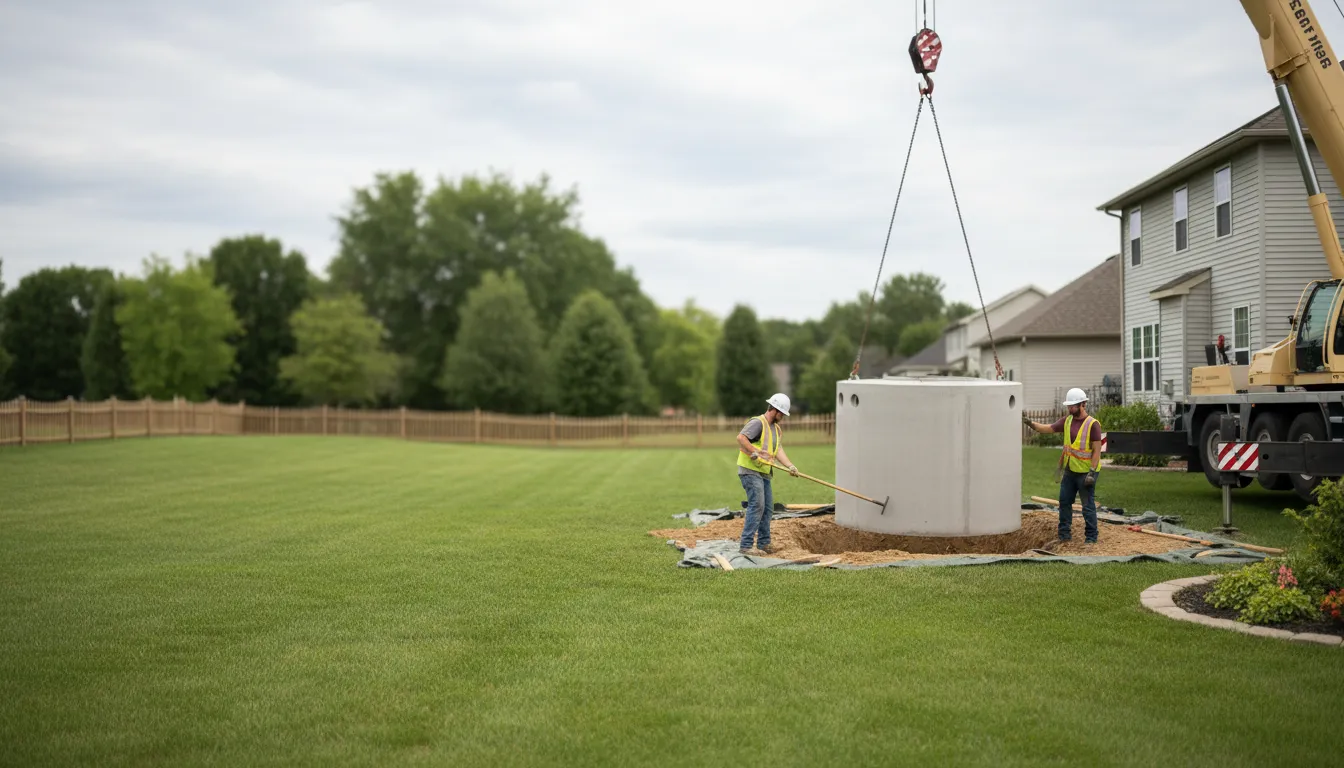
Installing or replacing a septic system is a significant home improvement project that ensures your property's wastewater is managed safely and efficiently. For homeowners in Dunwoody, this process is governed by specific state and county regulations designed to protect public health and the local environment. This guide explains the key steps, from permits and soil testing to final inspection, and helps you understand what to look for in a qualified local professional.
Hometown Plumbing and Septic
3375 Hutchinson Rd, Cumming, GA 30040
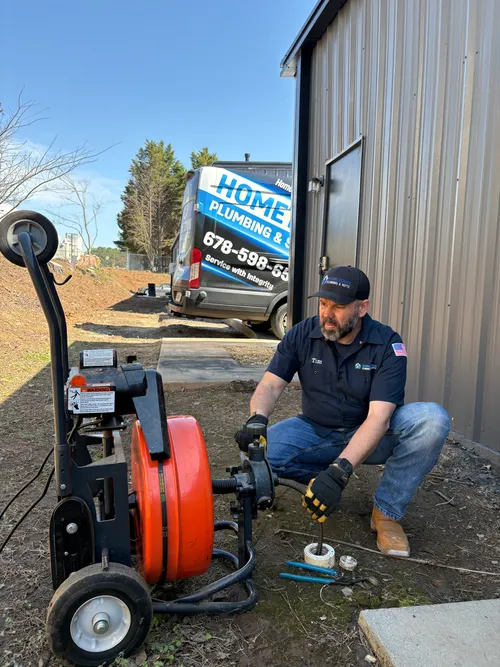
Hometown Plumbing and Septic provides professional septic services in South Fulton, GA, and the surrounding Metro Atlanta and North Georgia areas. They specialize in septic tank pumping, inspections, repairs, and complete system replacements for both residential and commercial properties. Their services also include drain field repair and lift station maintenance. With decades of experience and advanced equipment, they handle complex septic system issues with precision. They serve multiple counties including Barrow, Cherokee, Cobb, and others, offering preventative maintenance to help avoid emergency repairs.
Septic On Call
2180 Satellite Blvd NW #400, Duluth, GA 30097
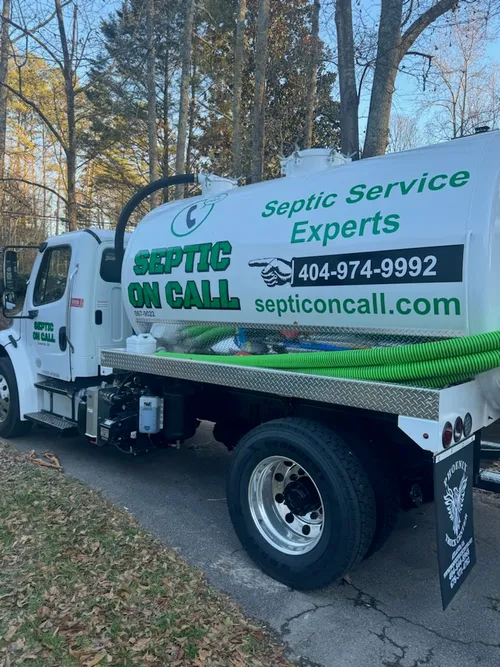
Septic On Call is a septic tank service provider based in Atlanta, GA. The company offers a range of services including septic tank pumping, inspections, repairs, and installation of septic tanks and drainfields. They provide thorough cleaning and maintenance to help prevent costly repairs and ensure proper system function. Septic On Call also specializes in diagnosing and repairing septic system issues, from minor leaks to major damage. The company offers 24/7 emergency services for septic tank problems and backups, responding quickly to urgent repair needs.
Dixie Septic Tank Service
4400 Pecan Ln SE, Acworth, GA 30102
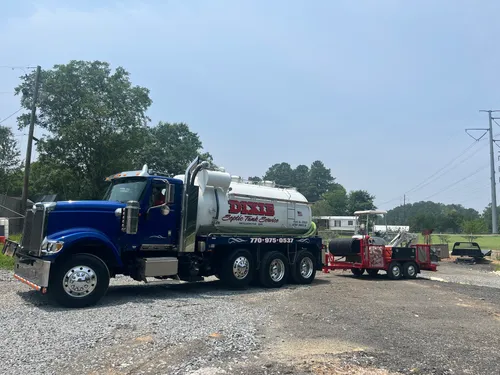
Dixie Septic Tank Service is a family-owned business providing full-service septic solutions in South Fulton, GA. They offer septic tank pumping, installation, repair, and maintenance for both residential and commercial properties. Known for their transparent pricing and thorough workmanship, Dixie Septic has built a strong reputation through word-of-mouth referrals and long-term customer relationships. Their team also provides free second opinions on quotes from other companies, helping clients make informed decisions about their septic systems.
Independent Septic and Sewer LLC
Atlanta, GA
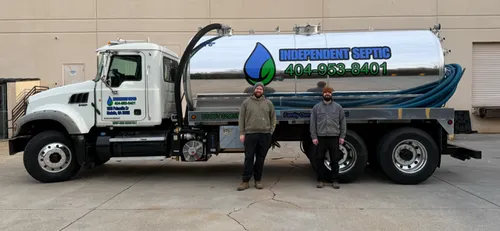
Independent Septic and Sewer LLC is a family-owned business serving Atlanta, GA, and surrounding counties. They provide septic tank pumping, cleaning, inspection, repair, and installation services for residential and commercial properties. With over 20 years of experience, the company offers expertise in diagnosing and repairing septic system issues, including drain field repairs and sewer line maintenance. They also provide a 10-year warranty on repairs and handle all necessary permits and building code requirements. Their services include thorough septic tank pumping that removes both liquids and solids, as well as hydro jetting and camera inspections when needed.
Easy Clean Septic
6520 Roswell Rd, Atlanta, GA 30328
Easy Clean Septic is a septic tank service provider based in Atlanta, GA. They offer septic tank pumping, inspection, installation, and repair services to maintain effective septic systems. The company uses modern tools and technology to address a range of septic issues, from minor repairs to full system replacements. Established in 2018 by a team with over 15 years of experience in the plumbing and septic industry, Easy Clean Septic emphasizes integrity and thorough workmanship. Their services include detailed inspections to detect potential problems early and comprehensive repairs to restore system function.
Understanding the Regulatory Framework in DeKalb County
All septic system work in Dunwoody falls under the jurisdiction of the DeKalb County Board of Health, which enforces the Georgia Department of Public Health's rules, specifically Chapter 511-3-1 1. You cannot begin any excavation or installation without first obtaining the proper permits from the county. The primary goal of these regulations is to ensure systems are designed and installed correctly to prevent groundwater contamination and public health hazards. The process is designed to verify that your property is suitable for an on-site sewage management system and that the proposed design meets all safety standards.
The cornerstone of the application is the Construction Permit/Site Approval form, which must be submitted to the DeKalb County Board of Health, often via email. This application packet will include critical documentation, most importantly a site plan and a soil report. Working with a state-certified installer from the start is crucial, as they understand the specific requirements and can help navigate the approval process, which can take anywhere from 10 business days to several months depending on the completeness of your submission.
The Critical First Step: Site Evaluation and Soil Testing
Before any system design can be finalized, a professional site evaluation must be conducted. This is not a mere formality; it determines the feasibility and type of system your property can support. In Georgia, this typically requires a Level 3 Soil Report, which includes a detailed soil morphology study and often a percolation (or "perc") test.
A perc test measures how quickly water drains through the soil in a proposed drain field area. The results dictate the size and design of the absorption field. The soil report also assesses the depth to seasonal high water tables and identifies soil layers that could affect treatment and drainage. This information is legally required for your permit application and ensures the system is engineered for your property's specific conditions, preventing premature failure and environmental issues.
Designing Your Septic System: Tanks, Drain Fields, and Setbacks
With a satisfactory soil report in hand, a certified contractor or engineer will design your system. For a conventional gravity-fed system, the design will include the septic tank and the drain field (also known as a leach field or absorption field).
Tank Specifications: Georgia regulations mandate that conventional septic tanks be at least 1,000 gallons in capacity and are typically of a two-compartment design for better solids separation 2. Tanks are commonly made of concrete, which is durable and long-lasting, though other materials may be options. The cost for a concrete tank alone can range from $1,800 to $5,000.
Drain Field Layout: The design of the trench or bed system is based directly on the soil percolation rate. The site plan must show the exact location of all components.
Mandatory Setbacks: Georgia law enforces strict distance requirements to protect water sources and property lines. Your engineered site plan must demonstrate compliance with these critical setbacks 3 4:
- 50 feet minimum from any water well, stream, or other water body.
- 10 feet minimum from property lines.
- Additional setbacks from buildings, driveways, and other structures are also required.
Find the perfect septic tank installation & replacement contractors for your needs
Get personalized recommendations and expert advice
The Installation Process and Required Inspections
Once your permit is approved, installation can begin. Hiring a contractor certified by the state of Georgia is not just recommended-it's required for this type of work. The installation process is followed by mandatory inspections at key stages to ensure compliance with the approved plans.
- Open Inspection: This occurs after the trenches for the drain field are dug and the tank is set in place, but before any backfilling happens. A county health department inspector will visit the site to verify the trench depth, slope, and the placement of gravel and distribution pipes. They will also inspect the tank installation for proper leveling and inlet/outlet connections 5.
- Final Inspection: After the system is fully installed and backfilled, a final inspection is scheduled. The inspector ensures the installation matches the permitted design and that the site has been properly restored. Only after receiving final approval from the county is your system legally authorized for use 6.
These inspections are for your protection, ensuring the system is built to last and function properly.
Cost Considerations for Installation and Replacement
The total cost for a new septic system or a full replacement in Dunwoody can vary widely based on soil conditions, system size, and site complexity. It's important to budget for both the system itself and the necessary professional services.
- Permit Fees: Paid to DeKalb County, these typically range from $150 to $500 7.
- Soil Report & Design: The Level 3 soil study and engineering site plan are separate costs, often totaling several hundred dollars.
- Conventional System Installation: For a standard tank and drain field system, homeowners can expect costs between $3,500 and $8,500.
- Full Tank and Drain Field Replacement: If you are replacing a failed system, the project involves removing the old components and installing new ones. This more extensive work generally ranges from $5,000 to $12,000 or more 8 9.
- Alternative Systems: If your soil does not support a conventional system, you may need an advanced treatment system (like an aerobic treatment unit or drip irrigation), which can significantly increase the project cost.
Choosing a Certified Professional in Dunwoody
Given the technical and regulatory complexity, your choice of contractor is the most important decision you'll make. Always verify that any installer you consider holds active certification from the state of Georgia 10. A reputable professional will:
- Handle the permit application and site plan submission.
- Coordinate or conduct the required soil testing.
- Provide a detailed, written estimate that breaks down all costs.
- Schedule and be present for all required county inspections.
- Offer guidance on proper long-term maintenance to extend your system's lifespan.
Taking the time to select an experienced, local installer who is familiar with DeKalb County's specific processes will make your septic tank installation or replacement project proceed much more smoothly and successfully.
Frequently asked questions
Sources
Footnotes
-
Ga. Comp. R. & Regs. R. 511-3-1-.05 - Septic Tanks - https://www.law.cornell.edu/regulations/georgia/Ga-Comp-R-Regs-R-511-3-1-.05 ↩
-
Georgia Septic Tank Requirements | On-Site Sewage ... - https://www.ntotank.com/blog/georgia-septic-tank-requirements ↩
-
Septic Systems | DeKalb Public Health - https://dekalbpublichealth.com/environmental-health/septic-systems/ ↩
-
Residential Septic System Permit Application - GNR Health - https://www.gnrhealth.com/wp-content/uploads/2022/03/06.-GNR-Residential-Septic-System-Repair-Permit-App-and-Reqs-Rev.-03.28.2022.pdf ↩
-
Septic Drain Field Installation Guide GA: 7 Key Steps - https://dandhsepticservices.com/septic-drain-field-installation/ ↩
-
Georgia Septic System Guide: Regulations & Maintenance Tips - https://smartsepticpros.com/blog/georgia-septic-system-regulations/ ↩
-
Understanding Septic Tank Permits and Regulations - https://westcoastsanitationinc.com/understanding-septic-tank-permits-and-regulations/ ↩
-
Septic Tank Installation Cost in Georgia | Expert Guide - https://dandhsepticservices.com/septic-tank-installation-cost/ ↩
-
Complete Guide to Septic Inspection in Georgia - https://dandhsepticservices.com/septic-inspection-in-georgia/ ↩
-
Septic Tank Installer, Pumper and Portable Sanitation Certification ... - https://dph.georgia.gov/document/document/certification-requirements/download ↩