Find the Best Septic Tank Installation & Replacement Contractors for Your Business
No obligation • Fast responses • Nationwide coverage

Why you can trust Septic Spot
Septic Spot is a leading United States resource for understanding and comparing septic services. Our editors review providers using consistent criteria and verify key business details. Listings and scores are independent, and companies cannot pay to influence our content.
Search providers near you
Top Septic Tank Installation & Replacement Contractors in Marietta, Georgia Ranked
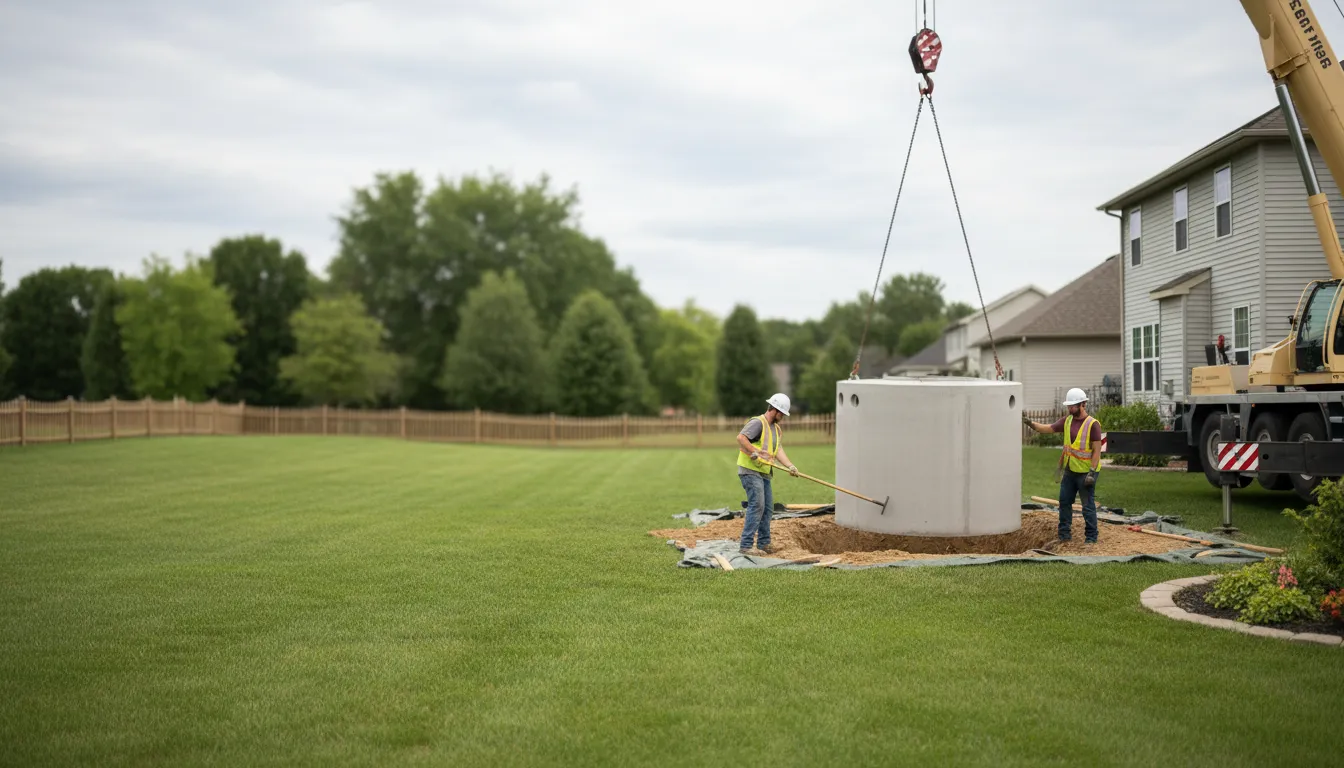
Installing or replacing a septic system is a significant investment in your property's long-term functionality and environmental safety. In Marietta, this process is governed by specific local and state regulations to protect public health and groundwater. This guide explains the key steps, costs, and requirements for septic system installation and replacement in Cobb County, helping you understand what to expect and how to find qualified local professionals for your project.
Hometown Plumbing and Septic
3375 Hutchinson Rd, Cumming, GA 30040
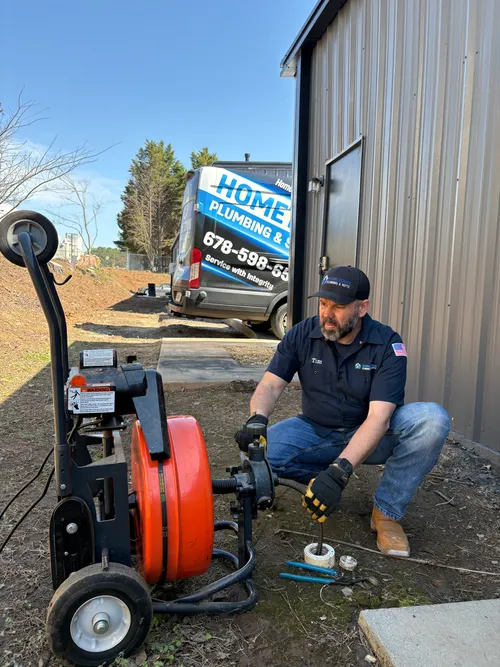
Hometown Plumbing and Septic provides professional septic services in South Fulton, GA, and the surrounding Metro Atlanta and North Georgia areas. They specialize in septic tank pumping, inspections, repairs, and complete system replacements for both residential and commercial properties. Their services also include drain field repair and lift station maintenance. With decades of experience and advanced equipment, they handle complex septic system issues with precision. They serve multiple counties including Barrow, Cherokee, Cobb, and others, offering preventative maintenance to help avoid emergency repairs.
Septic On Call
2180 Satellite Blvd NW #400, Duluth, GA 30097
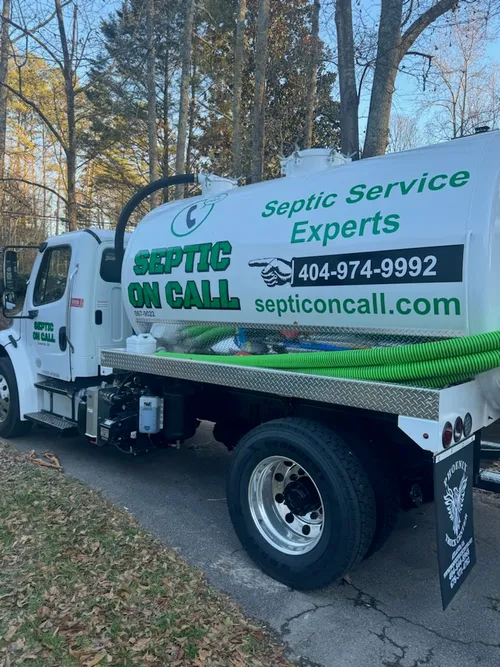
Septic On Call is a septic tank service provider based in Atlanta, GA. The company offers a range of services including septic tank pumping, inspections, repairs, and installation of septic tanks and drainfields. They provide thorough cleaning and maintenance to help prevent costly repairs and ensure proper system function. Septic On Call also specializes in diagnosing and repairing septic system issues, from minor leaks to major damage. The company offers 24/7 emergency services for septic tank problems and backups, responding quickly to urgent repair needs.
Dixie Septic Tank Service
4400 Pecan Ln SE, Acworth, GA 30102
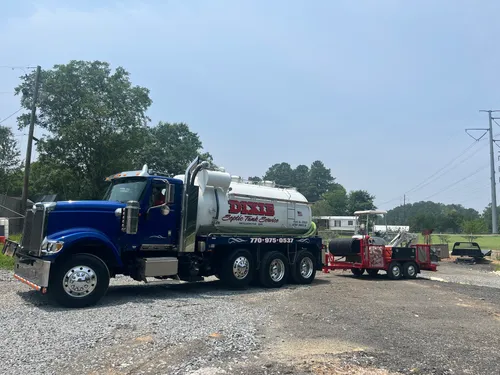
Dixie Septic Tank Service is a family-owned business providing full-service septic solutions in South Fulton, GA. They offer septic tank pumping, installation, repair, and maintenance for both residential and commercial properties. Known for their transparent pricing and thorough workmanship, Dixie Septic has built a strong reputation through word-of-mouth referrals and long-term customer relationships. Their team also provides free second opinions on quotes from other companies, helping clients make informed decisions about their septic systems.
Independent Septic and Sewer LLC
Atlanta, GA
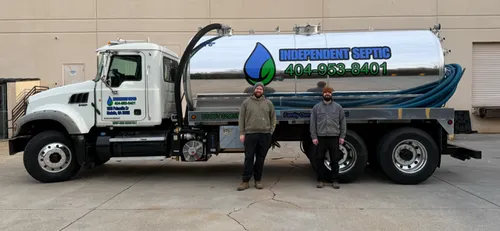
Independent Septic and Sewer LLC is a family-owned business serving Atlanta, GA, and surrounding counties. They provide septic tank pumping, cleaning, inspection, repair, and installation services for residential and commercial properties. With over 20 years of experience, the company offers expertise in diagnosing and repairing septic system issues, including drain field repairs and sewer line maintenance. They also provide a 10-year warranty on repairs and handle all necessary permits and building code requirements. Their services include thorough septic tank pumping that removes both liquids and solids, as well as hydro jetting and camera inspections when needed.
Easy Clean Septic
6520 Roswell Rd, Atlanta, GA 30328
Easy Clean Septic is a septic tank service provider based in Atlanta, GA. They offer septic tank pumping, inspection, installation, and repair services to maintain effective septic systems. The company uses modern tools and technology to address a range of septic issues, from minor repairs to full system replacements. Established in 2018 by a team with over 15 years of experience in the plumbing and septic industry, Easy Clean Septic emphasizes integrity and thorough workmanship. Their services include detailed inspections to detect potential problems early and comprehensive repairs to restore system function.
Understanding Septic System Installation
A septic system is an on-site wastewater treatment solution for properties not connected to a municipal sewer line. The process of putting in a new system, or replacing an old one, involves careful planning, professional design, and multiple inspections to ensure it operates safely for decades. In Georgia, all systems must be designed to meet state regulations, including providing 24-hour retention for solids and using approved effluent filters. Whether you're building a new home or your existing system has failed, understanding the installation journey is the first step toward a successful project.
The Permit Process in Cobb County
Before any digging begins, you must secure approval from the Cobb County Board of Health. A construction permit is mandatory for installing, modifying, or repairing any septic system.
- Permit Application: This is submitted to the Cobb County Board of Health and typically requires a detailed site plan, a professional soil report (percolation test), and a system design scaled to the number of bedrooms in the home.
- Certified Professionals: Georgia law requires that only contractors certified by the Georgia Department of Public Health can perform the actual installation work. Hiring a certified installer is not just a recommendation-it's a legal requirement.
- Governing Regulations: All systems must comply with Georgia Rules and Regulations 511-3-1, which dictate critical details like tank sizing, minimum setbacks from wells and property lines, and soil absorption criteria 1 2.
The Critical Role of Soil Evaluation
The soil on your property is the most important factor in designing a functional septic system. A soil evaluation, often called a perc (percolation) test, determines the soil's ability to absorb and treat wastewater, which directly dictates the size and type of drain field needed.
- Professional Requirement: This test must be conducted by a licensed soil classifier or professional engineer. The results are a non-negotiable part of the site evaluation package required for your permit 3 4.
- Timing is Key: For accurate results, soil evaluations should be scheduled when the ground is not saturated. Testing immediately after heavy rain or snowmelt can yield misleading data and complicate your project 5.
- Outcome: The test results will classify your soil and determine the appropriate system type, whether it's a conventional drain field, a chamber system, or a more advanced alternative treatment system if soil conditions are poor 6.
Key Inspections During Installation
The installation process is closely monitored through a series of mandatory inspections conducted by the county health department. These checks ensure every component is built to code before being covered.
- Site Evaluation Inspection: This initial inspection confirms the proposed location is suitable based on the soil report and meets all setback requirements 7.
- Open Trench Inspection: This is a critical milestone. The installer must call for an inspection while the trenches, pipes, and tank are fully exposed but before any backfilling occurs. This allows the inspector to verify pipe placement, gravel depth, and tank setting 8.
- Final Inspection: Once the system is fully installed and the landscape is restored, a final inspection ensures everything is complete, functional, and up to code.
- System Certification: After passing final inspection, the installer provides documentation certifying the system was installed properly, which is essential for your property records 9.
Find the perfect septic tank installation & replacement contractors for your needs
Get personalized recommendations and expert advice
Breakdown of Installation Costs
The total cost for a new septic system in Marietta can vary widely based on soil conditions, system type, and property layout. For a standard residential system, homeowners can expect a total project cost ranging from $5,000 to over $12,000. Here's a typical cost breakdown:
- Septic Tank Only: $1,200 - $5,000 (cost varies between concrete and plastic tanks).
- Drain Field (Leach Field) Installation: $2,000 - $6,000. This is often the most variable cost, heavily dependent on soil type and the size of the field required 10.
- Permits and Design: $500 - $1,200 for the permit fees, soil testing, and engineering design 11.
- Site Preparation & Excavation: $1,500 - $5,000. This includes clearing, grading, and the excavation work for the tank and drain field 12.
Important Note: Challenging site conditions like steep slopes, a high water table, or poor soil (requiring an advanced treatment system) can significantly increase these costs 13 14. A detailed site evaluation is the only way to get an accurate estimate.
Components of a Modern Septic System
Understanding the parts of your system helps you communicate effectively with installers and maintain it properly. A standard system consists of two main parts:
- The Septic Tank: A watertight container, usually made of concrete or plastic, that receives all wastewater from the home. Here, solids settle to the bottom (forming sludge), and fats float to the top (forming scum). The liquid effluent in the middle layer flows out to the drain field.
- The Drain Field (Leach Field): A series of perforated pipes or chambers buried in trenches filled with gravel. The pre-treated effluent from the tank is distributed here, where it slowly percolates into the soil, which provides final treatment by removing harmful bacteria and nutrients 15.
Modern systems in Georgia are also required to have an effluent filter installed on the outlet baffle of the tank to prevent solids from clogging the drain field 16.
When Replacement is Necessary
Septic systems don't last forever. Knowing the signs of failure can help you plan a replacement before an emergency arises. Common indicators include:
- Sewage backups in household drains.
- Bright green, spongy grass over the drain field, especially during dry weather.
- Standing water or soggy soil in the yard with a foul odor.
- Slow-draining toilets and fixtures throughout the home.
If your system is failing, the replacement process is similar to a new installation but may involve additional costs for pumping out and properly abandoning the old tank and field.
Planning Your Project Successfully
A successful septic installation starts with due diligence. Begin by researching Cobb County's specific requirements and gathering multiple quotes from state-certified installers. Ask potential contractors for references and examples of recent work in the area. Ensure they handle the entire process, including securing permits and scheduling inspections. Proper planning and choosing the right professional are the best ways to ensure your new septic system is a reliable, long-term asset for your Marietta home.
Frequently asked questions
Sources
Footnotes
-
GA R&R - GAC - Subject 511-3-1 ON-SITE SEWAGE MANAGEMENT SYSTEMS - https://rules.sos.ga.gov/gac/511-3-1 ↩
-
Residential-Study-Guide.pdf - GNR Health - https://gnrhealth.com/wp-content/uploads/2012/01/Residential-Study-Guide.pdf ↩
-
Perc Test for Septic System: A Complete Guide - https://landperc.com/perc-test-for-septic-system/ ↩
-
The Importance of a Soil Percolation Test for Septic Systems - https://westcoastsanitationinc.com/how-to-do-a-perk-test/ ↩
-
Septic System Approval: Percolation Test & Expert Guidance - https://smartsepticpros.com/blog/how-to-do-a-percolation-test/ ↩
-
Off-Grid Septic Systems: Solutions in Marietta, GA - https://smartsepticpros.com/blog/off-grid-septic-systems/ ↩
-
Georgia Septic System Guide: Regulations & Maintenance Tips - https://smartsepticpros.com/blog/georgia-septic-system-regulations/ ↩
-
Georgia's Septic Drain Field Requirements: Homeowner's Guide - https://smartsepticpros.com/blog/georgias-septic-drain-field-requirements/ ↩
-
Complete Guide to Septic Inspection in Georgia - https://dandhsepticservices.com/septic-inspection-in-georgia/ ↩
-
Septic Tank Installation Cost in Georgia | Expert Guide - https://dandhsepticservices.com/septic-tank-installation-cost/ ↩
-
2026 Guide to Septic Tank Installation - https://dandhsepticservices.com/septic-tank-installation/ ↩
-
Cost to Install a Septic System - https://www.scorpionsepticservices.com/blog/how-much-does-it-cost-to-install-a-septic-system ↩
-
Septic Drain Field Installation Guide GA: 7 Key Steps - https://dandhsepticservices.com/septic-drain-field-installation/ ↩
-
Complete Septic System Installation Guide - https://ky-pd.com/blog/septic-system-installation-guide/ ↩
-
Marietta, GA: Septic System Components Explained - https://smartsepticpros.com/blog/septic-system-components/ ↩
-
Georgia Septic Tank Requirements | On-Site Sewage ... - https://www.ntotank.com/blog/georgia-septic-tank-requirements ↩