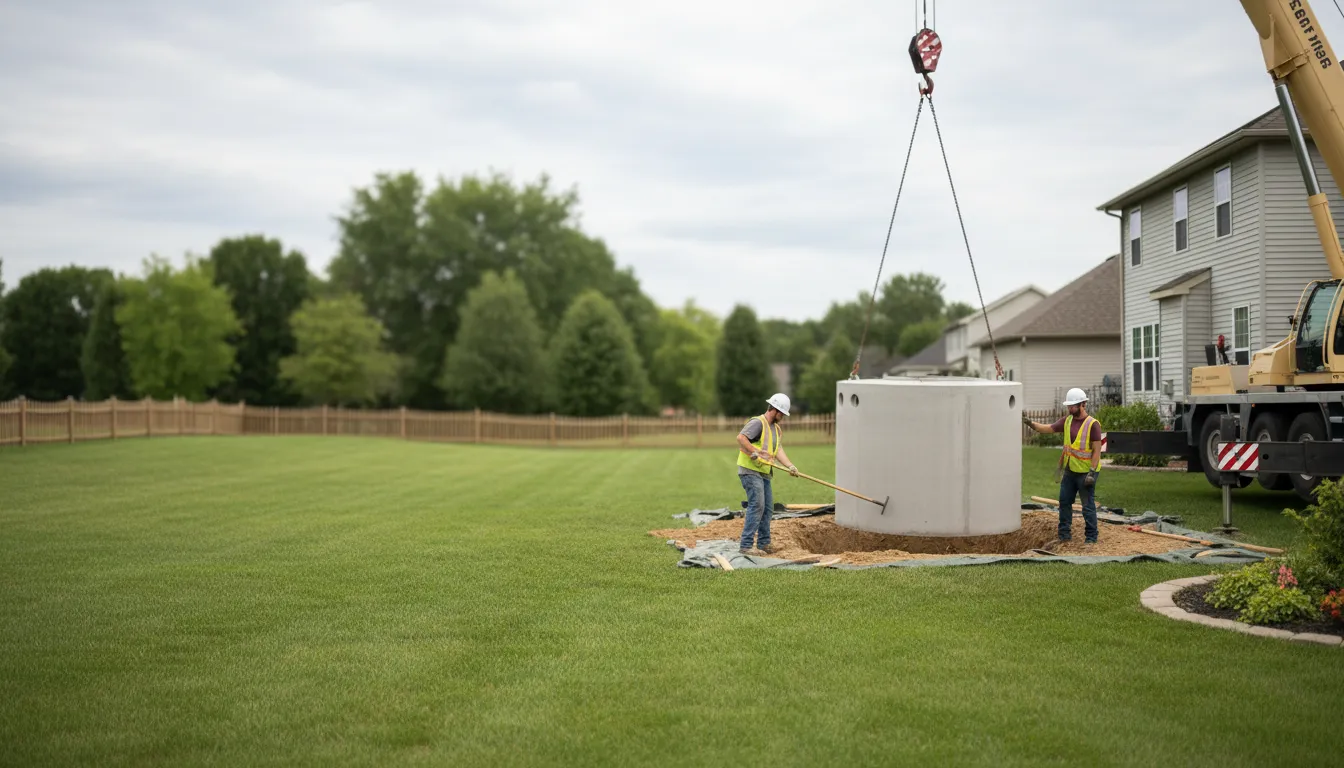
Find the Best Septic Tank Installation & Replacement Contractors for Your Business
No obligation • Fast responses • Nationwide coverage

Why you can trust Septic Spot
Septic Spot is a leading United States resource for understanding and comparing septic services. Our editors review providers using consistent criteria and verify key business details. Listings and scores are independent, and companies cannot pay to influence our content.
Search providers near you
Top Septic Tank Installation & Replacement Contractors in Peachtree Corners, Georgia Ranked
Installing or replacing a septic system is a significant home improvement project that ensures the safe and efficient treatment of household wastewater. For homeowners in Peachtree Corners, navigating the local regulations, soil testing, and selection of a qualified installer is crucial for a successful and compliant system. This guide provides the essential information you need to understand the process, costs, and key considerations for septic tank installation and replacement in our community.
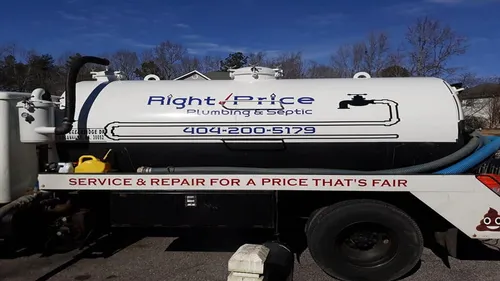
Right Price Plumbing and Septic
Atlanta, GA
Right Price Plumbing and Septic is a local, family-owned company serving Atlanta, GA, and surrounding counties. They provide a range of residential and commercial plumbing and septic services, including septic tank pumping, inspection, repair, and installation. The company also offers drain inspection, emergency plumbing, and water heater repair. They are known for their comprehensive service options and have experience handling various plumbing and septic system needs. Right Price Plumbing and Septic serves multiple counties in Georgia and offers financing options to customers.
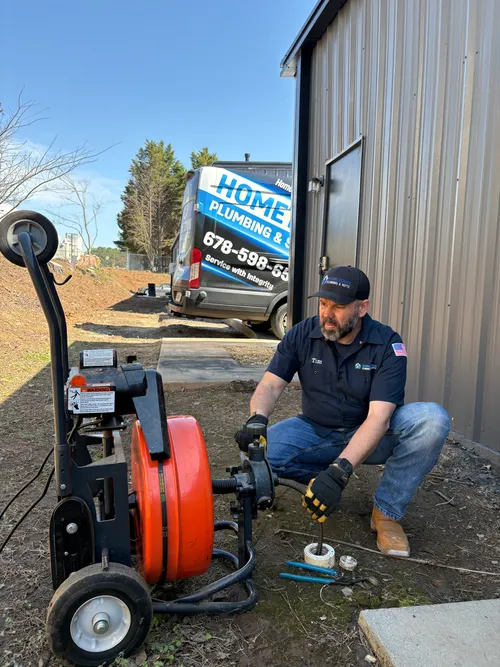
Hometown Plumbing and Septic
3375 Hutchinson Rd, Cumming, GA 30040
Hometown Plumbing and Septic provides professional septic services in South Fulton, GA, and the surrounding Metro Atlanta and North Georgia areas. They specialize in septic tank pumping, inspections, repairs, and complete system replacements for both residential and commercial properties. Their services also include drain field repair and lift station maintenance. With decades of experience and advanced equipment, they handle complex septic system issues with precision. They serve multiple counties including Barrow, Cherokee, Cobb, and others, offering preventative maintenance to help avoid emergency repairs.
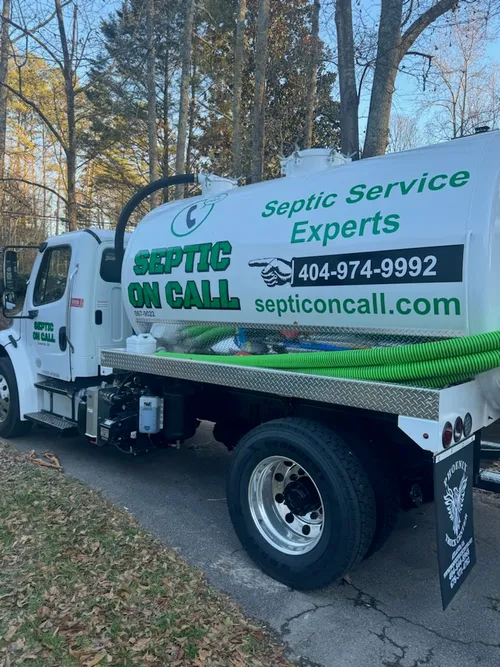
Septic On Call
2180 Satellite Blvd NW #400, Duluth, GA 30097
Septic On Call is a septic tank service provider based in Atlanta, GA. The company offers a range of services including septic tank pumping, inspections, repairs, and installation of septic tanks and drainfields. They provide thorough cleaning and maintenance to help prevent costly repairs and ensure proper system function. Septic On Call also specializes in diagnosing and repairing septic system issues, from minor leaks to major damage. The company offers 24/7 emergency services for septic tank problems and backups, responding quickly to urgent repair needs.
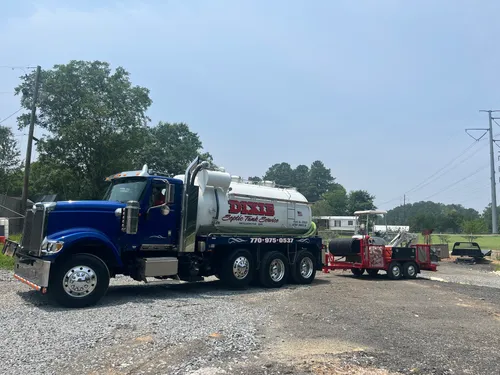
Dixie Septic Tank Service
4400 Pecan Ln SE, Acworth, GA 30102
Dixie Septic Tank Service is a family-owned business providing full-service septic solutions in South Fulton, GA. They offer septic tank pumping, installation, repair, and maintenance for both residential and commercial properties. Known for their transparent pricing and thorough workmanship, Dixie Septic has built a strong reputation through word-of-mouth referrals and long-term customer relationships. Their team also provides free second opinions on quotes from other companies, helping clients make informed decisions about their septic systems.
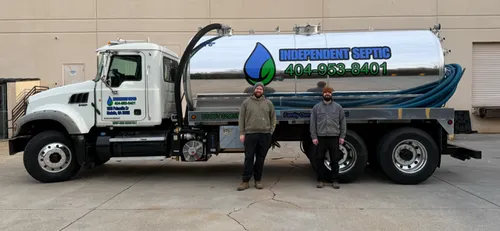
Independent Septic and Sewer LLC
Atlanta, GA
Independent Septic and Sewer LLC is a family-owned business serving Atlanta, GA, and surrounding counties. They provide septic tank pumping, cleaning, inspection, repair, and installation services for residential and commercial properties. With over 20 years of experience, the company offers expertise in diagnosing and repairing septic system issues, including drain field repairs and sewer line maintenance. They also provide a 10-year warranty on repairs and handle all necessary permits and building code requirements. Their services include thorough septic tank pumping that removes both liquids and solids, as well as hydro jetting and camera inspections when needed.
Understanding the Septic System Installation Process
The journey to a new septic system in Gwinnett County begins long before the first shovel hits the ground. It's a multi-step process governed by state and local health codes designed to protect groundwater and public health. The core steps involve site evaluation, permitting, professional installation, and final inspection. Each phase is critical, and skipping or rushing any step can lead to system failure, environmental contamination, and costly repairs down the line. Understanding this workflow helps homeowners manage expectations and work effectively with their chosen septic contractor.
Step 1: The Critical Site Evaluation and Soil Test
Before any plans are drawn, a certified professional must conduct a thorough site evaluation. This is not a mere formality; it determines the very feasibility and design of your septic system. The evaluation focuses on the soil's ability to absorb and treat wastewater, known as its percolation rate or "perc" test 1.
- Soil Borings and Percolation Tests: A specialist will dig test pits or bore holes to examine soil layers, texture, and depth to bedrock or seasonal high groundwater. A percolation test measures how quickly water drains through the soil. These results dictate the size and type of drain field required.
- Site Characteristics: The evaluator will also note the property's slope, proximity to wells, streams, property lines, and structures. Georgia law mandates specific setbacks, such as septic tanks being at least 50 feet from any well.
This evaluation generates the official data needed for the permit application. A failed or poor perc test can limit options, potentially requiring a more advanced (and expensive) alternative system.
Step 2: Navigating Permits and Peachtree Corners Regulations
All new septic system installations and major replacements in Peachtree Corners require an approved construction permit. The permitting authority is typically the Gwinnett, Newton, and Rockdale (GNR) County Health Department's Environmental Health division, though the City of Peachtree Corners' Building Department may also be involved for certain aspects.
- Permit Application: The application process involves submitting detailed site plans, the soil evaluation report, and system design specifications. As of 2025, applications are often submitted through online portals like BS&A 2.
- Required Plans: Your application must include a House Location Plan, a grading plan, erosion control measures, and a detailed septic system design. All plans must comply with the Georgia State Minimum Standard Codes, which adopt the latest International Residential and Plumbing Codes (e.g., 2024 IRC/IPC as of 2026) 3.
- Permit Fees: Expect to pay between $150 and $500 in permit fees, which cover the plan review and subsequent inspections4.
Securing this permit is non-negotiable. Operating without one can result in fines and orders to remove a non-compliant system.
Step 3: Choosing Materials and System Design
With permit in hand, the physical installation can be planned in detail. Key decisions involve the tank material and the configuration of the drain field (leach field).
- Tank Materials: The two most common choices are concrete and plastic (polyethylene).
- Concrete Tanks: Highly durable and resistant to buoyancy in high groundwater, with a typical cost range of $1,800 to $5,000.
- Plastic Tanks: Lighter and easier to install, resistant to corrosion, but can be prone to damage during backfilling. They generally cost between $1,200 and $2,500.
- Drain Field Design: The size and layout of the leach field are directly determined by the soil test results and household wastewater flow. A standard gravity-fed trench system is common, but poor soil conditions may necessitate a pressure-dosed system, sand filter, or other alternative technology.
Find the perfect septic tank installation & replacement contractors for your needs
Get personalized recommendations and expert advice
Step 4: Professional Installation and Mandatory Inspections
Georgia law requires that septic system installers be certified by the Georgia Department of Public Health. Hiring a certified professional ensures the work meets code and protects your investment.
- The Installation: The crew will excavate the site, carefully set the tank, and construct the distribution box and drain field lines according to the approved plan. Proper backfilling with select material is critical to protect the pipes and tank.
- Pre-Cover Inspections: Before the tank and drain field are covered, a mandatory final inspection by the local health department must be scheduled and passed 5. This inspection verifies that the installation matches the permitted design and meets all code requirements. Never allow your contractor to backfill before this inspection is completed and approved.
Cost Breakdown for Septic System Installation
The total cost for a complete septic system installation in the Peachtree Corners area can vary widely based on system size, soil conditions, and material choices. For a standard residential system, homeowners should budget between $5,000 and $12,000 for a complete turnkey installation6.
Here's a more detailed breakdown of where those costs come from:
- Septic Tank: $1,200 - $5,000 (material-dependent)
- Drain / Leach Field: $2,000 - $6,000 (size and soil-dependent)
- Excavation & Labor: $1,500 - $4,000
- Permits & Design: $150 - $1,000 (includes soil test and engineering)
- Final Connection & Landscaping: $500 - $2,000
Factors that can increase cost include poor soil requiring an engineered alternative system, rocky terrain that complicates excavation, a high groundwater table, or a large home requiring a significantly oversized tank and field.
When is Septic Tank Replacement Necessary?
Understanding when to repair versus replace your existing septic system can save you thousands. Replacement is a major undertaking, but it's sometimes the only viable option.
- System Failure: Persistent surfacing of sewage effluent, soggy ground over the drain field, sewage backups into the home, and foul odors are clear signs of failure.
- Age: Most conventional septic systems have a lifespan of 20-40 years. If your system is approaching or exceeding this age and requiring frequent repairs, proactive replacement is wise.
- Property Changes: Adding bedrooms, a significant home expansion, or installing water-intensive appliances can exceed your existing system's design capacity, necessitating an upgrade.
- Regulatory Requirements: If you are selling your home, a failing inspection or a change in local codes may legally require you to replace the system to current standards7.
A replacement follows the same rigorous process as a new installation, including soil evaluation, permitting, and inspection. The existing system must be properly abandoned (often filled with sand or gravel) in accordance with health department rules.
Key Regulations and Requirements for Homeowners
Compliance with local and state regulations is not optional. Here are the most critical rules for Peachtree Corners homeowners:
- Certified Installers: You must hire a septic contractor certified by the Georgia Department of Public Health. Always verify certification before signing a contract 8.
- Minimum Setbacks: Systems must be located at least:
- Tank Sizing: Residential tanks are typically a minimum of 1,000 gallons, but the required size is calculated based on the number of bedrooms in the home11.
- Operation Permit: After passing final inspection, the health department will issue an Operation Permit for your new system. Maintaining this system according to guidelines (like regular pumping) is your responsibility as the homeowner.
Frequently asked questions
Sources
Footnotes
-
2026 Guide to Septic Tank Installation - https://dandhsepticservices.com/septic-tank-installation/ ↩
-
Residential Permitting Procedures - Peachtree Corners - https://peachtreecornersga.gov/DocumentCenter/View/204/Residential-Permitting-Procedures-PDF?bidId= ↩
-
Building & Permitting | Peachtree Corners, GA - https://www.peachtreecornersga.gov/191/Building-Permitting ↩
-
Understanding Septic Tank Permits and Regulations - https://westcoastsanitationinc.com/understanding-septic-tank-permits-and-regulations/ ↩
-
Georgia Septic System Guide: Regulations & Maintenance Tips - https://smartsepticpros.com/blog/georgia-septic-system-regulations/ ↩
-
Septic Tank Installation Cost in Georgia | Expert Guide - https://dandhsepticservices.com/septic-tank-installation-cost/ ↩
-
Complete Guide to Septic Inspection in Georgia - https://dandhsepticservices.com/septic-inspection-in-georgia/ ↩
-
Residential-Study-Guide.pdf - GNR Health - https://gnrhealth.com/wp-content/uploads/2012/01/Residential-Study-Guide.pdf ↩
-
Septic Systems | DeKalb Public Health - https://dekalbpublichealth.com/environmental-health/septic-systems/ ↩
-
Ga. Comp. R. & Regs. R. 511-3-1-.05 - Septic Tanks - https://www.law.cornell.edu/regulations/georgia/Ga-Comp-R-Regs-R-511-3-1-.05 ↩
-
Georgia Septic Tank Requirements | On-Site Sewage Management Systems - https://www.ntotank.com/blog/georgia-septic-tank-requirements ↩