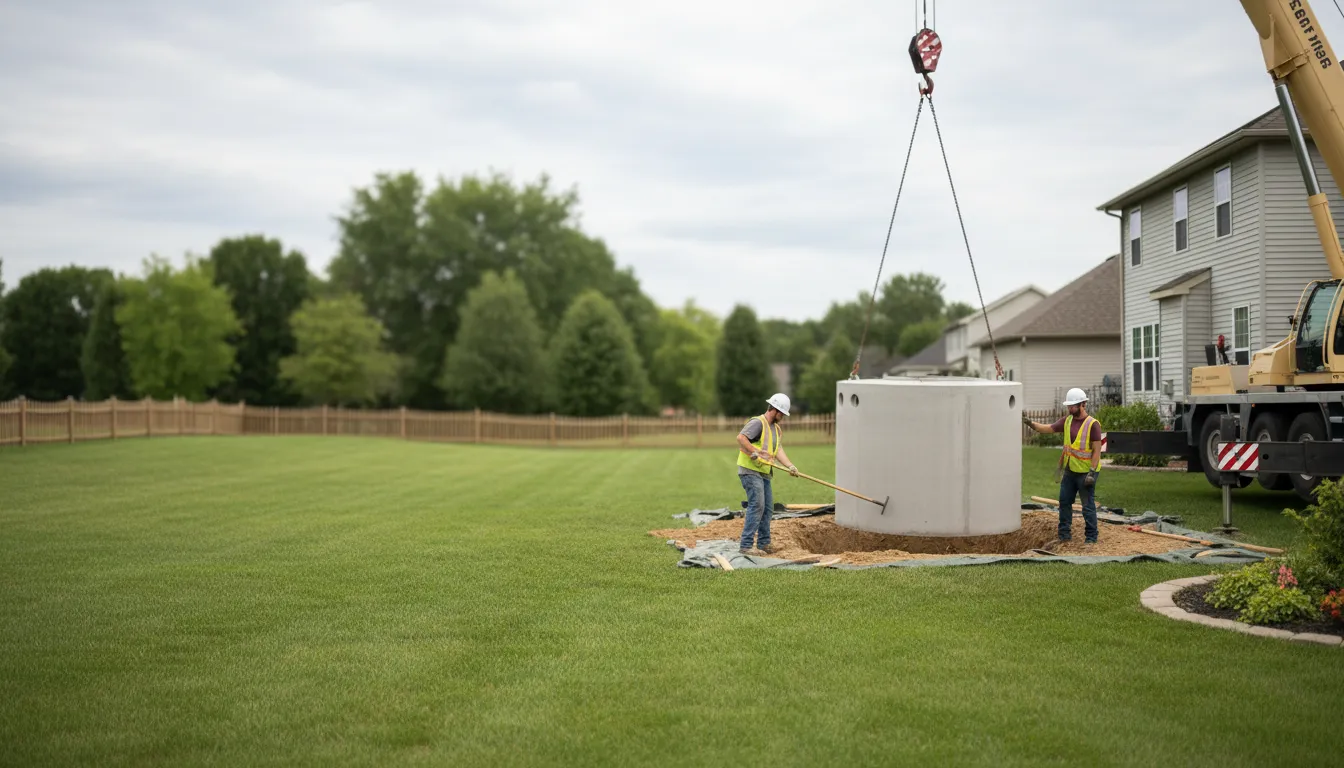
Find the Best Septic Tank Installation & Replacement Contractors for Your Business
No obligation • Fast responses • Nationwide coverage

Why you can trust Septic Spot
Septic Spot is a leading United States resource for understanding and comparing septic services. Our editors review providers using consistent criteria and verify key business details. Listings and scores are independent, and companies cannot pay to influence our content.
Search providers near you
Top Septic Tank Installation & Replacement Contractors in Smyrna, Georgia Ranked
Installing or replacing a septic system is a significant investment in your property's long-term functionality and environmental health. For homeowners in Smyrna, this process is governed by specific state and local regulations designed to protect groundwater and public health. Understanding the steps, from soil testing to final inspection, is crucial for a successful project. This guide will help you navigate the requirements and connect with licensed local professionals who can handle your septic tank installation or system replacement.
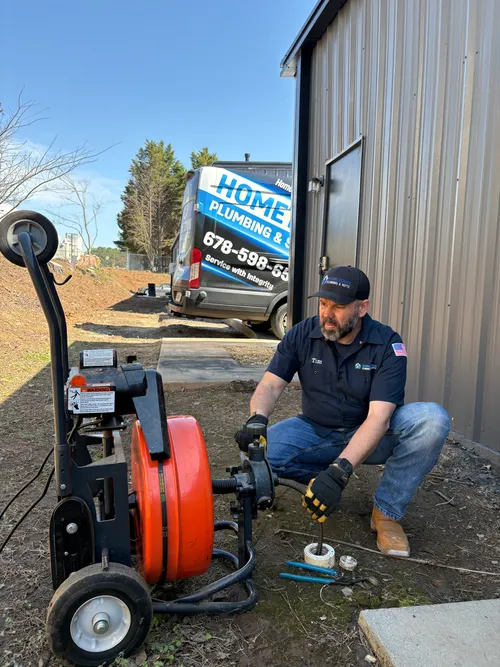
Hometown Plumbing and Septic
3375 Hutchinson Rd, Cumming, GA 30040
Hometown Plumbing and Septic provides professional septic services in South Fulton, GA, and the surrounding Metro Atlanta and North Georgia areas. They specialize in septic tank pumping, inspections, repairs, and complete system replacements for both residential and commercial properties. Their services also include drain field repair and lift station maintenance. With decades of experience and advanced equipment, they handle complex septic system issues with precision. They serve multiple counties including Barrow, Cherokee, Cobb, and others, offering preventative maintenance to help avoid emergency repairs.
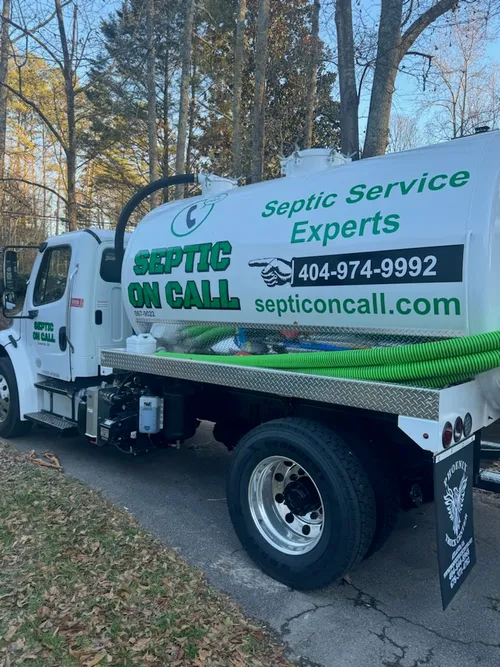
Septic On Call
2180 Satellite Blvd NW #400, Duluth, GA 30097
Septic On Call is a septic tank service provider based in Atlanta, GA. The company offers a range of services including septic tank pumping, inspections, repairs, and installation of septic tanks and drainfields. They provide thorough cleaning and maintenance to help prevent costly repairs and ensure proper system function. Septic On Call also specializes in diagnosing and repairing septic system issues, from minor leaks to major damage. The company offers 24/7 emergency services for septic tank problems and backups, responding quickly to urgent repair needs.
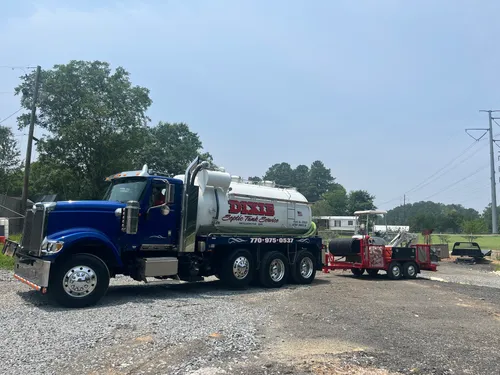
Dixie Septic Tank Service
4400 Pecan Ln SE, Acworth, GA 30102
Dixie Septic Tank Service is a family-owned business providing full-service septic solutions in South Fulton, GA. They offer septic tank pumping, installation, repair, and maintenance for both residential and commercial properties. Known for their transparent pricing and thorough workmanship, Dixie Septic has built a strong reputation through word-of-mouth referrals and long-term customer relationships. Their team also provides free second opinions on quotes from other companies, helping clients make informed decisions about their septic systems.
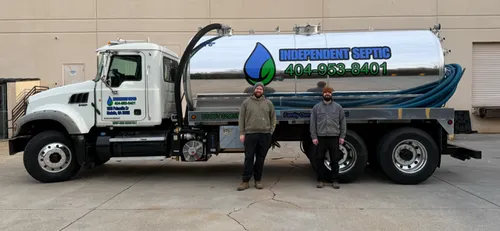
Independent Septic and Sewer LLC
Atlanta, GA
Independent Septic and Sewer LLC is a family-owned business serving Atlanta, GA, and surrounding counties. They provide septic tank pumping, cleaning, inspection, repair, and installation services for residential and commercial properties. With over 20 years of experience, the company offers expertise in diagnosing and repairing septic system issues, including drain field repairs and sewer line maintenance. They also provide a 10-year warranty on repairs and handle all necessary permits and building code requirements. Their services include thorough septic tank pumping that removes both liquids and solids, as well as hydro jetting and camera inspections when needed.
Easy Clean Septic
6520 Roswell Rd, Atlanta, GA 30328
Easy Clean Septic is a septic tank service provider based in Atlanta, GA. They offer septic tank pumping, inspection, installation, and repair services to maintain effective septic systems. The company uses modern tools and technology to address a range of septic issues, from minor repairs to full system replacements. Established in 2018 by a team with over 15 years of experience in the plumbing and septic industry, Easy Clean Septic emphasizes integrity and thorough workmanship. Their services include detailed inspections to detect potential problems early and comprehensive repairs to restore system function.
Understanding Tennessee's Septic System Regulations
In Tennessee, all subsurface sewage disposal systems (SSDS) require a state permit before any construction begins. The Tennessee Department of Environment & Conservation (TDEC) is the primary permitting authority, even for properties within Rutherford County like Smyrna 1. This statewide framework ensures consistent standards for wastewater treatment and environmental protection. The regulations are based on the potential occupancy of a home, which is why system design is tied to the number of bedrooms, not bathrooms. Hiring a state-licensed installer is not just a recommendation-it's a legal requirement, as homeowners are generally prohibited from installing their own systems 2.
The First Step: Site Evaluation and Soil Testing
Before you can even apply for a permit, a qualified professional must evaluate your property's suitability for an on-site wastewater system.
- The Percolation Test: The cornerstone of this evaluation is a soil percolation, or "perc," test. Conducted by a Tennessee-certified soil scientist, this test measures how quickly water drains through the soil on your lot. The results directly determine the size and type of drain field needed.
- Soil Mapping: The scientist will also create a detailed soil map of the proposed installation area. This mapping identifies soil types, textures, and any limiting factors like high bedrock or seasonal water tables.
- Determining System Type: The findings from these tests dictate whether a conventional septic system (a tank and a gravel-based trench drain field) is feasible or if an alternative system, such as a low-pressure pipe (LPP) or aerobic treatment unit (ATU), is necessary for proper treatment 3. If you're in an older Smyrna subdivision, a soil map may already be on file with the state, but new construction or a major replacement almost always requires new testing 4.
Navigating the Permit Application Process
Once you have your soil report, the formal permitting process with TDEC begins. This can take several weeks, so planning ahead is essential.
- Application Submission: You or your licensed installer will submit an application for a Subsurface Sewage Disposal System (SSDS) Construction Permit, typically through TDEC's online portal. The application includes the soil scientist's report and a proposed system design based on your home's bedroom count.
- Design and Plan Review: A TDEC representative reviews the submitted plans to ensure they comply with all technical regulations for sizing, setbacks from wells and property lines, and appropriate technology.
- Permit Fees: Official state fees are required. For a conventional residential system, the permit fee itself is approximately $400 for systems handling up to 1000 gallons per day. Additional construction inspection fees bring the total official costs typically between $500 and $700.
The Installation and Inspection Phases
After receiving your permit, your licensed contractor can begin the physical work. The installation will be followed by a series of mandatory state inspections.
- Site Inspection: A TDEC inspector visits to approve the staked-out layout of the tank and drain field before digging begins.
- Rough Inspection: Once the septic tank is set and the drain field trenches are dug but before they are backfilled, the inspector returns to check the installation's integrity and placement 5.
- Final Inspection: After the entire system is installed and covered, a final inspection ensures everything is complete and operational. Passing this inspection is necessary for the system to be officially approved for use 6.
Find the perfect septic tank installation & replacement contractors for your needs
Get personalized recommendations and expert advice
Cost Considerations for Septic Work in Smyrna
The total cost of a septic tank installation or full system replacement in the Smyrna area varies widely. It's influenced by soil conditions, the size of the home (bedroom count), the type of system required (conventional vs. alternative), and the contractor you choose.
- Official Costs: As noted, budget between $500 and $700 for state permit and inspection fees 7.
- Installation Costs: This is the most variable component. A straightforward conventional system installation might start in the range of $5,000 to $8,000. However, difficult soil, the need for an advanced alternative system, or a large home can push costs to $15,000 or more 8. Always get detailed, written estimates from multiple licensed installers.
When Replacement is Necessary
Septic systems have a finite lifespan, typically 20-40 years. Signs you may need a septic tank replacement or a completely new disposal field include persistent slow drains, sewage backups, soggy ground or foul odors in your yard, or failing a mandatory inspection during a property sale. Replacing a system follows the same permit and installation process as a new installation. It's also an opportunity to upgrade to a more modern, efficient system if your property conditions allow.
Researching Your Property's History
If you're unsure about your existing system's location, size, or permit status, you can research it. Tennessee provides a public online tool called the TDEC DataViewer where you may be able to find records related to your property's septic system 9. This can be invaluable information for planning maintenance, repairs, or understanding what you're dealing with in an older home.
Choosing a Licensed Installation Professional
Your choice of contractor is critical. Always verify that a professional holds a current Tennessee SSDS Installer license. A reputable installer will handle the permit application process, coordinate with the soil scientist and state inspectors, and provide clear contracts and warranties. They should be familiar with the specific soil challenges common in the Rutherford County area and be transparent about all costs involved.
Frequently asked questions
Sources
Footnotes
-
Subsurface Sewage Disposal System (SSDS) Permits - TN.gov - https://www.tn.gov/environment/permit-permits/water-permits1/septic-systems-permits.html ↩
-
Septic System Installation - Rocky Top Septic Service, llc - https://rockytopseptic.com/service/septic-system-installation/ ↩
-
How to Know if You Need a Septic System Permit - Pippin Home Designs - https://www.pippinhomedesigns.com/septic-system-permit/ ↩
-
I need a perc test! - Tennessee Land Development Services - https://www.tnlds.com/need-perc-test/ ↩
-
Septic Inspections Made Easy: What Every Contractor Needs to Know Before Breaking Ground (2025) - https://flengineeringllc.com/septic-inspections-guide-contractors-2025/ ↩
-
Homes on Septic Systems - Know the laws in Tennessee! - https://www.gregorygoff.com/homes-on-septic-systems-know-the-laws ↩
-
Septic System Construction Permit - TN.gov - https://www.tn.gov/environment/permit-permits/water-permits1/septic-systems-permits/ssp/permit-water-septic-system-construction-permit.html ↩
-
Madison County Health - https://www.madisoncountytn.gov/DocumentCenter/View/17018/Septic-System-Application ↩
-
SSDS FAQs - TN.gov - https://www.tn.gov/environment/permit-permits/water-permits1/septic-systems-permits/ssp/ssds-faqs.html ↩