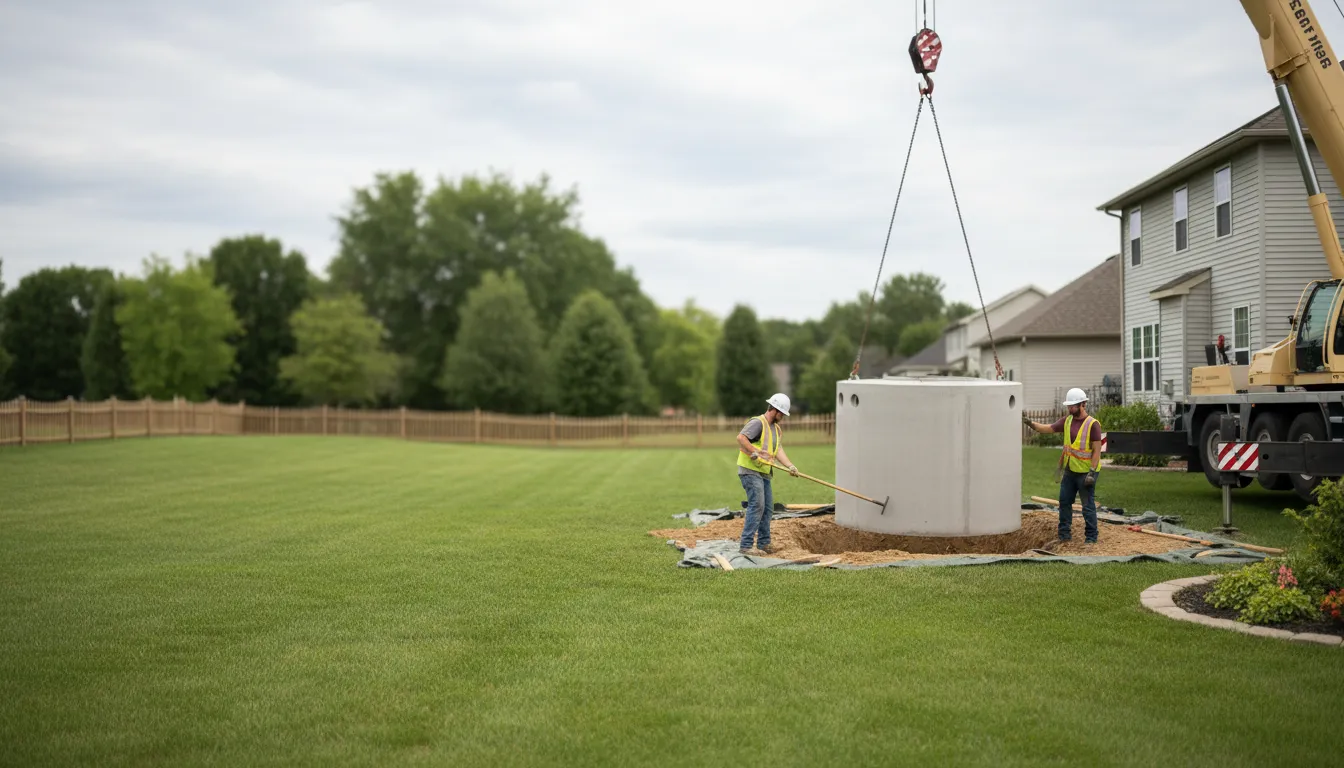
Find the Best Septic Tank Installation & Replacement Contractors for Your Business
No obligation • Fast responses • Nationwide coverage

Why you can trust Septic Spot
Septic Spot is a leading United States resource for understanding and comparing septic services. Our editors review providers using consistent criteria and verify key business details. Listings and scores are independent, and companies cannot pay to influence our content.
Search providers near you
Top Septic Tank Installation & Replacement Contractors in Stonecrest, Georgia Ranked
Installing or replacing a septic system is a significant investment in your property's long-term health and value. In Stonecrest, this process is governed by specific state and local health regulations to protect groundwater and ensure system reliability. This guide explains the key steps, costs, and requirements for septic system installation and replacement in the area, helping you understand what to expect and how to connect with qualified local professionals.
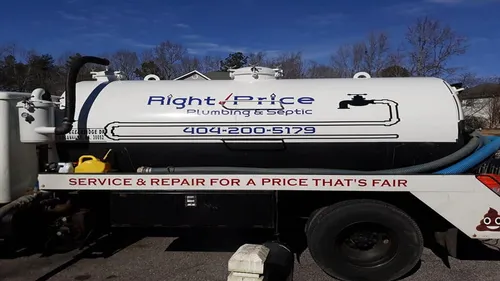
Right Price Plumbing and Septic
Atlanta, GA
Right Price Plumbing and Septic is a local, family-owned company serving Atlanta, GA, and surrounding counties. They provide a range of residential and commercial plumbing and septic services, including septic tank pumping, inspection, repair, and installation. The company also offers drain inspection, emergency plumbing, and water heater repair. They are known for their comprehensive service options and have experience handling various plumbing and septic system needs. Right Price Plumbing and Septic serves multiple counties in Georgia and offers financing options to customers.
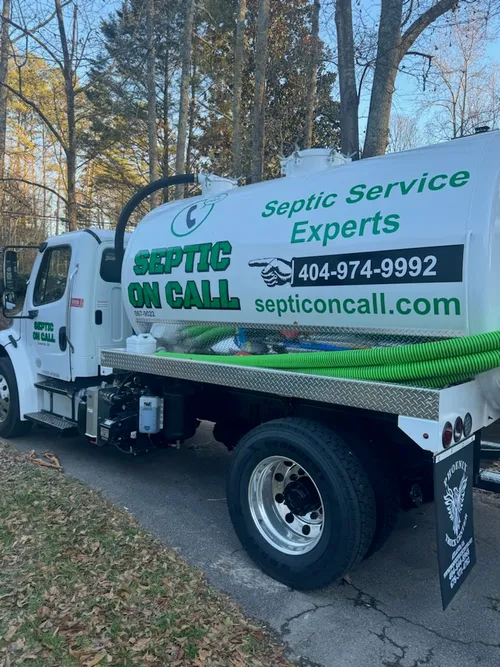
Septic On Call
2180 Satellite Blvd NW #400, Duluth, GA 30097
Septic On Call is a septic tank service provider based in Atlanta, GA. The company offers a range of services including septic tank pumping, inspections, repairs, and installation of septic tanks and drainfields. They provide thorough cleaning and maintenance to help prevent costly repairs and ensure proper system function. Septic On Call also specializes in diagnosing and repairing septic system issues, from minor leaks to major damage. The company offers 24/7 emergency services for septic tank problems and backups, responding quickly to urgent repair needs.
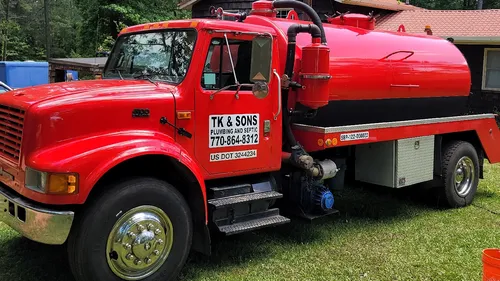
TK & Sons Plumbing and Septic
1370 GA-212, Conyers, GA 30094
TK & Sons Plumbing and Septic is a plumbing and septic service provider based in Atlanta, GA. They offer residential and commercial plumbing, septic system installation, pumping, maintenance, and repair services. The company also provides water well installation and hydro-jetting to clear clogs. With over 25 years of experience serving the East Atlanta Metro area, TK & Sons delivers comprehensive solutions including 24/7 emergency plumbing and septic services.
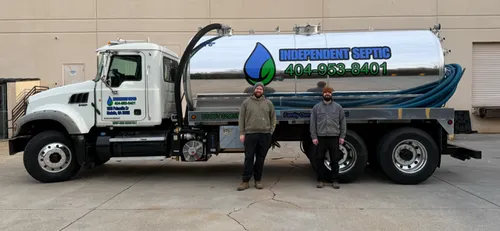
Independent Septic and Sewer LLC
Atlanta, GA
Independent Septic and Sewer LLC is a family-owned business serving Atlanta, GA, and surrounding counties. They provide septic tank pumping, cleaning, inspection, repair, and installation services for residential and commercial properties. With over 20 years of experience, the company offers expertise in diagnosing and repairing septic system issues, including drain field repairs and sewer line maintenance. They also provide a 10-year warranty on repairs and handle all necessary permits and building code requirements. Their services include thorough septic tank pumping that removes both liquids and solids, as well as hydro jetting and camera inspections when needed.
Easy Clean Septic
6520 Roswell Rd, Atlanta, GA 30328
Easy Clean Septic is a septic tank service provider based in Atlanta, GA. They offer septic tank pumping, inspection, installation, and repair services to maintain effective septic systems. The company uses modern tools and technology to address a range of septic issues, from minor repairs to full system replacements. Established in 2018 by a team with over 15 years of experience in the plumbing and septic industry, Easy Clean Septic emphasizes integrity and thorough workmanship. Their services include detailed inspections to detect potential problems early and comprehensive repairs to restore system function.
Understanding the Septic System Installation Process
The journey to a new septic system or a full septic tank replacement in Stonecrest follows a defined path regulated by the GNR Public Health District (Gwinnett, Newton, Rockdale). It begins long before any digging starts. The process is designed to ensure the chosen site and system design are suitable for your specific soil conditions and property layout, safeguarding both your home and the community's environment.
A successful installation hinges on two critical, upfront steps: the site evaluation and the soil analysis. Skipping or rushing these can lead to costly failures or permit denials.
Step 1: Site Evaluation & Soil Testing (The Perc Test)
The most crucial technical requirement is a certified soil analysis, often called a percolation or "perc" test. Georgia regulations require a Level 3 or Level 4 soil report conducted by a licensed soil scientist or geologist. This test determines the soil's absorption rate-how quickly water drains through it-which dictates the size and type of drain field needed.
- What it involves: The professional will dig several deep observation pits across your proposed drain field area to evaluate soil depth, texture, structure, and the seasonal high water table.
- Why it matters: The results confirm whether the land can support a standard, conventional septic system or if you'll need a more complex (and expensive) engineered or aerobic treatment system. Poor drainage due to heavy clay, shallow bedrock, or a high water table will fail a standard test 1.
- Cost: Soil testing in Georgia typically ranges from $150 to $3,000, with the price varying based on property acreage and complexity 2.
Step 2: Securing Your Permit from GNR Health
With a passing soil report in hand, you can apply for a Residential Septic System Permit from GNR Health. The permit application is detailed and requires specific documentation:
- Site Plan: A drawing showing the proposed tank and drain field location, your home, well, property lines, and any water bodies.
- Floor Plan: Used to determine the number of bedrooms, which influences the required system capacity.
- Level 3 Soil Report: The official document from your soil scientist.
- Application Forms: Completed Residential Septic System Permit Application 3.
Key regulations enforced by GNR Health include minimum setbacks: systems must generally be at least 50 feet from wells or springs, 25 feet from streams or ponds, and 10 feet from property lines 4. The permit will also specify the minimum tank size, which is often 1,000 gallons for a conventional residential system.
Costs for Septic System Installation and Replacement
Budgeting for a septic system requires considering several variables. Prices in Stonecrest can vary widely based on soil conditions, system type, tank size, and property accessibility.
- Standard System Replacement (Tank-Only): If you're replacing an existing tank but reusing a functional drain field, costs generally range from $3,500 to $8,500 5.
- Complete New System Installation (Tank & Drain Field): For a brand-new conventional septic system on a property with suitable soil, expect to invest between $5,000 and $12,000.
- Engineered or Alternative Systems: If your soil fails the standard perc test, you may need a mounded, aerobic treatment unit (ATU), or other advanced system. These involve pumps, additional tanks, and more complex designs, with costs starting around $15,000 and often exceeding $50,000 6 7.
- Soft Costs (Permits & Testing): Remember to budget an additional $1,500 to $5,000 to cover the soil test, permit fees, and required inspections 8.
Find the perfect septic tank installation & replacement contractors for your needs
Get personalized recommendations and expert advice
The Role of a Licensed Septic Contractor
All septic system construction in Georgia must be performed by a state-licensed septic tank contractor, unless the homeowner is doing the work on their owner-occupied primary residence and obtains the permit themselves 9. Hiring a licensed professional is strongly recommended. They understand the local codes, can help navigate the permit process, and ensure the installation meets all specifications, which is vital for passing the final inspection.
A reputable installer will handle the excavation, proper placement of the tank (often concrete or plastic), construction of the distribution box and drain field trenches with correct gravel and piping, and final grading.
The Critical Installation Inspection
Before your newly installed tank and drain field are backfilled (covered with soil), a final inspection by a GNR Health official is mandatory 10 11. The inspector will verify that the installed system matches the approved permit plans regarding tank size, pipe placement, trench depth, and overall construction quality. Passing this inspection is required to close the permit and legally put your system into operation. Failing inspection can mean costly re-excavation and corrections.
Maintaining Your New Septic Investment
Once your new system is installed, proper maintenance is key to a long lifespan (often 25-40 years). This includes regular pumping every 3-5 years, conserving water to avoid overloading the drain field, and avoiding flushing harmful chemicals or non-biodegradable materials. Protecting your drain field from compaction by vehicles or heavy structures is also crucial.
Choosing the Right System for Your Stonecrest Property
The "right" system is determined almost entirely by your soil report and property layout.
- Conventional Gravity System: The most common and affordable option if soil conditions allow. It relies on gravity to move effluent from the tank to the drain field.
- Chamber System: Uses plastic chambers in the drain field instead of gravel and pipe, which can be easier to install and provides more storage volume in the trench.
- Aerobic Treatment Unit (ATU): An engineered system that uses oxygen to break down waste more thoroughly, producing a higher-quality effluent. Often required for poor soils or smaller lots.
- Mound System: An engineered system where a sand mound is constructed above the natural soil to provide a suitable drain field area when native soil is too shallow or drains poorly.
Understanding the requirements and process for septic tank installation and septic system replacement in Stonecrest empowers you as a homeowner. By ensuring proper soil testing, permitting, and professional installation, you secure a reliable wastewater solution for your home for decades to come.
Frequently asked questions
Sources
Footnotes
-
Perc Test Cost | Septic Perc Test Cost - https://www.fixr.com/costs/perc-test ↩
-
How Much Does a Perc Test Cost? [2026 Data] | Angi - https://www.angi.com/articles/perc-test-cost.htm ↩
-
Residential Septic System Permit Application - GNR Health - https://www.gnrhealth.com/wp-content/uploads/2022/03/07.-GNR-Residential-Septic-System-Addition-Permit-App-and-Reqs-Rev.-03.28.2022.pdf ↩
-
Septic Drain Field Installation Guide GA: 7 Key Steps - https://dandhsepticservices.com/septic-drain-field-installation/ ↩
-
Cost to Install a Septic System - https://www.scorpionsepticservices.com/blog/how-much-does-it-cost-to-install-a-septic-system ↩
-
Complete Guide to Septic Inspection in Georgia - https://dandhsepticservices.com/septic-inspection-in-georgia/ ↩
-
Perc Testing and Soil Testing - What You Need to Know - https://buildingadvisor.com/buying-land/septic-systems/soil-and-perc-testing/ ↩
-
Septic Tank Installation Cost in Georgia | Expert Guide - https://dandhsepticservices.com/septic-tank-installation-cost/ ↩
-
Georgia Septic License & Certification | 2024 Contractor Guide - https://www.servicetitan.com/licensing/septic/georgia ↩
-
Georgia Septic Tank Requirements | On-Site Sewage ... - https://www.ntotank.com/blog/georgia-septic-tank-requirements ↩
-
Residential-Study-Guide.pdf - GNR Health - https://gnrhealth.com/wp-content/uploads/2012/01/Residential-Study-Guide.pdf ↩