Find the Best Septic Tank Installation & Replacement Contractors for Your Business
No obligation • Fast responses • Nationwide coverage

Why you can trust Septic Spot
Septic Spot is a leading United States resource for understanding and comparing septic services. Our editors review providers using consistent criteria and verify key business details. Listings and scores are independent, and companies cannot pay to influence our content.
Search providers near you
Top Septic Tank Installation & Replacement Contractors in Warner Robins, Georgia Ranked
Installing or replacing a septic system is a significant home infrastructure project that ensures the safe and efficient treatment of household wastewater. In Warner Robins, this process is governed by specific state and local health regulations designed to protect groundwater and public health. This guide explains the essential steps, costs, and local requirements for septic system work, helping you understand what to expect and how to connect with qualified, certified professionals in the area.
Bull-Shark Septic
Atlanta, GA
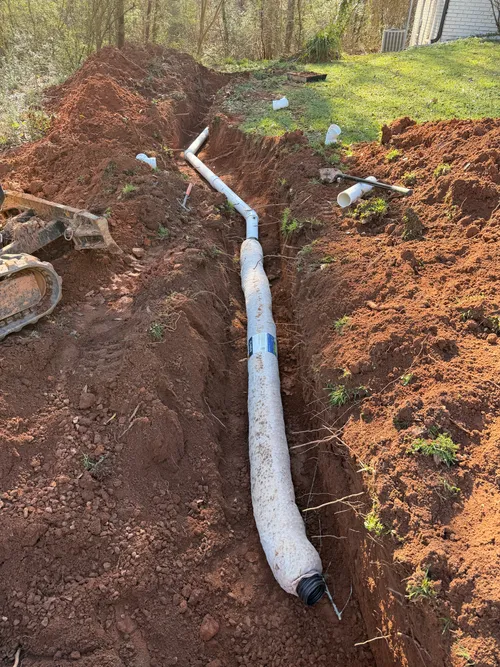
Bull-Shark Septic is a locally owned septic system specialist based in Atlanta, GA, serving all of North Georgia. They offer a full range of septic services including drainage, maintenance, repairs, and full septic tank installations. The company is fully bonded and insured, with a certified professional crew committed to meeting industry standards on every job. Bull-Shark Septic serves multiple counties within a 90-mile radius of Atlanta, including Clayton, Henry, Rockdale, and others.
PumpIT Solutions -Septic & Sewer-
Atlanta, GA
PumpIT Solutions -Septic & Sewer- is a family-owned septic service provider based in Oxford, GA, serving Atlanta and all of Georgia. They offer a full range of septic services including tank pumping, repairs, new installations, lift station services, and high-pressure hydro jetting to maintain and restore septic system function. With over 21 years of experience, their OSHA-certified team uses modern equipment to deliver thorough and safe septic care. They also provide emergency services available 24/7 to address urgent septic issues promptly.

Mr. Rooter Plumbing of Middle Georgia
1077 Parkway Dr Suite A, Macon, GA 31220
Mr. Rooter Plumbing of Middle Georgia provides plumbing and septic services in Macon, GA. Their licensed and insured plumbers handle septic tank pumping and installation along with a wide range of plumbing repairs and maintenance. The company offers specialized capabilities such as hydro jetting, trenchless sewer line repair, and video camera inspection. Established since 1970, Mr. Rooter Plumbing has decades of experience serving residential and commercial customers. They also provide emergency plumbing services available 24/7 for urgent needs.
Underground Septic Services, LLC
2014 Riverside Dr Suite 2G, Macon, GA 31204
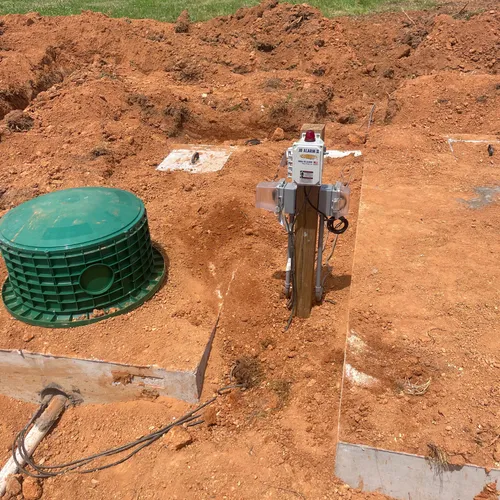
Underground Septic Services, LLC provides septic tank pumping, repair, and installation services in Macon, GA. The company serves a wide area including Bibb County, Jackson, Warner Robins, and several surrounding communities. They offer complete septic system solutions and provide warranties on their work.
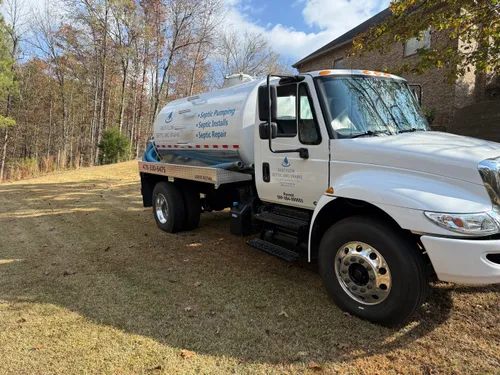
Fast Flow Septic and Drains
3730 Upper River Rd, Macon, GA 31211
Fast Flow Septic and Drains is a family-owned septic service provider located in Macon, GA. They offer a range of services including septic tank installation, pumping, inspections, repairs, and plumbing solutions for both residential and commercial properties. With 10 years of experience, the company emphasizes honest communication and thorough system assessments to ensure long-term performance. They also provide 24/7 emergency septic services to address urgent issues promptly and without hidden fees.
Understanding Septic System Basics
A septic system, or on-site sewage management system, is a self-contained wastewater treatment solution for properties not connected to a municipal sewer line. The system typically consists of a large underground tank and a drain field (also called a leach field or absorption field). Wastewater from your home flows into the tank, where solids settle and begin to decompose. The clarified liquid then exits into the drain field, where it percolates through the soil for final natural treatment.
In Warner Robins and throughout Georgia, these systems are not a one-size-fits-all solution. Their design is heavily dependent on the specific conditions of your property, particularly the soil. A properly designed and installed system is crucial for preventing contamination, avoiding costly repairs, and ensuring the long-term functionality of your home's plumbing.
The Regulatory Landscape in Georgia and Warner Robins
All septic system installation and major replacement work in Warner Robins must comply with Georgia State Board of Health Rules, specifically Chapter 511-3-1: On-Site Sewage Management Systems. Enforcement and permitting are handled at the county level by the Houston County Environmental Health Department.
A key rule is that all installers must be certified by the Georgia Department of Public Health 1. Hiring a certified professional is not just a recommendation-it's a legal requirement for obtaining the necessary permits. These regulations cover everything from system design and tank size to setback distances from wells, property lines, and water bodies.
Mandatory Permit Process
You cannot legally begin digging for a new septic system without a construction permit from the local health department. The permit application process is your first official step and involves submitting detailed plans for review. This ensures the proposed system meets all health and environmental standards before any investment in materials or labor is made.
The Critical First Step: Site Evaluation and Soil Testing
The cornerstone of any septic system design is the soil evaluation, commonly known as a percolation or "perc" test. This test is mandatory in Georgia and determines how quickly water drains through the soil on your property.
- Purpose: The perc test measures the soil's absorption rate, which directly dictates the size and type of drain field required2. Slow-draining soils need a larger field, while very fast-draining soils may pose a contamination risk.
- Process: A certified evaluator digs test pits or bores holes to examine soil composition, texture, and depth to seasonal groundwater or restrictive layers like bedrock3. The results of this evaluation are submitted to the health department as part of your permit application.
Skipping or failing a proper site evaluation can lead to system failure, environmental hazards, and legal issues. It is the most important factor in designing a system that will work for decades.
Designing Your System: Tanks, Fields, and Setbacks
Using the data from the soil evaluation, a certified designer or installer will create a system plan that complies with Georgia regulations.
- Tank Requirements: For a standard residential system, Georgia regulations typically require a minimum 1,000-gallon septic tank. The tank material is often precast concrete, which is durable and common in the region, though other materials may be used. The tank must be properly sized for the home's number of bedrooms (a proxy for daily wastewater flow).
- Drain Field Design: This is the area where treated wastewater is dispersed into the soil. Its size and configuration (trenches, beds, or chambers) are calculated based on the perc test results and daily flow estimates.
- Setback Distances: State rules specify minimum distances the system must be from other features. Common examples include being at least 50 feet from a water well and 10 feet from property lines4 5. Your installer will plot these on the site plan.
Find the perfect septic tank installation & replacement contractors for your needs
Get personalized recommendations and expert advice
The Installation Process: From Groundbreaking to Final Cover
Once permits are secured, the physical installation begins. This is a multi-stage process with required inspections at key points.
- Site Preparation & Excavation: The installer marks out the exact locations for the tank and drain field based on the approved plan. Heavy equipment is used to excavate the holes.
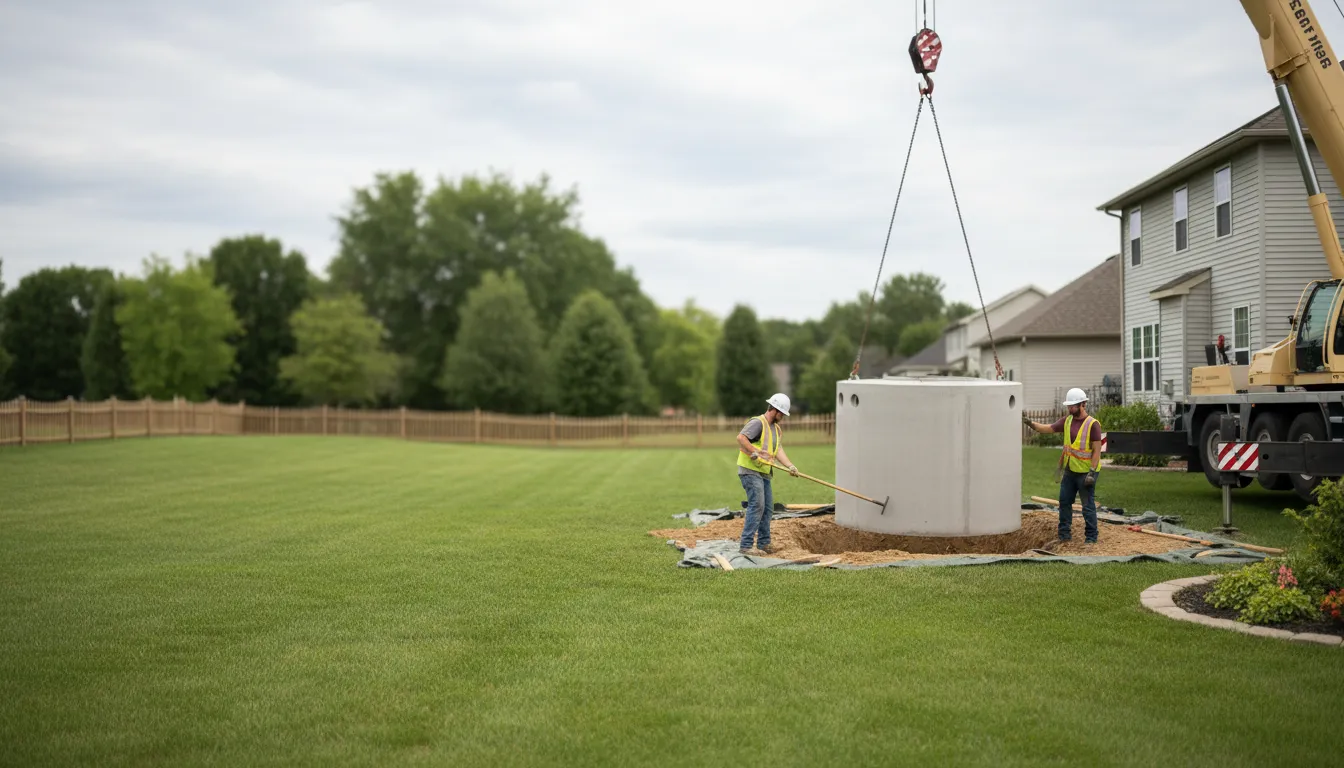
- Tank Placement and Plumbing: The septic tank is carefully lowered into its excavation, leveled, and connected to the main sewer line from your house. Inlet and outlet baffles are installed inside the tank.
- Drain Field Construction: Trenches are dug for the drain field lines. A layer of gravel is placed, and perforated pipes (or modern chamber systems) are laid out according to the design. These pipes are then covered with more gravel and a protective geotextile fabric.
- Critical Inspections: Before any components are buried, you must call for a health department inspection6 7. An inspector will visit to verify:
- The tank is properly set and watertight.
- All plumbing connections are correct.
- The drain field construction matches the approved design.
- All setback distances are met. Only after this "open trench" inspection passes can you proceed.
- Backfilling and Final Approval: Once approved, the tank and drain field are carefully backfilled with soil. A final inspection may be required after backfilling is complete to grant final approval for the system to be placed into service8.
Understanding Costs for Septic System Installation in Warner Robins
The total cost for a new septic system installation in the Warner Robins area is highly variable but typically falls within a range of $5,000 to $12,000 for a standard residential system. This wide range accounts for differences in soil conditions, lot size, system size, and materials. The total project cost generally breaks down into several components:
- Permits and Testing: The site evaluation (perc test) and permit fees can cost between $500 and $1,200.
- Tank and Materials: A standard concrete septic tank can range from $1,800 to $5,000, depending on size and specifications.
- Labor and Installation: Excavation, placement, and plumbing labor typically add $2,000 to $5,000 to the project.
- Drain Field: The construction of the leach field is often a major cost driver, ranging from $2,000 to $6,000 based on its size and the materials used (gravel, chambers, etc.)9.
A system replacement often costs as much as or more than a new installation, as it may involve additional costs for locating and removing the old system, disposing of waste, and potentially more complex site work.
Maintaining Your New System
After a significant investment in a new septic tank installation, protecting it is key. Proper maintenance extends the system's life and prevents premature failure. Key practices include:
- Having the tank pumped by a licensed professional every 3-5 years, depending on usage.
- Conserving water to avoid overloading the drain field.
- Never flushing harmful chemicals, grease, or non-biodegradable items.
- Keeping vehicles and heavy structures off the drain field area.
- Divecting roof drains and surface water away from the system.
Resources like the homeowner's guide from the Metropolitan North Georgia Water Planning District offer excellent general maintenance tips10, though specific pumping records and maintenance agreements are managed locally.
Frequently asked questions
Sources
Footnotes
-
Residential-Study-Guide.pdf - GNR Health - https://gnrhealth.com/wp-content/uploads/2012/01/Residential-Study-Guide.pdf ↩
-
Perc Test for Septic System: A Complete Guide - https://landperc.com/perc-test-for-septic-system/ ↩
-
Georgia Septic System Guide: Regulations & Maintenance Tips - https://smartsepticpros.com/blog/georgia-septic-system-regulations/ ↩
-
Georgia Septic Tank Requirements | On-Site Sewage Management Systems - https://www.ntotank.com/blog/georgia-septic-tank-requirements ↩
-
Septic System Installation Checklist - https://www.mecindustries.com/morse-engineering-and-construction-industries/septic-system-installation-checklist ↩
-
Septic System Installation 101: How to Prepare - https://grumpspumps.com/septic-services/septic-system-installation-101-how-to-prepare/ ↩
-
Complete Septic System Installation: Process, Permits, And Pitfalls - https://www.theseptictankman.com/blog/complete-septic-system-installation-process-permits-and-pitfalls ↩
-
Septic Drain Field Installation Guide GA: 7 Key Steps - https://dandhsepticservices.com/septic-drain-field-installation/ ↩
-
Septic Tank Installation Cost in Georgia | Expert Guide - https://dandhsepticservices.com/septic-tank-installation-cost/ ↩
-
homeowner's guide - to septic system maintenance - https://northgeorgiawater.org/wp-content/uploads/2017/10/SepticTankKit-MNGWPD.pdf ↩