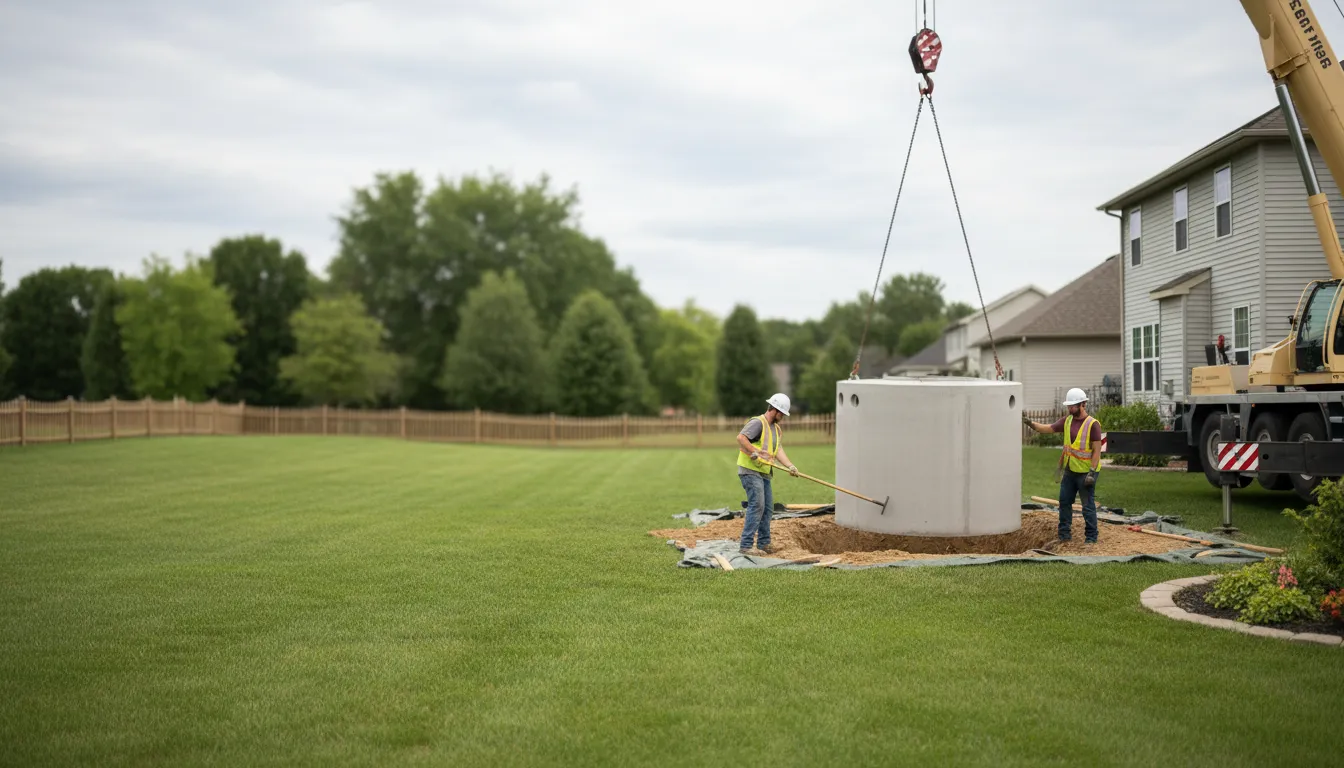
Find the Best Septic Tank Installation & Replacement Contractors for Your Business
No obligation • Fast responses • Nationwide coverage

Why you can trust Septic Spot
Septic Spot is a leading United States resource for understanding and comparing septic services. Our editors review providers using consistent criteria and verify key business details. Listings and scores are independent, and companies cannot pay to influence our content.
Search providers near you
Top Septic Tank Installation & Replacement Contractors in Beaverton, Oregon Ranked
Installing or replacing a septic system is a significant project that ensures your home's wastewater is safely and effectively managed. In Beaverton, this process is governed by specific state and county regulations to protect public health and the local environment. This guide explains the key steps, costs, and regulatory requirements for septic system installation and replacement, helping you understand what to expect and how to connect with qualified local professionals for your project.
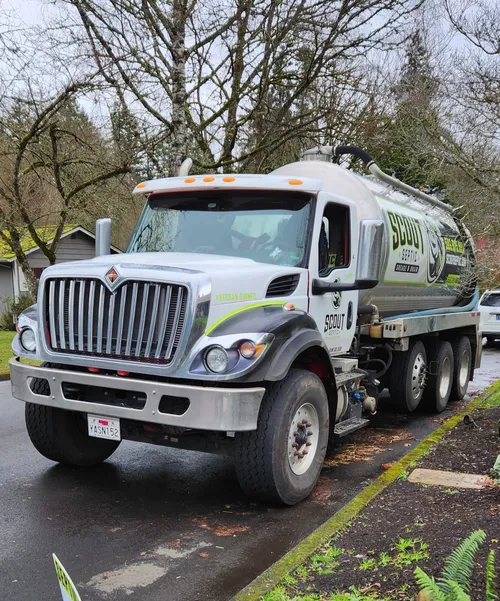
Scout Septic, Grease & Drain
15535 SE 287th Ave, Boring, OR 97009
Scout Septic, Grease & Drain provides septic tank pumping, inspection, repair, and installation services in Portland, OR. They also specialize in grease trap cleaning, pipe and drain cleaning including hydro jetting, as well as grading and excavation for residential and commercial properties. The company uses modern equipment and techniques to maintain and repair wastewater systems efficiently. Scout Septic offers 24/7 availability to address emergency needs and ensure continuous service.

Goodman Septic Services
1009 NE Harlow Rd, Troutdale, OR 97060
Goodman Septic Services provides septic tank pumping, inspection, repair, and installation services in Portland, OR. Serving the greater Portland metropolitan area, they offer comprehensive septic system maintenance and emergency support. Established in 1948, Goodman Septic Services has over 70 years of experience and is licensed by the Oregon Department of Environmental Quality. They emphasize proactive septic system upkeep to extend system life and prevent costly repairs.
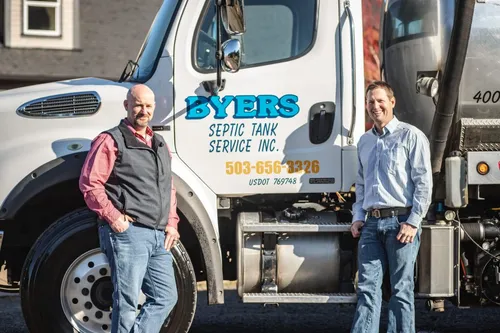
Byers Septic Tank Service
Portland, OR
Byers Septic Tank Service is a septic tank pumping and installation company based in Portland, OR. They provide septic tank pumping, new septic system installation, and drain field repair or replacement. The company offers same-day service in most cases and does not charge extra for mileage or after-hours work. Byers Septic Tank Service emphasizes honest and affordable septic services backed by years of experience.
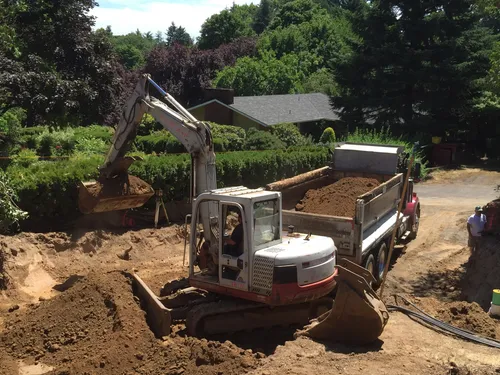
Precision Earthworks LLC
21150 SW Johnson St, Hillsboro, OR 97003
Precision Earthworks LLC is a septic system repair and installation contractor based in Portland, OR. They offer a range of excavation services including septic design, installation, and replacement, as well as drainage solutions tailored for the Pacific Northwest. With decades of experience, the company is skilled in diagnosing and managing excavation projects of various sizes. Their president, Ryan McCain, brings extensive expertise to each project, ensuring practical and effective solutions. Precision Earthworks also provides commercial and residential excavation services, including sewer repair and underground utilities.

Makana Trucking and Excavation, Inc.
34154 Bennett Rd, Warren, OR 97053
Makana Trucking and Excavation, Inc. is a family-owned septic company based in Warren, OR, serving clients in Vancouver, WA and nearby areas. They offer a full range of septic services including system installation, repairs, tank replacement, and inspections. Their team includes licensed installers and DEQ-certified inspectors who manage projects with attention to detail and compliance with local regulations. Founded by Matthew and Aletia Brown, the company brings decades of combined experience to each job. Makana Trucking and Excavation provides 24/7 emergency septic services to address urgent issues promptly.
Understanding the Septic System Installation Process
The journey to a new septic system in Washington County begins long before the excavator arrives. It's a multi-stage process designed to ensure the system is appropriate for your specific property and complies with all environmental regulations. The cornerstone of this process is the site evaluation, which determines the feasibility and design of your onsite sewage system.
A successful installation hinges on a favorable site evaluation conducted by Washington County Environmental Health. This evaluation includes a percolation (perc) test and soil analysis to assess the land's ability to absorb and treat wastewater. You'll need to provide at least two test pits, approximately 75 feet apart in the proposed drainfield area, allowing a licensed professional to examine the soil to a depth of about 8 feet for absorption characteristics 1 2 3. This step is non-negotiable; a construction permit cannot be issued without it.
Permit Requirements and Application
Virtually all septic work in Beaverton requires a permit from Washington County Environmental Health, adhering to Oregon Department of Environmental Quality (DEQ) regulations 4. Permits are necessary for new construction, system expansions, major alterations, and repairs.
The application is processed through the Oregon e-Permitting system, streamlining the submission for both homeowners and contractors 5. A completed application, including the site evaluation results and a detailed system design, is typically reviewed and a permit issued within about 20 days 6. It's crucial to note that the system must be installed by a DEQ-licensed installer, though homeowners can install their own system if they meet certain requirements 7.
Key Inspections and System Design
Once your permit is approved, installation can proceed, but it must be followed by critical inspections. A pre-cover inspection by a county Environmental Health Specialist is mandatory before any septic system components are buried. This ensures the installation matches the approved plans and meets all code requirements.
Your system's design will be based on the site evaluation. Oregon law often requires the designation of a replacement area-a reserved space on your property suitable for a full system replacement in case the original field fails 8. Furthermore, any modification to the approved design plans must be pre-approved by Washington County before implementation 8.
Find the perfect septic tank installation & replacement contractors for your needs
Get personalized recommendations and expert advice
Cost Considerations for Installation and Replacement
The cost of a septic system in the Beaverton area can vary widely based on soil conditions, system type, property accessibility, and tank size. Understanding the breakdown can help you budget effectively.
A complete standard residential system installation generally ranges between $5,000 and $15,000 or more 9 10. The tank itself is a major component, with individual tank costs typically ranging from $500 to $2,500 depending on material (concrete, plastic, or fiberglass) and capacity 10. On top of equipment and labor, you must factor in permit fees, which in Washington County can range from approximately $150 to $500 depending on the scope of the project 9.
When is System Replacement Necessary?
Replacing an existing septic system is a major undertaking often triggered by a system failure, which can manifest as sewage backups, soggy drain fields, or foul odors. Other reasons for replacement include home additions that increase wastewater flow beyond the system's capacity, or the desire to upgrade to a more advanced and efficient treatment technology.
The replacement process follows the same regulatory path as a new installation: site evaluation, permit application, and inspections. If your original permit included a designated replacement area, the process may be somewhat simplified, as that area has already been pre-approved for this purpose 11.
Choosing Materials and Advanced Systems
The choice of tank material impacts longevity and cost. Concrete tanks are durable and heavy, plastic tanks are resistant to corrosion and lighter, and fiberglass offers a middle ground. Your installer can recommend the best option for your soil conditions and budget.
For properties with challenging soils (e.g., high clay content or high water tables), a conventional gravity-fed system may not be possible. In these cases, advanced treatment systems like aerobic treatment units (ATUs) or mound systems may be necessary. These systems provide enhanced treatment and can be installed in areas unsuitable for conventional drainfields, though they come with higher installation costs and more ongoing maintenance requirements.
Maintaining Your New Septic System
Proper maintenance is essential to protect your investment and ensure the long-term functionality of your septic system. Regular pumping (typically every 3-5 years), mindful water usage, and avoiding flushing harmful chemicals or non-biodegradable materials are key. Keeping detailed records of inspections, pumping, and repairs is not only good practice but may also be required for compliance and is invaluable for future service.
Navigating the regulations for septic system work can be complex, but working with a licensed, experienced local professional is the best way to ensure a smooth process from site evaluation to final inspection.
Frequently asked questions
Sources
Footnotes
-
About Septic Systems : Residential Resources - Oregon.gov - https://www.oregon.gov/deq/residential/pages/onsite-about.aspx ↩
-
Installing Septics Procedures - Oregon.gov - https://www.oregon.gov/deq/FilterDocs/newsysinstprocs.pdf ↩
-
Oregon Septic System Requirements - Greenbar Excavation - https://greenbarexcavation.com/oregon-septic-system-requirements/ ↩
-
Department of Environmental Quality : Residential Septic Permitting - https://www.oregon.gov/deq/residential/pages/residentialseptic.aspx ↩
-
Onsite Sewage Permits | Washington County, OR - https://www.washingtoncountyor.gov/environmental-health/onsite-sewage-permits ↩
-
Procedures and Requirements for Installing a New Septic System - https://evogov.s3.amazonaws.com/143/media/164430.pdf ↩
-
Onsite Sewage | Washington County, OR - https://www.washingtoncountyor.gov/environmental-health/onsite-sewage ↩
-
REPAIR PERMIT FOR A SEPTIC SYSTEM PROCEDURE ... - https://www.washingtoncountyor.gov/hhs/documents/repair-permit-pack/download?inline ↩ ↩2
-
Understanding Septic Tank Permits and Regulations - https://westcoastsanitationinc.com/understanding-septic-tank-permits-and-regulations/ ↩ ↩2
-
How Much Does a Septic Tank Cost? - NerdWallet - https://www.nerdwallet.com/home-ownership/home-improvement/learn/septic-tank-cost ↩ ↩2
-
ALTERATION PERMIT FOR A SEPTIC SYSTEM PROCEDURE & ... - https://www.washingtoncountyor.gov/hhs/documents/alteration-perm-packet/download?inline ↩