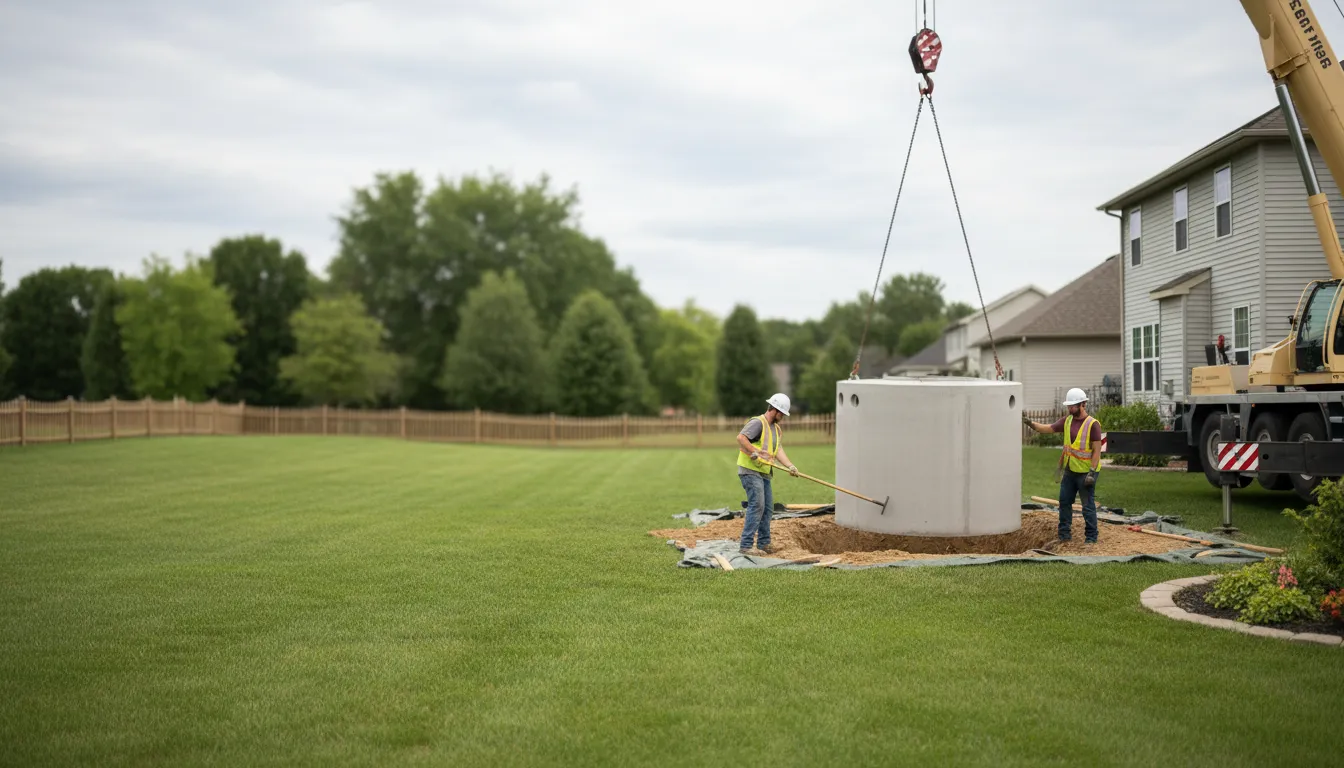
Find the Best Septic Tank Installation & Replacement Contractors for Your Business
No obligation • Fast responses • Nationwide coverage

Why you can trust Septic Spot
Septic Spot is a leading United States resource for understanding and comparing septic services. Our editors review providers using consistent criteria and verify key business details. Listings and scores are independent, and companies cannot pay to influence our content.
Search providers near you
Top Septic Tank Installation & Replacement Contractors in Eugene, Oregon Ranked
Installing or replacing a septic system is a significant investment in your property's long-term functionality and environmental health. A properly designed and permitted system protects local groundwater and ensures reliable wastewater treatment for your home. This guide outlines the essential steps, regulations, and considerations for septic system installation and replacement in Eugene and Lane County, helping you navigate the process and connect with qualified local professionals.
Roto-Rooter Plumbing & Water Cleanup
4048 W 1st Ave Unit B, Eugene, OR 97402
Roto-Rooter Plumbing & Water Cleanup in Eugene, OR provides a full range of plumbing services including septic tank pumping, repair, and installation. They offer 24/7 emergency plumbing and drain services for both residential and commercial customers. The company can pump out septic tanks and haul waste to approved facilities, as well as repair or replace damaged septic systems to maintain proper function. Additionally, they specialize in sump pump testing and installation, and water heater repair and installation.
Best Septic Tank Pumping
3555 Marcola Rd, Springfield, OR 97477
Best Septic Tank Pumping is a full-service septic company serving Eugene, OR, and surrounding areas including Springfield, Salem, and Florence. They offer a wide range of septic services such as routine maintenance, septic tank pumping, inspections, repairs, and installations. Their fleet includes vacuum trucks ranging from 1,000 to 4,200 gallons, enabling efficient pumping and thorough cleaning of septic tanks. The company is family-owned and emphasizes personalized service and attention to detail. They provide 24-hour emergency septic services to address urgent needs promptly.
Understanding the Septic System Installation Process
The journey to a new septic system in Oregon is a regulated, multi-step process designed to protect public health and the environment. It begins long before any excavation takes place. The cornerstone of the entire project is a state-mandated site evaluation, which determines the feasibility and design parameters for your system 1. This evaluation is not a simple check; it's a formal assessment conducted by a professional approved by the Oregon Department of Environmental Quality (DEQ).
Following a successful site evaluation, you must obtain a construction permit from Lane County's On-Site Wastewater services. This permit is your legal authorization to build the system according to the approved design. The installation itself must be performed by a licensed Sewage Disposal Service (SDS) contractor, with few exceptions for property owners 2. Finally, the system undergoes multiple inspections during and after construction to ensure it meets all code requirements before it can be put into service.
Step 1: The Critical Site Evaluation & Soil Test
The first and most crucial step is determining if your property can support a conventional septic system. This is done through a site evaluation, which includes digging and analyzing test pits.
- Test Pit Requirements: A DEQ-approved soil evaluator must dig at least two test pits on your property. These pits are typically 2 feet wide, 4 feet long, and a minimum of 5 feet deep. They must be located in the proposed drain field area.
- What's Being Assessed: The evaluator examines the soil texture, structure, and color to determine its percolation (perc) rate-how quickly water drains through it. They also check the depth to seasonal groundwater or bedrock 3. The results dictate the size and type of system your property requires.
- Outcome: If the soil drains adequately, a standard gravity-fed system may be approved. If drainage is poor or the water table is high, you will likely need a more complex (and costly) alternative system, such as a pressure-dosed or sand filter system 4.
Step 2: Securing Permits and Zoning Approval
With a favorable site evaluation report in hand, you can proceed to the permitting phase with Lane County.
- Land Use Compatibility Statement (LUCS): Before a construction permit is issued, you often need a LUCS from the county to confirm your proposed system complies with local zoning ordinances, including setbacks from property lines, wells, and waterways.
- Permit Application: You or your contractor will submit the official Site Evaluation Report, a detailed plot plan of your property showing the proposed system location, and the completed permit application to Lane County Public Works.
- Permit Issuance: Once approved, the construction permit is valid for one year. All work must be completed and pass final inspection within this timeframe.
Step 3: System Design and Installation
The system design is based directly on the site evaluation findings. Your licensed SDS contractor will prepare construction plans that specify the tank size, drain field layout, and all components.
- Standard Gravity Systems: These are the most common and least expensive option when soil conditions allow. Wastewater flows by gravity from the home to the septic tank and then out to a series of perforated pipes in a gravel-filled trench.
- Alternative Systems: For challenging sites, systems like pressure distribution (using a pump to evenly distribute effluent) or sand filters may be necessary. These systems enhance treatment and are required when a standard system would fail 5.
The actual installation involves careful excavation, placement of the septic tank and distribution box, and construction of the drain field. Critical inspections occur at this stage, most importantly the open trench inspection, where a county or DEQ inspector examines the laid pipes and components before they are covered with soil.
Find the perfect septic tank installation & replacement contractors for your needs
Get personalized recommendations and expert advice
Step 4: Inspections and Final Approval
Oregon law requires specific inspections to ensure the system is built to code. Missing an inspection can result in having to re-excavate work, leading to significant delays and costs.
- Open Trench Inspection: As mentioned, this is the key inspection during construction. The inspector verifies pipe placement, gravel depth, and overall construction quality before the drain field is buried 6.
- Final Inspection: After the system is fully installed and the landscape is restored, a final inspection is conducted. The inspector ensures the installation matches the approved plans and that all components, like tank lids and risers, are properly accessible 7. Only after passing this inspection is your system legally approved for use.
Understanding Costs for Septic System Work
The total cost for a new septic system in the Eugene area varies widely based on system type, soil conditions, and property characteristics. It's important to budget for both the physical installation and the required professional services and permits.
- Standard Gravity System Installation: For a suitable site, you can expect costs typically ranging from $5,000 to $10,000 for a complete installation.
- Alternative System Installation: Properties requiring a pressure-dosed, sand filter, or other engineered system face significantly higher costs, often ranging from $15,000 to $30,000 or more 8 9.
- Additional Costs: Remember to factor in the fees for the site evaluation and soil test, county permit applications, and DEQ fees. These can add several thousand dollars to the project total 10. Some homeowners may qualify for grant assistance through local programs to help offset costs for failing systems 11.
Maintaining Your New Septic System
Once your new system is operational, proper maintenance is non-negotiable. A well-maintained system can last for decades, while neglect can lead to premature, expensive failure. Key maintenance tasks include regular pumping of the septic tank (typically every 3-5 years), conserving water to avoid overloading the drain field, and avoiding flushing harmful chemicals or non-biodegradable materials. Protecting your drain field from compaction by vehicles and managing root intrusion from nearby trees are also critical for long-term performance.
Frequently asked questions
Sources
Footnotes
-
About Septic Systems : Residential Resources - Oregon.gov - https://www.oregon.gov/deq/residential/pages/onsite-about.aspx ↩
-
Oregon Septic License & Certification | 2024 Contractor Guide - ServiceTitan - https://www.servicetitan.com/licensing/septic/oregon ↩
-
Test Pit Information - Lane County - https://www.lanecountyor.gov/government/county_departments/public_works/land_management_division/on-_site_wastewater/test_pit_information ↩
-
How to Know if You Need a Septic System Permit - Pippin Home Designs - https://www.pippinhomedesigns.com/septic-system-permit/ ↩
-
Pearland Septic Systems Guide | New Texas Homeowners - https://accurateplumbingtx.com/pearland-septic-systems-new-homeowner-guide/ ↩
-
Procedures and Requirements for Installing a New Septic System - https://www.oregon.gov/deq/FilterDocs/newsysinstprocs.pdf ↩
-
Can I Install My Own Septic System in Oregon? | Lane County ... - https://www.justanswer.com/plumbing/oax1c-lane-county-oregon-put-septic-tank.html ↩
-
The Beginners Guide to Installing a Septic System in Central Oregon - https://www.blacksagedirtworks.com/blog/beginners-guide-installing-septic-system ↩
-
Forms and Guidelines : Residential Resources : State of Oregon - https://www.oregon.gov/deq/residential/pages/onsite-forms.aspx ↩
-
Permits are required to ensure septic systems are sited and - https://static1.squarespace.com/static/5ed008a03e4c1a50fe190e1c/t/5f1f398b6f5a345759a84f81/1595881869805/New+Septic+Installation+Permit+Application+-+Instructions+-+Application+-+LUCS+-+Plot+Plan+-+2020+fee+schedule.pdf ↩
-
EWEB, Lane County, and Business Oregon Septic System Grants - https://uwswcd.org/eweb-lane-county-and-business-oregon-septic-system-grants/ ↩