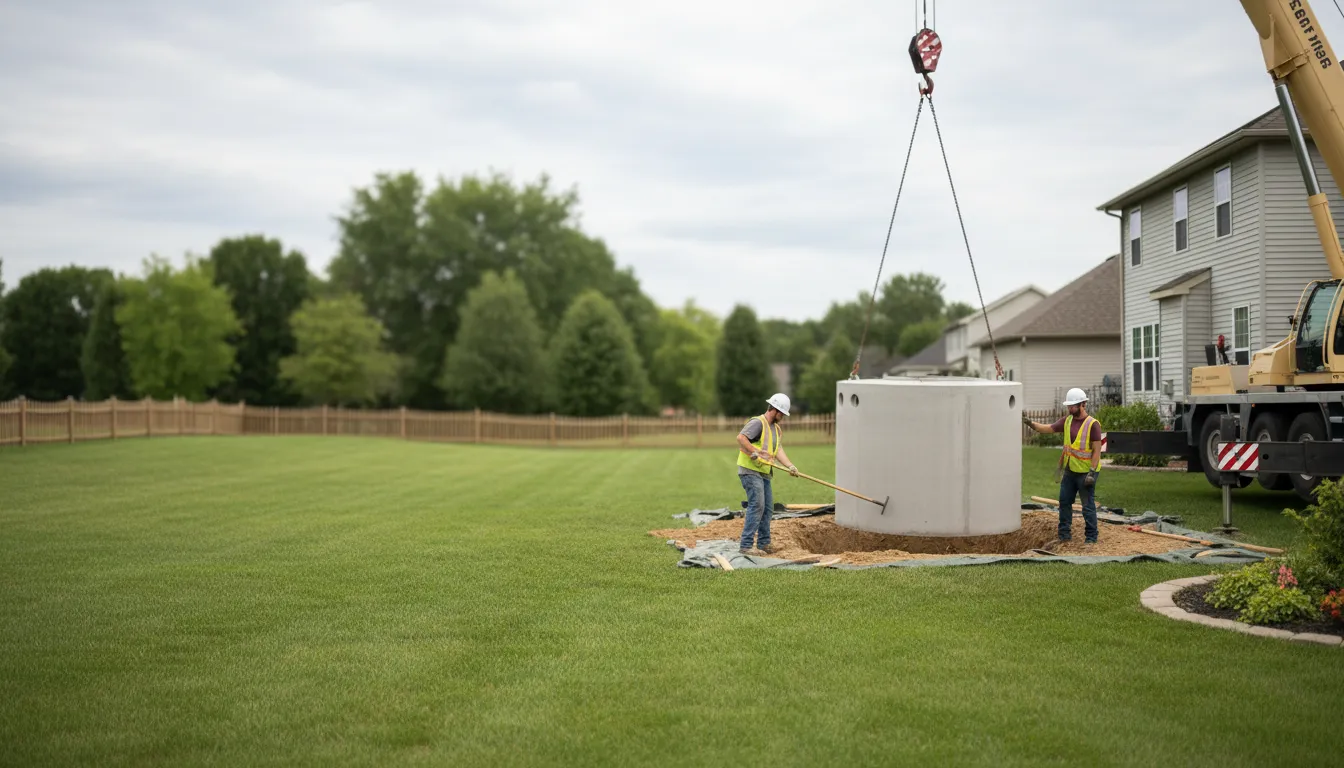
Find the Best Septic Tank Installation & Replacement Contractors for Your Business
No obligation • Fast responses • Nationwide coverage

Why you can trust Septic Spot
Septic Spot is a leading United States resource for understanding and comparing septic services. Our editors review providers using consistent criteria and verify key business details. Listings and scores are independent, and companies cannot pay to influence our content.
Search providers near you
Top Septic Tank Installation & Replacement Contractors in Portland, Oregon Ranked
Installing or replacing a septic system is a significant investment in your property's long-term functionality and environmental health. In Portland, this process is governed by specific regulations from the City and State to protect groundwater and public safety. This guide explains the key steps, costs, and local requirements for septic system work, helping you understand what to expect and how to connect with qualified, certified professionals in the area.
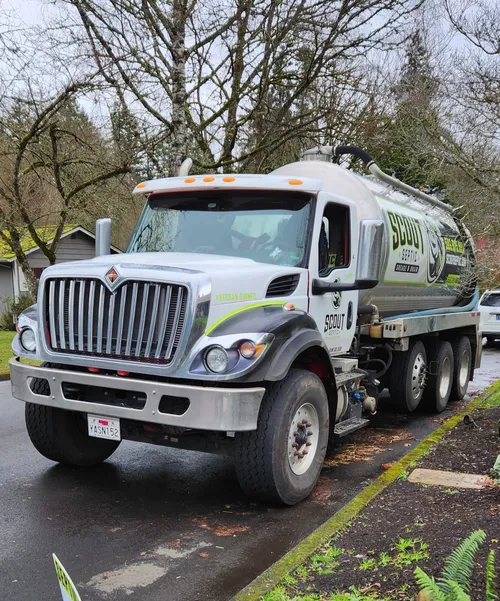
Scout Septic, Grease & Drain
15535 SE 287th Ave, Boring, OR 97009
Scout Septic, Grease & Drain provides septic tank pumping, inspection, repair, and installation services in Portland, OR. They also specialize in grease trap cleaning, pipe and drain cleaning including hydro jetting, as well as grading and excavation for residential and commercial properties. The company uses modern equipment and techniques to maintain and repair wastewater systems efficiently. Scout Septic offers 24/7 availability to address emergency needs and ensure continuous service.
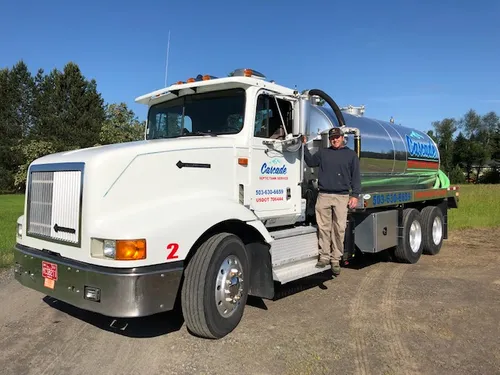
Cascade Septic Tank Service
Portland, OR
Cascade Septic Tank Service is a family-, veteran-, and woman-owned business serving Portland, OR, and Clackamas County with over 45 years of experience. They provide a range of septic services including pumping, inspection, repair, installation, and troubleshooting technical issues. The company is DEQ- and Orenco-certified, ensuring adherence to high standards of quality and environmental responsibility. Cascade Septic Tank Service is committed to environmentally friendly solutions and offers military and senior discounts.

Goodman Septic Services
1009 NE Harlow Rd, Troutdale, OR 97060
Goodman Septic Services provides septic tank pumping, inspection, repair, and installation services in Portland, OR. Serving the greater Portland metropolitan area, they offer comprehensive septic system maintenance and emergency support. Established in 1948, Goodman Septic Services has over 70 years of experience and is licensed by the Oregon Department of Environmental Quality. They emphasize proactive septic system upkeep to extend system life and prevent costly repairs.
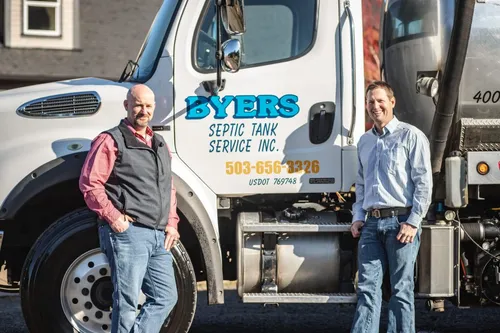
Byers Septic Tank Service
Portland, OR
Byers Septic Tank Service is a septic tank pumping and installation company based in Portland, OR. They provide septic tank pumping, new septic system installation, and drain field repair or replacement. The company offers same-day service in most cases and does not charge extra for mileage or after-hours work. Byers Septic Tank Service emphasizes honest and affordable septic services backed by years of experience.

MT.HOOD SEPTIC
Portland, OR
MT.HOOD SEPTIC is a full-service septic company based near Portland, OR, serving residential and commercial clients across Clackamas County and surrounding areas. Established in 2012, the company offers a wide range of septic services including tank pumping, maintenance, installation, repairs, drain field installation, and drain cleaning. They provide emergency septic services and have experience handling complex repairs and installations, including working after hours when needed.
Understanding Portland's Septic System Regulations
In Portland, all new septic system installations, repairs, and replacements are regulated by a partnership between the City of Portland's Bureau of Development Services (BDS), Multnomah County, and the Oregon Department of Environmental Quality (DEQ). The primary goal of these rules is to prevent groundwater contamination and pathogen spread. Whether you're building a new home on a lot without sewer access or replacing a failing system, you must navigate a permit process that begins with a critical first step: a certified site evaluation.
A permit is required for any new construction, repair, or alteration to an onsite wastewater system and is typically valid for one year from issuance. Compliance with Oregon DEQ standards is not optional; it's a legal requirement designed to ensure systems are designed and built to handle our regional soil conditions and rainfall.
The Step-by-Step Process for Installation or Replacement
Navigating a septic project involves a clear sequence of approvals and inspections. Working with a licensed installer is highly recommended, as they are familiar with managing this process to ensure compliance and avoid costly delays 1 2.
Step 1: The Mandatory Site Evaluation and Soil Test
Before any design work can begin, you must obtain a site evaluation. This involves submitting an application and a site plan to the City of Portland BDS for review by a DEQ-certified specialist. The core of this evaluation is a soil analysis, often involving percolation tests and the digging of test pits. A sanitarian evaluates the soil type, depth to bedrock or water table, and available space to determine the suitability and type of drainfield your property can support. This step is non-negotiable and dictates the design of your entire system.
Step 2: Obtaining the Construction and Installation Permit
Once the site is evaluated and a system design is created, you must apply for a construction permit. This detailed application includes the approved site plan, specifications for all system components (tank, pipes, drainfield media), and a signed Operations and Maintenance (O&M) agreement 3 4. The O&M agreement outlines the long-term care requirements for the system. Only after this permit is issued can physical construction begin on your property 3.
Step 3: Installation and Critical Inspections
The actual installation involves excavating, placing the septic tank and distribution box, and constructing the drainfield according to the permitted design. This stage is subject to two key inspections:
- Initial Inspection: Before any components are covered with soil, an inspector must verify that the installation matches the approved design in terms of placement, materials, and construction 5.
- Final Inspection: After the entire system is installed and properly backfilled, a final inspection is required to grant full approval 6. Skipping or failing these inspections can result in orders to re-excavate and correct the work.
Find the perfect septic tank installation & replacement contractors for your needs
Get personalized recommendations and expert advice
Cost Considerations for Septic Systems in Portland
The total cost for a septic system installation or replacement in Portland can vary widely based on soil conditions, system type, and site accessibility. According to local industry estimates, a standard anaerobic (conventional) system typically ranges from $3,000 to $8,000 for the system itself. However, total project costs-including site preparation, permits, and installation labor-often start between $10,000 and $20,000, and can exceed that for complex sites or advanced aerobic treatment systems (ATUs) 7.
Beyond the tank and drainfield, budget for these direct expenses:
- Permit Fees: Fees for site evaluation and construction permits generally range from $150 to $500 8.
- Site Preparation & Survey: Costs for clearing, grading, and soil testing can add approximately $330 to $900 to your project 9.
These figures underscore why the initial site evaluation is so crucial; unexpected poor soil conditions or a high water table can necessitate a more expensive engineered system, significantly impacting your total budget.
Choosing the Right System for Your Property
The type of system you install is primarily determined by the site evaluation results. Common options in the Portland area include:
- Conventional Septic Systems: These are typically gravity-fed anaerobic systems with a drainfield (leach field). They are the most common and cost-effective option where soil and space conditions are favorable.
- Engineered or Alternative Systems: If your soil drains too slowly (poor percolation) or too quickly, is too shallow, or if you have a limited lot size, an engineered system may be required. These include mound systems, sand filters, or aerobic treatment units (ATUs) that treat wastewater to a higher standard before dispersal 10 11.
Your licensed installer will help you interpret the site evaluation report and design a system that meets both the site constraints and DEQ regulations.
Planning for Long-Term Maintenance and Care
A new septic system is a long-term asset that requires proper care. The O&M agreement submitted with your permit outlines specific maintenance requirements, which often include:
- Regular septic tank pumping (typically every 3-5 years).
- Inspections of mechanical components (for aerobic systems).
- Avoiding the disposal of harmful chemicals or non-biodegradable materials.
- Protecting the drainfield from compaction or root intrusion.
Adhering to this maintenance plan is essential for system longevity, preventing premature failure, and protecting your property investment and the local environment.
Frequently asked questions
Sources
Footnotes
-
Septic Installation Permits | Portland.gov - https://www.portland.gov/ppd/documents/septic-installation-permits/download ↩
-
Septic System Installation in Portland - Environmental Works - https://www.eworksnw.com/septic-tank-pumping/septic-system-installation/ ↩
-
Septic Review Certifications, Authorization Notices and Site ... - https://www.portland.gov/bds/septic-evaluations ↩ ↩2
-
Septic Permits: New Construction, Repairs, and Alterations | Portland.gov - https://www.portland.gov/ppd/septic-permits ↩
-
Septic System Install Timeline - https://www.rciseptic.com/complete-step-by-step-timeline-septic-system-installation-from-permit-to-finish ↩
-
What to Expect During a Septic System Replacement - Townes Septic Service - https://www.townesseptic.com/blog/what-to-expect-during-a-septic-system-replacement ↩
-
Septic System Cost Guide: Prices, Factors & Savings - https://landperc.com/septic-system-cost-estimate/ ↩
-
Understanding Septic Tank Permits and Regulations - https://westcoastsanitationinc.com/understanding-septic-tank-permits-and-regulations/ ↩
-
Cost to Install a Septic System in Portland [2026 Data] - https://www.angi.com/articles/what-does-it-cost-install-septic-system/or/portland ↩
-
About Septic Systems : Residential Resources - Oregon.gov - https://www.oregon.gov/deq/residential/pages/onsite-about.aspx ↩
-
Installing Septics Procedures - Oregon.gov - https://www.oregon.gov/deq/FilterDocs/newsysinstprocs.pdf ↩