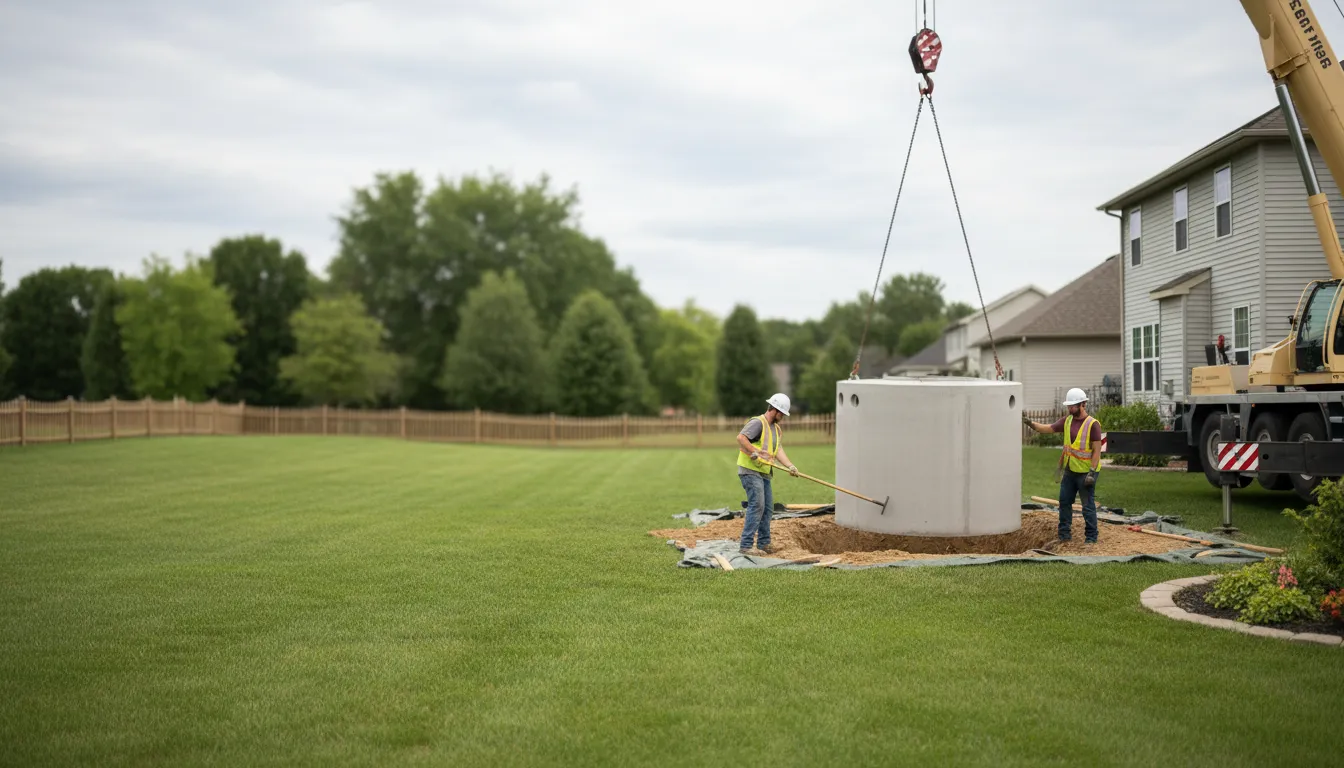
Find the Best Septic Tank Installation & Replacement Contractors for Your Business
No obligation • Fast responses • Nationwide coverage

Why you can trust Septic Spot
Septic Spot is a leading United States resource for understanding and comparing septic services. Our editors review providers using consistent criteria and verify key business details. Listings and scores are independent, and companies cannot pay to influence our content.
Search providers near you
Top Septic Tank Installation & Replacement Contractors in Hillsboro, Oregon Ranked
Installing or replacing a septic system is a significant project that ensures the safe and effective treatment of wastewater for your home. In Hillsboro, this process is governed by specific state and county regulations to protect public health and the environment. A properly installed septic system is crucial for managing household sewage, preventing contamination, and maintaining your property's value. This guide outlines the key steps, requirements, and considerations for septic system installation and replacement in Washington County, helping you understand the process and connect with qualified local professionals.

Goodman Septic Services
1009 NE Harlow Rd, Troutdale, OR 97060
Goodman Septic Services provides septic tank pumping, inspection, repair, and installation services in Portland, OR. Serving the greater Portland metropolitan area, they offer comprehensive septic system maintenance and emergency support. Established in 1948, Goodman Septic Services has over 70 years of experience and is licensed by the Oregon Department of Environmental Quality. They emphasize proactive septic system upkeep to extend system life and prevent costly repairs.
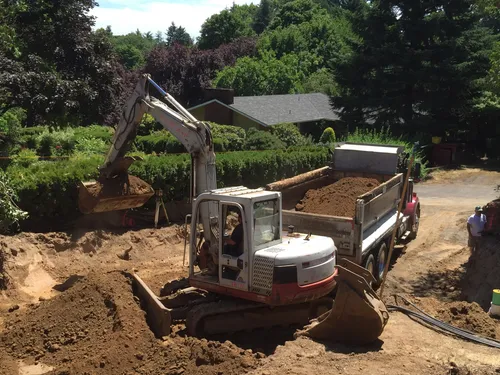
Precision Earthworks LLC
21150 SW Johnson St, Hillsboro, OR 97003
Precision Earthworks LLC is a septic system repair and installation contractor based in Portland, OR. They offer a range of excavation services including septic design, installation, and replacement, as well as drainage solutions tailored for the Pacific Northwest. With decades of experience, the company is skilled in diagnosing and managing excavation projects of various sizes. Their president, Ryan McCain, brings extensive expertise to each project, ensuring practical and effective solutions. Precision Earthworks also provides commercial and residential excavation services, including sewer repair and underground utilities.

Makana Trucking and Excavation, Inc.
34154 Bennett Rd, Warren, OR 97053
Makana Trucking and Excavation, Inc. is a family-owned septic company based in Warren, OR, serving clients in Vancouver, WA and nearby areas. They offer a full range of septic services including system installation, repairs, tank replacement, and inspections. Their team includes licensed installers and DEQ-certified inspectors who manage projects with attention to detail and compliance with local regulations. Founded by Matthew and Aletia Brown, the company brings decades of combined experience to each job. Makana Trucking and Excavation provides 24/7 emergency septic services to address urgent issues promptly.
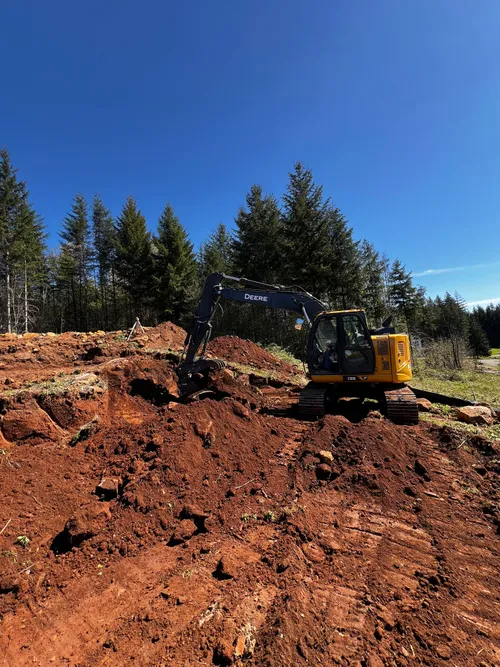
State Contracting LLC
12203 NE 117th Ave, Vancouver, WA 98662
State Contracting LLC offers septic system repair and septic tank installation services in Vancouver, WA. They serve homeowners and builders with additional excavation, demolition, and land clearing services for residential and small commercial projects. Their team provides professional septic solutions and site preparation to support construction and development needs.

Superior Underground
6400 SE 101st Ave UNIT 3, Portland, OR 97266
Superior Underground is an excavation and septic system repair company based in Portland, OR. They offer a range of services including septic system repair and replacement, sewer and water line repair, trenching, land grading, and light demolition work. With over 15 years of experience, they serve residential, commercial, and municipal clients, providing specialized capabilities such as trench-less excavation and directional drilling for water line installations. The company is licensed and certified in Oregon, ensuring compliance and safety on all projects.
Understanding Septic System Basics
A septic system is an on-site wastewater treatment system, typically consisting of a septic tank and a soil absorption field, or drainfield. The tank separates solids from liquids, allowing partially treated effluent to flow into the drainfield where it is further treated by the soil. In Hillsboro, all new installations and replacements must comply with Oregon Department of Environmental Quality (DEQ) standards, which are administered locally by Washington County Environmental Health. Whether you're building a new home on a lot without sewer access or replacing a failing system, understanding these fundamentals is the first step toward a successful project.
The Regulatory Landscape: Permits and Standards
Before any excavation begins, you must navigate the permitting process. Washington County acts as the local permitting authority for the Oregon DEQ, ensuring all systems meet the criteria outlined in Oregon Administrative Rules (OAR), primarily OAR 340-071.
Key Regulations Include:
- System Standards: All septic tanks must be watertight, constructed of approved materials like concrete or fiberglass, and include a minimum 20-inch diameter riser that extends to the ground surface for easy access 1.
- Site Suitability: A property must have suitable soil depth and type, adequate vertical separation from bedrock or groundwater, and enough space for both the initial drainfield and a legally required replacement area 2.
- Required Components: An approved system design will include the septic tank, distribution boxes, and a drainfield with a designated repair area that must remain undisturbed for future use.
The permit application packet requires a detailed site plan, a Land Use Compatibility Statement (LUCS), and the applicable fees, which generally range from $150 to over $500, often including a state DEQ surcharge 3 4.
Step-by-Step Installation Process
The journey from an empty lot to a fully operational septic system involves multiple defined stages, often taking several months from start to finish.
1. Site Evaluation and Soil Testing
This is the critical first step. A licensed engineer, soil scientist, or geologist must conduct a site evaluation, which includes percolation (perc) tests and soil profile analysis. This determines the soil's ability to absorb and treat effluent, dictating the type and size of system your property can support. This evaluation phase typically takes 2-3 weeks 5.
2. System Design and Planning
Using the site evaluation data, a system designer creates a detailed plan. This plan shows the exact location of the tank, drainfield, replacement area, and all components relative to property lines, wells, and waterways. A proper design is essential for permit approval and a smooth installation.
3. Permit Application and Approval
The completed design, along with the application and LUCS, is submitted to Washington County Environmental Health. The review process can take anywhere from 20 days to three months, depending on complexity and county workload. Only after receiving the construction/installation permit can physical work begin.
4. Excavation and Installation
A certified installer will handle the excavation, which is usually completed within 1-2 weeks. This involves carefully digging the hole for the tank, trenches for the drainfield lines, and placing all distribution components according to the approved plan 6.
Find the perfect septic tank installation & replacement contractors for your needs
Get personalized recommendations and expert advice
5. Critical Inspections
Inspections are mandatory at key points to ensure compliance and long-term functionality 7 8.
- Open Tank Inspection: Before the tank is buried, a county inspector checks that it is watertight, properly set, and that risers are correctly installed.
- Drainfield/Trench Inspection: The inspector verifies that drainfield trenches are at the correct depth, slope, and have the proper bedding material before they are covered.
- Final Inspection: A comprehensive final inspection validates that the entire system, including any pumps or alarms, is installed correctly and is ready for use. The system cannot be covered and put into service until this inspection is passed 9 10.
Cost Considerations for Installation and Replacement
The total cost for a new septic system or a full system replacement in the Hillsboro area is highly variable. Typical ranges are between $5,000 and $15,000 or more 11 12. Several factors influence the final price:
- System Type and Size: A conventional gravity-fed system for a standard home is generally less expensive than an advanced treatment system (ATS) required for challenging sites.
- Site Conditions: Difficult soil, rocky terrain, steep slopes, or a high water table can significantly increase excavation and material costs.
- Permit and Design Fees: Remember to factor in the costs for the site evaluation, system design, and county permit fees.
- Scope of Work: A simple replacement of an existing tank may cost less than a completely new installation that requires extensive drainfield construction.
When is System Replacement Necessary?
Understanding when to replace, rather than repair, your existing onsite wastewater system is crucial for preventing environmental hazards and property damage.
Signs you may need a full system replacement include:
- Persistent sewage backups or surfacing wastewater in the yard.
- A drainfield that is consistently soggy or has foul odors, even after pumping the tank.
- Failure to pass a mandated county inspection during a property transfer.
- Changes in household water usage that exceed the original system's design capacity.
- The need for major home expansion where the existing system is insufficient.
The replacement process follows the same permitting and installation steps as a new system, as the old components must be properly abandoned and new ones installed to current code 13 14.
Choosing the Right Professional
Given the technical and regulatory complexity, selecting an experienced, licensed installer is paramount. Look for professionals who are familiar with Washington County's specific processes and inspectors. They should handle or coordinate the permitting, provide clear contracts, and guarantee their workmanship. A reputable installer will ensure your system is not only built to code but is also designed for long-term reliability, protecting your investment and your property.
Frequently asked questions
Sources
Footnotes
-
OAR 340, Division 73 - Construction Standards - https://secure.sos.state.or.us/oard/displayDivisionRules.action?selectedDivision=1481 ↩
-
About Septic Systems : Residential Resources - Oregon.gov - https://www.oregon.gov/deq/residential/pages/onsite-about.aspx ↩
-
Permits are required to ensure septic systems are sited and - https://static1.squarespace.com/static/5ed008a03e4c1a50fe190e1c/t/5f1f398b6f5a345759a84f81/1595881869805/New+Septic+Installation+Permit+Application+-+Instructions+-+Application+-+LUCS+-+Plot+Plan+-+2020+fee+schedule.pdf ↩
-
Procedures and Criteria for Installing a New Septic System - https://www.douglascountyor.gov/DocumentCenter/View/3059/Procedures-for-Installing-a-New-Septic-System-PDF ↩
-
NEW CONSTRUCTION/INSTALLATION PERMIT FOR A SEPTIC ... - https://www.washingtoncountyor.gov/hhs/documents/new-const-packet/download?inline ↩
-
Oregon Septic System Requirements - Greenbar Excavation - https://greenbarexcavation.com/oregon-septic-system-requirements/ ↩
-
Septic System Install Timeline | RCI Septic Service - https://www.rciseptic.com/complete-step-by-step-timeline-septic-system-installation-from-permit-to-finish ↩
-
Septic Systems Oregon Coast Guide for Homeowners - Audra Powell - https://audrascoasthomes.com/blog/septic-systems-and-sewer-lines-what-every-oregon-coast-homeowner-should-know ↩
-
OAR 340-071-0220 - Standard Subsurface Systems - https://oregon.public.law/rules/oar_340-071-0220 ↩
-
The Ultimate Guide to Septic System Installation Process | Septic System Professionals - https://septic911.com/septic-system-installation-process/ ↩
-
Understanding Septic Tank Permits and Regulations - https://westcoastsanitationinc.com/understanding-septic-tank-permits-and-regulations/ ↩
-
Cost to Install a Septic System in Portland [2026 Data] - Angie's List - https://www.angi.com/articles/what-does-it-cost-install-septic-system/or/portland ↩
-
Department of Environmental Quality : Residential Septic Permitting - https://www.oregon.gov/deq/residential/pages/residentialseptic.aspx ↩
-
Construction/Installation Permit Guide for Septic Systems - https://www.oregon.gov/deq/FilterDocs/os-constructInstall.pdf ↩