Find the Best Septic Tank Installation & Replacement Contractors for Your Business
No obligation • Fast responses • Nationwide coverage

Why you can trust Septic Spot
Septic Spot is a leading United States resource for understanding and comparing septic services. Our editors review providers using consistent criteria and verify key business details. Listings and scores are independent, and companies cannot pay to influence our content.
Search providers near you
Top Septic Tank Installation & Replacement Contractors in Salem, Oregon Ranked
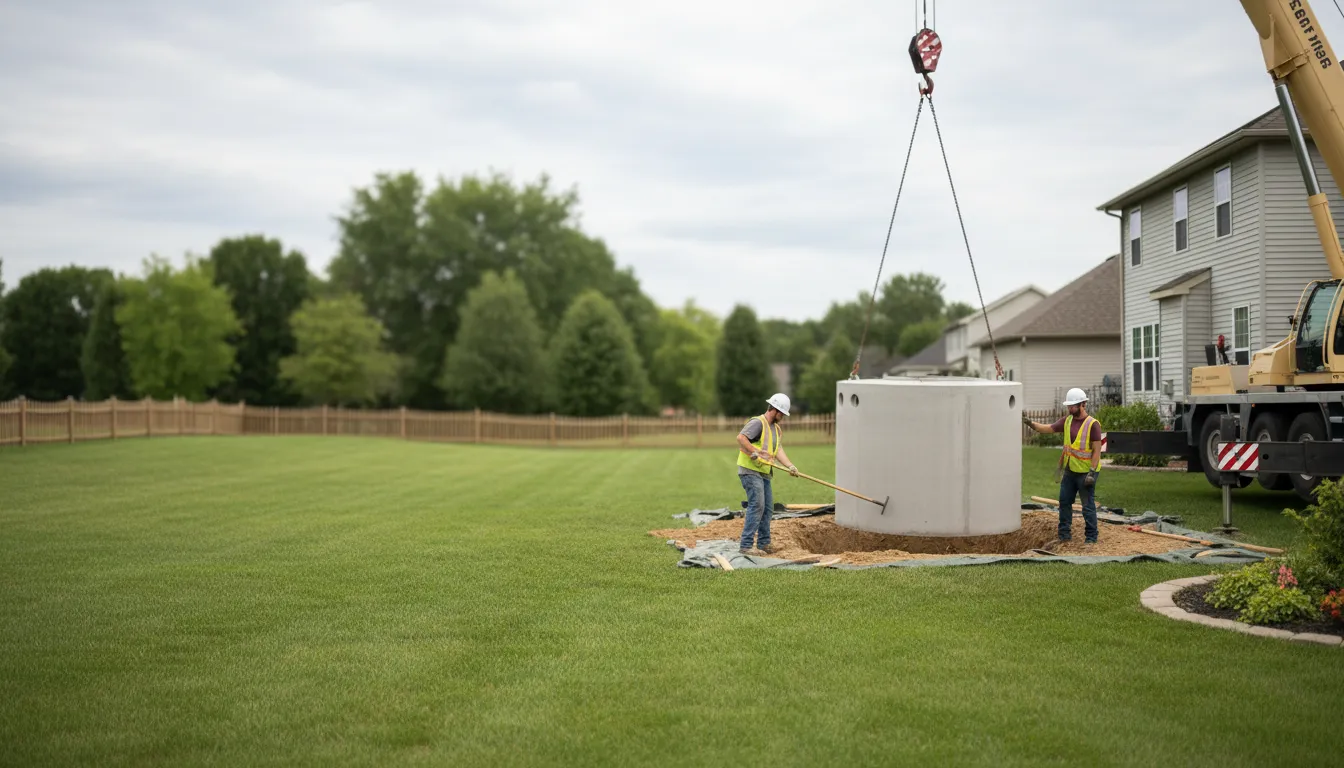
Installing or replacing a septic system is a significant investment in your property's long-term functionality and environmental health. In Salem, this process is carefully regulated by the Oregon Department of Environmental Quality (DEQ) and Marion County to protect groundwater and public safety. This guide explains the essential steps, costs, and local requirements for septic system installation and replacement, helping you navigate the process and connect with qualified professionals in the Salem area.
J.A. Holland Construction LLC
Salem, OR
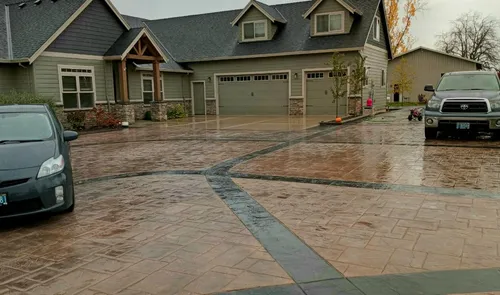
J.A. Holland Construction LLC is a septic tank installation contractor based in Salem, OR. The company brings decades of experience in excavation and concrete work, specializing in full-scale septic installations and large concrete foundations. They apply regional knowledge of Oregon soil and climate to ensure durable results that are built to last.
Oregon Sewer & Drain LLC
12422 Silverton Rd NE, Silverton, OR 97381
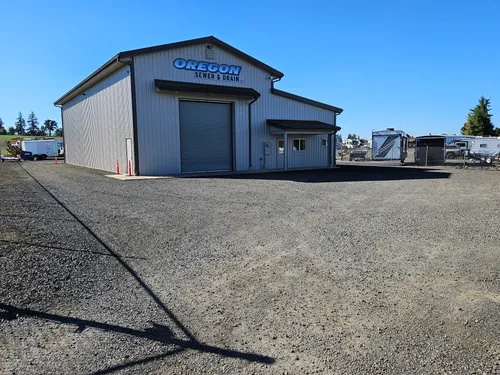
Oregon Sewer & Drain LLC is a septic tank pumping, inspection, repair, and installation company serving Salem, OR. Since 2001, they have provided residential and commercial septic, sewer, and drain services. Their capabilities include drain cleaning, jetting, video camera inspections, sewer line repairs, and trench-less pipe replacement. Oregon Sewer & Drain offers a comprehensive range of wastewater solutions for various needs.
American On Site
Portland, OR
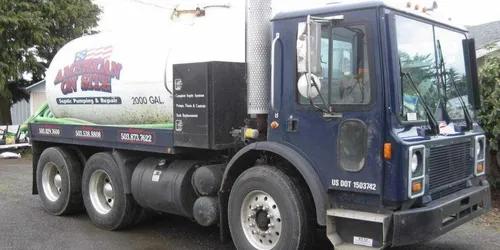
American On Site is a full-service septic provider based in Portland, OR, serving residential, commercial, and civil clients. They offer a wide range of septic services including inspections, pumping, installation, maintenance, and repairs such as drain field replacement and septic pump servicing. The company is experienced in handling all aspects of septic systems, using quality components to ensure proper function and longevity. Since 2003, American On Site has been serving the greater Willamette Valley area, providing expertise in septic system installation and maintenance. They cover multiple counties in Oregon and focus on delivering comprehensive septic solutions to their customers.
Understanding the Regulatory Framework in Marion County
All new septic system installations, replacements, and major repairs in Salem and Marion County require permitting through the county's Environmental Services division, under the authority of the Oregon DEQ 1 2. The process is designed to ensure that every onsite wastewater treatment system is suited to the specific soil and site conditions of your property. This two-phase approach-starting with a Site Evaluation and followed by a Construction-Installation Permit-helps prevent system failures that could lead to costly repairs, property damage, or environmental contamination.
The goal is to match the system type and size precisely to the land's ability to absorb and treat household wastewater. Whether you're building a new home on a rural lot or replacing a failing septic tank on an existing property, understanding this regulatory pathway is the first critical step.
Phase 1: The Site Evaluation and Soil Testing
Before any permit can be issued, your property must undergo a formal Site Evaluation. This is not a simple walk-over; it's a detailed investigation of your soil's composition, depth, and permeability, as well as the seasonal water table level.
Key Steps in the Site Evaluation:
- Digging Test Pits: As the property owner, you are responsible for having at least two (and often more) test pits excavated in the proposed drainfield area. These pits are typically 6 feet deep, 6 feet long, and 6 feet wide, and must be spaced at least 75 feet apart 3.
- Official Inspection: A DEQ agent or a Marion County specialist will visit your site to examine these open pits. They analyze the soil layers, look for restrictive layers like bedrock or hardpan, and check for evidence of a high water table 4.
- Determining System Suitability: Based on this inspection, the evaluator determines if the site is suitable for a standard gravity-fed system or if an alternative system (like a pressure-dosed or sand filter system) is required. They also designate the exact size and location for the drainfield.
This evaluation is the foundation of your entire project. Its findings dictate the system design and are a mandatory part of your permit application. The fee for this service typically ranges from approximately $820 to over $1,000, depending on the site's complexity.
Phase 2: Securing Your Construction-Installation Permit
Once you have a favorable Site Evaluation report, you can apply for the Construction-Installation Permit. This permit is valid for one year and is required for new systems, replacement systems, and repairs that alter the system's original design.
What You'll Need for the Application:
- A detailed site plan drawn to scale, showing the proposed house, septic tank, drainfield, test pit locations, and property lines.
- The official Site Evaluation report.
- A completed permit application form, signed by the property owner.
- If your property is within Salem city limits or an urban growth boundary, you may also need a Land Use Compatibility Statement (LUCS) 5.
- Proof that you have enough space on your property for a future replacement drainfield-a mandatory requirement for all new systems.
Permit fees are set by the county and include a state surcharge for the DEQ. For a standard residential system, the permit fee is approximately $1,197. For alternative or pressure-dosed systems, the fee is higher, around $1,667. These fees are separate from the actual installation costs.
Find the perfect septic tank installation & replacement contractors for your needs
Get personalized recommendations and expert advice
The Installation Process and Critical Inspections
With permit in hand, the physical work can begin. Oregon law requires that all septic system installation be performed by a DEQ-licensed installer. Hiring a qualified, local professional is crucial, as they understand Marion County's specific interpretation of the state rules.
The installation involves precise excavation, placement of the septic tank and distribution box, and construction of the drainfield (trenches or a bed). Before any components are backfilled, a mandatory installation inspection must be scheduled with the county.
What Inspectors Look For:
- Proper tank placement, set level, and inlet/outlet elevations.
- Correct installation of piping, including secure connections and appropriate slopes.
- Drainfield construction that matches the approved design, including the use of clean drain rock and the proper placement of distribution pipes.
- That the septic tank has access risers brought to the surface, as required for all new installations. These risers provide safe, easy access for future pumping and inspection.
Passing this inspection is essential. Only after the inspector approves the work can the system be covered. Failing to call for this inspection can result in fines and orders to re-excavate the system for verification.
Understanding the Costs of a New Septic System in Salem
The total cost of a septic system project in the Salem area is a combination of fees, materials, and labor. It's important to budget for all components:
- Site Evaluation & Permitting: Plan for $2,000 to $2,700+. This covers soil testing, the evaluation fee (~$820-$1,000+), and the construction permit ($1,197-$1,667+).
- System Installation: This is the largest variable, typically ranging from $5,000 to $15,000 or more for a complete residential project 6 7. Factors influencing cost include:
- System Type: A conventional gravity system is generally the most affordable. Mound systems, sand filters, or other alternative technologies are more expensive due to added materials and complexity.
- Tank Size & Material: Concrete tanks are common; plastic tanks may have different cost implications.
- Site Conditions: Difficult access, rocky soil, or the need for extensive excavation or grading will increase labor costs.
- Drainfield Size: Larger homes requiring larger drainfields will cost more.
When comparing estimates from licensed installers, ensure they include all elements: excavation, tank, piping, drainfield materials, labor, and coordination with county inspections.
Planning for Replacement and Long-Term Care
If you're not building new but replacing a failing system, the process is largely the same-a new Site Evaluation and Construction-Installation Permit are required. Often, a replacement drainfield must be installed in a new location, which is why the "replacement area" requirement is so important during the initial evaluation for new homes 8.
Proper maintenance begins right after installation. Keep a detailed record of your "as-built" system diagram, the permit, and inspection reports. Have the tank pumped regularly by a licensed pumper (typically every 3-5 years), and avoid planting deep-rooted trees or driving heavy vehicles over the drainfield. The access risers installed with your new system will make this routine maintenance much easier and less expensive 9 10.
Frequently asked questions
Sources
Footnotes
-
About Septic Systems : Residential Resources - Oregon.gov - https://www.oregon.gov/deq/residential/pages/onsite-about.aspx ↩
-
Residential Septic Permitting - Oregon.gov - https://www.oregon.gov/deq/residential/pages/residentialseptic.aspx ↩
-
Procedures and Requirements for Installing a New Septic System - https://evogov.s3.amazonaws.com/143/media/164430.pdf ↩
-
SITE EVALUATION to SYSTEM INSTALLATION - Marion County - https://www.co.marion.or.us/PW/BuildingInspection/Documents/s29setosysteminstallation.pdf ↩
-
SEPTIC CONSTRUCTION-INSTALLATION PERMIT APPLICATION ... - https://www.co.marion.or.us/PW/BuildingInspection/Documents/Septic%20Installation%20Instructions%20and%20Application%2011.01.2025.pdf ↩
-
Understanding Septic Tank Permits and Regulations - https://westcoastsanitationinc.com/understanding-septic-tank-permits-and-regulations/ ↩
-
Septic Construction-Installation Permit Instructions and ... - https://www.co.marion.or.us/PW/BuildingInspection/Documents/Septic%20Construction-Installation%20Permit%20Instructions%20and%20Application%202024.pdf ↩
-
Installing Septics Procedures - Oregon.gov - https://www.oregon.gov/deq/FilterDocs/newsysinstprocs.pdf ↩
-
Septic and Onsite Wastewater Systems - Clackamas County - https://www.clackamas.us/taxonomy/term/516?page=1 ↩
-
The Beginners Guide to Installing a Septic System in Central Oregon - https://www.blacksagedirtworks.com/blog/beginners-guide-installing-septic-system ↩