
Find the Best Septic Tank Installation & Replacement Contractors for Your Business
No obligation • Fast responses • Nationwide coverage

Why you can trust Septic Spot
Septic Spot is a leading United States resource for understanding and comparing septic services. Our editors review providers using consistent criteria and verify key business details. Listings and scores are independent, and companies cannot pay to influence our content.
Search providers near you
Top Septic Tank Installation & Replacement Contractors in Gresham, Oregon Ranked
Installing or replacing a septic system is a significant investment in your property's long-term functionality and environmental health. In Gresham, this process is carefully regulated by the Oregon Department of Environmental Quality (DEQ) and Multnomah County to protect local groundwater and public health. Understanding the required steps, from site evaluation to final inspection, is crucial for a successful project. This guide will help you navigate the local requirements and connect with qualified professionals to handle your septic system needs.
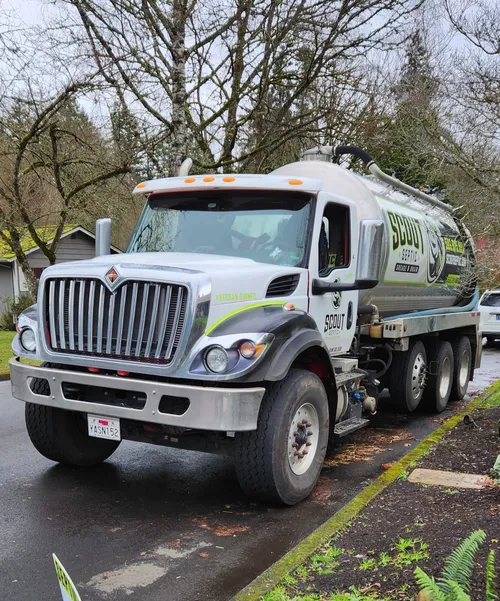
Scout Septic, Grease & Drain
15535 SE 287th Ave, Boring, OR 97009
Scout Septic, Grease & Drain provides septic tank pumping, inspection, repair, and installation services in Portland, OR. They also specialize in grease trap cleaning, pipe and drain cleaning including hydro jetting, as well as grading and excavation for residential and commercial properties. The company uses modern equipment and techniques to maintain and repair wastewater systems efficiently. Scout Septic offers 24/7 availability to address emergency needs and ensure continuous service.
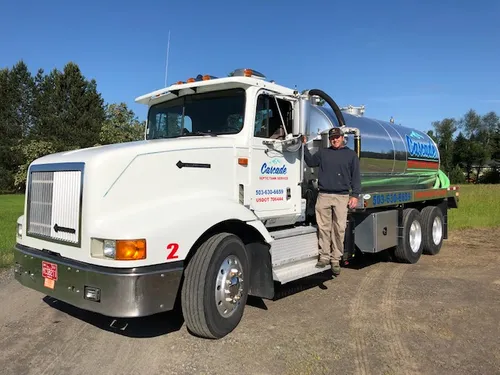
Cascade Septic Tank Service
Portland, OR
Cascade Septic Tank Service is a family-, veteran-, and woman-owned business serving Portland, OR, and Clackamas County with over 45 years of experience. They provide a range of septic services including pumping, inspection, repair, installation, and troubleshooting technical issues. The company is DEQ- and Orenco-certified, ensuring adherence to high standards of quality and environmental responsibility. Cascade Septic Tank Service is committed to environmentally friendly solutions and offers military and senior discounts.

Goodman Septic Services
1009 NE Harlow Rd, Troutdale, OR 97060
Goodman Septic Services provides septic tank pumping, inspection, repair, and installation services in Portland, OR. Serving the greater Portland metropolitan area, they offer comprehensive septic system maintenance and emergency support. Established in 1948, Goodman Septic Services has over 70 years of experience and is licensed by the Oregon Department of Environmental Quality. They emphasize proactive septic system upkeep to extend system life and prevent costly repairs.
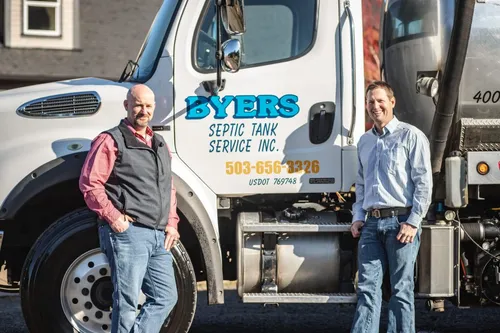
Byers Septic Tank Service
Portland, OR
Byers Septic Tank Service is a septic tank pumping and installation company based in Portland, OR. They provide septic tank pumping, new septic system installation, and drain field repair or replacement. The company offers same-day service in most cases and does not charge extra for mileage or after-hours work. Byers Septic Tank Service emphasizes honest and affordable septic services backed by years of experience.
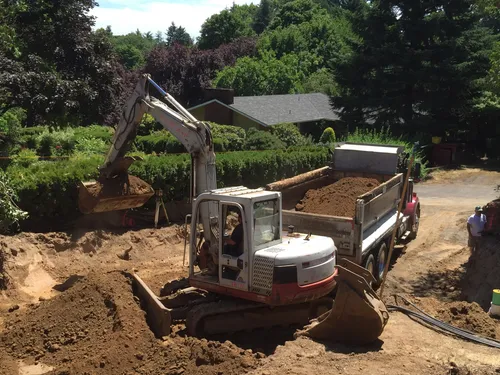
Precision Earthworks LLC
21150 SW Johnson St, Hillsboro, OR 97003
Precision Earthworks LLC is a septic system repair and installation contractor based in Portland, OR. They offer a range of excavation services including septic design, installation, and replacement, as well as drainage solutions tailored for the Pacific Northwest. With decades of experience, the company is skilled in diagnosing and managing excavation projects of various sizes. Their president, Ryan McCain, brings extensive expertise to each project, ensuring practical and effective solutions. Precision Earthworks also provides commercial and residential excavation services, including sewer repair and underground utilities.
Understanding Septic System Regulations in Multnomah County
All septic system installations and replacements in Gresham fall under the jurisdiction of the Oregon DEQ, administered locally by Multnomah County. The core principle is that every system must be designed to treat wastewater effectively based on your specific property's conditions. You cannot simply choose a tank and drainfield location; the entire system must be approved through a formal permitting process. This ensures that new or replacement systems do not contaminate soil or water and are built to last.
A key first step is understanding that only DEQ-approved materials can be used. For instance, septic tanks for a standard 1-4 bedroom home must have a minimum capacity of 1,000 gallons and be listed on the official DEQ Approved Tanks and Distribution Units list. Furthermore, only licensed septic installers are authorized to pull permits and perform the installation work, though property owners may install a system on their own land under specific conditions.
The Step-by-Step Process for a New or Replacement System
Navigating a septic project involves a series of mandated steps. Following this sequence is essential to avoid delays or compliance issues.
1. Conduct a Site Evaluation
Before any plans are drawn, you must determine what type of system your land can support. This begins with a Site Evaluation Report (SER). A certified evaluator will need to examine your soil. This requires you to provide at least two test pits, approximately 75 feet apart, in the proposed drainfield area 1. The evaluator assesses the soil's texture, depth to bedrock or water table, and drainage capability to recommend an appropriate system design, such as a standard gravity system or a more complex pressure distribution system 2 3.
2. Secure a Land Use Compatibility Statement (LUCS)
Before you can apply for a construction permit, you must obtain a LUCS from your local planning department. This document verifies that your proposed septic system complies with local zoning regulations, including setbacks from property lines, wells, and waterways 4.
3. Apply for the Septic Installation Permit
With your SER and LUCS in hand, you or your licensed installer can apply for the Septic Installation Permit from the City of Portland/Multnomah County (which handles Gresham) 5 6. The application will include your site plan, the SER, and the LUCS. This permit is your official authorization to begin construction.
4. Installation and Required Inspections
Once the permit is issued, installation can begin. The work does not happen in a black box; it is subject to multiple inspections to ensure adherence to the approved plan 7 8.
- Installation Inspection: An inspector must review the system during installation, checking the tank placement, drainfield trench dimensions, and pipe connections before they are covered with soil 9.
- Final Inspection: After installation is complete, a final inspection is conducted to certify that the entire system was installed correctly and is ready for use 10.
What Influences the Cost of Your System?
The cost of a septic system installation in the Portland metro area, which includes Gresham, can vary widely based on several factors. Research indicates that for a standard residential system, you can generally expect costs to range from $5,449 to $8,957, with an average around $7,203 11.
The primary drivers of cost include:
- System Type and Complexity: A conventional gravity system is typically the most affordable option. If your site evaluation reveals poor soil conditions, you may require an engineered system like a sand filter or pressure distribution system, which involves pumps, additional tanks, and more sophisticated components, increasing the cost significantly.
- Property and Site Conditions: Easy access, flat terrain, and clear land keep costs down. Rocky soil, steep slopes, or limited access for heavy machinery can increase labor and time requirements.
- Tank and System Size: Larger tanks and more extensive drainfields for bigger homes naturally cost more.
- Permitting and Design Fees: Don't forget to budget for the site evaluation fee, permit application costs, and any required engineering design work.
Find the perfect septic tank installation & replacement contractors for your needs
Get personalized recommendations and expert advice
Choosing Between Repair and Full Replacement
Not all system failures require a complete septic tank replacement. Sometimes, issues are isolated to a component like a damaged pipe or a faulty drainfield line. A professional inspection can determine the scope of the problem. However, if your tank is structurally compromised (e.g., cracked, collapsing) or your drainfield has completely failed, a full system replacement is often the only viable, long-term solution.
Replacement follows the same rigorous process as a new installation-requiring a new site evaluation, permit, and inspections. In some cases, you may not be able to use the exact same location for the new drainfield, especially if the soil in that area is deemed "sewage saturated" from the old failure 12.
Maintaining Your New Septic System
Once your new system is installed, proper maintenance is key to its longevity and performance. This goes beyond just periodic pumping. Protect your drainfield by avoiding parking vehicles on it, planting only grass over it (no deep-rooted trees or shrubs), and diverting rainwater runoff away from the area. Be mindful of what goes down your drains; harsh chemicals, excessive grease, and non-biodegradable materials can disrupt the bacterial balance in the tank and clog the system. Establishing a regular pumping schedule based on your household size and tank capacity is the best way to prevent solids from overflowing into the drainfield and causing a premature failure.
The Role of Licensed Professionals
Given the technical and regulatory complexity, working with a licensed septic system installer is highly recommended. These professionals understand the local code requirements, have relationships with the county inspectors, and know how to navigate the permit process efficiently 13 14. They can also provide valuable insight during the site evaluation phase, helping you understand the pros and cons of different system designs for your specific property. A reputable installer will handle the paperwork, ensure all inspections are scheduled and passed, and warrant their workmanship, giving you peace of mind that your system is built correctly.
Frequently asked questions
Sources
Footnotes
-
septic systems in oregon: What every landowner should know before building - FORGED BUILT - https://www.forgedbuilt.com/blog/septic-systems-in-oregon-what-every-landowner-should-know-before-building ↩
-
About Septic Systems : Residential Resources - Oregon.gov - https://www.oregon.gov/deq/residential/pages/onsite-about.aspx ↩
-
Residential Septic System Installs: Comparing Designs For Modern Homes - Septic Tank Man - https://www.theseptictankman.com/blog/residential-septic-system-installs-comparing-designs-for-modern-homes ↩
-
Septic Permits: New Construction, Repairs, and Alterations - https://www.portland.gov/ppd/septic-permits ↩
-
Residential Septic Permitting - Oregon.gov - https://www.oregon.gov/deq/residential/pages/residentialseptic.aspx ↩
-
Septic Installation Permits | Portland.gov - https://www.portland.gov/ppd/documents/septic-installation-permits/download ↩
-
Guide to Installing a Septic System in Central Oregon - https://www.blacksagedirtworks.com/blog/beginners-guide-installing-septic-system ↩
-
Understanding Septic Tank Inspections: A Complete Homeowner's ... - https://septic-masters.com/septic-tank-inspection-homeowner-guide/ ↩
-
From Start to Finish: How Long Does It Take to Install a Septic System? - https://westcoastsanitationinc.com/how-long-does-it-take-to-install-a-septic-system/ ↩
-
Procedures and Requirements for Installing a New Septic System - https://www.oregon.gov/deq/FilterDocs/newsysinstprocs.pdf ↩
-
Cost to Install a Septic System in Portland [2026 Data] - Angie's List - https://www.angi.com/articles/what-does-it-cost-install-septic-system/or/portland ↩
-
GUIDE FOR SEPTIC TANK REPLACEMENT - Clackamas County - https://dochub.clackamas.us/documents/drupal/7d5e81a5-bc94-4777-92de-3f85b976b3c1 ↩
-
Oregon Septic License & Certification | 2024 Contractor Guide - ServiceTitan - https://www.servicetitan.com/licensing/septic/oregon ↩
-
Procedures and Requirements for Installing a New Septic System - https://evogov.s3.amazonaws.com/143/media/164430.pdf ↩