Find the Best Septic Tank Installation & Replacement Contractors for Your Business
No obligation • Fast responses • Nationwide coverage

Why you can trust Septic Spot
Septic Spot is a leading United States resource for understanding and comparing septic services. Our editors review providers using consistent criteria and verify key business details. Listings and scores are independent, and companies cannot pay to influence our content.
Search providers near you
Top Septic Tank Installation & Replacement Contractors in Tigard, Oregon Ranked
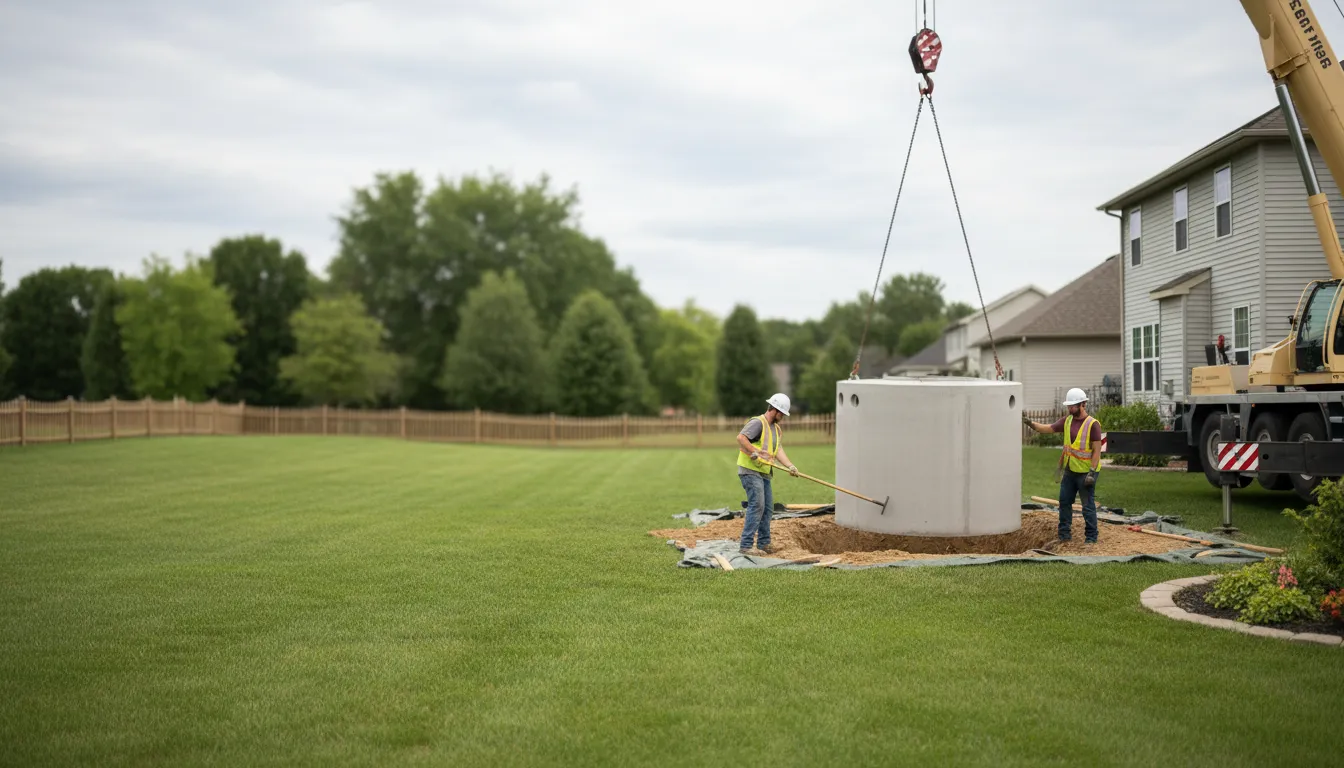
Installing or replacing a septic system is a significant investment in your property's long-term health and value. In Tigard, this process is carefully regulated to protect public health and the local environment, including nearby waterways. Whether you're building a new home or facing a system failure, understanding the local requirements and working with qualified professionals is essential. This guide outlines the key steps, regulations, and considerations for septic system installation and replacement in Tigard, helping you navigate the process with confidence.
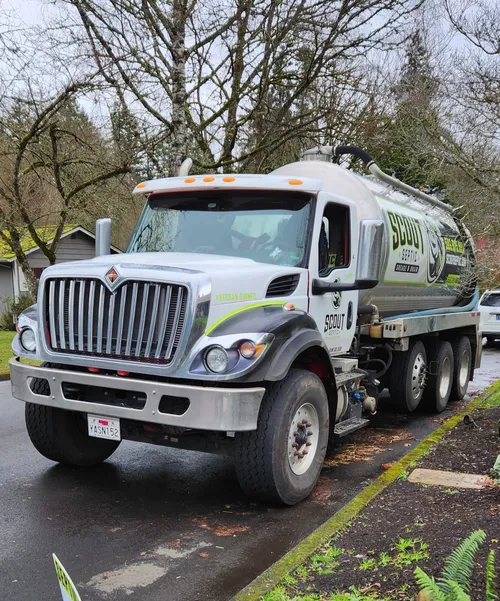
Scout Septic, Grease & Drain
15535 SE 287th Ave, Boring, OR 97009
Scout Septic, Grease & Drain provides septic tank pumping, inspection, repair, and installation services in Portland, OR. They also specialize in grease trap cleaning, pipe and drain cleaning including hydro jetting, as well as grading and excavation for residential and commercial properties. The company uses modern equipment and techniques to maintain and repair wastewater systems efficiently. Scout Septic offers 24/7 availability to address emergency needs and ensure continuous service.
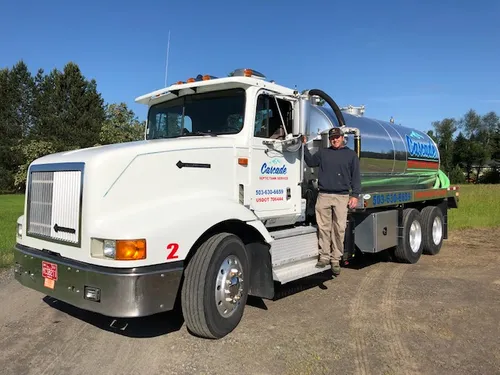
Cascade Septic Tank Service
Portland, OR
Cascade Septic Tank Service is a family-, veteran-, and woman-owned business serving Portland, OR, and Clackamas County with over 45 years of experience. They provide a range of septic services including pumping, inspection, repair, installation, and troubleshooting technical issues. The company is DEQ- and Orenco-certified, ensuring adherence to high standards of quality and environmental responsibility. Cascade Septic Tank Service is committed to environmentally friendly solutions and offers military and senior discounts.

Goodman Septic Services
1009 NE Harlow Rd, Troutdale, OR 97060
Goodman Septic Services provides septic tank pumping, inspection, repair, and installation services in Portland, OR. Serving the greater Portland metropolitan area, they offer comprehensive septic system maintenance and emergency support. Established in 1948, Goodman Septic Services has over 70 years of experience and is licensed by the Oregon Department of Environmental Quality. They emphasize proactive septic system upkeep to extend system life and prevent costly repairs.
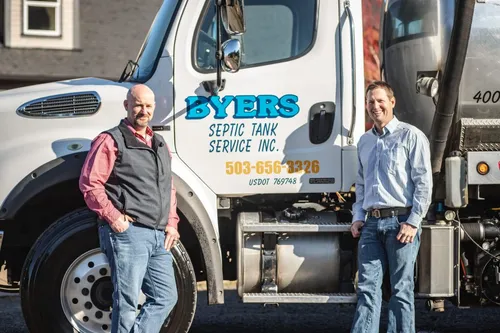
Byers Septic Tank Service
Portland, OR
Byers Septic Tank Service is a septic tank pumping and installation company based in Portland, OR. They provide septic tank pumping, new septic system installation, and drain field repair or replacement. The company offers same-day service in most cases and does not charge extra for mileage or after-hours work. Byers Septic Tank Service emphasizes honest and affordable septic services backed by years of experience.
Precision Earthworks LLC
21150 SW Johnson St, Hillsboro, OR 97003
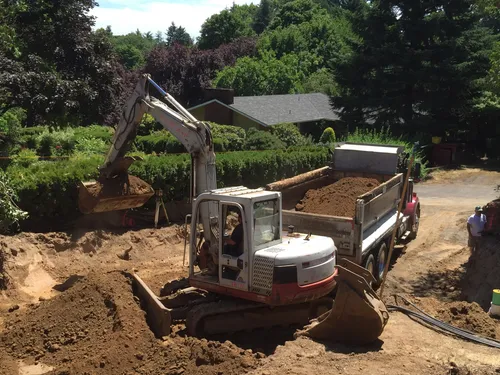
Precision Earthworks LLC is a septic system repair and installation contractor based in Portland, OR. They offer a range of excavation services including septic design, installation, and replacement, as well as drainage solutions tailored for the Pacific Northwest. With decades of experience, the company is skilled in diagnosing and managing excavation projects of various sizes. Their president, Ryan McCain, brings extensive expertise to each project, ensuring practical and effective solutions. Precision Earthworks also provides commercial and residential excavation services, including sewer repair and underground utilities.
Understanding Local Regulations and Permits
All septic system work in Tigard falls under the jurisdiction of Washington County Environmental Health, which administers the Oregon Department of Environmental Quality (DEQ) rules. You cannot begin any installation or major repair without an approved permit. There are two primary permit types: a New Construction Permit for brand-new homes, and a Repair/Alteration Permit for replacing a failed system or upgrading an existing one 1. These permits are typically valid for one year from the date of issuance.
The core purpose of these regulations is to ensure the system is safe and effective. Key site criteria include maintaining specific distances from wells, property lines, surface water, and your home. A failed system, indicated by issues like sewage backup or ponding water in the drainfield area, legally requires a repair permit to address. Navigating these rules is a primary reason to engage a licensed septic system designer and installer familiar with Washington County's specific procedures.
The Critical First Step: Site Evaluation and Soil Testing
Before any system design can be finalized, your property must undergo a formal site evaluation. A county or DEQ representative will visit to assess the overall landscape, slope, and soil conditions 2. The most crucial component of this evaluation is the soil test pit analysis, often called a percolation test.
At least two test pits, dug to a depth of six feet within the proposed drainfield area, are required. These pits allow the evaluator to examine the soil layers (texture and structure) and determine the seasonal high-water table depth. The soil's ability to absorb and treat effluent-its porosity and permeability-directly dictates the type and size of the septic system your property can support 3. The results of this evaluation become the foundation for the entire system design.
Designing Your Septic System
With the official site evaluation report in hand, a professional septic system designer creates a plan that meets both your household's needs and all regulatory standards. For a standard residential home, Oregon law specifies tank capacity requirements: a minimum of 1,000 gallons for a dwelling with four or fewer bedrooms, and 1,500 gallons for more than four bedrooms 4. Tanks are typically constructed from durable materials like concrete or fiberglass.
The designer will also plot the drainfield (or leach field) and specify the piping and distribution method. A critical regulatory requirement is the identification of a dedicated replacement area-a space on your property reserved for a full future drainfield should the original one ever fail 5 6. This plan, along with a detailed plot plan of your property, is submitted as part of the permit application to Washington County Environmental Health 7.
Find the perfect septic tank installation & replacement contractors for your needs
Get personalized recommendations and expert advice
Installation, Inspection, and Approval
Once your permit is approved, a state-certified installation contractor can begin work. Proper installation is vital for system longevity and performance. The process involves excavating for the tank, placing and leveling it, constructing the drainfield trenches, and laying the distribution pipes.
Inspections are mandatory at key stages and must be scheduled with the county before the work is covered. These typically include:
- Tank Inspection: To verify the tank is watertight, properly set, and has the correct inlet/outlet baffles 8 9.
- Drainfield Inspection: To check the trench depth, gravel placement, and pipe installation before the geotextile fabric and soil are backfilled 10.
- Final Inspection: A last check by a Washington County official to approve the entire installation before the system is put into use 11 12.
Only after passing the final inspection is your new or replacement system authorized for operation. Keeping a copy of the "as-built" design and inspection records is important for future maintenance and property sales.
Understanding Costs and System Types
The total cost for a new septic system installation or a full system replacement in the Tigard area can vary widely, but a typical range for a standard residential gravity-fed system is between $5,000 and $15,000. Several factors influence the final price:
- Permit Fees: Paid to Washington County, these generally range from $150 to $500 13.
- System Complexity: A conventional gravity system is often the most economical. If your site has poor soil, a high water table, or space constraints, you may require an alternative treatment system (like a mound, sand filter, or aerobic treatment unit), which can significantly increase the cost.
- Site Work: Extensive clearing, grading, or rock excavation adds to labor and equipment time.
- Tank Material and Size: Larger tanks or specific material choices can affect the price.
It's highly advisable to obtain detailed quotes from multiple licensed and insured septic installation contractors. Ensure their estimates clearly break down design fees, permit pulling, materials, labor, and any anticipated site work.
Maintaining Your New System
A properly installed system is just the beginning. Protecting your investment requires regular maintenance, primarily routine septic tank pumping every 3-5 years, depending on household size and usage. Avoid pouring harsh chemicals, grease, or non-biodegradable materials down the drain. Most importantly, protect the drainfield area: never drive or park vehicles over it, and avoid planting deep-rooted trees or shrubs nearby. The replacement area you designated during the design phase must be kept clear and undisturbed for future use. Consistent care is the most effective way to extend the life of your septic system for decades.
Frequently asked questions
Sources
Footnotes
-
Repair Permit for a Septic System Procedure and Criteria - https://www.washingtoncountyor.gov/hhs/documents/repair-procedure-and-criteria/download?inline ↩
-
About Septic Systems : Residential Resources - Oregon.gov - https://www.oregon.gov/deq/residential/pages/onsite-about.aspx ↩
-
REPAIR PERMIT FOR A SEPTIC SYSTEM PROCEDURE & CRITERIA - https://www.washingtoncountyor.gov/so/media/49126/download?inline ↩
-
OAR 340-071-0220 - Standard Subsurface Systems - OregonLaws - https://oregon.public.law/rules/oar_340-071-0220 ↩
-
Procedures and Requirements for Installing a New Septic System - https://www.oregon.gov/deq/FilterDocs/newsysinstprocs.pdf ↩
-
OAR 340, Division 73 - Construction Standards - https://secure.sos.state.or.us/oard/displayDivisionRules.action?selectedDivision=1481 ↩
-
Residential Septic Permitting - Oregon.gov - https://www.oregon.gov/deq/residential/pages/residentialseptic.aspx ↩
-
Septic Systems Oregon Coast Guide for Homeowners - Audra Powell - https://audrascoasthomes.com/blog/septic-systems-and-sewer-lines-what-every-oregon-coast-homeowner-should-know ↩
-
Construction/Installation Permit Guide for Septic Systems - https://www.oregon.gov/deq/FilterDocs/os-constructInstall.pdf ↩
-
Guide to Installing a Septic System in Central Oregon - https://www.blacksagedirtworks.com/blog/beginners-guide-installing-septic-system ↩
-
Onsite Sewage Permits | Washington County, OR - https://www.washingtoncountyor.gov/environmental-health/onsite-sewage-permits ↩
-
Sanitary Sewer Reimbursement Districts | City of Tigard - https://www.tigard-or.gov/your-government/departments/public-works/engineering/sanitary-sewer-reimbursement-districts ↩
-
Understanding Septic Tank Permits and Regulations - https://westcoastsanitationinc.com/understanding-septic-tank-permits-and-regulations/ ↩