
Find the Best Septic Tank Installation & Replacement Contractors for Your Business
No obligation • Fast responses • Nationwide coverage

Why you can trust Septic Spot
Septic Spot is a leading United States resource for understanding and comparing septic services. Our editors review providers using consistent criteria and verify key business details. Listings and scores are independent, and companies cannot pay to influence our content.
Search providers near you
Best Septic Tank Installation & Replacement Contractors in Tennessee Ranked
Installing or replacing a septic system is a significant investment and a regulated process in Tennessee. A properly designed and permitted onsite wastewater system protects your property value, your family's health, and the state's groundwater. This guide outlines the essential steps, regulations, and costs for septic work in Tennessee, helping you understand what to expect and how to connect with qualified, licensed professionals for your project.
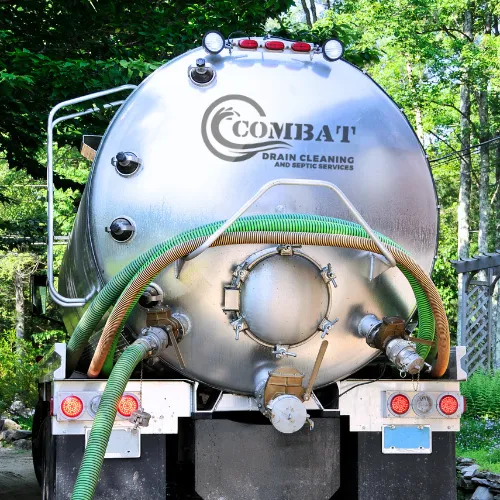
Combat Drain Cleaning and Septic Services
Clarksville, TN
Combat Drain Cleaning and Septic Services is a licensed septic system installer serving Clarksville, TN, and surrounding areas. They specialize in septic tank pumping, septic system inspection, drain cleaning, sump pump repair, leach field repair, and septic tank installation. With over 20 years of industry experience, they focus on maintaining and repairing residential septic and drainage systems. The company offers 24/7 availability, including after-hours service, to address urgent drain and septic issues promptly.
SMK Plumbing & Electric
3300 Rifle Range Rd, Knoxville, TN 37918
SMK Plumbing & Electric is a locally owned plumbing and electrical company based in Knoxville, TN. They provide a wide range of services including septic tank installation and repair, drain field repair and replacement, and septic pump repair or replacement. Serving both residential and commercial clients, SMK Plumbing & Electric also offers emergency plumbing services and specializes in new construction and remodel projects. Their capabilities include thorough septic system services and electrical work such as panel replacements and generator installations.
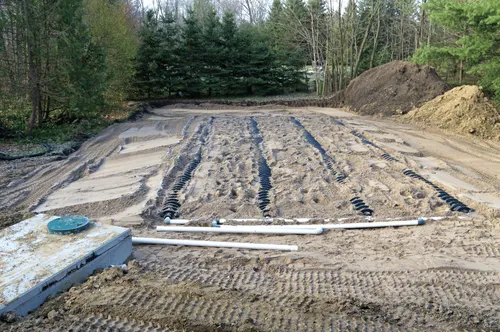
Poop Dudes
2715 Forest Rd, Chattanooga, TN 37406
Poop Dudes is a family-owned septic service company based in Chattanooga, TN, serving the greater Chattanooga area and north Georgia. With over 20 years of experience, they provide a full range of septic services including tank pumping, inspections, repairs, and installations. Their licensed technicians handle various septic systems such as standard, low pressure pipe, mound, and drip systems. Poop Dudes also offers 24-hour emergency septic services to address urgent needs promptly.
Holmes Services
2500 Nashville Hwy Suite A, Smithville, TN 37166
Holmes Services is an excavation and septic company serving Nashville, TN, and surrounding Middle Tennessee areas including Smithville, Lebanon, Cookeville, and Sparta. With 30 years of combined experience, they provide a wide range of services such as septic tank pumping, inspection, repair, and installation, alongside excavation work and material deliveries like gravel, topsoil, fill dirt, and sand. Holmes Services is licensed, insured, and bonded, offering after-hours service and a 24-hour emergency line to support their customers' needs.
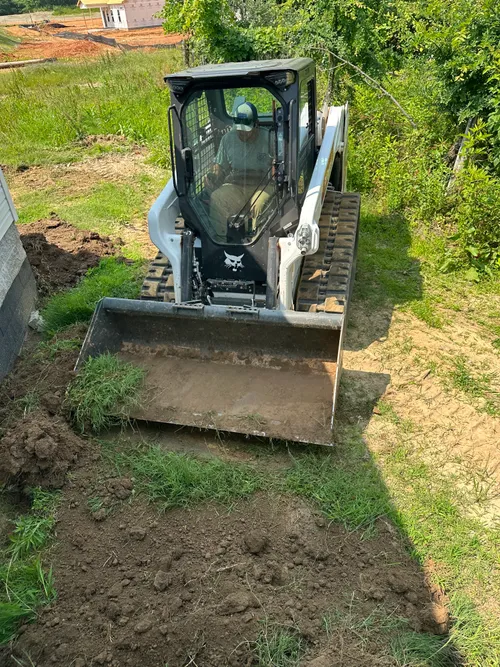
Stiffler's Plumbing, LLC
1464 Hickory Point Rd, Clarksville, TN 37043
Stiffler's Plumbing, LLC is a plumbing and septic tank installation contractor serving Nashville, TN. They provide septic system design and installation, plumbing repairs, water heater services, and excavation work. Their team focuses on safety, environmental standards, and reliable system performance. Based in Clarksville, Tennessee, they bring over 20 years of combined experience to their projects.
Understanding Tennessee's Regulatory Framework
All septic system installations and major replacements in Tennessee are governed by state rules and require oversight from the Tennessee Department of Environment and Conservation (TDEC) or an authorized local health department. The goal is to ensure systems are sited and built correctly to treat wastewater effectively.
The process begins with obtaining a Subsurface Sewage Disposal System (SSDS) permit, specifically a construction permit. This is a legal requirement before any digging begins. In some populous counties-including Knox, Davidson, Hamilton, and Shelby-local health departments manage their own permitting processes, though they follow state guidelines. Whether you're building a new home or replacing a failing system, navigating this permit process is the first critical step.
The Step-by-Step Installation & Replacement Process
1. Site Evaluation and Soil Testing
Before a system can be designed, a certified soil scientist must evaluate your property. This evaluation includes creating a soil map and conducting a percolation (or "perk") test to determine the soil's absorption rate and suitability. The results dictate what type of system your land can support and are a mandatory part of the permit application. This step cannot be skipped, as soil conditions are the primary factor in system design.
2. System Design and Sizing
Once the soil data is available, a system can be designed. In Tennessee, septic system sizing is primarily based on the number of bedrooms in a home, which estimates daily wastewater flow. A typical three-bedroom home requires a 1,000-gallon septic tank as a standard baseline 1. The tank itself must be watertight (typically concrete) and include a secondary compartment no larger than one-third of its total capacity 2.
The design will specify one of two main system types:
- Conventional Gravity Systems: Used in areas with suitable, deep soil and a low water table.
- Alternative (Engineered) Systems: Required for challenging sites with shallow soil, poor percolation, or high groundwater. These include Low-Pressure Pipe (LPP) systems, mound systems, and other advanced technologies.
3. Securing Permits and Approvals
With a design in hand, you or your licensed contractor will submit the permit application, including the soil report and system plans, to the local Environmental Field Office or health department. For some alternative systems, the design must be approved by a licensed professional engineer 3. Only after you receive the official construction permit can installation commence.
4. Professional Installation
Tennessee law requires that septic system installation and repair work be performed by a state-licensed installer or septic systems contractor 4. Hiring a licensed professional is not just a recommendation; it's a legal requirement to ensure the work meets state code.
During installation, critical inspections are mandated. A health department official or approved third-party inspector must examine the excavation, tank placement, and drain field trenches before they are backfilled. This ensures everything is built according to the approved plan.
5. Final Inspection and Certificate of Completion
After installation is complete and the system is backfilled, a final inspection is conducted. Upon passing this inspection, the regulatory authority issues a "Certificate of Completion" 5. This document is crucial, as it is often required to obtain a Certificate of Occupancy for a new home or to close the permit for a replacement system.
Find the perfect septic tank installation & replacement contractors for your needs
Get personalized recommendations and expert advice
Key Regulations: Setbacks and Property Considerations
Tennessee enforces strict setback distances to protect water sources and structures. When siting a septic tank and drain field, you must maintain minimum distances from property lines and features 6:
- Wells and Water Supplies: A minimum of 50 feet horizontally from the drain field.
- Streams, Lakes, and Ditches: A minimum of 50 feet.
- Building Foundations: A minimum of 5 feet from the tank, 10 feet from the drain field.
- Property Lines: A minimum of 5 feet.
- Vertical Setback: There must be at least 2 feet of suitable soil between the bottom of the drain field and any limiting condition, like bedrock or groundwater 7.
Always verify exact requirements with your local permitting authority, as some counties or municipalities may have additional restrictions.
Cost Overview for Tennessee Septic Projects
Costs can vary widely based on soil conditions, system type, tank material, and property accessibility. The following estimates provide a general range for Tennessee 8 9:
- Conventional Gravity System Installation: A full new installation for a standard home typically ranges from $5,000 to $10,000+.
- Alternative/Engineered System Installation: For sites requiring advanced treatment, costs are significantly higher, generally between $10,000 and $20,000 or more, depending on complexity.
- Tank-Only Replacement: If the drain field is still functional and only the tank needs replacing, costs are generally lower than a full system installation.
These are base installation costs and do not include expenses for the initial soil evaluation, permit fees, or engineering design for alternative systems.
Choosing a Licensed Professional in Tennessee
Your choice of contractor is the most important decision you'll make. Always verify a contractor's license status using the official TDEC database of Active Licensed Installers and Pumpers 10. A reputable professional will:
- Pull all necessary permits.
- Adhere to the approved design and state code.
- Schedule and coordinate all required inspections.
- Provide a detailed contract outlining scope, materials, timeline, and costs.
- Offer guidance on proper long-term maintenance for your new system.
Frequently asked questions
Sources
Footnotes
-
Onsite Wastewater Treatment Systems "Septic Systems" - TN.gov - https://www.tn.gov/health/cedep/environmental/healthy-homes/hh/onsite-wastewater-treatment-systems.html ↩
-
Chapter 8 Tanks: Tennessee Private Sewage Disposal Code 2021 - https://up.codes/viewer/tennessee/ipsdc-2021/chapter/8/tanks ↩
-
permit-water-3rdparty-ssds - TN.gov - https://www.tn.gov/environment/permit-permits/water-permits1/septic-systems-permits/ssp/permit-water-3rdparty-ssds.html ↩
-
Tennessee Septic License & Certification - ServiceTitan - https://www.servicetitan.com/licensing/septic/tennessee ↩
-
Septic Tank Installation Nashville, TN | Timeline From Permit to Flush - https://www.nashvillelandmanagementservices.com/land-clearing-tips/septic-tank-installation-timeline-from-permit-to-flush-in-middle-tennessee ↩
-
Septic Systems - https://tva.com/environment/shoreline-construction-permits/section-26a-guidance/septic-systems ↩
-
Septic System Construction Permit - TN.gov - https://www.tn.gov/environment/permit-permits/water-permits1/septic-systems-permits/ssp/permit-water-septic-system-construction-permit.html ↩
-
Online Application for Septic Related Services - TN.gov - https://www.tn.gov/environment/permit-permits/water-permits1/septic-systems-permits/ssp/wr-sds-online-application-for-ground-water-protection-services.html ↩
-
What to Know Before Installing a Septic System in Rural ... - https://www.shamrockdirtandforestry.com/what-to-know-before-installing-a-septic-system-in-rural-tennessee ↩
-
Licensed Septic System Installers & Septic Tank Pumpers - TN.gov - https://www.tn.gov/environment/permit-permits/water-permits1/septic-systems-permits/ssp/wr-sds-active-installers-pumpers.html ↩