
Find the Best Septic Tank Installation & Replacement Contractors for Your Business
No obligation • Fast responses • Nationwide coverage

Why you can trust Septic Spot
Septic Spot is a leading United States resource for understanding and comparing septic services. Our editors review providers using consistent criteria and verify key business details. Listings and scores are independent, and companies cannot pay to influence our content.
Search providers near you
Top Septic Tank Installation & Replacement Contractors in Memphis, Tennessee Ranked
Installing or replacing a septic system is a significant investment in your property's long-term health and value. For homes and businesses in Memphis and Shelby County without access to municipal sewer lines, a properly designed and permitted onsite wastewater treatment system is essential for safe, sanitary wastewater disposal. This guide outlines the local process, regulations, and key considerations for septic system installation and septic tank replacement, helping you understand what's required to find qualified local professionals for your project.
ABC Plumbing & Septic Service
741 Lee Creek Rd, Byhalia, MS 38611
ABC Plumbing & Septic Service is a septic tank pumping, inspection, repair, and installation company serving Memphis, TN. With over 70 years of experience, they provide residential, commercial, and industrial septic services including hydrojetting, video inspection, and drain field repair. The company offers 24/7 emergency service and uses advanced equipment to ensure effective septic system maintenance and repairs.
Kelly Septic Porta Potty
5 John Hattox, Industrial Road, Coldwater, MS 38618
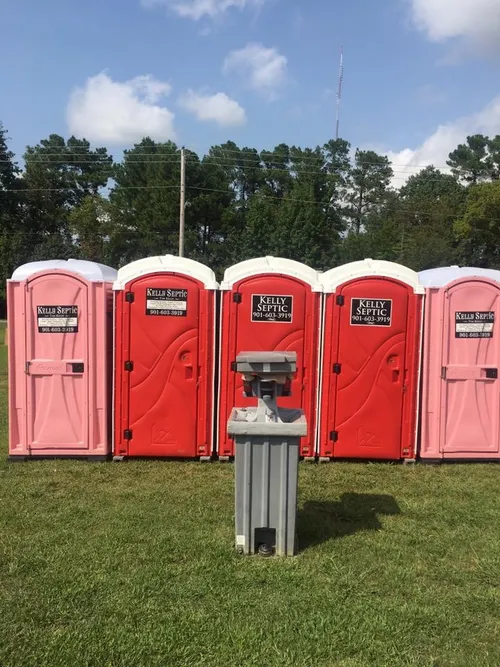
Kelly Septic Porta Potty is a septic tank pumping, repair, and installation company serving Memphis, TN. Founded in 1997 by Tim and Penny Kelly, the business offers a range of services including porta potty and VIP trailer rentals along with sewer system work. With over two decades of experience, Kelly Septic Porta Potty provides comprehensive septic solutions to meet various needs.
Understanding Memphis & Shelby County Septic System Regulations
All septic system installations, replacements, and major repairs in Memphis and Shelby County fall under the regulatory authority of the Shelby County Health Department and the Tennessee Department of Environment and Conservation (TDEC) Ground Water Protection Division. You cannot begin any excavation or construction before obtaining the proper permit. The regulations are designed to protect groundwater-a critical resource-from contamination and to ensure systems function correctly for years.
Key regulatory points include:
- Permit Requirement: A construction permit is mandatory for any new installation or the replacement of a failing system.
- Licensed Professionals: Tennessee law requires that all septic system installations be performed by a state-licensed installer.
- Setbacks: Strict rules dictate minimum distances (setbacks) that a septic system must be located from wells, buildings, property lines, streams, and other sensitive areas.
- Repair Permits: Even significant repairs to an existing, failing system require a permit before work begins.
The Step-by-Step Installation & Replacement Process
Navigating a septic system project involves a series of defined steps, from initial evaluation to final inspection.
1. Site Evaluation and Soil Analysis
This is the most critical phase, as it determines what type of system your property can support. The process starts with a high-intensity soil map prepared by a certified soil scientist or geologist1. This map details the soil types, depth to bedrock, and seasonal high water table on your property.
If the soil mapping is not conclusive, a percolation (perc) test may be required. This test measures how quickly water drains through the soil; Tennessee regulations typically require a rate of not more than 105 minutes per inch for a conventional system2 3. Poor drainage or a high water table often necessitates an alternative system, such as a mound or pump-assisted system, which can be more complex and costly4 5.
2. System Design and Permit Application
A licensed installer or designer will use the site evaluation data to create a system design and site plan. The permit application submitted to the health department must include this plan, the high-intensity soil map, and details showing the proposed disposal area and property boundaries6 7. For a new conventional system, the permit fee is approximately $400. It's crucial to secure this permit before any construction begins.
3. Installation and Construction
Once the permit is approved, the licensed installer can proceed. This involves excavating for the septic tank and the drain field (or alternative system components), placing the tank, and constructing the distribution lines. The total installation cost comprises the tank, labor, gravel, piping, and other materials, and it varies widely based on system type and site-specific soil conditions.
4. Mandatory Inspections
Inspections by the health department or TDEC are not optional; they are required by law at specific stages 8.
- Pre-cover Inspection: Before the tank and drain field are backfilled (covered with soil), an inspector must examine the installation to ensure it matches the approved design and meets all code requirements.
- Final Inspection: Once the system is complete and covered, a final inspection approves the entire layout. Passing these inspections is necessary for the system to be officially approved for use.
Find the perfect septic tank installation & replacement contractors for your needs
Get personalized recommendations and expert advice
Types of Septic Systems Used in the Memphis Area
The soil conditions in Shelby County determine which type of onsite wastewater system is suitable.
- Conventional Gravity Systems: The most common and least expensive type, used when soil conditions are ideal (good percolation, deep soil, low water table). Wastewater flows by gravity from the tank to a series of underground perforated pipes in a drain field.
- Alternative Systems: Required when site conditions are challenging. These include:
- Mound Systems: Used where soil is too shallow or drains too slowly. A constructed sand mound is built above the natural grade, and wastewater is pumped into it for treatment.
- Pump Systems: Employed when the drain field is at a higher elevation than the septic tank, requiring a pump to move effluent.
- Advanced Treatment Systems: Incorporate additional technology to treat wastewater to a higher standard, often used for environmentally sensitive areas.
Cost Considerations for Installation and Replacement
While prices fluctuate with material and labor markets, understanding the cost structure is helpful. The total expense for a septic tank installation or full system replacement is typically in the thousands of dollars. Key cost drivers include:
- System Type and Size: A conventional system for a standard home is generally the most affordable. Alternative systems like mounds can cost significantly more due to extra materials (sand, pumps, controls) and complex construction.
- Site Conditions: Rocky soil, a high water table, or difficult access can increase excavation and labor costs.
- Permit and Design Fees: Budget for the permit fee (~$400 for conventional)9 10 and the cost of the required high-intensity soil map and system design by licensed professionals.
- Tank Material: Concrete tanks are common and durable, while plastic or fiberglass tanks may have different price points.
For system repairs, a permit is usually required but may not have an associated fee, though inspection fees still apply11.
Choosing a Licensed Installer in Memphis
Your choice of installer is paramount. Always verify that a professional holds a current Tennessee Septic System Installer License12. A reputable installer will:
- Handle or coordinate the site evaluation and permit application process.
- Provide a detailed written estimate that includes all components, labor, and permit fees.
- Pull the required permit and schedule all necessary inspections.
- Offer guidance on proper long-term maintenance, which is essential for system longevity.
A well-maintained conventional septic system can last for decades13. The cornerstone of maintenance is having the tank pumped out by a professional every 3 to 4 years to prevent solids from clogging the drain field.
Planning for a New Home or System Failure
Whether you're building a new home on rural land in Shelby County or facing a septic system failure in an existing home, the process starts with the site evaluation. For new construction, integrate the septic system design early into your overall building plans. For a failing system, contact a licensed installer immediately to evaluate the issue and apply for a repair or replacement permit. Proactive replacement of an aging system is often more manageable and less stressful than an emergency failure.
Frequently asked questions
Sources
Footnotes
-
Septic Tank Regulations (PDF) - https://www.shelbytnhealth.com/DocumentCenter/View/174/Septic-Tank-Regulations-PDF ↩
-
Onsite Wastewater Treatment Systems "Septic Systems" - TN.gov - https://www.tn.gov/health/cedep/environmental/healthy-homes/hh/onsite-wastewater-treatment-systems.html ↩
-
I need a perc test! - Tennessee Land Development Services - https://www.tnlds.com/need-perc-test/ ↩
-
Online Application for Septic Related Services - TN.gov - https://www.tn.gov/environment/permit-permits/water-permits1/septic-systems-permits/ssp/wr-sds-online-application-for-ground-water-protection-services.html ↩
-
Tennessee Code § 68-221-403 (2023) - [Effective 10/1/2024] Duties ... - https://law.justia.com/codes/tennessee/2023/title-68/environmental-protection/chapter-221/part-4/section-68-221-403-d-1/ ↩
-
Septic System Related Permits - TN.gov - https://www.tn.gov/environment/permit-permits/water-permits1/septic-systems-permits/ssp/permit-water-septic-system-related-permits.html ↩
-
What to Know Before Installing a Septic System in Rural Tennessee - https://www.shamrockdirtandforestry.com/what-to-know-before-installing-a-septic-system-in-rural-tennessee ↩
-
Septic Systems - https://tva.com/environment/shoreline-construction-permits/section-26a-guidance/septic-systems ↩
-
Septic System Construction Permit - TN.gov - https://www.tn.gov/environment/permit-permits/water-permits1/septic-systems-permits/ssp/permit-water-septic-system-construction-permit.html ↩
-
Septic System Installation: Essential Steps for a Reliable Setup - https://www.bridgewaterenviro.com/septic-system-installation/ ↩
-
Complete Septic System Installation: Process, Permits, And Pitfalls - https://www.theseptictankman.com/blog/complete-septic-system-installation-process-permits-and-pitfalls ↩
-
Tennessee Septic License & Certification - ServiceTitan - https://www.servicetitan.com/licensing/septic/tennessee ↩
-
Septic System Installation - Rocky Top Septic Service, llc - https://rockytopseptic.com/service/septic-system-installation/ ↩