
Find the Best Septic Tank Installation & Replacement Contractors for Your Business
No obligation • Fast responses • Nationwide coverage

Why you can trust Septic Spot
Septic Spot is a leading United States resource for understanding and comparing septic services. Our editors review providers using consistent criteria and verify key business details. Listings and scores are independent, and companies cannot pay to influence our content.
Search providers near you
Top Septic Tank Installation & Replacement Contractors in Clarksville, Tennessee Ranked
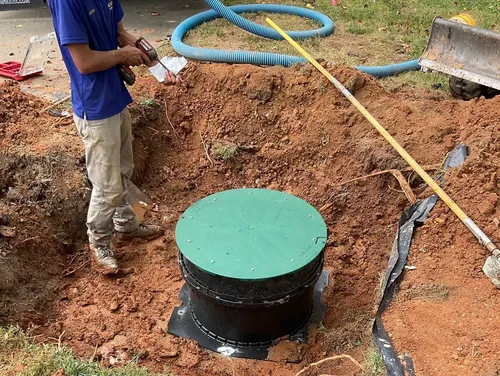
Installing or replacing a septic system is a significant investment in your property's long-term functionality and environmental health. In Clarksville, this process is governed by specific state regulations to ensure systems are safe, effective, and protect local groundwater. This guide explains the key steps, costs, and regulatory requirements for septic tank installation and system replacement in Montgomery County, helping you navigate the process and connect with qualified local professionals.
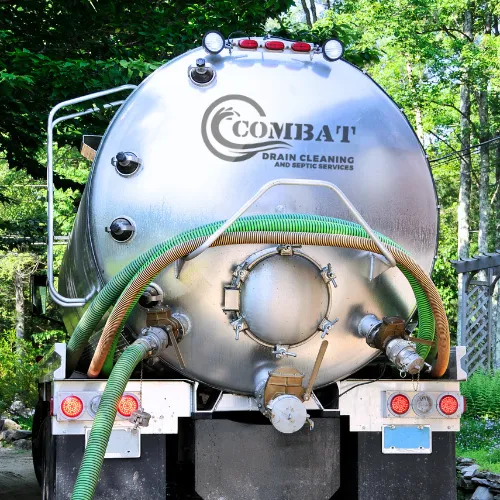
Combat Drain Cleaning and Septic Services
Clarksville, TN
Combat Drain Cleaning and Septic Services is a licensed septic system installer serving Clarksville, TN, and surrounding areas. They specialize in septic tank pumping, septic system inspection, drain cleaning, sump pump repair, leach field repair, and septic tank installation. With over 20 years of industry experience, they focus on maintaining and repairing residential septic and drainage systems. The company offers 24/7 availability, including after-hours service, to address urgent drain and septic issues promptly.
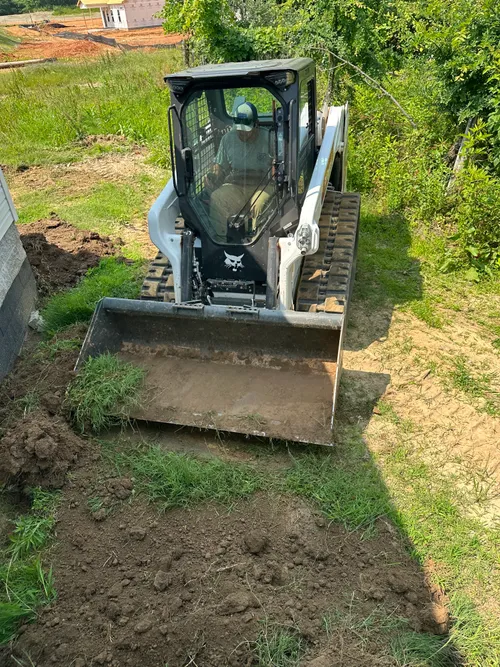
Stiffler's Plumbing, LLC
1464 Hickory Point Rd, Clarksville, TN 37043
Stiffler's Plumbing, LLC is a plumbing and septic tank installation contractor serving Nashville, TN. They provide septic system design and installation, plumbing repairs, water heater services, and excavation work. Their team focuses on safety, environmental standards, and reliable system performance. Based in Clarksville, Tennessee, they bring over 20 years of combined experience to their projects.
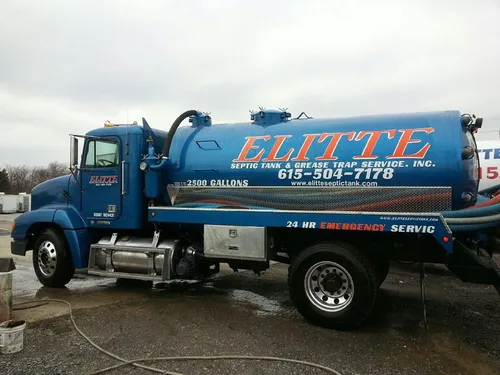
Elitte Septic Tank & Grease Trap Service, Inc.
1035 Bradley Dr, Springfield, TN 37172
Elitte Septic Tank & Grease Trap Service, Inc. provides septic tank pumping, inspection, repair, and installation services in Nashville, TN. The company handles locating septic tanks and field lines, pumping out tanks, repairing lines, and installing new septic systems with care and professionalism. They have experience working on challenging projects such as accessing tanks under concrete and rerouting plumbing to unused tanks. Their team is known for thorough excavation and cleanup after work is completed.
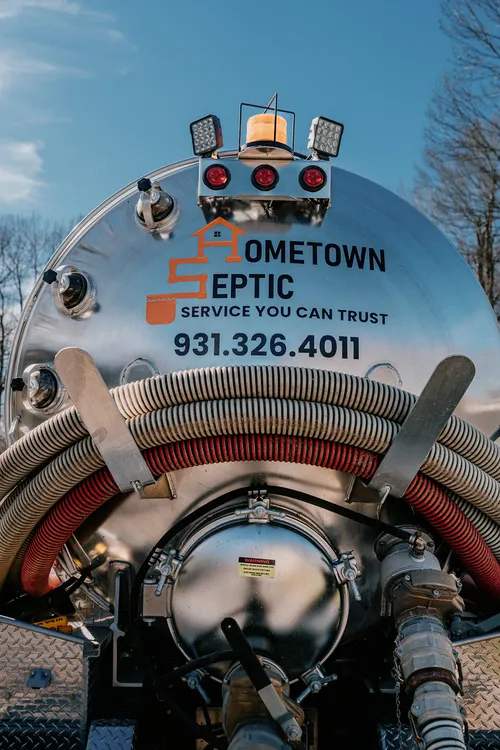
Hometown Septic
4576 Old Clarksville Pike, Clarksville, TN 37043
Hometown Septic is a family-owned business serving Nashville, TN, and nearby areas including Clarksville and Stewart County. With over 30 years of experience, they provide septic tank pumping, installation, maintenance, and repair services. They also offer roll-off dumpsters and portable restroom rentals, supporting both residential and commercial needs. The company is a registered SAM.gov vendor, supplying sanitation solutions for military and government projects such as Ft. Campbell, KY. Their team is equipped to handle a wide range of septic and sanitation tasks with professional expertise.
Alford Plumbing
3130 Old Sango Rd, Clarksville, TN 37043
Alford Plumbing is a family-owned plumbing contractor serving Nashville, TN, and surrounding areas including Clarksville, Stewart, Cheatham, Robertson, and Montgomery. With over 20 years of experience, they provide residential and commercial plumbing services, specializing in septic system installation and removal, city sewer solutions, and gas line services. Their certified team handles everything from assessments to installations, including the installation of E/One grinder pumps for homes below the main sewer line. Alford Plumbing offers same-day service options to address urgent plumbing needs efficiently.
Understanding the Permit Process in Tennessee
Before any digging begins, you must secure a construction permit from the Tennessee Department of Environment and Conservation (TDEC). This is a non-negotiable first step for any new septic system installation or major repair work. The permit application is submitted to your local TDEC Environmental Field Office, and the review process typically takes about 10 days, though state law allows a maximum of 45 days.
Permit fees vary based on the project:
- New Conventional System (up to 1,000 gallons per day capacity): Approximately $400.
- New Alternative System: Approximately $500 or more.
- Repair Permit: Usually issued without a fee.
The permit ensures your planned septic system design complies with all state standards for public health and environmental protection.
The Critical First Step: The Soil Percolation Test
The cornerstone of any septic system plan is the soil evaluation, commonly called a "perc" test. This test determines your soil's ability to absorb and filter wastewater, which directly dictates the size and type of system your property can support.
A licensed professional must perform the test, and TDEC must be notified at least three business days in advance 1. The process typically involves digging test holes at specific intervals (often in a 50-foot grid) across the proposed drain field area. Results are measured in minutes per inch (MPI). Importantly, soils that drain too quickly (a rate faster than 10 MPI) may not be suitable for a conventional septic system and could require an alternative design 1 2.
The cost for a perc test or full soil evaluation in the Clarksville area generally ranges from $150 to over $3,000, depending on the size of the land and site complexity.
Choosing the Right System and a Licensed Installer
Based on the perc test results, your property will be approved for a specific system type. A conventional gravity-fed system is most common, but sites with poor drainage, high groundwater, or steep slopes may require an alternative system, such as a mound, aerobic treatment unit (ATU), or drip irrigation system.
State law requires that all septic system construction and replacement work be performed by a Tennessee-licensed installer. You can verify a contractor's license through the TDEC website 3. When evaluating installers, ask about their experience with the specific type of system your property needs, request local references, and ensure they will handle all necessary inspections.
Installation, Inspections, and Final Approval
Once you have your permit and a licensed contractor, the physical installation can begin. State inspectors play a crucial role throughout this phase to ensure compliance with the approved design 4.
Key inspection stages include:
- Preliminary Inspection: A state official may evaluate the site before construction begins.
- Construction Inspection: This is required for all new and repaired systems to verify that installation techniques, materials, and placement align with the permit.
- Final Inspection: Before the drain field trenches are backfilled with soil, the completed system must be inspected and approved 5 6.
Failing to call for these mandatory inspections can result in system failure, environmental violations, and costly corrective actions.
Find the perfect septic tank installation & replacement contractors for your needs
Get personalized recommendations and expert advice
Cost Considerations for Installation and Replacement
The total cost for a septic system in Clarksville varies widely based on system type, soil conditions, and property layout. Here's a general breakdown of what you can expect:
- Standard Conventional System Installation: $5,000 - $15,000.
- System Replacement or Major Repair: $3,000 - $20,000 7. Replacement often costs as much as a new installation, especially if the drain field must be relocated.
- Alternative System Installation: Typically starts at a higher price point than conventional systems due to added components like pumps, timers, and specialized sand filters.
These figures are estimates; obtaining detailed quotes from several licensed installers is essential. Remember to factor in the separate costs for the soil perc test and the state permit fees.
Site Requirements and Common Challenges
Tennessee regulations include specific site criteria to ensure system safety and longevity. For example, the slope of the drain field area is generally restricted to 30% or less 8. Installers must also adhere to strict setback distances from wells, property lines, water bodies, and building foundations.
Common challenges Clarksville homeowners face include:
- High Water Tables: This can limit soil absorption and may necessitate an elevated mound system.
- Expansive Clay Soils: Common in the region, these soils have slow percolation rates, potentially requiring a larger drain field or alternative technology.
- Limited Space: Older properties or smaller lots may struggle to meet modern setback requirements, making system replacement more complex.
A reputable installer will identify these challenges during the initial site evaluation and propose viable solutions.
Maintaining Your New Septic System
After your new septic tank or full system is installed, proper maintenance is key to a long service life. This includes regular pumping (typically every 3-5 years), conserving water to avoid overloading the drain field, and avoiding flushing harmful chemicals or non-biodegradable materials. Keeping detailed records of inspections, pumping, and any repairs is also highly recommended for future reference and if you sell your property.
Frequently asked questions
Sources
Footnotes
-
I need a perc test! - Tennessee Land Development Services - https://www.tnlds.com/need-perc-test/ ↩ ↩2
-
Expert Septic Tank Planning Guidance - Smart Solutions - https://smartsepticpros.com/blog/septic-tank-planning-process/ ↩
-
Licensed Septic System Installers & Septic Tank Pumpers - TN.gov - https://www.tn.gov/environment/permit-permits/water-permits1/septic-systems-permits/ssp/wr-sds-active-installers-pumpers.html ↩
-
Septic System Construction Permit - TN.gov - https://www.tn.gov/environment/permit-permits/water-permits1/septic-systems-permits/ssp/permit-water-septic-system-construction-permit.html ↩
-
Tennessee Septic Systems Installation Study Guide - Quizlet - https://quizlet.com/854909950/tennessee-septic-systems-installation-study-guide-flash-cards/ ↩
-
Notice of Rulemaking Hearing - https://publications.tnsosfiles.com/rules_filings/09-22-08.pdf ↩
-
Understanding Septic Tank Permits and Regulations - https://westcoastsanitationinc.com/understanding-septic-tank-permits-and-regulations/ ↩
-
of 85 Pages Chapter 1200-1-6 Notice of Rulemaking Hearing ... - https://publications.tnsosfiles.com/rules_filings/11-29-07.pdf ↩