
Find the Best Septic Tank Installation & Replacement Contractors for Your Business
No obligation • Fast responses • Nationwide coverage

Why you can trust Septic Spot
Septic Spot is a leading United States resource for understanding and comparing septic services. Our editors review providers using consistent criteria and verify key business details. Listings and scores are independent, and companies cannot pay to influence our content.
Search providers near you
Top Septic Tank Installation & Replacement Contractors in Knoxville, Tennessee Ranked
Installing or replacing a septic system is a significant investment in your property's long-term functionality and environmental health. A properly designed and permitted onsite wastewater treatment system ensures safe sanitation, protects local groundwater, and maintains your home's value. For Knoxville homeowners, this process involves navigating specific local regulations, soil evaluations, and inspections. The information here can help you understand the steps, requirements, and what to look for in a qualified professional to manage your project.
SMK Plumbing & Electric
3300 Rifle Range Rd, Knoxville, TN 37918
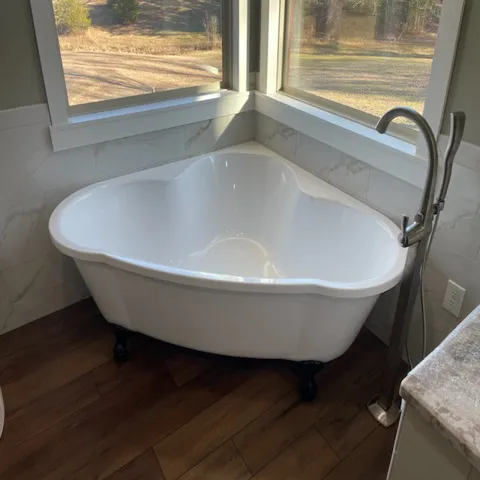
SMK Plumbing & Electric is a locally owned plumbing and electrical company based in Knoxville, TN. They provide a wide range of services including septic tank installation and repair, drain field repair and replacement, and septic pump repair or replacement. Serving both residential and commercial clients, SMK Plumbing & Electric also offers emergency plumbing services and specializes in new construction and remodel projects. Their capabilities include thorough septic system services and electrical work such as panel replacements and generator installations.
Bubba Dumps Septic & Sewer Works
127 Shultz Hollow Ln, Clinton, TN 37716
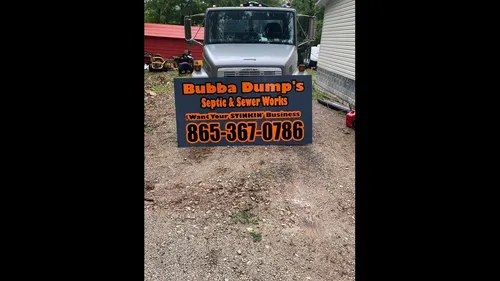
Bubba Dumps Septic & Sewer Works is a family-owned septic service provider based in Knoxville, TN, offering a wide range of septic system solutions. Their services include septic tank pumping, inspections, repairs, new system installations, and septic pump maintenance. They also provide drain cleaning and portable toilet rentals for events and job sites. With over 19 years of experience, the company serves Knoxville and surrounding areas, focusing on customized, reliable septic system care to protect property and maintain system efficiency. Bubba Dumps is available for 24/7 emergency service to address urgent septic needs.

Mr. Rooter Plumbing of Knoxville
111 Center Park Dr Suite 184, Knoxville, TN 37922
Mr. Rooter Plumbing of Knoxville is a licensed and insured plumbing company serving Knoxville, TN. They provide a wide range of plumbing services including septic tank pumping, septic system installation, sewer line repair, and hydro jetting. With over 46 years of experience, Mr. Rooter Plumbing offers durable plumbing repairs and guarantees workmanship backed by the Neighborly Done Right Promise®. Their team is equipped to handle both residential and commercial plumbing needs with transparent flat-rate pricing and a focus on customer communication.
Tennessee Home Craft and Plumbing
Knoxville, TN
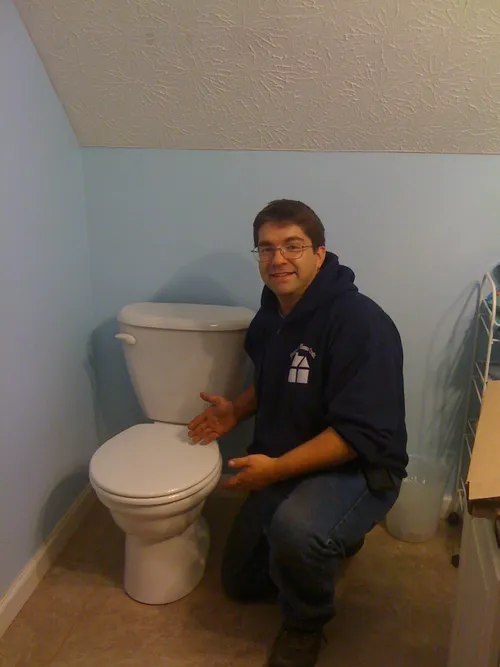
Tennessee Home Craft and Plumbing is a full-service plumbing company based in Knoxville, TN, serving Knox County and surrounding areas. They offer a range of plumbing services including septic system installation and repair, water heater repair and installation, sewer drain line inspection and cleaning, and camera inspection services. The company is equipped to handle septic tank locating and septic system repairs, as well as sewer jetting and troubleshooting leaks and clogs. Tennessee Home Craft and Plumbing is licensed and provides emergency services to address urgent plumbing needs.
Rocky Top Septic & Excavating Services LLC
10748 Rutledge Pike, Blaine, TN 37709
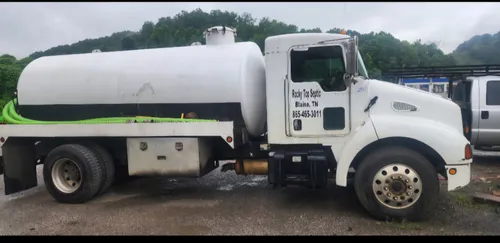
Rocky Top Septic & Excavating Services LLC offers septic tank pumping, inspection, repair, and installation services in Knoxville, TN. They serve Knox, Union, Grainger, Jefferson, and Sevier counties. The company is licensed and insured in Tennessee and provides new septic system installations as well as repairs. Their team is trained and background-checked to ensure professional service.
Understanding Knox County's Septic System Regulations
In Knoxville and the surrounding county, all new septic system installations, major repairs, and replacements are regulated by the Knox County Health Department's Groundwater Protection Division 1. This local oversight is crucial for protecting the region's water quality. You cannot begin any excavation or construction for a septic tank or drainfield without first obtaining the proper permit from this department.
The permitting process is designed to ensure the system is appropriate for your specific property's conditions. It typically involves a review of your site plan, a verified soil evaluation, and payment of applicable fees. The approval process can take up to 45 days, so planning ahead is essential for any new construction or urgent replacement project.
The Step-by-Step Permit Process
Navigating the permit application is the first critical phase of your septic project. Here's a breakdown of what's required in Knox County.
1. Initial Site and Soil Evaluation Before you can submit a permit application, a certified professional must evaluate your property's soil. This is often called a soil percolation test or a detailed soil map. The evaluator assesses the soil type, depth to bedrock or water table, and the slope of the land. This data determines the size, type, and design of the septic system your land can support. This evaluation typically costs between $600 and $800 when performed by a private consultant.
2. Submitting the Application With the soil report in hand, you or your chosen installer will submit a formal application for a Septic System Construction Permit. This is done through the Tennessee Division of Water Resources, often via the local health department 2. Your application must include:
- The completed permit forms.
- The official soil evaluation report.
- A detailed site plan showing the proposed location of the tank, drainfield, home, well (if applicable), property lines, and any waterways.
3. Gaining Approval The Knox County Groundwater Services team reviews your submission. They check that the proposed system matches the soil data, is sized correctly for the home's bedroom count, and is positioned a safe distance from wells, streams, and property lines3. Once approved, you will receive your permit and can schedule the required inspections. Permit fees for a new conventional system are approximately $400 for systems with a design flow of less than 1,000 gallons per day4 5.
Choosing a Licensed Septic Installer
State law requires that the physical installation or repair of a septic system be performed by a licensed Tennessee septic system installer. Working with a licensed professional is non-negotiable for compliance and ensures the work meets state and county health codes.
When comparing local septic contractors, verify their state license is current. A reputable installer will be familiar with the Knox County Health Department's specific paperwork and inspection protocols. They should handle the permit submission on your behalf and coordinate the necessary inspections throughout the construction process. You can find a list of active, licensed installers through state resources6.
The Three Phases of Construction & Inspection
Once your permit is approved and you have a licensed installer, construction begins. The work will be punctuated by three key inspections conducted by the health department 7.
- Site Inspection: This may occur before or during the permit phase to verify the conditions described in the soil report.
- Rough Construction Inspection: This is the most critical inspection. After the septic tank and drainage trenches are installed but before they are backfilled with soil, the inspector visits to verify everything is built according to the approved plan-checking depths, materials, and layout8.
- Final Inspection: After the system is completely installed, covered, and the landscape is restored, a final inspection is conducted for approval. Passing this inspection provides official sign-off that your system is operational and permitted.
Find the perfect septic tank installation & replacement contractors for your needs
Get personalized recommendations and expert advice
System Types and Cost Considerations
While conventional gravel-based trench systems are common, not all properties in the Knoxville area can support them due to soil composition, lot size, or topography. In these cases, an engineered septic system (or alternative system) may be necessary. These systems use advanced technology like pumps, sand filters, or peat tanks to treat wastewater and require specialized design and maintenance.
The total cost for a septic system installation varies widely based on system type and site conditions. For a standard conventional system, total costs often range from $5,000 to $10,000 or more9 10. An engineered system, due to its added complexity and components, will be significantly more expensive. The major cost factors include:
- System type (conventional vs. engineered).
- Tank size and material (concrete, fiberglass, plastic).
- Soil conditions and required drainfield size.
- Excavation difficulty (rocky terrain, accessibility).
- Permit and soil testing fees.
Planning for a System Replacement
Existing septic systems have a finite lifespan, typically 20 to 40 years. Signs you may need a septic tank replacement or full system replacement include frequent backups, soggy ground or standing water over the drainfield, and sewage odors. Replacing a system follows the same permit and installation process as a new installation11.
A key advantage during a replacement is that the health department may use existing site data, potentially streamlining the new design. However, if the original system failed due to poor soil, the new system may need to be located in a different area of your property or be a different, more suitable type.
Maintaining Your New Investment
After your new septic system is installed, proper maintenance is key to its longevity. This includes regular pumping of the tank (typically every 3-5 years), conserving water, and avoiding flushing harmful chemicals or non-biodegradable materials. Your installer should provide you with a detailed "as-built" diagram of your system's location and specific maintenance recommendations.
Frequently asked questions
Sources
Footnotes
-
Groundwater Protection - Health Department - Knox County Tennessee Government - https://www.knoxcounty.org/health/groundwater_protection.php ↩
-
SSDS FAQs - TN.gov - https://www.tn.gov/environment/permit-permits/water-permits1/septic-systems-permits/ssp/ssds-faqs.html ↩
-
Groundwater Services - Health Department - Knox County - https://www.knoxcounty.org/health/groundwater_protection/groundwater_services.php ↩
-
Septic System Construction Permit - TN.gov - https://www.tn.gov/environment/permit-permits/water-permits1/septic-systems-permits/ssp/permit-water-septic-system-construction-permit.html ↩
-
What is the purpose of a soil map in the septic permit process ... - https://www.facebook.com/groups/barndominiums/posts/1207569767338532/ ↩
-
Licensed Septic System Installers & Septic Tank Pumpers - TN.gov - https://www.tn.gov/environment/permit-permits/water-permits1/septic-systems-permits/ssp/wr-sds-active-installers-pumpers.html ↩
-
Septic Systems - Tennessee Valley Authority - https://tva.com/environment/shoreline-construction-permits/section-26a-guidance/septic-systems ↩
-
Residential Onsite Wastewater Treatment: Traditional Drainfields for Effluent Treatment - https://extensionpubs.unl.edu/publication/235/html/view ↩
-
Tennessee Septic License & Certification - ServiceTitan - https://www.servicetitan.com/licensing/septic/tennessee ↩
-
Engineered Septic Systems in Michigan: Costs, Maintenance, a 2026 Guide - https://www.michiganseptic.com/post/engineered-septic-systems-in-michigan-costs-maintenance-a-2026-guide ↩
-
What to Expect During a Septic System Replacement - Townes Septic Service - https://www.townesseptic.com/blog/what-to-expect-during-a-septic-system-replacement ↩