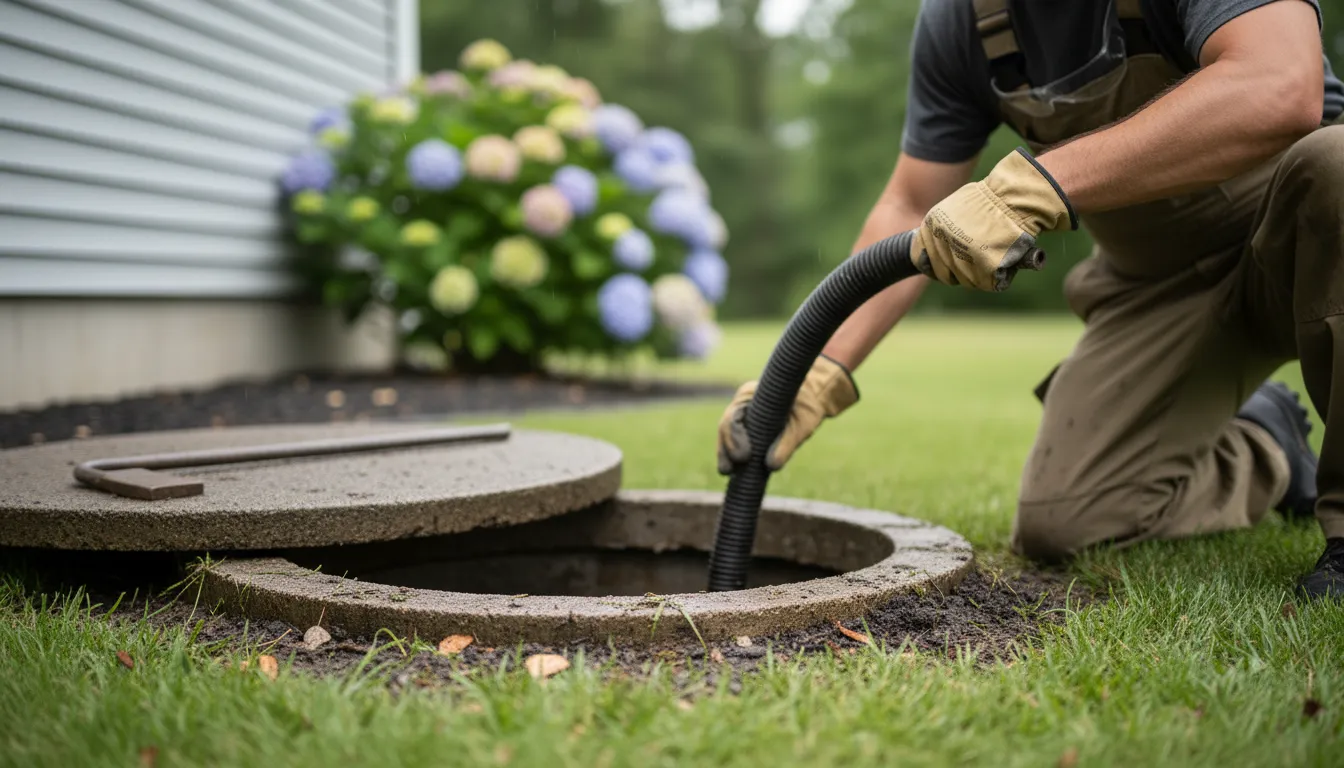
Find the Best Septic Tank Pumping Contractors for Your Business
No obligation • Fast responses • Nationwide coverage

Why you can trust Septic Spot
Septic Spot is a leading United States resource for understanding and comparing septic services. Our editors review providers using consistent criteria and verify key business details. Listings and scores are independent, and companies cannot pay to influence our content.
Search providers near you
Top Septic Tank Pumping Contractors in Alpharetta, Georgia Ranked
Maintaining your septic system is a crucial responsibility for homeowners in Alpharetta. Regular septic tank pumping and inspection are essential to prevent messy, costly, and environmentally harmful system failures. This guide provides local insights on recommended service schedules, costs, and best practices to help you find qualified professionals for your septic system maintenance needs.
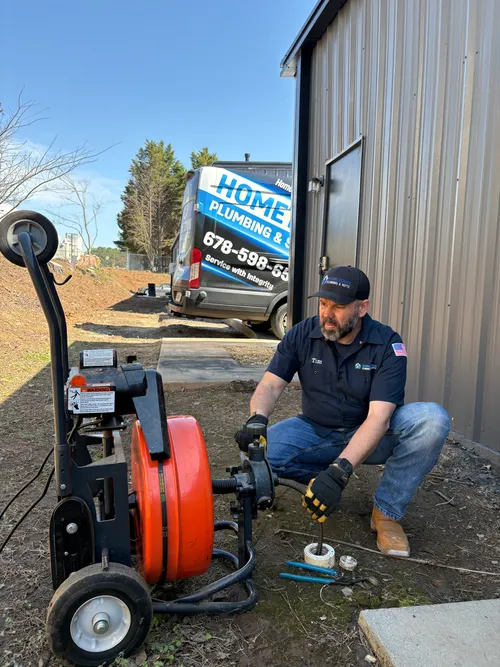
Hometown Plumbing and Septic
3375 Hutchinson Rd, Cumming, GA 30040
Hometown Plumbing and Septic provides professional septic services in South Fulton, GA, and the surrounding Metro Atlanta and North Georgia areas. They specialize in septic tank pumping, inspections, repairs, and complete system replacements for both residential and commercial properties. Their services also include drain field repair and lift station maintenance. With decades of experience and advanced equipment, they handle complex septic system issues with precision. They serve multiple counties including Barrow, Cherokee, Cobb, and others, offering preventative maintenance to help avoid emergency repairs.
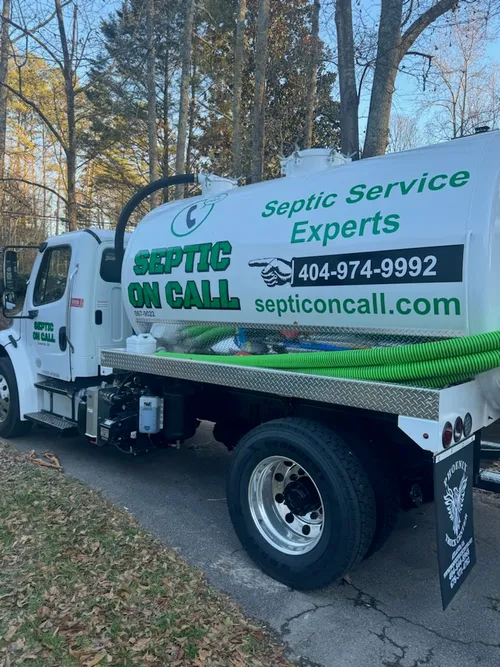
Septic On Call
2180 Satellite Blvd NW #400, Duluth, GA 30097
Septic On Call is a septic tank service provider based in Atlanta, GA. The company offers a range of services including septic tank pumping, inspections, repairs, and installation of septic tanks and drainfields. They provide thorough cleaning and maintenance to help prevent costly repairs and ensure proper system function. Septic On Call also specializes in diagnosing and repairing septic system issues, from minor leaks to major damage. The company offers 24/7 emergency services for septic tank problems and backups, responding quickly to urgent repair needs.
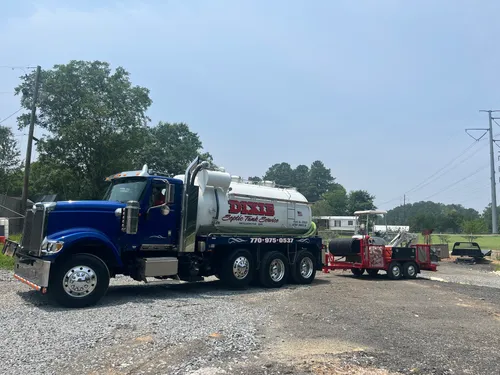
Dixie Septic Tank Service
4400 Pecan Ln SE, Acworth, GA 30102
Dixie Septic Tank Service is a family-owned business providing full-service septic solutions in South Fulton, GA. They offer septic tank pumping, installation, repair, and maintenance for both residential and commercial properties. Known for their transparent pricing and thorough workmanship, Dixie Septic has built a strong reputation through word-of-mouth referrals and long-term customer relationships. Their team also provides free second opinions on quotes from other companies, helping clients make informed decisions about their septic systems.
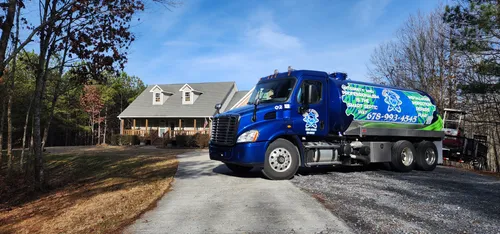
Smart Septic Pros
210 Holt Ct, Acworth, GA 30101
Smart Septic Pros is a septic tank pumping, inspection, and repair company based in South Fulton, GA. They provide thorough septic system maintenance aimed at reducing odors and sludge build-up to support healthier effluent discharge. With over a decade of experience and more than 1,000 tanks serviced, they handle everything from routine inspections to resolving solid blockages to maintain proper septic function. Their services focus on ensuring safety, compliance, and reliable waste management for homes in the area.
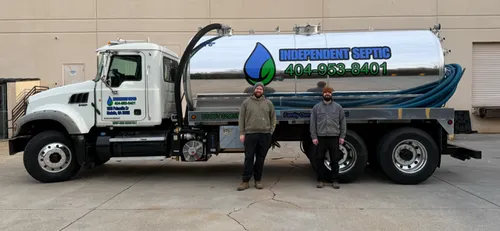
Independent Septic and Sewer LLC
Atlanta, GA
Independent Septic and Sewer LLC is a family-owned business serving Atlanta, GA, and surrounding counties. They provide septic tank pumping, cleaning, inspection, repair, and installation services for residential and commercial properties. With over 20 years of experience, the company offers expertise in diagnosing and repairing septic system issues, including drain field repairs and sewer line maintenance. They also provide a 10-year warranty on repairs and handle all necessary permits and building code requirements. Their services include thorough septic tank pumping that removes both liquids and solids, as well as hydro jetting and camera inspections when needed.
Understanding Your Septic System in Alpharetta
A septic system is an on-site wastewater treatment structure common in areas not served by municipal sewer lines. It consists of a septic tank and a drain field (or leach field). Solid waste settles in the tank, where bacteria break it down, while liquid effluent flows out into the drain field for further filtration into the soil. Over time, solids (sludge) accumulate and must be removed via pumping to prevent them from flowing into and clogging the drain field, which can lead to system backup and failure.
In Alpharetta and throughout Fulton County, these systems are regulated by the Georgia Department of Public Health's Environmental Health Section. Adhering to their guidelines and local county requirements is not just a matter of home maintenance; it's a matter of public and environmental health.
Recommended Pumping & Inspection Schedule
How often you need to schedule septic tank cleaning depends on several household factors. Following the right schedule is the most effective way to protect your investment and avoid emergencies.
General Pumping Frequency
The Georgia Department of Public Health (DPH) recommends pumping septic tanks every 3 to 5 years as a standard rule. This interval is a common baseline for an average-sized household with a properly sized tank.
When More Frequent Pumping is Needed
Certain conditions necessitate more frequent septic system service. You may need to pump every 1 to 2 years if:
- Your household has a higher number of occupants.
- You frequently use a garbage disposal, which adds substantial solids to the tank.
- Your septic tank is smaller relative to your home's size.
- Your system experiences high water usage from activities like multiple laundry loads per day 1.
Inspection Frequency
While pumping is done periodically, inspections should occur more regularly. System components-including the tank, distribution box, and drain field-should be checked annually to every 3 years. The City of Alpharetta has emphasized that routine maintenance is critical for system longevity 2. Many homeowners opt for an inspection every 1-3 years, with pumping performed as the inspection indicates it's needed.
Find the perfect septic tank pumping contractors for your needs
Get personalized recommendations and expert advice
What to Expect: Service Costs in the Atlanta Area
The cost for septic services in Alpharetta varies based on tank size, accessibility, and the scope of work. Prices in the metro Atlanta area generally align with the following ranges, according to local industry sources 3:
- Standard Pumping: The average cost to pump a septic tank ranges from $250 to $900, with a general average around $450.
- Inspection Only: A professional inspection without pumping typically costs between $200 and $350.
- Combined Inspection & Pumping: Bundling these services often provides value, with costs ranging from $400 to $600 for a standard system 4 5.
- Advanced System Inspection: If you have an Advanced Treatment Unit (ATU) or drip irrigation system, inspection costs are higher, usually between $500 and $750, due to the complexity 6.
Always get detailed quotes from certified professionals, as prices can be influenced by travel distance, tank lid accessibility, and the amount of sludge present.
Choosing a Certified Service Provider
For your safety and to ensure compliance with Georgia regulations, it is imperative to hire a state-certified professional for both inspections and pumping 7. Certification ensures the provider has the training to properly handle wastewater, identify system issues, and dispose of septage at approved facilities.
When evaluating local septic companies, verify their certification with the state, ask about their experience with systems in North Fulton County, and request references. A reputable provider will be happy to discuss their process and provide a clear, written estimate.
Protecting Your Septic System: Homeowner Best Practices
Proper daily care extends the life of your system between pumpings. Key practices include:
- Conserve Water: Stagger laundry loads, fix leaky faucets and toilets promptly, and install water-efficient fixtures to avoid hydraulically overloading the drain field.
- Mind What You Flush: Never flush grease, cooking oils, chemicals, paints, medications, or non-biodegradable materials like wipes, dental floss, or feminine hygiene products. These can clog pipes, harm the bacterial ecosystem, and contaminate groundwater 8.
- Protect the Drain Field: Never drive or park vehicles on the drain field, as compaction can crush pipes. Avoid planting trees or large shrubs nearby, as roots can infiltrate and damage lines 9.
- Keep Records: Maintain a log of all pumping dates, inspections, repairs, and the layout of your system components. This is invaluable for future service and if you sell your home.
For definitive guidance on local requirements, contacting the Fulton County Environmental Health office is highly recommended 10.
Signs Your System Needs Immediate Attention
Don't wait for your scheduled maintenance if you notice these warning signs of a failing system:
- Slow-draining sinks, tubs, or toilets.
- Gurgling sounds in plumbing.
- Sewage odors in the house or yard.
- Wet, spongy, or unusually lush green grass over the drain field.
- Sewage backing up into household drains.
If you observe any of these issues, contact a certified septic professional immediately to assess the situation and prevent further damage or environmental contamination.
Frequently asked questions
Sources
Footnotes
-
Frequent Questions on Septic Systems | US EPA - https://www.epa.gov/septic/frequent-questions-septic-systems ↩
-
Septic Tank Workshop for Homeowners Confused about ... - https://www.facebook.com/CityofAlpharetta/posts/septic-tank-workshop-for-homeownersconfused-about-maintaining-your-septic-system/1184298957070919/ ↩
-
How much does it cost to get a septic tank pumped out? - Reddit - https://www.reddit.com/r/homeowners/comments/1nyn7a4/how_much_does_it_cost_to_get_a_septic_tank_pumped/ ↩
-
How Much Does It Cost to Pump a Septic Tank in Atlanta, GA? - Angi - https://www.angi.com/articles/how-much-does-septic-tank-pumping-cost/ga/atlanta ↩
-
Septic Tank Pumping Cost: Guide & Pricing in 2025 - Splash Plumbing - https://www.splashplumbing.com/how-much-does-it-cost-to-pump-septic-tank-understanding-pricing-and-factors-involved/ ↩
-
Complete Guide to Septic Inspection in Georgia - https://dandhsepticservices.com/septic-inspection-in-georgia/ ↩
-
Georgia Septic System Guide: Regulations & Maintenance Tips - https://smartsepticpros.com/blog/georgia-septic-system-regulations/ ↩
-
Understanding Georgia's Septic Inspection Requirements - https://smartsepticpros.com/blog/septic-inspection-requirements/ ↩
-
Georgia Septic Tank Requirements | On-Site Sewage ... - https://www.ntotank.com/blog/georgia-septic-tank-requirements ↩
-
DPH - https://cms3.revize.com/revize/chattahoocheehillsga/DPH%20Septic%20Homeowners%20Guide-SCAN.pdf ↩