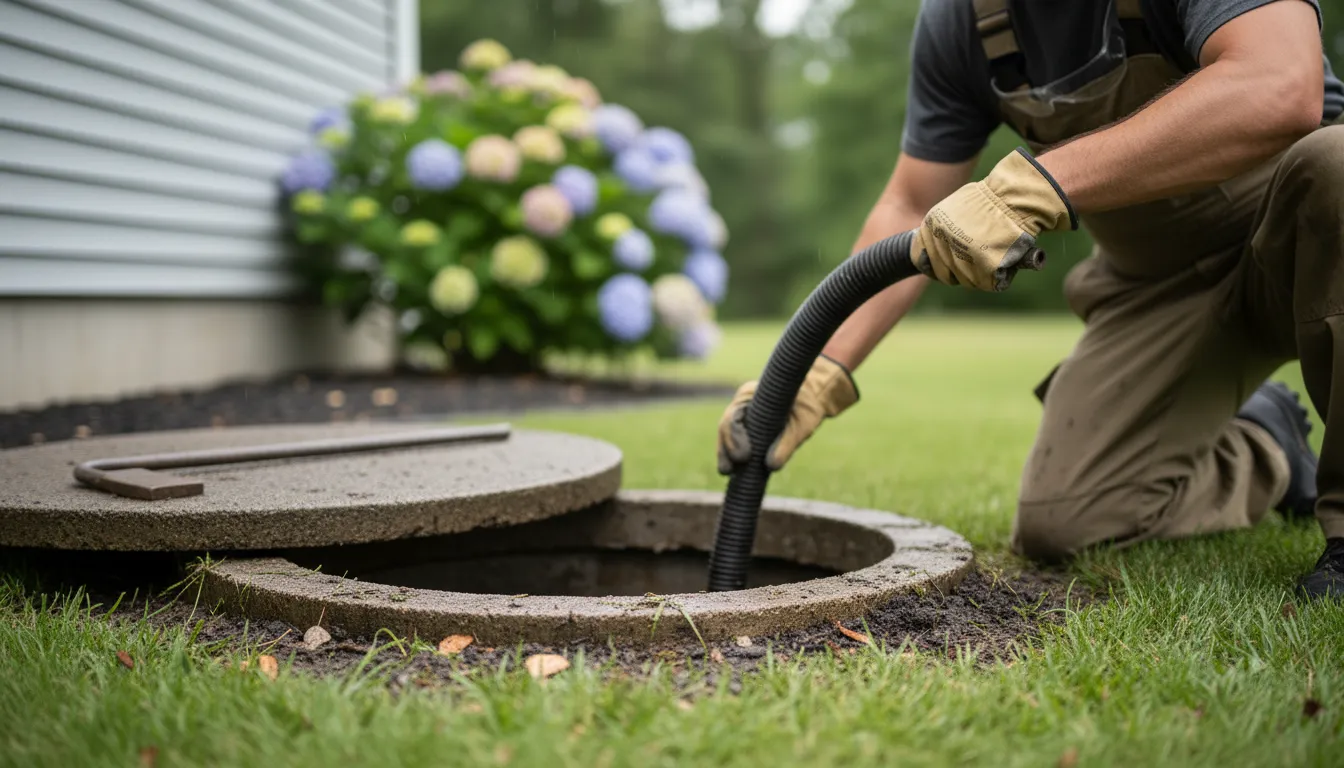
Find the Best Septic Tank Pumping Contractors for Your Business
No obligation • Fast responses • Nationwide coverage

Why you can trust Septic Spot
Septic Spot is a leading United States resource for understanding and comparing septic services. Our editors review providers using consistent criteria and verify key business details. Listings and scores are independent, and companies cannot pay to influence our content.
Search providers near you
Top Septic Tank Pumping Contractors in Macon, Georgia Ranked
Maintaining your septic system is a critical responsibility for any homeowner not connected to a municipal sewer line. Septic tank pumping is the essential service of removing accumulated solids-sludge and scum-from your tank to prevent system failure, environmental contamination, and costly repairs. For residents of Macon, understanding local regulations, recommended service intervals, and how to identify qualified professionals is key to protecting your property and public health. This guide provides the information you need to schedule proper maintenance and find reliable local service providers for your septic system needs.
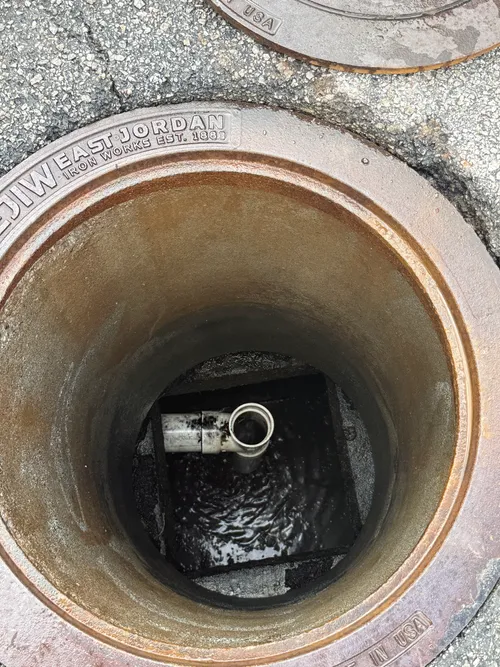
PumpIT Solutions -Septic & Sewer-
Atlanta, GA
PumpIT Solutions -Septic & Sewer- is a family-owned septic service provider based in Oxford, GA, serving Atlanta and all of Georgia. They offer a full range of septic services including tank pumping, repairs, new installations, lift station services, and high-pressure hydro jetting to maintain and restore septic system function. With over 21 years of experience, their OSHA-certified team uses modern equipment to deliver thorough and safe septic care. They also provide emergency services available 24/7 to address urgent septic issues promptly.

Mr. Rooter Plumbing of Middle Georgia
1077 Parkway Dr Suite A, Macon, GA 31220
Mr. Rooter Plumbing of Middle Georgia provides plumbing and septic services in Macon, GA. Their licensed and insured plumbers handle septic tank pumping and installation along with a wide range of plumbing repairs and maintenance. The company offers specialized capabilities such as hydro jetting, trenchless sewer line repair, and video camera inspection. Established since 1970, Mr. Rooter Plumbing has decades of experience serving residential and commercial customers. They also provide emergency plumbing services available 24/7 for urgent needs.
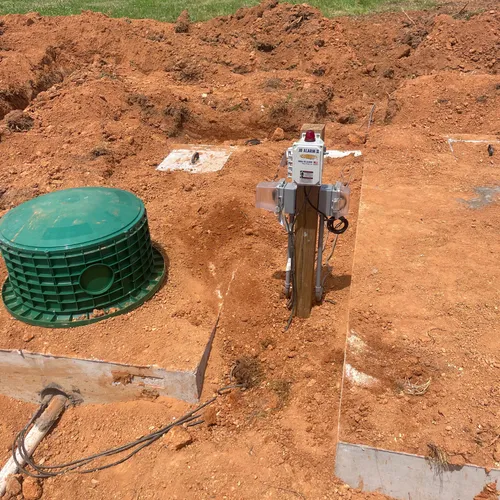
Underground Septic Services, LLC
2014 Riverside Dr Suite 2G, Macon, GA 31204
Underground Septic Services, LLC provides septic tank pumping, repair, and installation services in Macon, GA. The company serves a wide area including Bibb County, Jackson, Warner Robins, and several surrounding communities. They offer complete septic system solutions and provide warranties on their work.

Covenant Plumbing LLC
4268 Interstate Dr, Macon, GA 31210
Covenant Plumbing LLC is a plumbing company based in Macon, GA, serving residential and commercial customers throughout Middle Georgia. Since 2000, they have provided a range of plumbing services including septic tank pumping and inspection, sewer line replacement, water heater installation, and emergency plumbing repairs. Their team includes master plumbers equipped to handle projects of various sizes across communities such as Conyers, Covington, Forsyth, Fort Valley, and Warner Robins. Covenant Plumbing offers comprehensive plumbing solutions with a focus on septic tank services and is available for emergency plumbing needs.
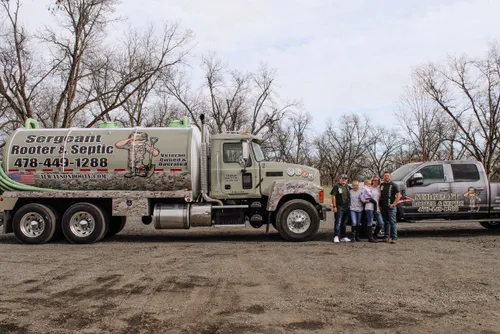
Sergeant Rooter and Septic
Macon, GA
Sergeant Rooter and Septic is a septic tank pumping, inspection, and repair company serving Macon, GA, and surrounding areas including Warner Robins, Kathleen, Bonaire, and more. They handle septic tank cleaning, system inspections, and repairs while following environmental regulations for several counties in Georgia. Their services include thorough septic system inspections to detect leaks or operational issues, helping to prevent costly repairs. The company offers same-day service to address urgent septic system needs.
Why Regular Septic Maintenance is Non-Negotiable
Your septic system is a silent workhorse, treating all the wastewater from your home. When functioning correctly, it safely separates solids, treats liquids, and returns clean water to the ground. However, without regular septic system pumping, the tank fills with solids that can flow into the drain field, causing clogs, backups, and complete system failure. In Macon, where many homes rely on on-site sewage management, proactive maintenance isn't just a suggestion-it's a necessity to avoid emergencies, protect local groundwater, and comply with Georgia state regulations.
How Often Should You Pump Your Septic Tank in Macon?
The golden rule for septic tank cleaning frequency is every 3 to 5 years 1 2. This is a general guideline, but your specific schedule depends on several factors:
- Household Size: More people generate more wastewater and solid waste, filling the tank faster.
- Tank Size: A standard 1,000-gallon tank will need service more often than a 1,500-gallon tank.
- Water Usage: Excessive use of washing machines, dishwashers, and garbage disposals accelerates sludge buildup.
For high-use households or those with smaller tanks, pumping may be required as often as every 1-2 years 3. The only way to know for sure is through a professional inspection, which should check the actual sludge and scum levels inside the tank.
Signs Your Macon Home Needs Pumping Immediately
Don't wait for a scheduled appointment if you notice these warning signs of a full tank or impending failure:
- Slow Drains: Sinks, showers, and toilets that drain slowly, especially throughout the house.
- Sewage Backups: Wastewater backing up into household drains.
- Foul Odors: Persistent sewage smells around the tank or drain field area.
- Lush or Soggy Lawn: Unusually green, wet, or spongy patches over the drain field, even in dry weather 4.
- Gurgling Sounds: Noises coming from your plumbing system.
If you experience any of these issues, contact a local septic service provider promptly to assess and pump your tank.
Understanding Septic Inspections in Georgia
A thorough inspection is the cornerstone of effective septic care. Georgia regulations, managed by the Department of Public Health (DPH), emphasize proper maintenance, and an inspection is often the first step 5.
Recommended Inspection Frequency
It is highly recommended to have your entire on-site sewage system inspected every 1 to 3 years, often in conjunction with a pumping service 6. This regular check-up can identify minor issues-like a damaged baffle or early signs of drain field problems-before they become major, expensive repairs.
What a Proper Inspection Entails
Beware of visual-only checks. A full, professional inspection in Macon should include:
- Locating and opening all tank access lids.
- Measuring the levels of sludge and scum.
- Inspecting the tank's interior, inlet/outlet baffles, and tees for structural integrity.
- Evaluating the drain field for signs of surfacing effluent or saturation.
- Checking pumps, alarms, and other mechanical components if present.
Always request this level of detail and keep records of all inspections and septic tank maintenance for your own files and for potential property sales 7 8.
Find the perfect septic tank pumping contractors for your needs
Get personalized recommendations and expert advice
Cost of Septic Tank Pumping in Macon
The price for septic pumping services varies based on tank size, accessibility, and condition. Based on current local and state data, here are typical price ranges for Macon, GA:
- Standard Pumping (Average): $290 - $700
- 1,000-Gallon Tank: $325 - $700
- 1,500-Gallon Tank: $450 - $1,100 9
Costs can increase for emergency or after-hours calls, or if the tank is severely overdue and the sludge has hardened, requiring more labor. In these emergency septic service scenarios, prices can range from $450 to $1,200 or more 10. Investing in routine service is always more cost-effective than paying for emergency repairs or a full system replacement.
Macon and Georgia Septic System Regulations
Septic system work in Georgia must be performed by licensed professionals. The Georgia DPH Rule 511-3-1 governs the permitting, installation, inspection, and maintenance of on-site sewage management systems 11. Homeowners are responsible for ensuring their system is operated and maintained properly to prevent public health hazards.
For questions about local compliance, permits, or reporting issues, you can contact the Macon-Bibb County Health Department Environmental Health Division. Keeping your system in good working order is not only good for your home but also for your community and the environment.
Choosing a Septic Service Provider in Macon
When it's time to schedule septic tank emptying or an inspection, selecting the right provider is crucial. Look for companies that:
- Hold a current license from the state of Georgia.
- Offer both pumping and comprehensive inspection services.
- Provide clear, upfront estimates and explain what their service includes.
- Have positive reviews and a good reputation in the Macon area.
- Are willing to show you what they found during the inspection and offer maintenance advice.
A reputable provider will be your partner in extending the life of your septic system for decades to come.
Frequently asked questions
Sources
Footnotes
-
homeowner's guide - to septic system maintenance - https://northgeorgiawater.org/wp-content/uploads/2017/10/SepticTankKit-MNGWPD.pdf ↩
-
Septic Systems | Department of Environmental Protection - https://www.pa.gov/agencies/dep/residents/my-water/septic-systems ↩
-
How Often Should You Pump Your Septic Tank? - Ricky Heath - https://www.rickyheathplumbing.com/blog/2025/september/how-often-should-you-pump-your-septic-tank-a-gui/ ↩
-
How Often Should You Pump Your Septic Tank: 3 Factors Solved - https://www.frasiers.com/blog/sewage-tank-pump-frequency/ ↩
-
Georgia Septic Tank Requirements | On-Site Sewage ... - https://www.ntotank.com/blog/georgia-septic-tank-requirements ↩
-
Complete Guide to Septic Inspection in Georgia - https://dandhsepticservices.com/septic-inspection-in-georgia/ ↩
-
2026 Guide to Septic Tank Installation - https://dandhsepticservices.com/septic-tank-installation/ ↩
-
Septic Tank Pumping Frequency Guidelines - https://www.beckertwpsherburnecomn.gov/sites/g/files/vyhlif16406/files/media/services/file/426/septic_tank_pumping_frequency_guidelines.pdf ↩
-
Septic Pumping Cost by State: 2024 Complete Price Guide - https://wastedoor.com/article/septic-pumping-cost-by-state ↩
-
How Much Does It Cost to Pump a Septic Tank? [2026 Data] | Angi - https://www.angi.com/articles/how-much-does-septic-tank-pumping-cost.htm ↩
-
GAC - Subject 511-3-1 ON-SITE SEWAGE MANAGEMENT SYSTEMS - https://rules.sos.ga.gov/gac/511-3-1 ↩