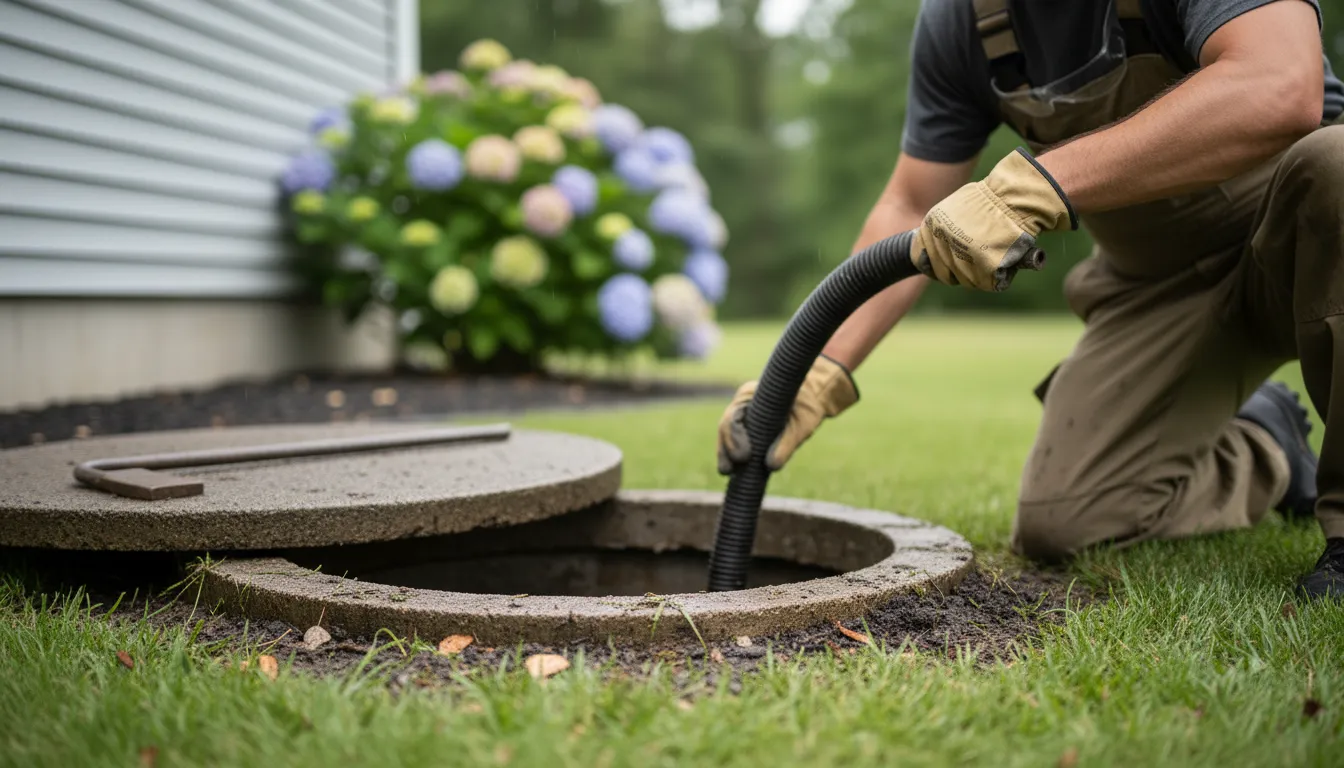
Find the Best Septic Tank Pumping Contractors for Your Business
No obligation • Fast responses • Nationwide coverage

Why you can trust Septic Spot
Septic Spot is a leading United States resource for understanding and comparing septic services. Our editors review providers using consistent criteria and verify key business details. Listings and scores are independent, and companies cannot pay to influence our content.
Search providers near you
Top Septic Tank Pumping Contractors in Savannah, Georgia Ranked
For Savannah homeowners with on-site sewage management systems, regular septic tank pumping is a critical, non-negotiable part of property maintenance. This essential service removes accumulated solids and scum to prevent system backups, costly drainfield failures, and environmental contamination. Understanding the local schedule, regulations, and what to expect from a professional service can help you protect your investment and maintain a healthy home environment.
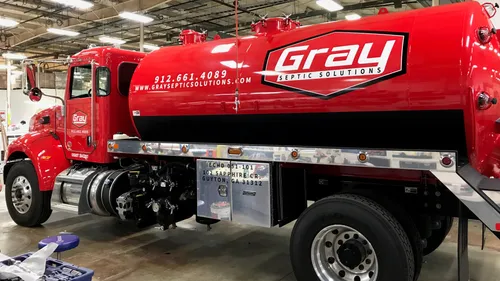
Gray Septic Solutions
Savannah, GA
Gray Septic Solutions is a locally owned septic service provider based in Savannah, GA. Since 2015, they have offered a range of services including septic tank pumping, inspections, repairs, installations, and drain field replacements. The company handles both residential and commercial septic needs with in-house design, permitting, and installation, ensuring quality control without subcontractors. They also provide 24/7 emergency septic services to address urgent issues promptly. Gray Septic Solutions is fully licensed and insured, with expertise in managing the unique challenges of Savannah's coastal soil and water conditions.
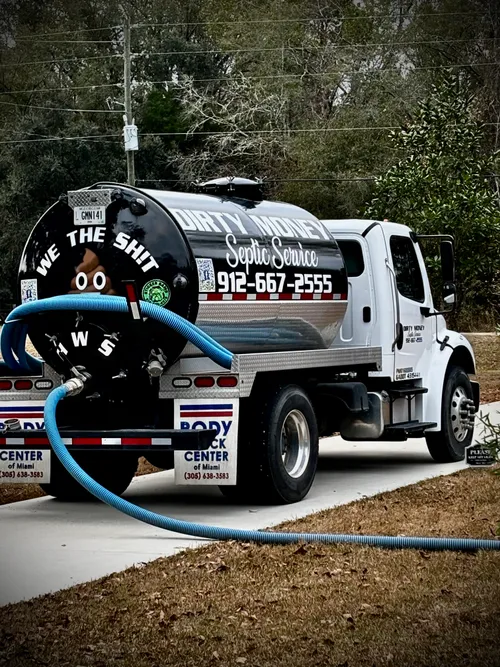
Dirty Money Septic Service
Savannah, GA
Dirty Money Septic Service is a veteran-owned company based in Savannah, GA, specializing in septic tank pumping and installation. They serve Chatham, Bryan, Effingham, and Bulloch Counties, providing routine maintenance and complete system installations. The team emphasizes integrity, transparency, and clear communication while delivering dependable septic solutions with years of practical experience.
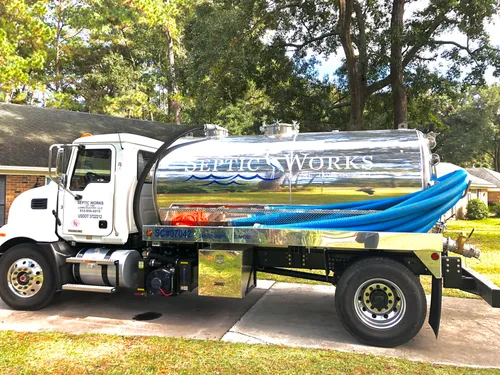
Septic Works of the Lowcountry
36 Clarendon Rd, Savannah, GA 31410
Septic Works of the Lowcountry is an owner-operated septic service company based in Savannah, GA. With over 10 years of experience, they provide a range of septic system services including installation, pumping, inspections, and drainfield repairs using Terralift technology. Their team handles residential and commercial septic needs, ensuring compliance with local regulations and tailored solutions for each property. They offer 24/7 emergency availability and personally oversee each project to maintain quality and timely completion.
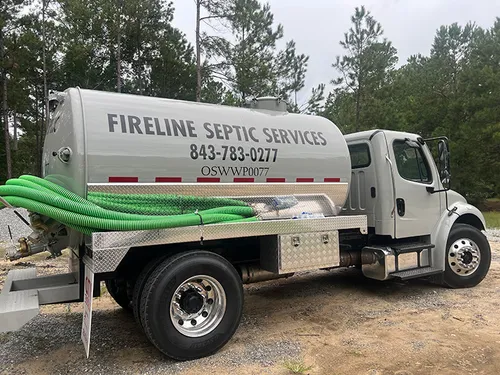
Fireline Septic Services LLC
Savannah, GA
Fireline Septic Services LLC is a veteran and locally owned business providing septic system services in Savannah, GA. They offer septic tank pumping, inspections with camera diagnostics, repairs, and new installations. Their capabilities include hydro-jetting to clear blockages and maintain system function. Fireline Septic Services serves several counties in South Carolina, including Jasper, Beaufort, Chatham, and Effingham.
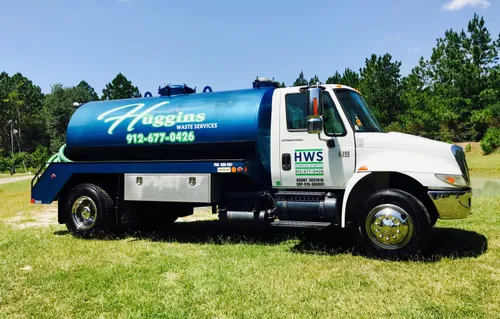
Huggins Waste Services
71 Horsetail Rd, Pembroke, GA 31321
Huggins Waste Services is a septic tank pumping and repair company serving Savannah, GA, and nearby areas including Pembroke. With over 20 years of experience, they provide septic system maintenance, repairs, and emergency services for both residential and commercial clients. The company uses modern equipment to address issues such as backups and clogs, ensuring septic systems function properly. Huggins Waste Services is known for offering prompt assistance and handling projects of various sizes.
Why Regular Septic Maintenance is Essential in Savannah
A septic system is a mini wastewater treatment plant buried in your yard. When functioning correctly, it safely processes household water from toilets, showers, sinks, and appliances. Over time, solids settle as sludge at the bottom of the tank, and lighter materials like fats and oils float to the top as scum. Septic tank cleaning-the process of pumping out these accumulated materials-is necessary to prevent them from flowing into and clogging the drainfield. A failed drainfield is one of the most expensive repairs a homeowner can face, often requiring complete replacement. In the humid, low-lying coastal environment of Savannah, a well-maintained system is also vital for protecting groundwater quality.
Recommended Pumping Schedule for Savannah Homes
How often you need septic tank service depends on several household factors. The general guideline for a typical family of four is to pump the tank every 3 to 5 years. However, this is just a starting point. The Georgia Department of Public Health and local health officials emphasize that the actual need is determined by the tank's condition, not just the calendar.
Key factors that may require more frequent septic system pumping include:
- Household Size: More people generate more wastewater and solids.
- Tank Size: Smaller tanks fill up faster.
- Garbage Disposal Use: Disposals significantly increase the amount of solids entering the tank.
- Water Usage: High-volume activities like frequent laundry loads or long showers can push solids through the system faster.
The definitive rule is to pump when the sludge and scum layers occupy too much space. The tank should be pumped if the bottom of the scum layer is within 6 inches of the outlet baffle, or if the sludge depth is at the outlet 1. An annual inspection by a licensed professional is the best way to monitor these levels and schedule pumping only when necessary.
Understanding the Pumping Process and Local Regulations
A professional septic pumping service involves more than just hauling waste away. A reputable provider will:
- Locate and uncover the tank's access lids.
- Inspect the tank's interior, baffles, and tees for damage.
- Use a vacuum truck to remove all contents-sludge, scum, and liquid-from the tank.
- Possibly rinse the tank with clean water to observe for leaks (though not all providers do this).
- Inspect the drainfield area for signs of failure, like soggy soil or unpleasant odors.
In Chatham County, you are required by law to use a contractor certified by the Georgia Department of Public Health for any septic system work, including pumping 2 3. This ensures the work is done correctly and waste is disposed of at a permitted treatment facility. Always request and keep a written report detailing the tank's condition and a receipt for the service for your records.
Cost of Septic Services in Chatham County
The price for septic tank emptying in Savannah varies based on tank size, accessibility, and the scope of service. Here is a general cost breakdown based on local market data 4 5:
- Routine Pumping (500-1,500 gallon tank): $200 - $500
- Basic Inspection (without pumping): $200 - $350
- Full Inspection with Pumping: $400 - $600
- Advanced/Alternative System Inspection: $500 - $750
For a standard 1,000-gallon tank, pumping costs typically range from $250 to $400 6. Remember, while cost is a factor, choosing a licensed, experienced provider is crucial for proper system care.
Find the perfect septic tank pumping contractors for your needs
Get personalized recommendations and expert advice
Protecting Your System Between Pumpings
Proper daily care extends the time between necessary pumpings and prolongs the life of your entire on-site sewage management system. Follow these maintenance tips:
- Conserve Water: Fix leaks and spread out high-water-use activities.
- Mind What You Flush: Only human waste and toilet paper should go down the toilet. Avoid flushing wipes (even "flushable" ones), feminine hygiene products, dental floss, and chemicals.
- Use the Trash, Not the Drain: Never pour cooking grease, coffee grounds, or harsh chemicals like paint thinner down the sink.
- Landscape Carefully: Do not drive or park vehicles over the drainfield. Plant only grass or shallow-rooted plants over it, and direct rainwater runoff away from the area.
- Maintain the Filter: Many modern tanks have an effluent filter on the outlet. This should be cleaned during your annual inspection or as needed 7.
Finding Your System Records and Planning for Service
If you're new to a home or haven't had your system serviced in a while, start by locating its records. You can contact the Chatham County Health Department to request septic system permit records, which will detail the system's design, size, tank location, and drainfield layout 8. This information is invaluable for a service provider.
When planning a septic tank clean-out, ensure the area around the tank lids is clear. Providers will need clear access to the tank, typically within 50-100 feet of where their truck can park. Discuss any concerns about landscaping or hardscapes (like decks or patios) that might be above the tank with the contractor beforehand.
Signs Your Savannah Septic Tank Needs Immediate Attention
Don't wait for your scheduled inspection if you notice these warning signs of a full or failing system:
- Slow Drains: Sinks, showers, and toilets that drain slowly, especially if plunging doesn't help.
- Gurgling Sounds: Bubbling or gurgling noises from your plumbing.
- Sewage Odors: Unpleasant smells inside your home or in the yard near the tank or drainfield.
- Wet, Spongy Yard: Soggy ground or standing water over the drainfield, particularly when it hasn't rained.
- Sewage Backup: The most severe sign, where wastewater comes back up into household drains.
If you observe any of these, contact a licensed septic service provider immediately to assess the situation.
Frequently asked questions
Sources
Footnotes
-
HOW OFTEN SHOULD YOU BE PUMPING YOUR SEPTIC TANK? - https://www.sandiegocounty.gov/content/dam/sdc/dpw/WATERSHED_PROTECTION_PROGRAM/WatershedRebates/SRP/PDF/Chart-Septic-Large.pdf ↩
-
Pumping Your Septic Tank - Northwest Georgia Public Health - https://nwgapublichealth.org/wp-content/uploads/2019/08/Pumping-your-Tank-brochure.pdf ↩
-
Do You Need a License to Pump a Septic Tank? - https://www.curbwaste.com/do-you-need-a-license-to-pump-a-septic-tank ↩
-
Optimizing Septic Tank Pumping Frequency for Households - https://www.unitedsewerservice.com/frequency-of-septic-tank-pumping-for-different-household-sizes/ ↩
-
Complete Guide to Septic Inspection in Georgia - https://dandhsepticservices.com/septic-inspection-in-georgia/ ↩
-
Georgia Septic System Guide: Regulations & Maintenance Tips - https://smartsepticpros.com/blog/georgia-septic-system-regulations/ ↩
-
DIY Septic Maintenance Tips for Georgia Homeowners - https://smartsepticpros.com/blog/diy-septic-system-maintenance-georgia/ ↩
-
How Often Should You Pump Your Septic Tank | Pumping Frequency - https://seaboundseptic.com/septic-services/how-often-should-you-pump-your-septic-tank/ ↩