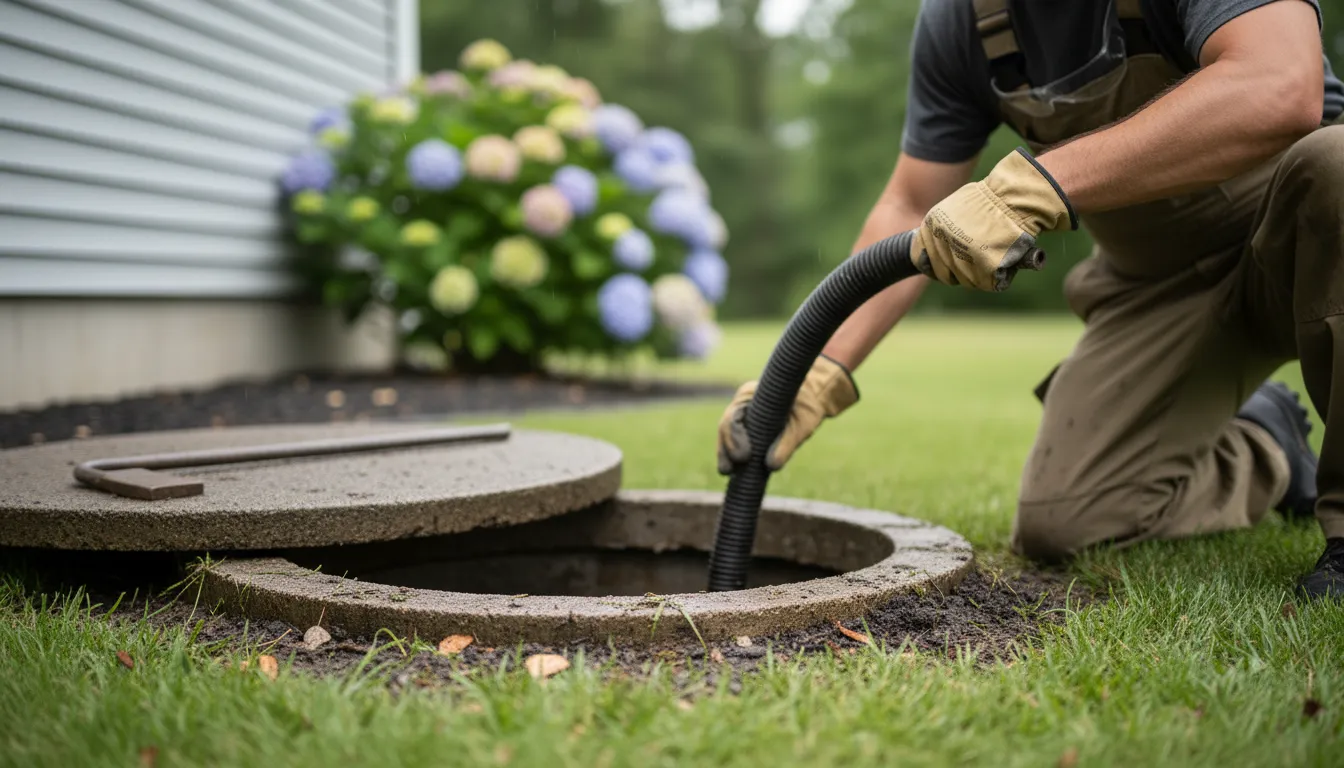
Find the Best Septic Tank Pumping Contractors for Your Business
No obligation • Fast responses • Nationwide coverage

Why you can trust Septic Spot
Septic Spot is a leading United States resource for understanding and comparing septic services. Our editors review providers using consistent criteria and verify key business details. Listings and scores are independent, and companies cannot pay to influence our content.
Search providers near you
Top Septic Tank Pumping Contractors in Athens, Georgia Ranked
Maintaining a healthy septic system is a crucial responsibility for homeowners in Athens, Georgia. Regular septic tank pumping is the most important preventative maintenance you can perform to avoid system backups, environmental contamination, and costly repairs. This guide provides essential information on septic system service, including recommended pumping schedules, local costs, and how to find qualified professionals in the Athens-Clarke County area to keep your system functioning properly for years to come.
Right Price Plumbing and Septic
Atlanta, GA
Right Price Plumbing and Septic is a local, family-owned company serving Atlanta, GA, and surrounding counties. They provide a range of residential and commercial plumbing and septic services, including septic tank pumping, inspection, repair, and installation. The company also offers drain inspection, emergency plumbing, and water heater repair. They are known for their comprehensive service options and have experience handling various plumbing and septic system needs. Right Price Plumbing and Septic serves multiple counties in Georgia and offers financing options to customers.
Curry Septic And Sewer
South Fulton, GA
Curry Septic And Sewer is a family-owned business serving South Fulton, GA, with over 25 years of experience in septic and sewer services. They offer septic tank pumping, inspection, repair, and installation for both residential and commercial clients. The company also handles sewer line repairs and provides maintenance programs designed for business septic systems. Curry Septic And Sewer is equipped to deliver 24/7 emergency service to address urgent septic and sewer issues promptly.

Patriot Heating, Cooling, Plumbing & Electrical
5386 S Apple Valley Rd, Jefferson, GA 30549
Patriot Heating, Cooling, Plumbing & Electrical is a veteran-owned business based near Athens, GA, offering septic tank pumping, inspection, and repair services. With over 15 years of experience, they provide comprehensive home comfort solutions including plumbing and electrical work. Their team is equipped to handle septic system issues promptly, including after-hours emergencies, ensuring systems are restored efficiently. Patriot is committed to connecting with the community and maintaining reliable service standards.
Septic Plus INC
437 S Elm St, Commerce, GA 30529
Septic Plus INC is a septic service provider based in Athens, GA, offering septic tank pumping, system installation, repairs, and drain field restoration. They serve residential and commercial customers in Athens and surrounding areas including Commerce, Jefferson, and Gainesville. The company manages all phases of septic projects, from soil surveys to regulatory compliance and engineered installations, including specialized mound systems and pressure-dosed fields. Septic Plus INC provides 24/7 emergency septic pumping and plumbing services, ensuring timely support when needed.
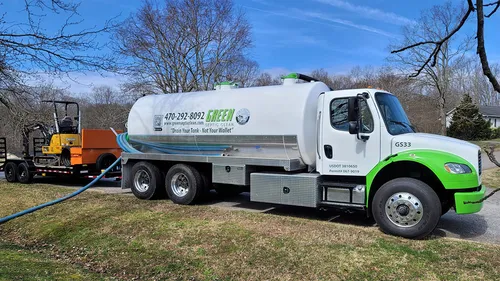
Green Septic Clean
2772 Maeve Ct NE, Dacula, GA 30019
Green Septic Clean is a septic tank pumping and repair company serving Atlanta, GA, and surrounding areas including Dacula, Athens, Royston, and Hartwell. They provide septic pumping, septic system repairs, and drain field restoration or replacement. The company offers emergency service available 24/7/365 to address urgent septic issues. Green Septic Clean is licensed, bonded, and insured, focusing on maintaining proper septic system function and preventing problems before they escalate.
Understanding Your Septic System
A septic system is an on-site wastewater treatment structure, typically used in areas without centralized sewer service. In Athens-Clarke County, many homes rely on these private systems. The process begins in the septic tank, a buried, watertight container where solids settle to the bottom as sludge, and fats and oils float to the top as scum. The liquid wastewater (effluent) then exits the tank into a drain field, where it is filtered through the soil.
The tank itself does not treat waste; it simply separates it. Over time, the accumulated sludge and scum layers must be removed through septic tank cleaning or septic tank emptying. If these layers become too thick, solids can flow into the drain field, clogging the soil and causing system failure. This is why proactive septic system maintenance is non-negotiable.
How Often Should You Pump Your Septic Tank in Athens?
The universal recommendation for Athens-Clarke County and the state of Georgia is to have your septic tank pumped every 3 to 5 years. This is not a one-size-fits-all schedule, however. Several factors can require more frequent septic service:
- Household Size: More people generate more wastewater and solids, filling the tank faster.
- Tank Size: Smaller tanks (e.g., 750-1,000 gallons) fill up more quickly than larger ones.
- Total Wastewater Generated: High water usage from laundry, long showers, and frequent toilet flushing accelerates accumulation.
- Use of a Garbage Disposal: Using a garbage disposal significantly increases the amount of solids entering the tank-by up to 50% in some estimates1 2. If you use a disposal regularly, you should plan for pumping on the shorter end of the 3-5 year range, or even more often. Some experts recommend installing a larger tank capacity if a disposal is used frequently3.
Waiting until you have a problem-like slow drains, sewage odors, or soggy ground over the drain field-often means you're facing a much more expensive repair. Adhering to a regular septic tank maintenance schedule is always more cost-effective.
What to Expect During a Professional Pumping Service
Hiring a certified professional for septic tank pumping is essential. Proper service involves more than just removing waste. A reputable provider will typically follow a comprehensive process:
- Locating and Exposing the Tank: The technician will find and uncover the tank's access lids.
- Inspecting the System: Before pumping, a basic inspection checks the tank's structural integrity, inlet and outlet baffles (which prevent solids from exiting), and any effluent filters. The technician will also note the sludge and scum levels to confirm pumping is needed4.
- Pumping the Tank: Using a large vacuum truck, all contents-sludge, scum, and liquid-are pumped out and transported to an approved treatment facility.
- Post-Pumping Inspection: After the tank is empty, a clearer inspection can be made for cracks, leaks, or baffle damage. The drain field area may also be evaluated for signs of failure.
- System Advice: The service professional should provide you with a report and recommendations for any needed repairs or the date for your next scheduled pumping.
Never attempt to open or pump your own septic tank. The gases inside are hazardous, and improper handling can damage the system or cause injury.
Cost of Septic Tank Pumping and Inspection in Athens
The cost for septic tank servicing in Athens varies based on tank size, accessibility, and the scope of work. Here is a general breakdown of what homeowners can expect to pay5 6:
- Basic Inspection (without pumping): $200 - $350
- Combined Pumping & Full Inspection: $400 - $600
- Pumping a 1,000-Gallon Tank: $325 - $700
- Pumping a 1,500-Gallon Tank: $450 - $1,100
- Pumping a 2,000+ Gallon Tank: $700+
Additional costs can arise if the tank is deep, hard to access, or if the lids need to be excavated. While price is a factor, choosing a licensed and insured professional with good local references is critical for a job done correctly.
Find the perfect septic tank pumping contractors for your needs
Get personalized recommendations and expert advice
Beyond Pumping: Essential Septic System Maintenance
Septic tank pumping is the cornerstone of maintenance, but a holistic approach will maximize your system's lifespan.
- Conserve Water: Spread out laundry loads and fix leaky faucets to avoid overwhelming the drain field.
- Mind What You Flush: Only human waste and toilet paper should go down the drain. Never flush wipes (even "flushable" ones), feminine hygiene products, diapers, grease, coffee grounds, or chemicals. These clog tanks and kill the necessary bacteria.
- Protect the Drain Field: Never drive or park vehicles on the drain field. Avoid planting trees or deep-rooted shrubs nearby, as roots can infiltrate and clog pipes. Keep roof drains and sump pumps directed away from the area.
- Keep Records: Maintain a log of all pumping, inspections, and repairs. This is valuable for troubleshooting and is often required if you sell your home.
Local Athens-Clarke County Resources and Regulations
Athens-Clarke County provides valuable resources for homeowners with septic systems. The local Environmental Health Office is the authority for permits, inspections for new installations, and investigating system failures. Always contact them for specific regulatory questions.
The county also runs a Septic System Education Program aimed at helping residents understand and maintain their systems to protect public health and local waterways7. Furthermore, the North Georgia Water District publishes a detailed Homeowner's Guide to Septic System Maintenance that is an excellent reference for best practices8.
Signs Your Septic System Needs Immediate Attention
Don't wait for your scheduled pumping if you notice these warning signs of a problem:
- Slow drains and gurgling plumbing fixtures throughout the house.
- Sewage odors indoors or around the tank/drain field area.
- Water pooling or unusually lush, green grass over the drain field.
- Backups in household drains or toilets. If you observe any of these issues, contact a septic service professional immediately to assess the situation before it escalates into a full system failure.
Frequently asked questions
Sources
Footnotes
-
DPH - https://cms3.revize.com/revize/chattahoocheehillsga/DPH%20Septic%20Homeowners%20Guide-SCAN.pdf ↩
-
How Often Do I Need Septic Tank Pumping in North GA? - https://www.septicservicepro.com/blog/how-often-do-i-need-septic-tank-pumping-in-north-ga/ ↩
-
A HOMEOWNER'S GUIDE TO ON-SITE SEWAGE ... - https://dph.georgia.gov/document/document/guide-septic-tanks/download ↩
-
Georgia Septic System Guide: Regulations & Maintenance Tips - https://smartsepticpros.com/blog/georgia-septic-system-regulations/ ↩
-
How Much Does It Cost to Pump a Septic Tank? [2026 Data] | Angi - https://www.angi.com/articles/how-much-does-septic-tank-pumping-cost.htm ↩
-
Complete Guide to Septic Inspection in Georgia - https://dandhsepticservices.com/septic-inspection-in-georgia/ ↩
-
Septic System Education Program | Athens-Clarke County, GA - https://www.accgov.com/5317/Septic-System-Education-Program ↩
-
homeowner's guide - to septic system maintenance - https://northgeorgiawater.org/wp-content/uploads/2017/10/SepticTankKit-MNGWPD.pdf ↩