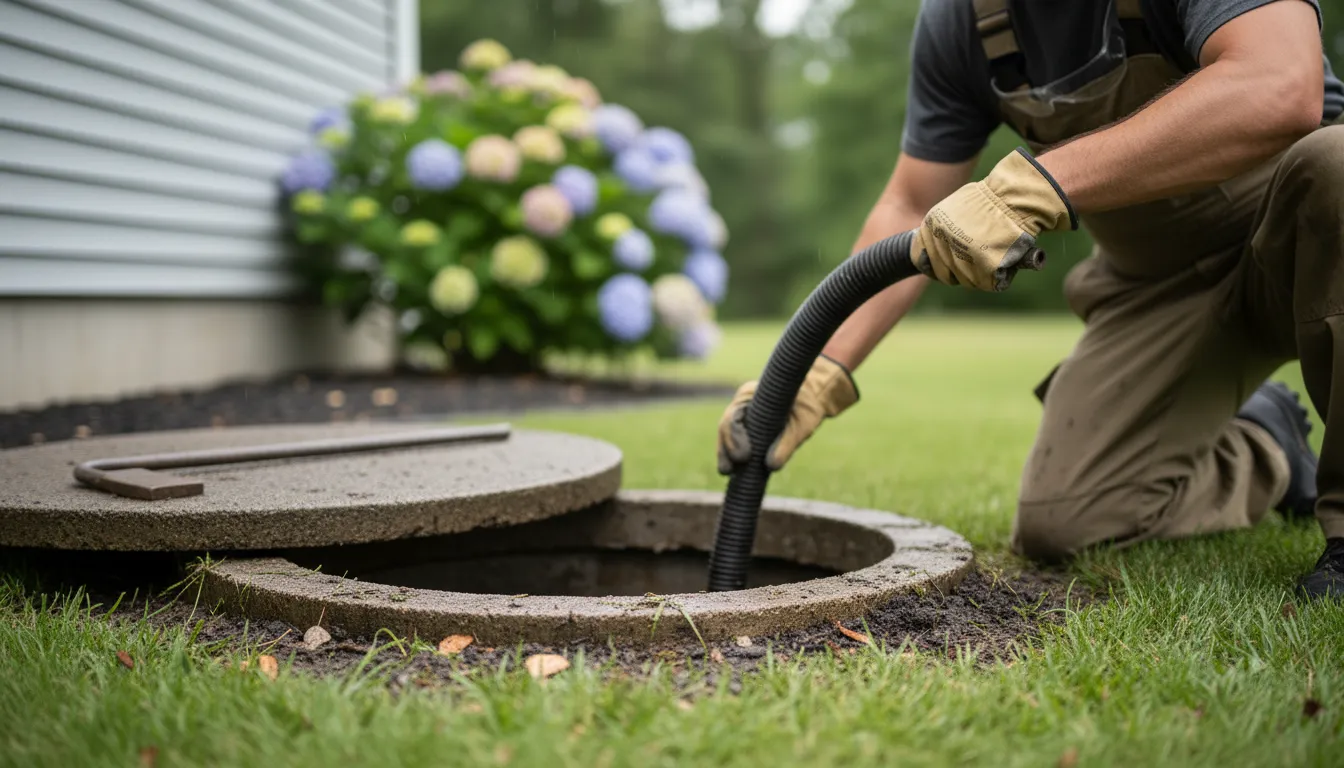
Find the Best Septic Tank Pumping Contractors for Your Business
No obligation • Fast responses • Nationwide coverage

Why you can trust Septic Spot
Septic Spot is a leading United States resource for understanding and comparing septic services. Our editors review providers using consistent criteria and verify key business details. Listings and scores are independent, and companies cannot pay to influence our content.
Search providers near you
Top Septic Tank Pumping Contractors in Columbus, Georgia Ranked
Maintaining your septic system is a critical responsibility for Georgia homeowners. Regular septic tank pumping is the most important preventative maintenance task you can perform to avoid system failure, environmental contamination, and costly repairs. This guide provides clear, practical information on how septic pumping works in Georgia, including state-specific regulations, recommended maintenance schedules, and what to expect from a professional service. Use this information to make informed decisions and find qualified local professionals to keep your system functioning properly for years to come.
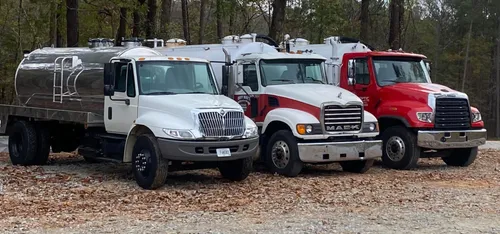
Dirty Mike's Septic & Hydro Jetting service
33 Mulberry Dr, Fortson, GA 31808
Dirty Mike's Septic & Hydro Jetting service is an owner-operated company based in Columbus, GA, providing a range of septic system services including pumping, inspection, repair, and installation. With over 15 years of experience, the business serves both residential and commercial clients, offering specialized capabilities such as hydro jetting and sewer cleaning. The company is available 24/7 to handle routine maintenance as well as emergency septic system repairs and installations.
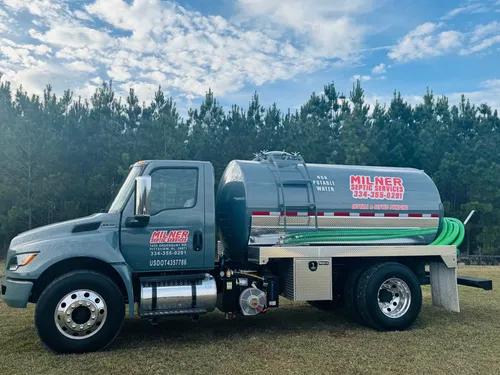
Milner Septic Services
Columbus, GA
Milner Septic Services is a family-owned company providing septic tank pumping, inspection, and installation in Columbus, GA. They serve East Alabama and West Georgia, including areas like Eufaula, Fort Mitchell, and Phenix City. The company offers specialized septic pumping with proper waste disposal and emergency septic services for backup or overflow situations. Milner Septic emphasizes septic-safe practices to help homeowners avoid costly repairs and uses equipment designed to minimize disruption during service.
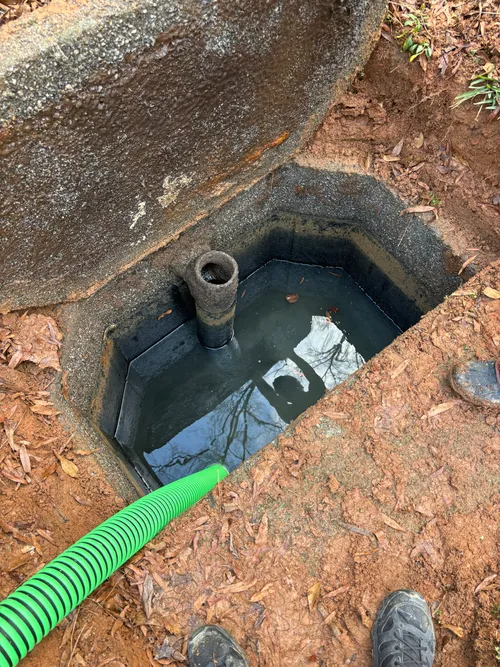
Turdbusters Septic and Plumbing
191 Arrowhead Dr, Waverly Hall, GA 31831
Turdbusters Septic and Plumbing is a septic tank pumping, inspection, and installation company serving Columbus, GA. They provide certified septic tank inspections with reports required for real estate transactions and land improvements. Their services include septic pumping and drain cleaning, following state recommendations for regular maintenance to ensure system health.
A&B septic services
233 Jones Rd, Cataula, GA 31804
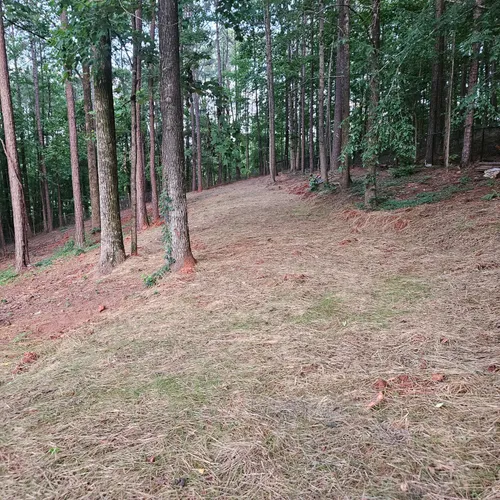
A&B septic services is a septic tank pumping, repair, and installation company based in Columbus, GA. They provide services including tank installation, system repairs, pumping and maintenance, as well as drain field repair and clearing. Their coverage includes multiple counties around Columbus, such as Harris, Talbot, Meriwether, Troup, Muscogee, Marion, Taylor, Pike, and Upson. The company also offers grading and landscaping related to septic systems.
D&H Septic Services
3532 Dr Deryl Hart Rd, Buena Vista, GA 31803
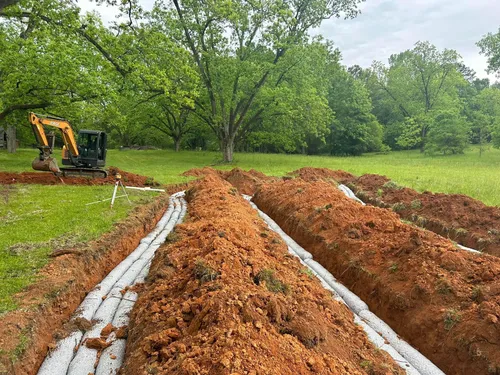
D&H Septic Services is a family-owned company based in Marion County, serving Columbus, GA, and surrounding areas including Muscogee, Harris, Sumter, and Macon counties. They provide a range of septic services such as pumping, system installation, inspections, repairs, and maintenance for both residential and commercial clients. With over 16 years of experience since 2008, D&H Septic Services employs certified technicians and modern equipment to handle routine and emergency septic needs.
Why Septic System Maintenance is Essential in Georgia
A septic system is an on-site wastewater treatment plant for your home. When functioning correctly, it safely processes household water from toilets, showers, sinks, and appliances. Solid waste settles in the tank as sludge, while oils and grease float as scum. The clarified liquid in between flows out to the drain field for final filtration into the soil.
Without regular pumping, sludge and scum accumulate, reducing the tank's holding capacity and efficiency. Eventually, solids can flow into the drain field, clogging the soil pores and causing a system backup or failure. In Georgia, with its varied soil types and sometimes high water tables, a failing system can quickly lead to sewage surfacing in your yard or backing up into your home, creating a serious health hazard and environmental issue.
Georgia Regulations and Homeowner Responsibilities
The Georgia Department of Public Health (DPH) regulates on-site sewage management systems through state rules and local county health departments. While Georgia state law does not mandate a specific pumping schedule, the DPH and all experts strongly recommend it as a core part of responsible homeownership.
Homeowners are legally responsible for the proper operation and maintenance of their septic systems. This includes:
- Ensuring the system is pumped at appropriate intervals.
- Conserving water to avoid overloading the system.
- Keeping detailed records of inspections, pumping, repairs, and permits.
- Protecting the drain field from compaction by vehicles or construction.
- Ensuring proper surface drainage directs water away from the system area.
Before any new installation or major repair, a permit from your local county health department is required. These departments also enforce regulations regarding system setbacks from wells, property lines, and waterways 1.
Recommended Pumping Frequency for Georgia Homes
The universal guideline for septic tank pumping in Georgia is every 3 to 5 years. This is not a one-size-fits-all rule, however. Several factors can necessitate more frequent service, potentially as often as every 2-3 years:
- Tank Size: Smaller tanks fill with solids more quickly.
- Household Size: More people generate more wastewater and solid waste.
- Water Usage Habits: Excessive use from long showers, frequent laundry loads, or leaky fixtures overwhelms the system.
- Garbage Disposal Use: Disposals significantly increase the amount of solids entering the tank.
- Age of the System: Older systems may be less efficient or have underlying issues.
The only way to know for sure is through a professional inspection. Technicians can measure the sludge and scum layers to determine if pumping is needed, regardless of the calendar date.
What to Expect During Professional Pumping & Inspection
A thorough septic service involves more than just removing waste. Reputable licensed professionals will follow a comprehensive process.
1. Locating & Accessing the Tank: The technician will locate the tank and riser lids. If your tank lacks risers (concrete access ports at the surface), installing them is highly recommended for easier future access.
2. Comprehensive Inspection: Before pumping, a good technician will inspect key components:
- Sludge and Scum Levels: Measured to determine the need for pumping and assess accumulation rates.
- Tank Structure: Checking for cracks, corrosion (in metal tanks), or leaks.
- Baffles and Outlet Filter: Ensuring inlet/outlet baffles are intact and the outlet filter (if present) is clean. Georgia regulations often require approved outlet filters to prevent solids from escaping.
- Drain Field Observation: Checking for signs of failure, such as soggy soil or unpleasant odors near the field.
3. Pumping: Using a vacuum truck, all solid and liquid waste is pumped from the tank. The material (septage) is then transported to a licensed treatment or disposal facility, as required by Georgia's septage removal permit regulations 2.
4. Post-Service Report: You should receive a detailed report noting the tank's condition, any issues found, and recommendations for future maintenance or repairs.
Find the perfect septic tank pumping contractors for your needs
Get personalized recommendations and expert advice
Costs Associated with Septic Services in Georgia
Understanding potential costs helps homeowners budget for routine care and avoid being surprised by emergency repairs.
- Routine Pumping: This is generally a minor maintenance expense, typically ranging from $300 to $700, depending on tank size, accessibility, and your location in Georgia 3.
- System Inspection: Often performed alongside pumping, a thorough inspection is a wise investment. Some companies include a basic inspection with pumping, while more detailed evaluations (like those needed for a real estate transaction) may cost extra.
- Repairs: Costs vary widely based on the problem. Replacing a damaged baffle or outlet filter may cost a few hundred dollars. Repairing a clogged or damaged drain field line can run into the thousands.
- Complete System Replacement: This is the most significant cost. Replacing a conventional septic tank and drain field system in Georgia typically ranges from $5,000 to $12,000. For more complex systems, like Aerobic Treatment Units (ATUs), replacement can cost $10,000 to $20,000 or more4 5.
Tip: Some Georgia counties, like Forsyth County, have been known to offer incentives or rebates for regular septic system maintenance. Always check with your local health department for any available programs 6.
Proactive Maintenance Tips for Georgia Homeowners
Between professional pumpings, you can take simple steps to extend your system's life.
- Conserve Water: Fix leaky toilets and faucets immediately. Spread out laundry loads over the week instead of doing many loads in one day. Install water-efficient fixtures 7.
- Mind What You Flush: Only human waste and toilet paper should go down the toilet. Never flush wipes (even "flushable" ones), feminine hygiene products, dental floss, cooking grease, or chemicals.
- Protect the Drain Field: Never drive or park vehicles on the drain field. Do not build structures, patios, or store heavy items over it. Keep roof drains, sump pumps, and other surface water directed away from the area 8.
- Use Bacteria Additives Wisely: While not a substitute for pumping, routine use of a bacterial additive designed for septic systems can help break down solids. Avoid chemical "cleaners" that can harm the essential bacteria in your tank 9.
Choosing a Licensed Service Provider in Georgia
Always hire a licensed and insured septic professional. Licensing ensures the contractor understands Georgia's specific regulations and proper waste disposal protocols. Ask for proof of insurance and their septage removal permit. Seek out companies with good local reputations, clear service descriptions, and transparent pricing. Reading reviews and asking neighbors for recommendations are excellent ways to find reliable service.
Frequently asked questions
Sources
Footnotes
-
Georgia Septic System Guide: Regulations & Maintenance Tips - https://smartsepticpros.com/blog/georgia-septic-system-regulations/ ↩
-
GA R&R - GAC - Subject 511-3-1 ON-SITE SEWAGE MANAGEMENT SYSTEMS - https://rules.sos.ga.gov/gac/511-3-1 ↩
-
Complete Guide to Septic Inspection in Georgia - https://dandhsepticservices.com/septic-inspection-in-georgia/ ↩
-
First-Time Septic Owner? What Every New Homeowner in ... - https://www.metroseptic.com/blog/first-time-septic-owner-what-every-new-homeowner-in-north-georgia-needs-to-know/ ↩
-
Septic holding tanks vs. septic tanks: 6 key differences - https://www.premiertechaqua.com/en-us/blog/holding-tank-vs-septic-tank ↩
-
Can someone advise how often do you need to pump the septic ... - https://www.facebook.com/groups/798769212353806/posts/1050381693859222/ ↩
-
homeowner's guide - to septic system maintenance - https://northgeorgiawater.org/wp-content/uploads/2017/10/SepticTankKit-MNGWPD.pdf ↩
-
DPH - https://cms3.revize.com/revize/chattahoocheehillsga/DPH%20Septic%20Homeowners%20Guide-SCAN.pdf ↩
-
DIY Septic Maintenance Tips for Georgia Homeowners - https://smartsepticpros.com/blog/diy-septic-system-maintenance-georgia/ ↩