Find the Best Septic Tank Pumping Contractors for Your Business
No obligation • Fast responses • Nationwide coverage

Why you can trust Septic Spot
Septic Spot is a leading United States resource for understanding and comparing septic services. Our editors review providers using consistent criteria and verify key business details. Listings and scores are independent, and companies cannot pay to influence our content.
Search providers near you
Top Septic Tank Pumping Contractors in Sandy Springs, Georgia Ranked
Maintaining your septic system is a crucial responsibility for homeowners in Sandy Springs, protecting your property, your family's health, and the local environment. Septic tank pumping is the core maintenance task that removes accumulated solids to prevent system failure. This guide explains the local regulations, recommended service frequency, costs, and how to find qualified professionals to keep your on-site sewage management system functioning smoothly for years to come.
Hometown Plumbing and Septic
3375 Hutchinson Rd, Cumming, GA 30040
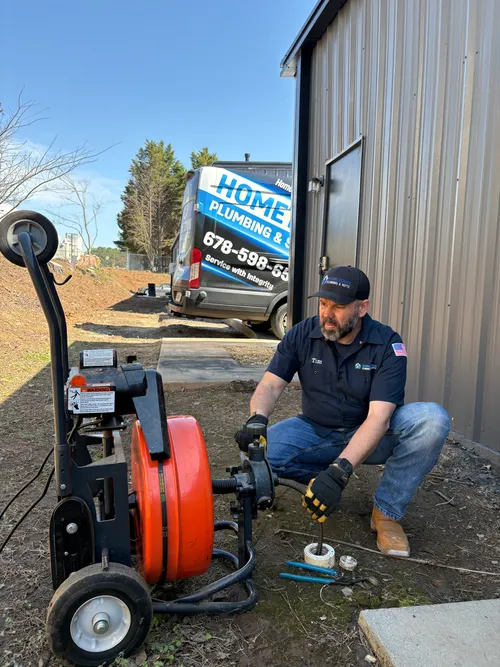
Hometown Plumbing and Septic provides professional septic services in South Fulton, GA, and the surrounding Metro Atlanta and North Georgia areas. They specialize in septic tank pumping, inspections, repairs, and complete system replacements for both residential and commercial properties. Their services also include drain field repair and lift station maintenance. With decades of experience and advanced equipment, they handle complex septic system issues with precision. They serve multiple counties including Barrow, Cherokee, Cobb, and others, offering preventative maintenance to help avoid emergency repairs.
Septic On Call
2180 Satellite Blvd NW #400, Duluth, GA 30097
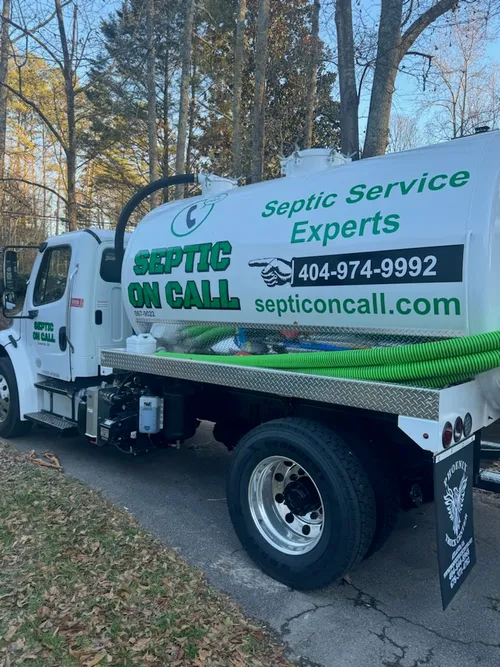
Septic On Call is a septic tank service provider based in Atlanta, GA. The company offers a range of services including septic tank pumping, inspections, repairs, and installation of septic tanks and drainfields. They provide thorough cleaning and maintenance to help prevent costly repairs and ensure proper system function. Septic On Call also specializes in diagnosing and repairing septic system issues, from minor leaks to major damage. The company offers 24/7 emergency services for septic tank problems and backups, responding quickly to urgent repair needs.
Dixie Septic Tank Service
4400 Pecan Ln SE, Acworth, GA 30102
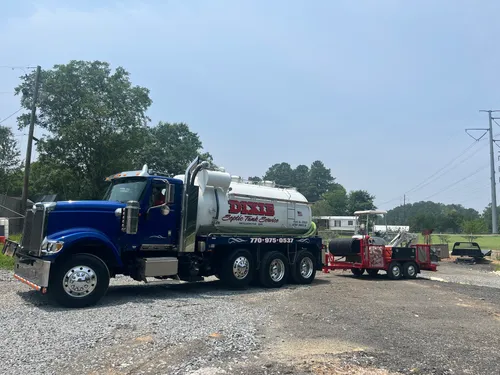
Dixie Septic Tank Service is a family-owned business providing full-service septic solutions in South Fulton, GA. They offer septic tank pumping, installation, repair, and maintenance for both residential and commercial properties. Known for their transparent pricing and thorough workmanship, Dixie Septic has built a strong reputation through word-of-mouth referrals and long-term customer relationships. Their team also provides free second opinions on quotes from other companies, helping clients make informed decisions about their septic systems.
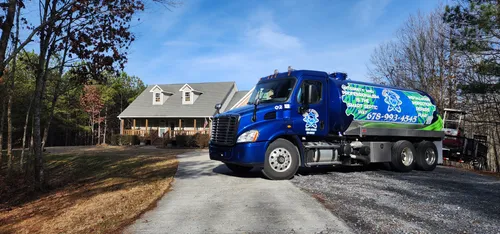
Smart Septic Pros
210 Holt Ct, Acworth, GA 30101
Smart Septic Pros is a septic tank pumping, inspection, and repair company based in South Fulton, GA. They provide thorough septic system maintenance aimed at reducing odors and sludge build-up to support healthier effluent discharge. With over a decade of experience and more than 1,000 tanks serviced, they handle everything from routine inspections to resolving solid blockages to maintain proper septic function. Their services focus on ensuring safety, compliance, and reliable waste management for homes in the area.
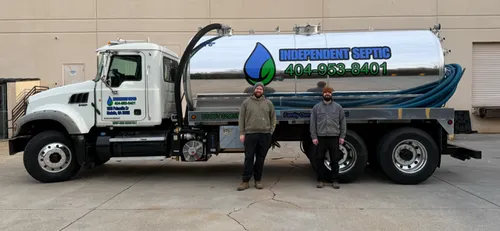
Independent Septic and Sewer LLC
Atlanta, GA
Independent Septic and Sewer LLC is a family-owned business serving Atlanta, GA, and surrounding counties. They provide septic tank pumping, cleaning, inspection, repair, and installation services for residential and commercial properties. With over 20 years of experience, the company offers expertise in diagnosing and repairing septic system issues, including drain field repairs and sewer line maintenance. They also provide a 10-year warranty on repairs and handle all necessary permits and building code requirements. Their services include thorough septic tank pumping that removes both liquids and solids, as well as hydro jetting and camera inspections when needed.
Understanding Your Septic System and Local Regulations
In Sandy Springs, septic system maintenance is governed by local health ordinances designed to prevent groundwater contamination and system failures 1. The Fulton County Health Department oversees these regulations, which mandate that homeowners are responsible for the proper operation and upkeep of their on-site sewage systems 2. Unlike a municipal sewer connection, a septic system is a self-contained wastewater treatment plant on your property. It relies on a natural bacterial process inside the tank and the soil's filtering ability in the drain field. Regular septic system servicing, including pumping, is essential to prevent solids from overflowing into the drain field, which can cause costly repairs and environmental hazards.
How Often Should You Pump Your Septic Tank in Sandy Springs?
The universal question for every homeowner is about the ideal pumping schedule. While the standard recommendation for most households is every three to five years 3, this is a general guideline. Your specific septic tank maintenance schedule depends on several key factors:
- Household Size and Water Usage: A family of six will fill a tank much faster than a couple. High water usage from frequent laundry, long showers, or leaky fixtures accelerates the accumulation of sludge and scum.
- Tank Size: Older homes may have smaller tanks (e.g., 500-750 gallons) that require more frequent pumping than modern 1,000 or 1,500-gallon tanks.
- Garbage Disposal Use: Using a garbage disposal significantly increases the amount of solids entering the tank-by as much as 50% in some estimates 4. If you use a disposal regularly, you should plan for more frequent septic tank cleaning.
- Tank Design: Many modern systems in Fulton County are two-compartment tanks 5. It's vital that your service provider checks and pumps both compartments during a service visit.
The most reliable way to determine your needed pumping frequency is through annual or biennial inspections, where a professional measures the sludge and scum layers 6.
The Importance of Professional Septic Inspections
Scheduling a routine inspection is the smartest way to manage your system. Experts recommend an inspection every 1 to 3 years by a state-licensed contractor 7. A comprehensive septic system inspection in Sandy Springs goes beyond just checking the tank level. A qualified professional will:
- Measure the sludge and scum layers to determine if pumping is needed (a common rule is to pump when sludge fills more than one-third of the tank) 8.
- Inspect the tank's structural integrity, including the inlet and outlet baffles or tees.
- Check and clean the effluent filter, if your system has one, to ensure treated liquid can flow freely to the drain field 9.
- Examine the distribution box (d-box) for proper flow.
- Assess the condition of the drain field for signs of failure, such as soggy soil or unpleasant odors.
A critical safety and convenience upgrade is the installation of septic tank risers. If your tank's access lid is buried more than 12 inches deep, installing a riser brings the access to the surface. This makes future inspections, pumping, and repairs much easier, safer, and less disruptive to your landscaping 10.
Find the perfect septic tank pumping contractors for your needs
Get personalized recommendations and expert advice
What to Expect: The Septic Pumping Process and Costs
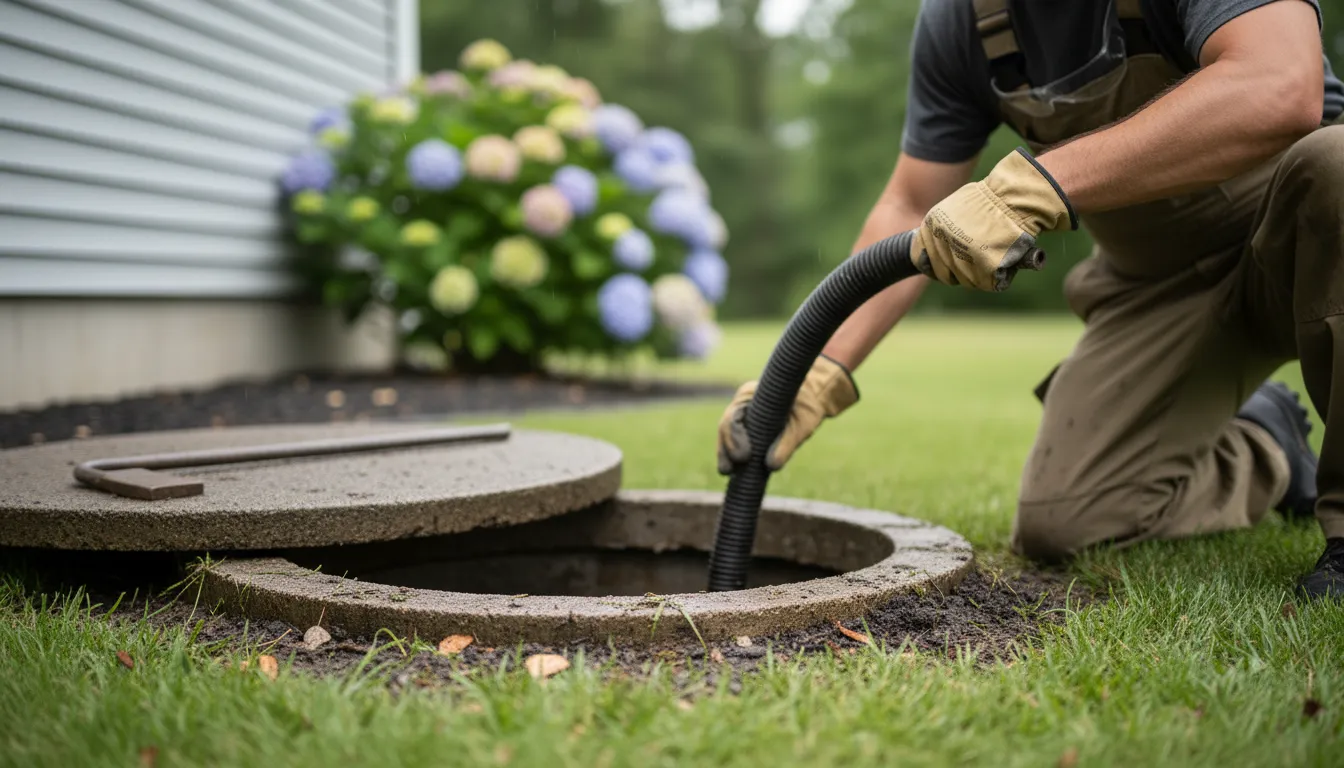
When you hire a certified provider for septic tank emptying, the process is systematic. The technician will locate and uncover the tank access ports, insert a large hose, and vacuum all solids and liquids from the tank into a specialized truck. They should also briefly rinse the tank interior to break up residual solids and inspect the tank's components after pumping.
Costs for septic tank pumping services in the Sandy Springs area vary based on tank size and accessibility. For a standard 1,000-gallon tank, pumping often starts around $325, while a 1,500-gallon tank may start around $425 11. The total price, typically ranging from $300 to $700, depends on how deep the tank is buried, whether risers are present, and the amount of buildup 12. Always get a detailed quote beforehand.
Protecting Your Drain Field and System Longevity
Pumping the tank is only one part of system care. The drain field is where the final treatment happens, and it must be protected. Never drive or park vehicles over the drain field, as the weight can crush pipes and compact the soil. Avoid planting trees or large shrubs nearby, as roots can infiltrate and clog the pipes. Do not cover the field with impermeable surfaces like concrete or asphalt, which prevent evaporation and oxygen transfer essential for the soil to treat the wastewater 13.
Good water conservation habits inside your home also protect your system. Fix leaky faucets and toilets promptly, spread out laundry loads throughout the week, and consider installing high-efficiency fixtures. What you put down the drains matters, too. Avoid flushing anything besides human waste and toilet paper. Never pour cooking grease, chemicals, paints, or medications down the drain, as these can kill the beneficial bacteria in your tank and contaminate groundwater.
Finding and Working with a Qualified Service Provider
For any septic service, always verify that the contractor is certified by the state of Georgia. You can ask for their certification number. A reputable provider will be knowledgeable about Fulton County's specific regulations and permitting requirements. Before work begins, they should provide a clear, written estimate detailing the services to be performed.
It's also wise to ask if they offer inspection services and can provide a detailed report on your system's condition. After any service, keep thorough records of inspections, pumping dates, and any repairs. This maintenance log is invaluable for troubleshooting future issues and is often requested during a home sale 14.
Recognizing Signs You Need Service Sooner
Don't wait for a full-blown emergency. Be proactive and watch for these warning signs that your system may need attention:
- Slow Drains: Sinks, showers, and toilets that drain slowly, especially if plunging or drain cleaners don't help.
- Unpleasant Odors: Sewage smells in your yard, particularly near the tank or drain field, or inside your home.
- Soggy Lawn: Unusually wet, spongy, or bright green grass over the drain field, even during dry weather.
- Sewage Backups: The most severe sign-wastewater backing up into household drains.
If you notice any of these issues, contact a professional septic tank pumper for an inspection immediately to prevent more extensive damage 15.
Frequently asked questions
Sources
Footnotes
-
Septic Tank and Sanitary Sewer - City of Sandy Springs - https://www.sandyspringsga.gov/septic-tank-and-sanitary-sewer/ ↩
-
Septic Tank and Sanitary Sewer - City of Sandy Springs - https://www.sandyspringsga.gov/septic-tank-and-sanitary-sewer/ ↩
-
DPH - https://cms3.revize.com/revize/chattahoocheehillsga/DPH%20Septic%20Homeowners%20Guide-SCAN.pdf ↩
-
Pollution Prevention - Fulton County Government - https://www.fultoncountyga.gov/inside-fulton-county/fulton-county-departments/public-works/public-education-and-outreach/pollution-prevention ↩
-
Georgia Septic System Guide: Regulations & Maintenance Tips - https://smartsepticpros.com/blog/georgia-septic-system-regulations/ ↩
-
Septic Tank FAQ| Pumping, Repairs & Installation| Metro Atlanta - https://www.scorpionsepticservices.com/faq ↩
-
Homeowner's Guide to Septic System Maintenance - https://www.gwinnettcounty.com/static/departments/water/pdf/Septic_Kit.pdf ↩
-
Septic System Inspection Sandy Springs GA: What to Look for - https://atlantaseptictankpros.com/septic-system-inspection-sandy-springs-ga/ ↩
-
Septic Inspection in Sandy Springs GA - https://www.septicblue.com/septic-inspection-in-sandy-springs-atlanta-ga-p-44.html ↩
-
A HOMEOWNER'S GUIDE TO ON-SITE SEWAGE MANAGEMENT ... - https://dph.georgia.gov/document/document/guide-septic-tanks/download ↩
-
Georgia Septic Tank Requirements | On-Site Sewage ... - https://www.ntotank.com/blog/georgia-septic-tank-requirements ↩
-
How Often to Pump Septic Tank: 2026 Maintenance Guide - https://dandhsepticservices.com/how-often-to-pump-septic-tank/ ↩
-
Manual for On-site Sewage Management Systems - https://www.fultoncountyga.gov/-/media/Departments/Board-of-Health/Environmental-Health/Well-and-Septic-Inspection/Link-List-Items/Manual-For-Onsite-Sewage-Management-Systems.pdf ↩
-
HOW OFTEN SHOULD YOU BE PUMPING YOUR SEPTIC ... - https://www.sandiegocounty.gov/content/dam/sdc/dpw/WATERSHED_PROTECTION_PROGRAM/WatershedRebates/SRP/PDF/Chart-Septic-Large.pdf ↩
-
Removing Sludge and Scum During Septic Pumping - https://www.unitedsewerservice.com/removing-sludge-and-scum-buildup-during-septic-tank-pumping/ ↩