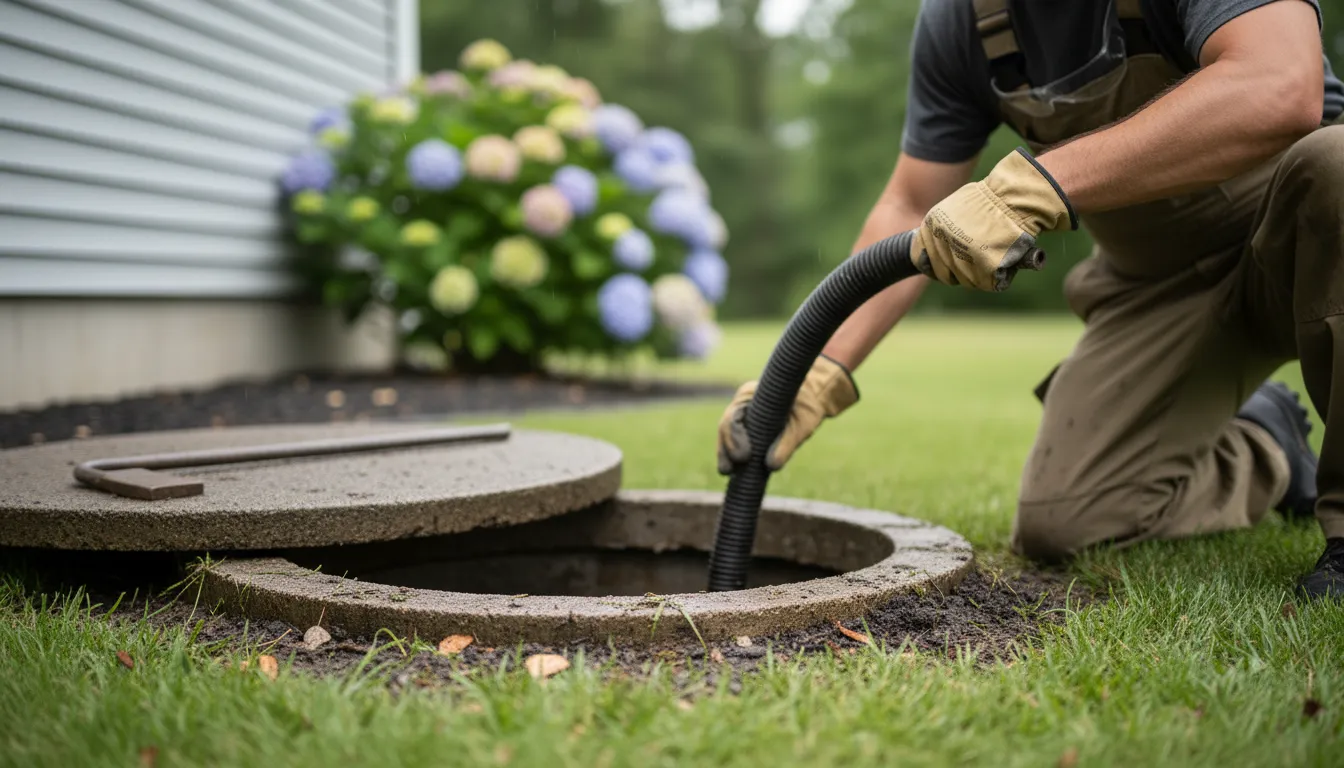
Find the Best Septic Tank Pumping Contractors for Your Business
No obligation • Fast responses • Nationwide coverage

Why you can trust Septic Spot
Septic Spot is a leading United States resource for understanding and comparing septic services. Our editors review providers using consistent criteria and verify key business details. Listings and scores are independent, and companies cannot pay to influence our content.
Search providers near you
Top Septic Tank Pumping Contractors in Brookhaven, Georgia Ranked
Maintaining your septic system is a crucial responsibility for any homeowner not connected to a municipal sewer line. Regular septic tank pumping and inspection are the cornerstones of a healthy, long-lasting system, preventing costly backups, environmental contamination, and property damage. This guide provides Brookhaven residents with essential information on septic system maintenance, local regulations, and how to find qualified, state-certified professionals for service.
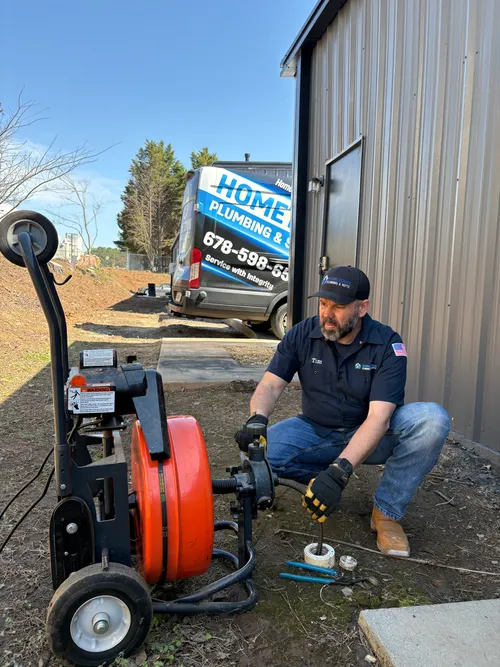
Hometown Plumbing and Septic
3375 Hutchinson Rd, Cumming, GA 30040
Hometown Plumbing and Septic provides professional septic services in South Fulton, GA, and the surrounding Metro Atlanta and North Georgia areas. They specialize in septic tank pumping, inspections, repairs, and complete system replacements for both residential and commercial properties. Their services also include drain field repair and lift station maintenance. With decades of experience and advanced equipment, they handle complex septic system issues with precision. They serve multiple counties including Barrow, Cherokee, Cobb, and others, offering preventative maintenance to help avoid emergency repairs.
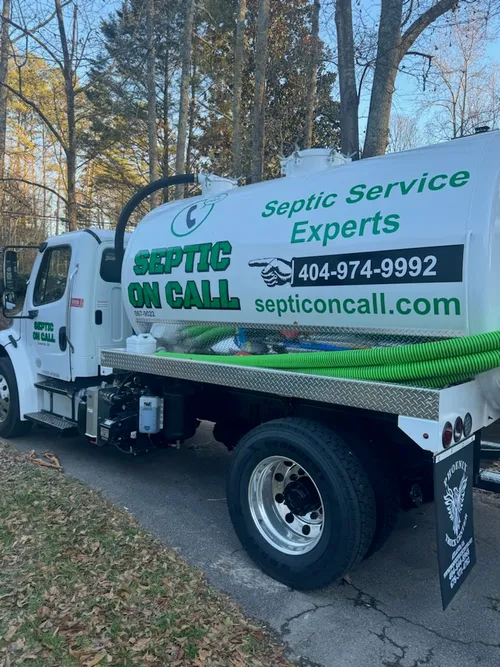
Septic On Call
2180 Satellite Blvd NW #400, Duluth, GA 30097
Septic On Call is a septic tank service provider based in Atlanta, GA. The company offers a range of services including septic tank pumping, inspections, repairs, and installation of septic tanks and drainfields. They provide thorough cleaning and maintenance to help prevent costly repairs and ensure proper system function. Septic On Call also specializes in diagnosing and repairing septic system issues, from minor leaks to major damage. The company offers 24/7 emergency services for septic tank problems and backups, responding quickly to urgent repair needs.
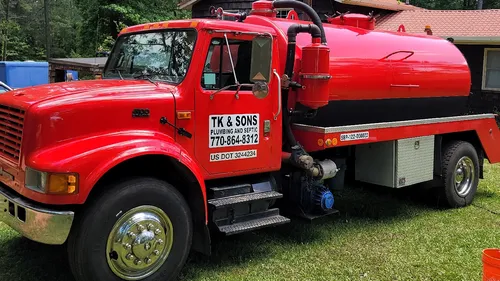
TK & Sons Plumbing and Septic
1370 GA-212, Conyers, GA 30094
TK & Sons Plumbing and Septic is a plumbing and septic service provider based in Atlanta, GA. They offer residential and commercial plumbing, septic system installation, pumping, maintenance, and repair services. The company also provides water well installation and hydro-jetting to clear clogs. With over 25 years of experience serving the East Atlanta Metro area, TK & Sons delivers comprehensive solutions including 24/7 emergency plumbing and septic services.
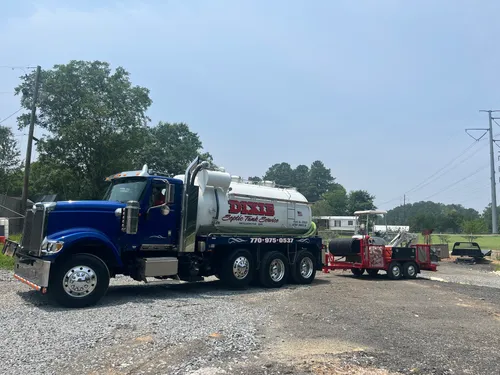
Dixie Septic Tank Service
4400 Pecan Ln SE, Acworth, GA 30102
Dixie Septic Tank Service is a family-owned business providing full-service septic solutions in South Fulton, GA. They offer septic tank pumping, installation, repair, and maintenance for both residential and commercial properties. Known for their transparent pricing and thorough workmanship, Dixie Septic has built a strong reputation through word-of-mouth referrals and long-term customer relationships. Their team also provides free second opinions on quotes from other companies, helping clients make informed decisions about their septic systems.
Smart Septic Pros
210 Holt Ct, Acworth, GA 30101
Smart Septic Pros is a septic tank pumping, inspection, and repair company based in South Fulton, GA. They provide thorough septic system maintenance aimed at reducing odors and sludge build-up to support healthier effluent discharge. With over a decade of experience and more than 1,000 tanks serviced, they handle everything from routine inspections to resolving solid blockages to maintain proper septic function. Their services focus on ensuring safety, compliance, and reliable waste management for homes in the area.
Understanding Your Septic System
A septic system is an on-site wastewater treatment structure, typically consisting of a tank and a drain field. When wastewater from your home enters the tank, solids settle to the bottom as sludge, and oils float to the top as scum. The liquid effluent in the middle layer then flows out to the drain field, where it is filtered and treated by the soil. Over time, the sludge and scum layers accumulate, which is why periodic septic tank cleaning (pumping) is necessary to remove these solids before they can clog the system or flow into the drain field and cause a failure 1.
Why Regular Pumping is Non-Negotiable in Brookhaven
Neglecting your septic tank service can lead to severe consequences. A full tank can cause sewage to back up into your home, create foul odors in your yard, and cause soggy patches or standing water over the drain field-a clear sign of failure. More critically, a malfunctioning system can contaminate groundwater, which is a public health risk. In DeKalb County, the local Board of Health oversees septic system regulations to protect both individual property and community health 2. Regular maintenance is your best defense against these issues and is far less expensive than the cost of a full system repair or replacement.
Recommended Pumping Frequency
How often you need septic tank pumping depends on several factors, including tank size, the number of people in your household, and overall water usage. For most households in Brookhaven, the general guideline is to have your tank pumped every 3 to 5 years. However, a smaller tank or a larger household will require more frequent service. The only way to know for sure is through regular inspections, which can measure the sludge and scum levels in your tank 3.
The Inspection and Pumping Process
A thorough septic service involves both inspection and pumping. A state-certified professional will first locate and uncover your tank's access lids. They will then inspect the tank's inlet and outlet baffles, measure sludge and scum levels, and check for any signs of damage or leaks. If pumping is needed, a large vacuum truck will remove all the accumulated solids and liquids from the tank.
It's highly recommended to have your system inspected more frequently than it is pumped-annually or every 1 to 3 years is a common schedule. This inspection can catch minor issues before they become major problems and help you determine the optimal pumping schedule for your specific usage.
What to Expect: Service and Costs
When you hire a professional for septic tank maintenance in Brookhaven, you can expect a comprehensive service. A reputable provider will pump the tank, perform a basic inspection, and may rinse the tank interior. They should also provide you with a report detailing what was done and the condition of your system.
Based on local data, here are typical price ranges for septic services in the Atlanta area, which includes Brookhaven:
- Standard Pumping (1,000-gallon tank): $300 - $550
- Large Tank Pumping (1,500-gallon tank): $345 - $650 4
- Combined Inspection and Pumping: $400 - $600 5
These costs can vary based on tank accessibility, the amount of solids, and the specific company. Always get a detailed estimate before work begins.
Find the perfect septic tank pumping contractors for your needs
Get personalized recommendations and expert advice
DeKalb County Regulations and Certified Professionals
In Georgia, all septic system work must be performed by a state-certified professional. This ensures that the individual has the proper training and adheres to Georgia Department of Public Health regulations 6. The DeKalb County Board of Health does not recommend the use of septic tank additives as a substitute for pumping; in fact, some additives can harm the bacterial balance in your tank or damage system components. Proper maintenance by a certified contractor is the only reliable method.
Proactive Homeowner Maintenance Tips
Between professional pumpings, you can take steps to extend your system's life and efficiency:
- Conserve Water: Stagger laundry loads throughout the week and promptly fix leaking faucets or running toilets. Reducing the flow of water into the tank allows solids to settle properly.
- Mind What You Flush: Only human waste and toilet paper should go down the drain. Avoid flushing wipes (even "flushable" ones), feminine hygiene products, dental floss, cooking grease, and chemicals.
- Protect the Drain Field: Never park vehicles or place heavy structures on your drain field. Divert roof downspouts and surface runoff away from the area to prevent saturation 7.
- Keep Detailed Records: Maintain a file with your system's design diagram, all inspection reports, and pumping receipts. This history is invaluable for troubleshooting and is often required if you sell your home 8.
Recognizing Signs You Need Service
Don't wait for a disaster. Contact a septic service professional if you notice any of these warning signs:
- Slow drains or gurgling pipes throughout the house.
- Sewage backups in toilets, showers, or sinks.
- Unpleasant odors around the tank or drain field area.
- Exceptionally green, spongy grass or standing water over the drain field.
- The tank hasn't been pumped or inspected in over five years.
Addressing these signs quickly can mean the difference between a simple pumping and a catastrophic system failure.
Frequently asked questions
Sources
Footnotes
-
Frequent Questions on Septic Systems | US EPA - https://www.epa.gov/septic/frequent-questions-septic-systems ↩
-
Septic Systems | DeKalb Public Health - https://dekalbpublichealth.com/environmental-health/septic-systems/ ↩
-
Septic Tanks - Preventative Routine Maintenance - https://des.sc.gov/permits-regulations/septic-tanks/homeowner-resources/septic-tanks-preventative-routine-maintenance ↩
-
How Much Does It Cost to Pump a Septic Tank in Atlanta, GA? - Angi - https://www.angi.com/articles/how-much-does-septic-tank-pumping-cost/ga/atlanta ↩
-
Complete Guide to Septic Inspection in Georgia - https://dandhsepticservices.com/septic-inspection-in-georgia/ ↩
-
GAC - Subject 511-3-1 ON-SITE SEWAGE MANAGEMENT SYSTEMS - https://rules.sos.ga.gov/gac/511-3-1 ↩
-
DPH - https://cms3.revize.com/revize/chattahoocheehillsga/DPH%20Septic%20Homeowners%20Guide-SCAN.pdf ↩
-
Homeowner's Guide to Septic System Maintenance - Gwinnett County - https://www.gwinnettcounty.com/static/departments/water/pdf/Septic_Kit.pdf ↩