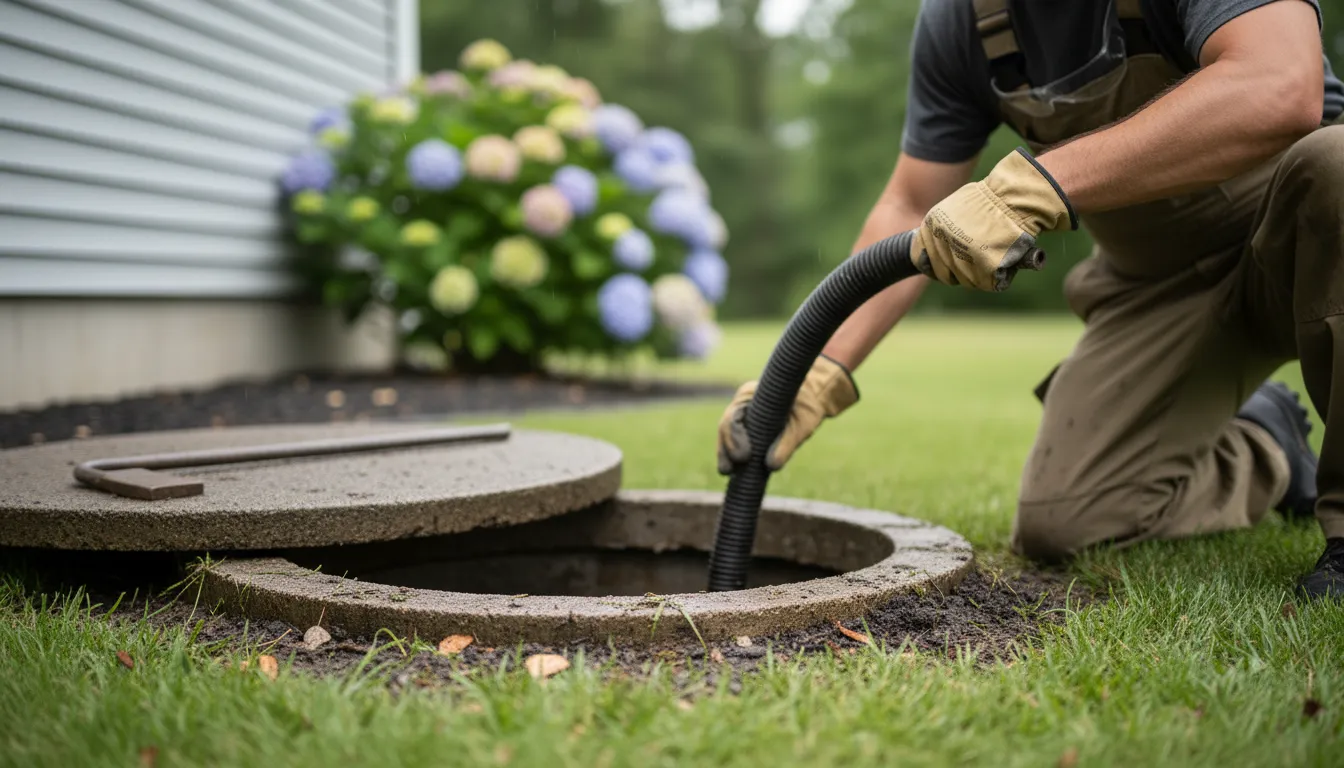
Find the Best Septic Tank Pumping Contractors for Your Business
No obligation • Fast responses • Nationwide coverage

Why you can trust Septic Spot
Septic Spot is a leading United States resource for understanding and comparing septic services. Our editors review providers using consistent criteria and verify key business details. Listings and scores are independent, and companies cannot pay to influence our content.
Search providers near you
Top Septic Tank Pumping Contractors in Dunwoody, Georgia Ranked
Maintaining a healthy septic system is a crucial responsibility for homeowners in Dunwoody. Regular septic tank pumping is the cornerstone of this maintenance, preventing costly backups, protecting your property, and ensuring the long-term functionality of your wastewater treatment system. This guide explains the importance of septic system service, outlines local recommendations, and helps you understand what to look for when finding qualified professionals to handle your tank cleaning and inspection needs.
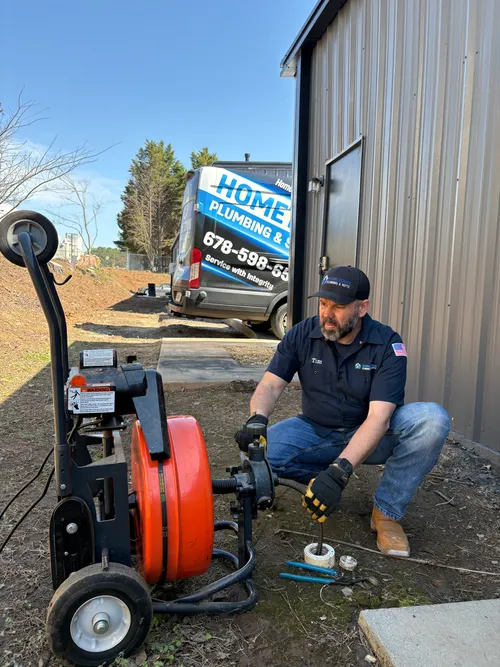
Hometown Plumbing and Septic
3375 Hutchinson Rd, Cumming, GA 30040
Hometown Plumbing and Septic provides professional septic services in South Fulton, GA, and the surrounding Metro Atlanta and North Georgia areas. They specialize in septic tank pumping, inspections, repairs, and complete system replacements for both residential and commercial properties. Their services also include drain field repair and lift station maintenance. With decades of experience and advanced equipment, they handle complex septic system issues with precision. They serve multiple counties including Barrow, Cherokee, Cobb, and others, offering preventative maintenance to help avoid emergency repairs.
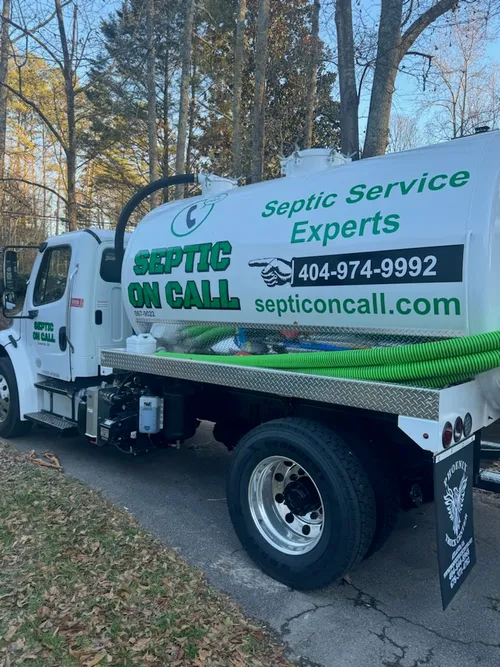
Septic On Call
2180 Satellite Blvd NW #400, Duluth, GA 30097
Septic On Call is a septic tank service provider based in Atlanta, GA. The company offers a range of services including septic tank pumping, inspections, repairs, and installation of septic tanks and drainfields. They provide thorough cleaning and maintenance to help prevent costly repairs and ensure proper system function. Septic On Call also specializes in diagnosing and repairing septic system issues, from minor leaks to major damage. The company offers 24/7 emergency services for septic tank problems and backups, responding quickly to urgent repair needs.
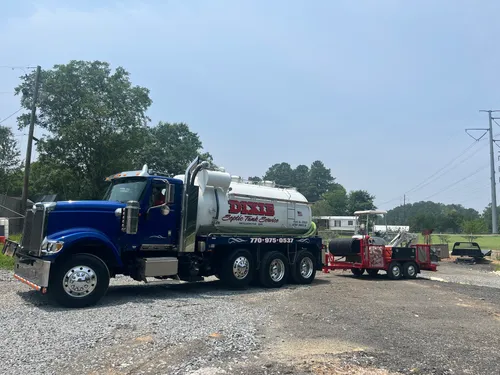
Dixie Septic Tank Service
4400 Pecan Ln SE, Acworth, GA 30102
Dixie Septic Tank Service is a family-owned business providing full-service septic solutions in South Fulton, GA. They offer septic tank pumping, installation, repair, and maintenance for both residential and commercial properties. Known for their transparent pricing and thorough workmanship, Dixie Septic has built a strong reputation through word-of-mouth referrals and long-term customer relationships. Their team also provides free second opinions on quotes from other companies, helping clients make informed decisions about their septic systems.
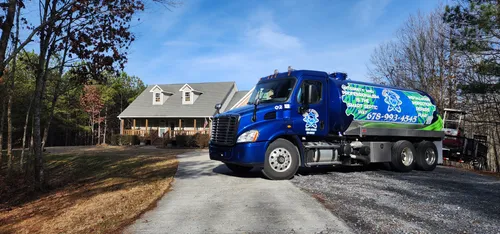
Smart Septic Pros
210 Holt Ct, Acworth, GA 30101
Smart Septic Pros is a septic tank pumping, inspection, and repair company based in South Fulton, GA. They provide thorough septic system maintenance aimed at reducing odors and sludge build-up to support healthier effluent discharge. With over a decade of experience and more than 1,000 tanks serviced, they handle everything from routine inspections to resolving solid blockages to maintain proper septic function. Their services focus on ensuring safety, compliance, and reliable waste management for homes in the area.
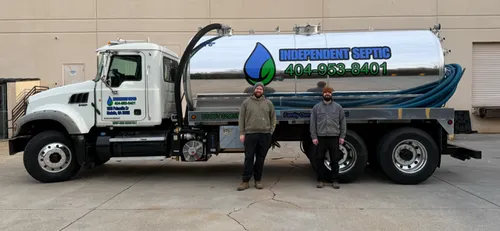
Independent Septic and Sewer LLC
Atlanta, GA
Independent Septic and Sewer LLC is a family-owned business serving Atlanta, GA, and surrounding counties. They provide septic tank pumping, cleaning, inspection, repair, and installation services for residential and commercial properties. With over 20 years of experience, the company offers expertise in diagnosing and repairing septic system issues, including drain field repairs and sewer line maintenance. They also provide a 10-year warranty on repairs and handle all necessary permits and building code requirements. Their services include thorough septic tank pumping that removes both liquids and solids, as well as hydro jetting and camera inspections when needed.
Why Septic System Maintenance is Non-Negotiable
Unlike homes connected to municipal sewer lines, a septic system is a self-contained wastewater treatment plant on your property. Everything that goes down your drains ends up in the septic tank, where solids settle as sludge and scum. If these accumulated solids are not removed through periodic pumping, they can overflow into the drain field. A clogged drain field is a serious and expensive problem, often leading to sewage backing up into your home or surfacing in your yard. Proactive maintenance through regular septic tank cleaning is the most effective way to avoid these emergencies and protect your investment.
How Often Should You Pump Your Septic Tank in Dunwoody?
The most common question homeowners have is about frequency. For most households in Dunwoody and DeKalb County, the standard recommendation is to have your septic tank pumped every 3 to 5 years. This interval is a general guideline designed to prevent solids from overwhelming the system.
However, several factors can necessitate more frequent service:
- Household Size and Water Usage: More occupants mean more wastewater, which fills the tank faster.
- Tank Size: A smaller tank (e.g., 750-1,000 gallons) will require pumping more often than a larger one.
- Garbage Disposal Use: Using a garbage disposal significantly increases the amount of solids entering the tank, potentially requiring pumping every 1 to 2 years.
- Overall System Age and Condition: Older systems may be less efficient.
While some calculations based on tank size and low usage might suggest longer intervals (e.g., up to 12-19 years for a large tank with very few occupants), local health authorities and septic professionals strongly advise sticking to the 3-5 year rule for safety and system longevity 1 2 3. The best practice is to have a professional inspect your tank's sludge and scum levels to determine the optimal pumping schedule for your specific home.
What to Expect During a Professional Pumping Service
A thorough septic service involves more than just removing waste. A reputable provider will typically follow a comprehensive process:
- Locating and Uncovering the tank access lids.
- Inspecting the tank's interior, inlet, and outlet baffles for damage or blockages.
- Pumping all solids and liquids from the tank using a vacuum truck.
- Cleaning the filters (if present) and ensuring the baffles are clear.
- Final Inspection to check for cracks or leaks in the tank itself before closing the lids.
This is the ideal time for a full septic system inspection. A qualified technician can also check the distribution box and look for signs of drain field distress, giving you a complete picture of your system's health.
Find the perfect septic tank pumping contractors for your needs
Get personalized recommendations and expert advice
Understanding Costs for Septic Services in Dunwoody
The cost for septic tank pumping in the Dunwoody area typically ranges from $300 to $600 4 5. This average can be influenced by:
- Tank Size and Volume: Larger tanks cost more to pump.
- Tank Accessibility: Difficult access (e.g., overgrown area, deep burial, blocked by structures) can increase the price.
- Additional Services: Costs will be higher if the service includes a full inspection, filter cleaning, or minor repairs.
While price is a factor, choosing a provider based solely on the lowest quote can be risky. Ensure the company is licensed, insured, and has positive local reviews. Proper disposal of septage at approved facilities is a legal requirement, and reputable companies will handle this responsibly.
The Critical Role of Professional Inspection
Scheduling a routine inspection every 3-5 years, ideally concurrent with pumping, is a wise investment 6. A professional inspection can identify small issues-like a failing baffle or a minor leak-before they escalate into major system failures. Inspectors measure the sludge and scum layers, assess the structural integrity of the tank, and evaluate the drain field's performance 7. Any necessary repairs identified during an inspection must be completed by a licensed septic contractor to comply with Georgia and DeKalb County regulations.
Local Regulations and Homeowner Responsibilities
In DeKalb County, the Board of Health oversees septic system regulations. Homeowners should contact this office for specific guidance, to check permit requirements for repairs or installations, and to access educational resources. As a homeowner, your daily habits directly impact your system's health. Key maintenance tips include:
- Conserve water to avoid hydraulically overloading the tank and drain field.
- Avoid pouring grease, chemicals, paints, or non-biodegradable items down drains.
- Limit use of garbage disposals.
- Never drive or park vehicles over the drain field or tank location.
- Keep detailed records of all pumping, inspections, and repairs 8 9 10.
Signs Your Septic Tank Needs Immediate Attention
Don't wait for a scheduled pumping if you notice these warning signs:
- Slow drains or gurgling pipes throughout the house.
- Sewage odors indoors or near the drain field.
- Water pooling or overly lush, green grass over the drain field.
- Sewage backing up into household drains.
If you observe any of these issues, contact a septic service professional immediately to assess the situation and prevent further damage.
Frequently asked questions
Sources
Footnotes
-
Septic Systems | DeKalb Public Health - https://dekalbpublichealth.com/environmental-health/septic-systems/ ↩
-
Septic Systems | Department of Environmental Protection - https://www.pa.gov/agencies/dep/residents/my-water/septic-systems ↩
-
How Often Do I Need Septic Tank Pumping in North GA? - https://www.septicservicepro.com/blog/how-often-do-i-need-septic-tank-pumping-in-north-ga/ ↩
-
Understanding the Average Cost to Pump a Septic Tank - https://www.scorpionsepticservices.com/blog/understanding-the-average-cost-to-pump-a-septic-tank ↩
-
Homeowner's Guide to Septic System Maintenance - Gwinnett County - https://www.gwinnettcounty.com/static/departments/water/pdf/Septic_Kit.pdf ↩
-
Georgia Septic System Guide: Regulations & Maintenance Tips - https://smartsepticpros.com/blog/georgia-septic-system-regulations/ ↩
-
Complete Guide to Septic Inspection in Georgia - https://dandhsepticservices.com/septic-inspection-in-georgia/ ↩
-
homeowner's guide - to septic system maintenance - https://northgeorgiawater.org/wp-content/uploads/2017/10/SepticTankKit-MNGWPD.pdf ↩
-
DIY Septic Maintenance Tips for Georgia Homeowners - https://smartsepticpros.com/blog/diy-septic-system-maintenance-georgia/ ↩
-
DPH - https://cms3.revize.com/revize/chattahoocheehillsga/DPH%20Septic%20Homeowners%20Guide-SCAN.pdf ↩