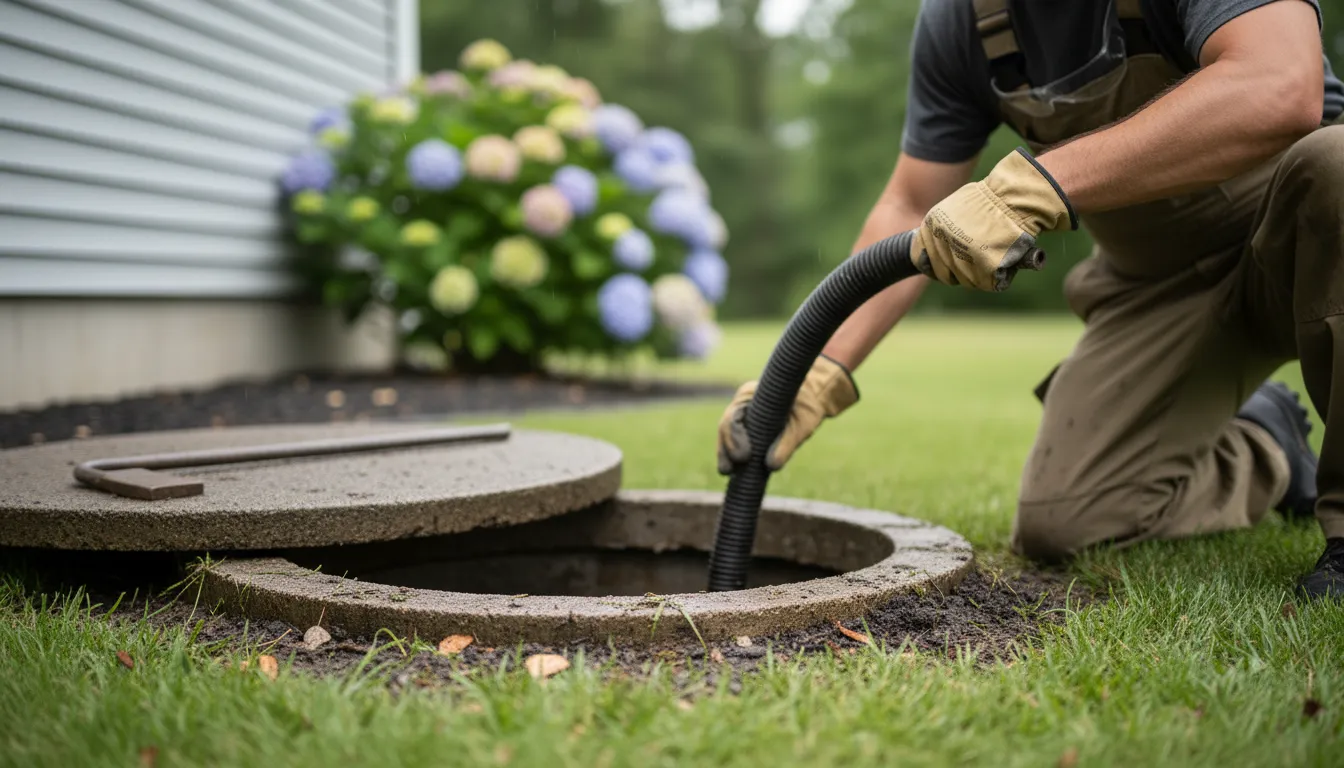
Find the Best Septic Tank Pumping Contractors for Your Business
No obligation • Fast responses • Nationwide coverage

Why you can trust Septic Spot
Septic Spot is a leading United States resource for understanding and comparing septic services. Our editors review providers using consistent criteria and verify key business details. Listings and scores are independent, and companies cannot pay to influence our content.
Search providers near you
Top Septic Tank Pumping Contractors in Marietta, Georgia Ranked
Maintaining a healthy septic system is a crucial responsibility for homeowners in Marietta. Regular septic tank pumping and inspection are essential services that prevent system failures, protect your property value, and safeguard local groundwater. This guide explains the local requirements, typical costs, and maintenance best practices to help you find qualified, state-certified professionals for your septic service needs.
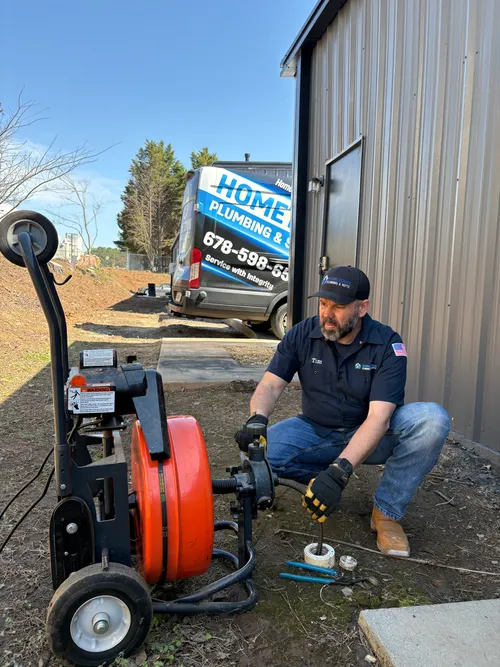
Hometown Plumbing and Septic
3375 Hutchinson Rd, Cumming, GA 30040
Hometown Plumbing and Septic provides professional septic services in South Fulton, GA, and the surrounding Metro Atlanta and North Georgia areas. They specialize in septic tank pumping, inspections, repairs, and complete system replacements for both residential and commercial properties. Their services also include drain field repair and lift station maintenance. With decades of experience and advanced equipment, they handle complex septic system issues with precision. They serve multiple counties including Barrow, Cherokee, Cobb, and others, offering preventative maintenance to help avoid emergency repairs.
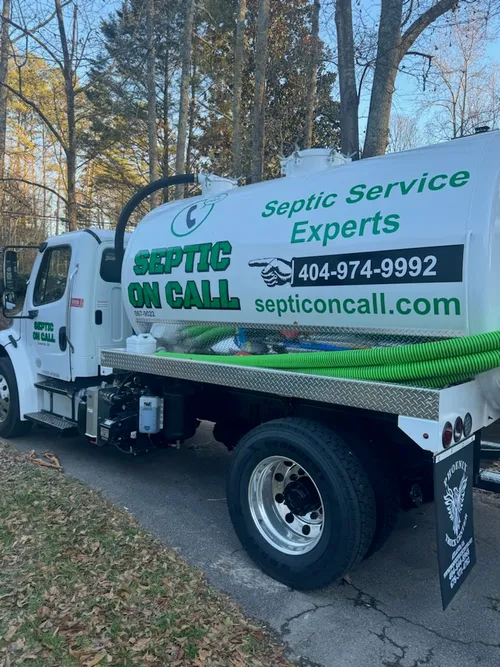
Septic On Call
2180 Satellite Blvd NW #400, Duluth, GA 30097
Septic On Call is a septic tank service provider based in Atlanta, GA. The company offers a range of services including septic tank pumping, inspections, repairs, and installation of septic tanks and drainfields. They provide thorough cleaning and maintenance to help prevent costly repairs and ensure proper system function. Septic On Call also specializes in diagnosing and repairing septic system issues, from minor leaks to major damage. The company offers 24/7 emergency services for septic tank problems and backups, responding quickly to urgent repair needs.
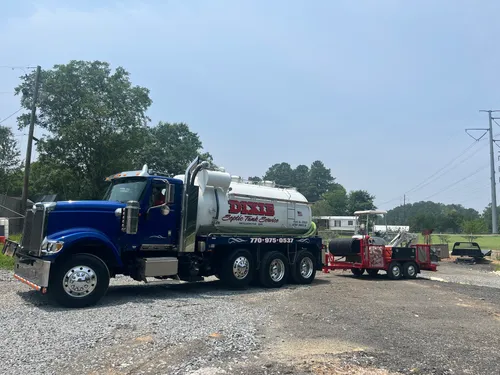
Dixie Septic Tank Service
4400 Pecan Ln SE, Acworth, GA 30102
Dixie Septic Tank Service is a family-owned business providing full-service septic solutions in South Fulton, GA. They offer septic tank pumping, installation, repair, and maintenance for both residential and commercial properties. Known for their transparent pricing and thorough workmanship, Dixie Septic has built a strong reputation through word-of-mouth referrals and long-term customer relationships. Their team also provides free second opinions on quotes from other companies, helping clients make informed decisions about their septic systems.
Smart Septic Pros
210 Holt Ct, Acworth, GA 30101
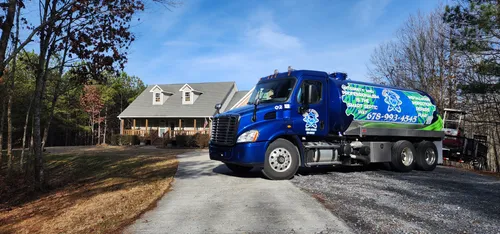
Smart Septic Pros is a septic tank pumping, inspection, and repair company based in South Fulton, GA. They provide thorough septic system maintenance aimed at reducing odors and sludge build-up to support healthier effluent discharge. With over a decade of experience and more than 1,000 tanks serviced, they handle everything from routine inspections to resolving solid blockages to maintain proper septic function. Their services focus on ensuring safety, compliance, and reliable waste management for homes in the area.
Independent Septic and Sewer LLC
Atlanta, GA
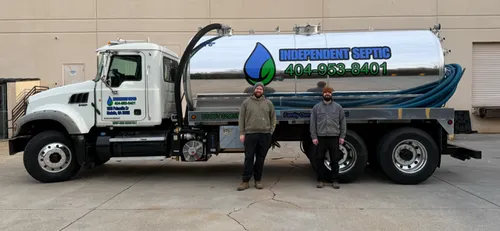
Independent Septic and Sewer LLC is a family-owned business serving Atlanta, GA, and surrounding counties. They provide septic tank pumping, cleaning, inspection, repair, and installation services for residential and commercial properties. With over 20 years of experience, the company offers expertise in diagnosing and repairing septic system issues, including drain field repairs and sewer line maintenance. They also provide a 10-year warranty on repairs and handle all necessary permits and building code requirements. Their services include thorough septic tank pumping that removes both liquids and solids, as well as hydro jetting and camera inspections when needed.
Understanding Your Septic System
A septic system is an on-site wastewater treatment structure, typically consisting of a tank and a drain field. Solid waste settles in the tank, where bacteria break it down, while liquid effluent flows out to the drain field for further filtration into the soil. Over time, solids (sludge) and floating scum accumulate and must be physically removed through pumping to prevent clogs and system backups. In Marietta and throughout Cobb County, these systems are regulated to ensure public and environmental health.
Local Pumping & Inspection Requirements
Adhering to local guidelines is key to a trouble-free septic system. For Marietta residents, Cobb & Douglas Public Health provides clear directives.
Pumping Frequency: Septic tanks should be pumped every 3 to 5 years on average. However, this is a general guideline. Households with more occupants, frequent guests, or garbage disposals may generate waste more quickly and require service every 1 to 2 years 1. An inspection is the best way to determine the exact need.
Inspection Schedule: A professional inspection is recommended every 1 to 3 years. This is more frequent than pumping and serves as a preventative check-up. Inspectors will measure sludge and scum levels, assess the tank's structural integrity, check electrical components like pumps and alarms, and evaluate the health of the drain field 2.
The Importance of Certification: Georgia law requires that all septic tank pumping, cleaning, and repair work be performed by a state-certified contractor 3. These professionals are authorized by the Georgia Department of Public Health and understand local codes for proper waste disposal and regulatory compliance 4. Using a certified pro protects you from liability and ensures the job is done correctly.
What to Expect During Service
Knowing what happens during a standard service call can help you prepare and verify the work is thorough.
The Pumping Process: A service technician will locate your tank lids. If your tank is buried more than 12 inches deep, installing risers is highly recommended for safe, easy future access 5. They will then pump out all the contents (sludge, scum, and liquid) from the tank into a licensed hauling truck. A thorough service includes inspecting the baffles and tank walls for cracks and backflushing the lines if necessary.
The Inspection Checklist: A comprehensive inspection goes beyond just looking in the tank. A qualified professional will:
- Measure sludge and scum layers to determine pumping need.
- Check inlet and outlet baffles/tees for blockages or damage.
- Inspect the tank interior for cracks, leaks, or corrosion.
- Test electrical components (pumps, alarms, aerators) if present.
- Examine the drain field area for signs of surfacing effluent or soggy ground.
- Look for improper drainage from roof drains or sump pumps toward the system.
Find the perfect septic tank pumping contractors for your needs
Get personalized recommendations and expert advice
Cost Guide for Septic Services in Marietta
Costs for septic maintenance in Marietta vary based on tank size, accessibility, and the scope of service. Here is a breakdown of what you might expect based on 2026 data.
Pumping Costs: The primary cost factor is your tank's capacity, measured in gallons. Most residential tanks in the area range from 750 to 1,500 gallons.
- 750-gallon tank: $250-$550
- 1,000-gallon tank: $325-$700
- 1,500-gallon tank: $450-$1,100 6
Additional fees may apply if the tank is difficult to locate, requires digging, or if risers need to be installed.
Inspection Fees: A basic inspection often accompanies a pumping service. A standalone inspection or a more detailed evaluation required for a property transfer typically costs more. Fees from the local health department for evaluating existing systems start around $150, with specialized contractor inspections incurring additional charges 7.
Proactive System Maintenance Tips
Pumping is a critical part of maintenance, but daily habits significantly impact your system's longevity.
Conserve Water: Reducing flow into the tank prevents overloading the drain field. Fix leaky faucets and toilets promptly, install water-efficient fixtures, and stagger laundry and dishwasher loads throughout the week 8.
Mind What You Flush: Your septic system is designed for human waste and toilet paper. Never flush:
- Cooking grease, oil, or fat
- "Flushable" wipes, feminine hygiene products, or diapers
- Coffee grounds, eggshells, or other food scraps (even with a garbage disposal)
- Chemicals, paints, pesticides, or medications 9
Protect the Drain Field: This area is vital for treating wastewater. Never drive or park vehicles on it, build structures like sheds or patios over it, or plant trees or shrubs with deep roots nearby. Keep roof drains, sump pumps, and other surface water directed away from the field 10.
Recognizing Signs You Need Service
Don't wait for a complete failure. Watch for these warning signs that your tank may need pumping or your system requires attention:
- Slow drains or gurgling sounds from plumbing fixtures.
- Sewage backups in toilets, showers, or sinks.
- Unpleasant odors around the tank or drain field area.
- Unusually lush, green grass or soggy, spongy ground over the drain field.
- Alarms from your septic system control panel sounding.
If you notice any of these issues, contact a certified professional immediately to assess the situation before it escalates into a costly repair.
Finding a Certified Professional in Cobb County
Always verify certification. You can contact Cobb & Douglas Public Health directly to confirm a contractor's credentials or get a list of authorized providers 11. When evaluating local septic service companies, ask about their certification number, experience with local soil types, and whether they provide detailed service reports after pumping or inspection. A reputable provider will be transparent about costs, explain what they are doing, and offer advice tailored to your specific system.
Frequently asked questions
Sources
Footnotes
-
How Often Do I Need Septic Tank Pumping in North GA? - https://www.septicservicepro.com/blog/how-often-do-i-need-septic-tank-pumping-in-north-ga/ ↩
-
Septic Systems | Department of Environmental Protection - https://www.pa.gov/agencies/dep/residents/my-water/septic-systems ↩
-
Georgia Septic System Guide: Regulations & Maintenance Tips - https://smartsepticpros.com/blog/georgia-septic-system-regulations/ ↩
-
GAC - Subject 511-3-1 ON-SITE SEWAGE MANAGEMENT SYSTEMS - https://rules.sos.ga.gov/gac/511-3-1 ↩
-
Septic Tank FAQ| Pumping, Repairs & Installation| Metro Atlanta - https://www.scorpionsepticservices.com/faq ↩
-
How Much Does It Cost to Pump a Septic Tank? [2026 Data] | Angi - https://www.angi.com/articles/how-much-does-septic-tank-pumping-cost.htm ↩
-
Septic System Applications And Requirements - https://cobbanddouglaspublichealth.com/programs/environmental-health/septic-systems/septic-system-applications-and-requirements/ ↩
-
Georgia Septic Tank Requirements | On-Site Sewage ... - https://www.ntotank.com/blog/georgia-septic-tank-requirements ↩
-
Septic Tank Pumping In Atlanta - https://theoriginalplumber.com/septic-tank-service/tank-pumping/ ↩
-
DPH - https://cms3.revize.com/revize/chattahoocheehillsga/DPH%20Septic%20Homeowners%20Guide-SCAN.pdf ↩
-
Septic Systems - https://cobbanddouglaspublichealth.com/programs/environmental-health/septic-systems/ ↩