Find the Best Septic Tank Pumping Contractors for Your Business
No obligation • Fast responses • Nationwide coverage

Why you can trust Septic Spot
Septic Spot is a leading United States resource for understanding and comparing septic services. Our editors review providers using consistent criteria and verify key business details. Listings and scores are independent, and companies cannot pay to influence our content.
Search providers near you
Top Septic Tank Pumping Contractors in Beavercreek, Ohio Ranked
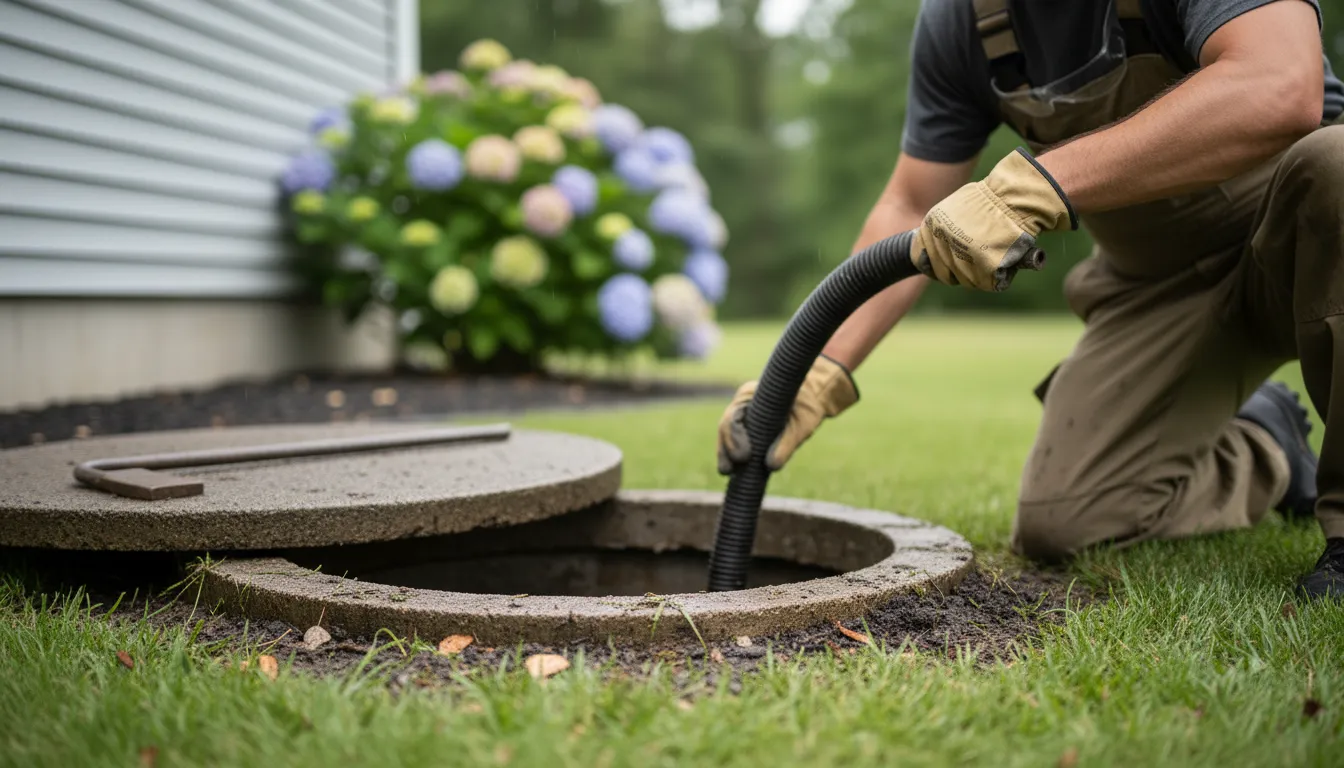
Maintaining your septic system is a crucial responsibility for any homeowner not connected to a municipal sewer line. Septic tank pumping is the essential process of removing accumulated sludge and scum from your tank to prevent system backups, environmental contamination, and costly repairs. For residents of Beavercreek, understanding local regulations, recommended service intervals, and how to find qualified professionals ensures your system operates safely and efficiently for years to come. This guide provides the key information you need to schedule proper maintenance and protect your home's wastewater infrastructure.
Apex Pros Plumbing, Electrical, Heating and Air
5450 Far Hills Ave Suite 209, Dayton, OH 45429
Apex Pros Plumbing, Electrical, Heating and Air provides a range of home services in Dayton, OH, including septic tank pumping, inspection, and septic system repair. The company also offers heating, cooling, plumbing, and electrical services, with experienced technicians using quality parts and tools. Apex Pros is known for handling various plumbing challenges such as clogged drains and sewer repairs, and they provide advanced drain cleaning techniques. Their team includes NATE-certified technicians skilled in HVAC and plumbing systems. They serve the Dayton area and emphasize thorough, reliable work.
A to Z Septic and Pumping
Dayton, OH
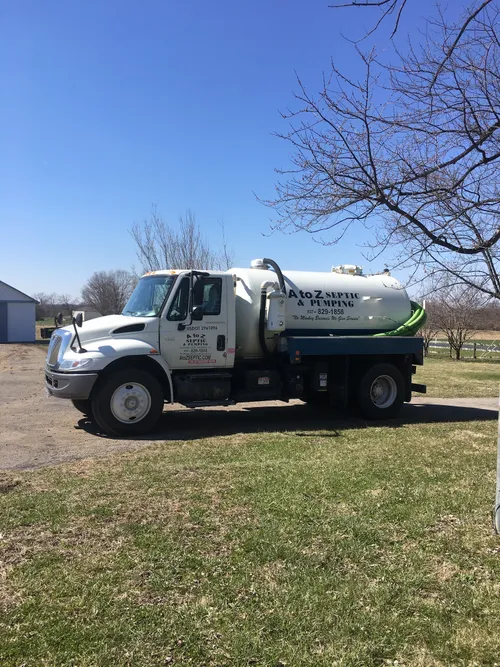
A to Z Septic and Pumping provides a range of septic services in Dayton, OH, including septic tank pumping, inspection, installation, and repair. They also handle drain field repair and grease trap cleaning for both residential and commercial customers. The company offers expertise in maintaining and installing septic systems, ensuring effective wastewater disposal and environmental protection. Their services include emergency septic tank repairs and dumpster rentals for additional waste disposal needs. A to Z Septic and Pumping serves the Dayton area with experienced plumbing professionals who assist customers in managing wastewater safely and efficiently.

Mr. Rooter Plumbing of Dayton
1400 Linden Ave, Dayton, OH 45410
Mr. Rooter Plumbing of Dayton is a licensed plumbing company serving Dayton, OH. They provide a wide range of plumbing services including septic tank pumping, drain cleaning, sewer line repair, water heater installation and repair, and emergency plumbing. The company offers specialized capabilities such as hydro jetting and video camera inspections to address plumbing issues effectively. Mr. Rooter Plumbing of Dayton operates with a commitment to clear communication and flat-rate pricing, and they provide 24/7 service for urgent plumbing needs.
That Septic Guy
Dayton, OH
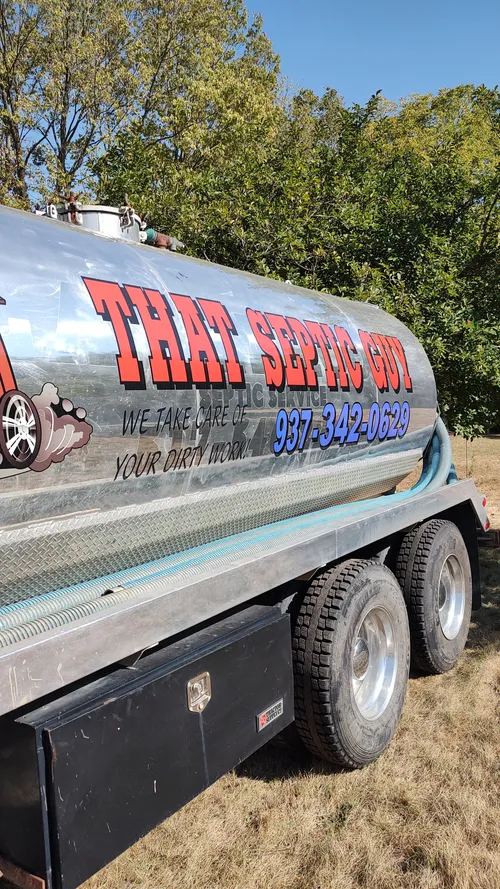
That Septic Guy is a veteran-owned septic pumping and inspection company based in Dayton, OH. They serve Clark, Champaign, Greene, and Madison Counties, offering services such as real estate septic inspections, septic tank location, and general septic tank cleaning. The company also provides large water pumping services for pools, ponds, basements, and more.
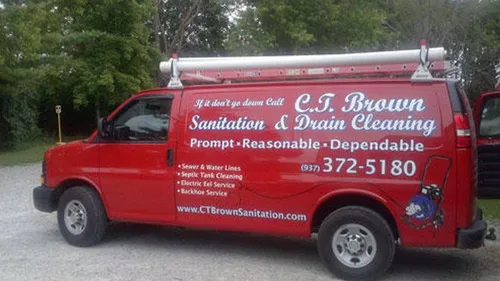
CT Brown Sanitation & Drain Cleaning
Dayton, OH
CT Brown Sanitation & Drain Cleaning is a septic tank pumping, inspection, and installation company serving Dayton, OH, and surrounding areas including Beavercreek and Xenia. With over 60 years of experience, the company provides a range of services such as septic tank cleaning, drain cleaning using electric eel and hydro jetting technology, grease trap maintenance, and full septic system installation including permits and excavation. They offer 24/7 emergency services to handle urgent septic or drainage issues and also provide snow removal during winter months to ensure safe property access.
Why Regular Septic Maintenance is Non-Negotiable
A septic system is a self-contained wastewater treatment plant on your property. When functioning correctly, it safely processes household water from toilets, showers, sinks, and appliances. Solid waste settles as sludge at the tank's bottom, while fats and oils float as scum. The clarified liquid in the middle flows out to the drain field for further filtration into the soil. Over time, the sludge and scum layers build up. If they aren't removed via periodic septic tank cleaning, they can overflow into the drain field, causing clogs, sewage backups into your home, and pollution of local groundwater.
Routine maintenance is the most cost-effective way to protect your investment. A failed leach field can cost tens of thousands of dollars to replace, whereas routine pumping is a fraction of that expense. In Beavercreek and throughout Greene County, proper upkeep is also a legal requirement to prevent surfacing sewage and protect public health 1 2.
Recommended Pumping & Inspection Schedule
How often you need to schedule septic tank service isn't a one-size-fits-all answer. It depends on your household size, total wastewater generated, tank volume, and the amount of solids in your wastewater.
- General Guideline: The standard recommendation from the U.S. Environmental Protection Agency and Ohio authorities is to have your tank pumped every 3 to 5 years 3.
- Annual Inspection: Even if pumping isn't needed yearly, a professional inspection every 1 to 3 years is highly advised. An expert can measure sludge and scum levels, check the condition of baffles and effluent filters, and identify potential problems early 4.
- Factors Requiring More Frequent Service:
- Household Size: A family of four or more will fill a tank faster than a single occupant.
- Tank Size: Smaller tanks (under 1,000 gallons) require more frequent attention.
- High Water Usage: Excessive laundry, long showers, or frequent use of a garbage disposal accelerate solids accumulation.
- Garbage Disposal Use: Using a garbage disposal significantly increases the rate of sludge buildup and is generally discouraged for homes with septic systems.
The only way to know for sure is through a professional inspection that measures the sludge layer. A good rule of thumb is to pump the tank when the sludge depth equals one-third of the liquid depth.
Local Regulations in Greene County
Septic systems in Beavercreek fall under the jurisdiction of the Greene County Public Health Department. Ohio Administrative Code (OAC 3701-29-12) mandates that all home sewage treatment systems must be designed, installed, and maintained to function properly without causing a nuisance or health hazard.
This means:
- Licensed Professionals: All pumping, inspection, and repair work must be performed by a registered septic service provider licensed by the state of Ohio.
- System Permits: Any new installation or major repair requires a permit from the local health department.
- Homeowner Responsibility: As the homeowner, you are ultimately responsible for ensuring your system is maintained and does not fail.
Using a licensed provider ensures the work is done correctly, waste is disposed of at approved facilities, and any necessary paperwork is filed.
What to Expect: The Pumping Process
Understanding what happens during a septic tank pumping appointment can help you prepare.
- Locating & Accessing the Tank: The technician will locate the tank, typically using plans or a probe. They will then excavate to uncover the manhole cover(s). Having a detailed map of your system or installing access risers to the surface can save time and money.
- Inspecting the System: Before pumping, a good technician will inspect the tank's inlet and outlet baffles (or tees) and the effluent filter (if present) for damage or clogs.
- Pumping the Tank: A large hose is inserted, and a vacuum truck removes all contents-sludge, scum, and liquid-from the tank. The goal is to remove the accumulated solids, not necessarily to leave the tank "spotless," as some residual bacteria is needed to restart the waste breakdown process.
- Final Check & Recommendations: After pumping, the technician should do a final check, ensure lids are securely replaced, and discuss their findings with you. They may note if the baffles need repair or if the drain field shows signs of distress.
Find the perfect septic tank pumping contractors for your needs
Get personalized recommendations and expert advice
Understanding Costs for Septic Tank Pumping
The cost for septic tank emptying in the Beavercreek area varies based on several factors. On average, homeowners in Ohio can expect to pay between $250 and $1,000 or more for a standard pumping service 5.
Key factors influencing price include:
- Tank Size: A standard 1,000-gallon tank may cost around $261, with a typical range of $240-$280 for the pumping service itself 6 7. Larger tanks (1,500+ gallons) cost more.
- Accessibility: If the tank lids are buried deep, require extensive digging to locate, or are located far from where the truck can park, labor costs will increase.
- Condition of the System: If the baffles or filter need cleaning or repair, this will add to the bill.
- Additional Services: Some companies charge extra for an initial inspection, cleaning the effluent filter, or providing a detailed report.
Always get a detailed estimate before work begins. The lowest price isn't always the best value; choose a provider based on their licensing, reputation, and thoroughness.
Best Practices for a Healthy Septic System
Pumping is vital, but what you do between service visits is equally important. Follow these septic system maintenance tips to extend the life of your system:
- Conserve Water: Spread out laundry loads, fix leaky faucets, and install high-efficiency fixtures to avoid overloading the system.
- Mind What You Flush: Only human waste and toilet paper should go down the toilet. Never flush wipes (even "flushable" ones), feminine hygiene products, dental floss, diapers, or paper towels.
- Use the Trash Can, Not the Drain: Avoid pouring cooking grease, oil, or fat down the sink. Minimize use of a garbage disposal. Do not pour harsh chemicals, paints, or pesticides down drains, as they can kill the beneficial bacteria in your tank 8 9.
- Protect the Drain Field: Never drive or park vehicles on the drain field, as this compacts the soil and can crush pipes. Keep roof drains, sump pumps, and other surface water away from the area. Plant only grass over the field; tree and shrub roots can cause damage.
Signs Your Septic Tank Needs Attention
Don't wait for a complete failure. Be alert for these warning signs that it's time to call for septic service:
- Slow Drains: Sinks, showers, and toilets that drain slowly, especially if multiple fixtures are affected.
- Sewage Odors: Unpleasant smells in your yard, near the tank, or inside the house.
- Gurgling Sounds: Bubbling or gurgling noises from your plumbing.
- Wet, Spongy Yard: Soggy ground or standing water over the drain field, particularly when it hasn't rained.
- Sewage Backup: The most severe sign-wastewater backing up into household drains.
If you notice any of these signs, contact a licensed professional immediately to inspect your system.
Frequently asked questions
Sources
Footnotes
-
Home Sewage Treatment Systems - https://senecahealthdept.org/my-home/home-sewage-treatment-systems/ ↩
-
Ohio Septic License & Certification | 2025 Contractor Guide - https://www.servicetitan.com/licensing/septic/ohio ↩
-
Frequent Questions on Septic Systems | US EPA - https://www.epa.gov/septic/frequent-questions-septic-systems ↩
-
Septic Systems | Department of Environmental Protection - https://www.pa.gov/agencies/dep/residents/my-water/septic-systems ↩
-
Ohio Septic Systems Costs & Prices - ProMatcher Cost Report - https://septic-systems.promatcher.com/cost/ohio.aspx ↩
-
How Much Does It Cost to Pump a Septic Tank? - Dooley Service Pro - https://www.dooleyservicepro.com/blog/how-much-does-it-cost-to-pump-a-septic-tank/ ↩
-
Ultimate Guide to Septic Tank Pumping - What You Need to Know - https://www.blueribbonseptic.com/blog/ultimate-guide-to-septic-tank-pumping ↩
-
Septic System Maintenance | Ohioline - https://ohioline.osu.edu/factsheet/aex-740 ↩
-
STS Components, Systems and Maintenance - https://odh.ohio.gov/know-our-programs/sewage-treatment-systems/information-for-homeowners/sts-components-systems-and-maintenance ↩