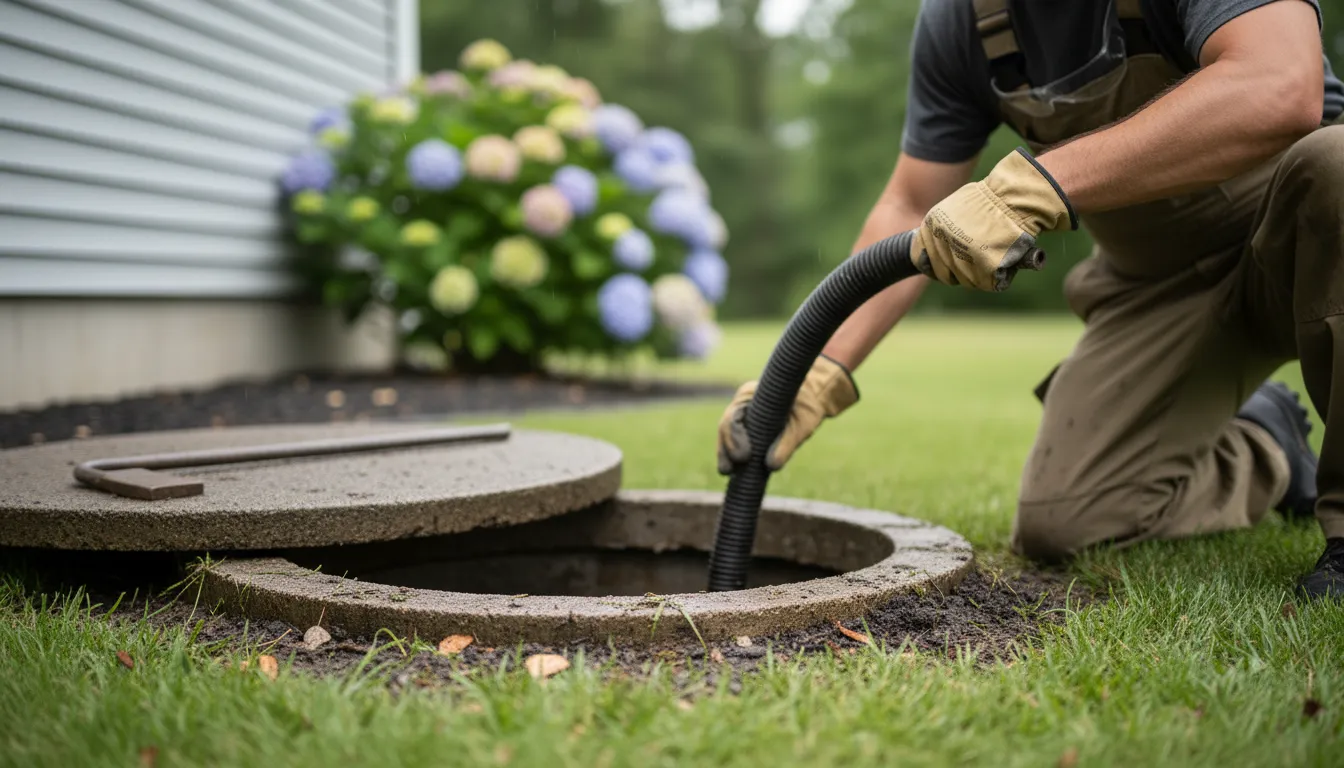
Find the Best Septic Tank Pumping Contractors for Your Business
No obligation • Fast responses • Nationwide coverage

Why you can trust Septic Spot
Septic Spot is a leading United States resource for understanding and comparing septic services. Our editors review providers using consistent criteria and verify key business details. Listings and scores are independent, and companies cannot pay to influence our content.
Search providers near you
Top Septic Tank Pumping Contractors in Columbus, Ohio Ranked
Maintaining a healthy septic system is a crucial responsibility for homeowners not connected to a municipal sewer line. Septic tank pumping is the essential process of removing accumulated solids and scum from your tank to prevent backups, system failure, and environmental contamination. For Columbus residents, understanding local guidelines, costs, and maintenance best practices is key to protecting your property and investment. This guide provides the information you need to schedule timely service and find qualified local professionals for your septic system care.
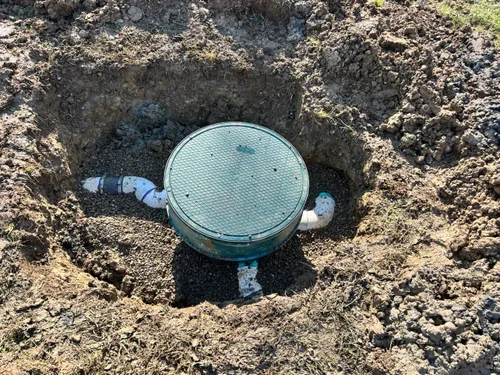
Affordable Waste Services
145 W Canal St, Newark, OH 43055
Affordable Waste Services is a family-owned septic and drain line company serving Columbus, OH, and surrounding areas. Established in 1989, they offer septic tank pumping, inspection, and repair services along with sewer line cleaning and maintenance. Their capabilities include camera inspections to accurately diagnose pipe issues and sewer jetting to clear stubborn blockages. They also maintain aeration tanks, grease traps, and lift stations to ensure efficient wastewater management.
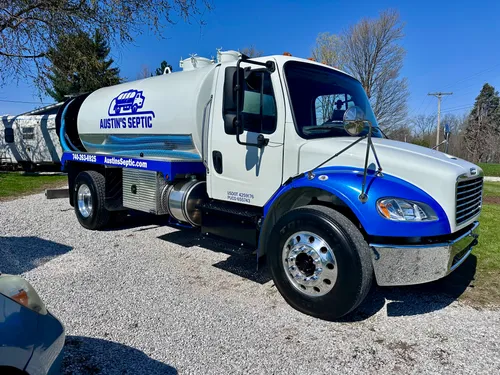
Austin's Septic
Columbus, OH
Austin's Septic is a septic tank pumping and maintenance company serving Columbus, OH, and the surrounding Central Ohio area. They provide septic tank pumping, system installation, inspections, emergency services, precision locating, sewer camera inspections, and high-pressure sewer jetting for both residential and commercial clients. The company emphasizes skilled service backed by years of experience and offers competitive pricing. Their expertise includes lift station pumping, which is important for maintaining wastewater systems in the region.
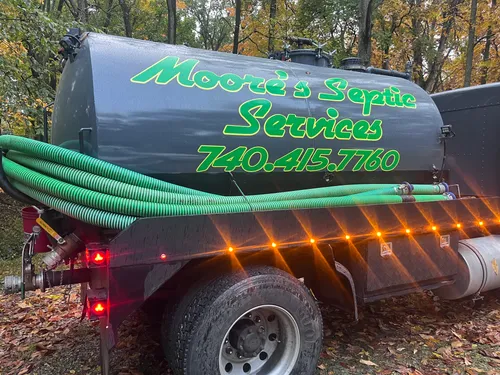
Moore's Septic Services LLC
11110 Dozer Rd SW, Stoutsville, OH 43154
Moore's Septic Services LLC is a septic tank pumping company based in Stoutsville, Ohio, serving Columbus and the surrounding areas. They provide septic tank pump out and cleaning services for residential and commercial clients across multiple counties including Fairfield, Pickaway, Perry, Ross, and Franklin. The company offers 24/7 availability for emergency and scheduled septic tank maintenance, ensuring timely service when needed.
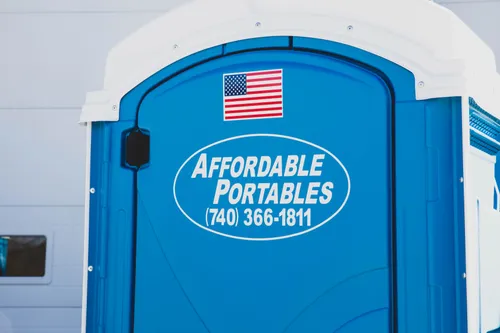
Affordable Portables/AP-X
1000 Keller Dr, Heath, OH 43056
Affordable Portables/AP-X is a septic tank pumping company serving Columbus, OH. They offer septic services for residential and commercial systems, including conventional, mound, and aeration systems. In addition to septic services, they provide portable restroom rentals and hydro excavation, which is an efficient method for removing dirt and exposing debris. Their hydro excavation service is designed to support various project needs with a focus on safety and efficiency.
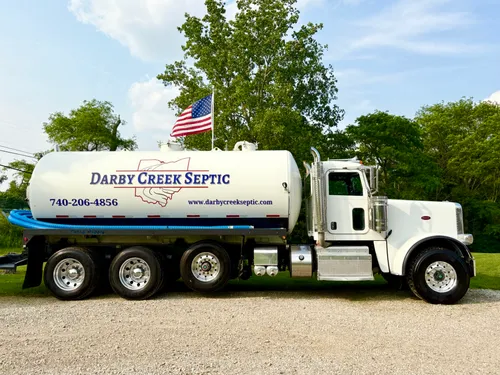
Darby Creek Septic LLC
5885 Lafayette Plain City Rd, London, OH 43140
Darby Creek Septic LLC is a family-owned business serving Columbus, OH, and surrounding counties in central Ohio. With over a decade of experience, they provide septic tank pumping, inspections, system repairs, sewer line camera inspections, jetting, and bulk hauling. They are licensed to serve multiple Ohio counties including Madison, Union, Franklin, and others. Their capabilities include locating and mapping septic systems and clearing sewer line blockages with specialized equipment. The company emphasizes honesty and quality work as part of their family business values.
Why Regular Septic Pumping is Essential
A septic system is a mini wastewater treatment plant on your property. When functioning correctly, it safely processes household water and waste. Over time, solids settle as sludge at the bottom of the tank, and lighter materials like fats and oils float to the top as scum. If these layers are not periodically removed through septic tank cleaning, they can overflow into the drain field, causing clogs, sewage backups into your home, and costly environmental damage. Regular pumping is the most effective preventative maintenance you can perform.
Recommended Pumping Frequency for Columbus Homes
How often you need septic system pumping depends primarily on your tank size and household size. A common guideline is to service your system every 3 to 5 years 1. However, the Ohio Department of Health provides a more detailed framework, suggesting pumping every 2 to 5 years based on usage.
For a standard 1,000-gallon tank, the schedule often breaks down as follows:
- 1-2 people: Every 5-8 years.
- 3-4 people: Every 3-4 years.
- 5+ people: Every 2 years or less.
Important Note: Using a garbage disposal significantly increases the solid waste entering your tank, which can necessitate more frequent pumping 2 3. Smaller tanks or systems experiencing heavy water usage will also require service more often than the average.
What to Expect: The Pumping Process and Inspection
A professional septic service involves more than just removing waste. A thorough provider will:
- Locate and uncover your tank's access lids.
- Inspect the tank for any visible cracks, leaks, or structural issues.
- Check the inlet and outlet baffles or tees (which are critical for preventing solids from exiting into the drain field) for damage or blockages.
- Pump out all the accumulated sludge and scum from the tank.
- Possibly measure the sludge and scum layers to assess your system's health and help determine your optimal pumping schedule.
This inspection during pumping is a vital diagnostic step that can identify small problems before they become expensive repairs.
Understanding Costs for Septic Tank Pumping in Columbus
The cost to pump your septic tank in the Columbus area is influenced by tank size, accessibility, and the amount of waste to be removed. For most residential tanks, homeowners can expect the following price ranges:
- Average Cost: Most common residential tanks (1,000-1,500 gallons) cost between $300 and $700 to pump 4.
- Smaller Tanks: A 600-gallon tank may be pumped for as low as $250.
- Larger Tanks: Pumping a 2,000-gallon tank can exceed $9005.
While price is a factor, ensure you hire a professional registered with the local health department. Proper licensing is a key indicator of a reputable service that will dispose of waste according to Ohio regulations.
Find the perfect septic tank pumping contractors for your needs
Get personalized recommendations and expert advice
Beyond Pumping: Comprehensive Septic System Maintenance
Pumping is the cornerstone of maintenance, but a complete care routine involves other tasks to ensure long-term system health.
Regular Inspections: For conventional systems, a full inspection is recommended at least every three years, or annually for alternative systems like drip distribution 6. Some advanced systems may even require professional inspection two to four times per year.
Effluent Filter Care: If your tank has an effluent filter (installed on the outlet pipe), it should be cleaned every 6 to 12 months to prevent clogs 7.
Water Conservation: Reducing unnecessary water flow is one of the best things you can do for your septic system. Spread out laundry loads, fix leaky faucets promptly, and install high-efficiency fixtures to reduce the hydraulic load on your drain field.
What to Avoid: Steer clear of biological or chemical septic tank additives. Research from Ohioline indicates these products do not eliminate the need for pumping and can actually harm the bacterial balance in your tank and contaminate groundwater 8 9. Also, never park vehicles or build structures over your tank or drain field, as the weight can damage components.
Choosing a Qualified Septic Service Provider in Columbus
When it's time to schedule your septic tank emptying, selecting the right contractor is critical. Always verify that the company is registered with the local health department. Ask about their inspection process-a good provider will check baffles and tank integrity, not just pump and leave. Consider getting estimates from a few local services and ask what is included in the quoted price. Reading reviews and asking neighbors for recommendations can also lead you to a reliable, experienced professional who understands the specific soil conditions and regulations in central Ohio.
Signs Your Septic Tank Needs Immediate Attention
Don't wait for a complete system failure. Contact a septic professional immediately if you notice any of these warning signs:
- Slow drains or gurgling pipes throughout the house.
- Sewage backups in toilets, showers, or sinks.
- Unpleasant odors around the tank or drain field area.
- Exceptionally lush, green grass or soggy, wet spots over the drain field.
- Standing water or surfacing sewage in your yard.
Addressing these issues quickly can mean the difference between a routine pumping and a major, costly repair.
Frequently asked questions
Sources
Footnotes
-
Understanding Ohio's Septic System Regulations - https://checkmateohio.com/understanding-ohios-septic-system-regulations/ ↩
-
Know Your Septic Tank - https://www.lcghd.org/wp-content/uploads/2019/02/Knowyourseptictank.pdf ↩
-
How Often to Pump a Septic Tank - Clear River Environmental - https://clearriverenvironmental.com/how-often-to-pump-a-septic-tank/ ↩
-
How Much Does It Cost to Pump a Septic Tank in Columbus ... - https://www.angi.com/articles/how-much-does-septic-tank-pumping-cost/oh/columbus ↩
-
How Often to Pump Septic Tank: 2026 Maintenance Guide - https://dandhsepticservices.com/how-often-to-pump-septic-tank/ ↩
-
STS Components, Systems and Maintenance - https://odh.ohio.gov/know-our-programs/sewage-treatment-systems/information-for-homeowners/sts-components-systems-and-maintenance ↩
-
New Homebuyer's Guide to Septic Systems - https://gphohio.org/wp-content/uploads/sites/17/2023/09/New-Homebuyers-Guide-to-Septic-Systems.pdf ↩
-
Septic System Care and Maintenance - Ohioline - https://ohioline.osu.edu/factsheet/aex-740-0 ↩
-
Septic System Maintenance | Ohioline - https://ohioline.osu.edu/factsheet/aex-740 ↩