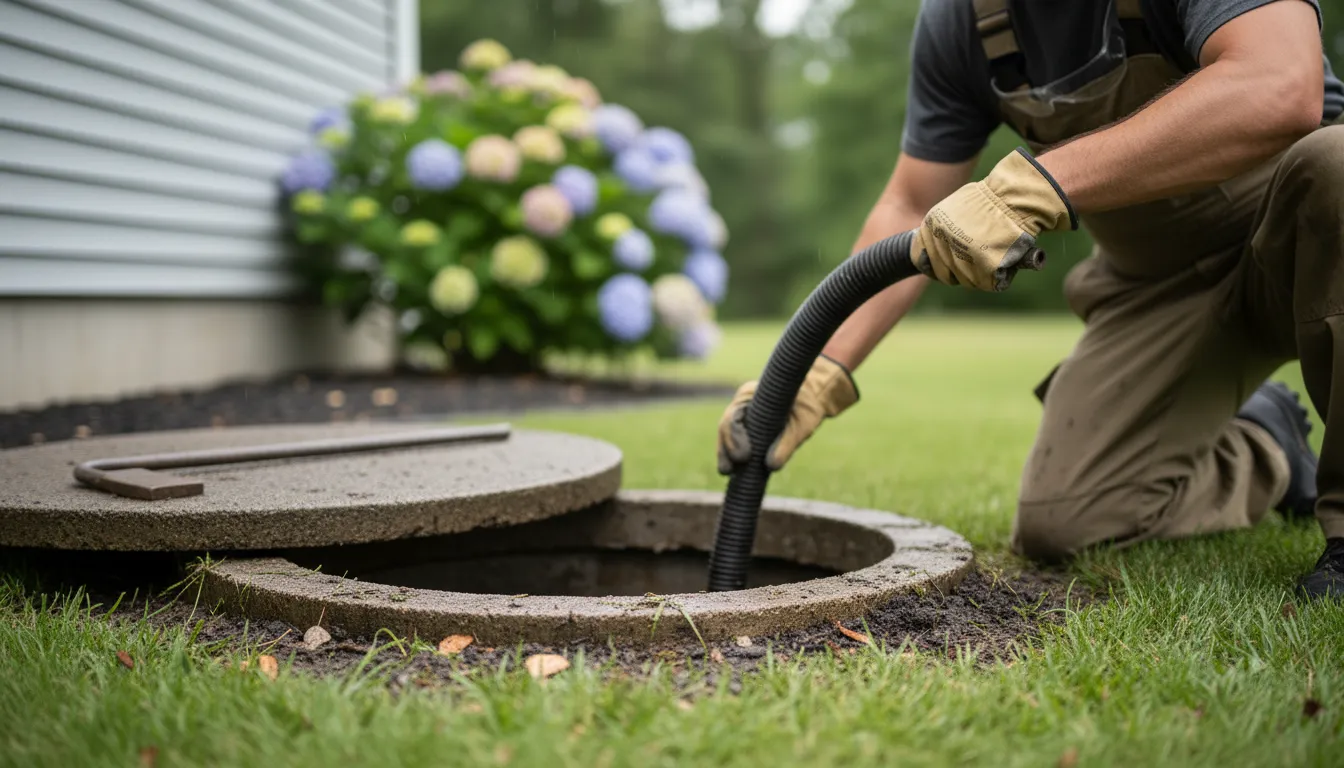
Find the Best Septic Tank Pumping Contractors for Your Business
No obligation • Fast responses • Nationwide coverage

Why you can trust Septic Spot
Septic Spot is a leading United States resource for understanding and comparing septic services. Our editors review providers using consistent criteria and verify key business details. Listings and scores are independent, and companies cannot pay to influence our content.
Search providers near you
Top Septic Tank Pumping Contractors in Dayton, Ohio Ranked
Maintaining a healthy septic system is a critical responsibility for homeowners in Dayton. Regular septic tank pumping is the most essential service to prevent system failure, costly repairs, and environmental contamination. This guide explains why this maintenance is vital, how often you should schedule it, and what to look for when finding a qualified local professional to service your system.
Apex Pros Plumbing, Electrical, Heating and Air
5450 Far Hills Ave Suite 209, Dayton, OH 45429
Apex Pros Plumbing, Electrical, Heating and Air provides a range of home services in Dayton, OH, including septic tank pumping, inspection, and septic system repair. The company also offers heating, cooling, plumbing, and electrical services, with experienced technicians using quality parts and tools. Apex Pros is known for handling various plumbing challenges such as clogged drains and sewer repairs, and they provide advanced drain cleaning techniques. Their team includes NATE-certified technicians skilled in HVAC and plumbing systems. They serve the Dayton area and emphasize thorough, reliable work.
A to Z Septic and Pumping
Dayton, OH
A to Z Septic and Pumping provides a range of septic services in Dayton, OH, including septic tank pumping, inspection, installation, and repair. They also handle drain field repair and grease trap cleaning for both residential and commercial customers. The company offers expertise in maintaining and installing septic systems, ensuring effective wastewater disposal and environmental protection. Their services include emergency septic tank repairs and dumpster rentals for additional waste disposal needs. A to Z Septic and Pumping serves the Dayton area with experienced plumbing professionals who assist customers in managing wastewater safely and efficiently.

Mr. Rooter Plumbing of Dayton
1400 Linden Ave, Dayton, OH 45410
Mr. Rooter Plumbing of Dayton is a licensed plumbing company serving Dayton, OH. They provide a wide range of plumbing services including septic tank pumping, drain cleaning, sewer line repair, water heater installation and repair, and emergency plumbing. The company offers specialized capabilities such as hydro jetting and video camera inspections to address plumbing issues effectively. Mr. Rooter Plumbing of Dayton operates with a commitment to clear communication and flat-rate pricing, and they provide 24/7 service for urgent plumbing needs.
That Septic Guy
Dayton, OH
That Septic Guy is a veteran-owned septic pumping and inspection company based in Dayton, OH. They serve Clark, Champaign, Greene, and Madison Counties, offering services such as real estate septic inspections, septic tank location, and general septic tank cleaning. The company also provides large water pumping services for pools, ponds, basements, and more.
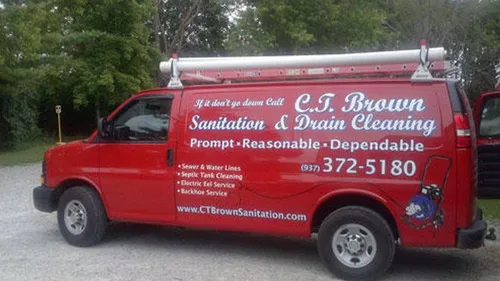
CT Brown Sanitation & Drain Cleaning
Dayton, OH
CT Brown Sanitation & Drain Cleaning is a septic tank pumping, inspection, and installation company serving Dayton, OH, and surrounding areas including Beavercreek and Xenia. With over 60 years of experience, the company provides a range of services such as septic tank cleaning, drain cleaning using electric eel and hydro jetting technology, grease trap maintenance, and full septic system installation including permits and excavation. They offer 24/7 emergency services to handle urgent septic or drainage issues and also provide snow removal during winter months to ensure safe property access.
Why Septic Tank Pumping is Non-Negotiable
Your septic tank is a settling chamber where solids (sludge) settle to the bottom and lighter materials (scum) float to the top. The clarified liquid in the middle flows out to the drain field. Over time, the sludge and scum layers accumulate. If not removed via pumping, these solids can wash out into the drain field, clogging the soil absorption system. This leads to sewage backups into your home, soggy patches in your yard, and contamination of groundwater. Regular pumping removes these accumulated solids, protecting the long-term functionality of your entire onsite wastewater treatment system.
Recommended Pumping Frequency for Dayton Homes
How often you need septic service isn't a one-size-fits-all answer; it depends on your specific household and system. However, local health authorities and service providers offer clear guidelines.
- General Rule: For a typical household in Dayton, every 3 to 5 years is the standard recommendation for septic tank cleaning.
- Public Health Guidance: Public Health - Dayton & Montgomery County specifically advises a 3-5 year interval for most systems 1.
- More Frequent Service Needed: Certain factors necessitate more frequent pumping, potentially every 1-2 years. This includes households with:
- A garbage disposal, which significantly increases solid waste.
The best practice is to have your tank inspected annually to measure sludge and scum levels. This inspection will tell you definitively when pumping is needed, taking the guesswork out of scheduling.
What a Professional Pumping Service Includes
A thorough septic tank pumping is more than just removing waste. A reputable provider will typically:
- Locate and uncover the tank access lids.
- Inspect the tank interior, baffles, and tees for damage or wear.
- Pump out all solids and liquids from the tank.
- Rinse the tank walls (if necessary) and inspect the effluent filter, cleaning it if present.
- Check for signs of leaks, root intrusion, or groundwater seepage.
- Provide a record of the service, including sludge levels observed and any recommendations.
Keeping these records is crucial for tracking your system's health and is often required if you sell your home.
The Critical Role of Annual Inspections
Think of an annual inspection as a check-up for your septic system. Even if pumping isn't needed, a quick look can catch small problems before they become disasters. During an inspection, a technician will check:
- Sludge and Scum Levels: To determine how close you are to needing a pump-out.
- Baffles and Outlet Tees: Ensuring they are intact to prevent solids from escaping.
- Effluent Filters: Cleaning any filters to maintain proper flow.
- Mechanical Components: For systems with pumps, aerators, or alarms, verifying they are operational 5.
- Signs of Failure: Such as overly green grass over the drain field or odors.
Find the perfect septic tank pumping contractors for your needs
Get personalized recommendations and expert advice
Understanding Costs for Septic Maintenance
The cost for septic tank pumping in the Dayton area can vary. A single pumping service typically has a base cost, but the final price can be influenced by:
- Tank Size and Accessibility: Hard-to-reach tanks or those with buried lids may cost more.
- Condition: Excessively full tanks or those requiring additional rinsing might incur extra charges.
- Local Competition and Service Offerings.
While a single pump-out has a specific cost, some homeowners find it useful to budget approximately $100-$200 annually when averaging the expense of periodic pumping and inspections over time 6 7. Always get a detailed estimate before work begins.
Best Practices to Extend Time Between Pumpings
You can directly influence how often you need service by changing household habits.
- Conserve Water: Fix leaks, use high-efficiency fixtures, and spread out laundry loads to avoid overwhelming the system.
- Mind What You Flush: Only human waste and toilet paper should go down the drain. Avoid flushing wipes (even "flushable" ones), feminine hygiene products, diapers, grease, coffee grounds, and chemicals.
- Avoid Garbage Disposals: Using a disposal can double the amount of solids entering your tank, requiring much more frequent pumping 8.
- Don't Rely on Additives: Avoid chemical or biological septic tank additives. They are not a substitute for pumping and can sometimes harm the natural bacterial balance or contaminate groundwater 9.
- Protect Your Drain Field: Don't drive or park over it, and plant only grass over the area. Keep roof drains and sump pumps directed away from it.
Navigating Local Regulations
Ohio and local counties have regulations governing septic systems, also known as Household Sewage Treatment Systems (HSTS). While Dayton is in Montgomery County, homeowners in neighboring areas like Miami County should be aware of their local health department's specific guidelines for maintenance records and system requirements 10. Proper maintenance, including regular pumping, is your first line of defense in staying compliant and protecting your property value.
Signs Your Septic Tank Needs Immediate Attention
Don't wait for a full-blown emergency. Contact a septic professional if you notice:
- Slow drains or gurgling plumbing fixtures throughout the house.
- Sewage backups in toilets, showers, or drains.
- Unpleasant odors around the house or yard.
- Soggy, bright green grass, or standing water over the drain field area.
- Alarm sounds from your septic system control panel (if equipped).
Addressing these issues quickly can mean the difference between a simple pumping and a very expensive drain field repair or replacement.
Frequently asked questions
Sources
Footnotes
-
Sewage Treatment Systems - Public Health - Dayton & Montgomery ... - https://www.phdmc.org/programs-a-to-z/household-sewage-treatment-system-program ↩
-
How Often to Pump a Septic Tank in Ohio - SepTek - https://www.septekservices.com/2025/05/08/how-often-should-you-pump-your-septic-tank-in-ohio/ ↩
-
Septic Systems | Department of Environmental Protection - https://www.pa.gov/agencies/dep/residents/my-water/septic-systems ↩
-
How Often to Pump a Septic Tank - Clear River Environmental - https://clearriverenvironmental.com/how-often-to-pump-a-septic-tank/ ↩
-
How Often Should You Pump Your Septic Tank? - https://tlsepticpumper.com/septic-system-education/how-often-pump-septic-tank/ ↩
-
STS Components, Systems and Maintenance - https://odh.ohio.gov/know-our-programs/sewage-treatment-systems/information-for-homeowners/sts-components-systems-and-maintenance ↩
-
How Much Does Septic Pumping in Ohio Cost? - https://www.austinsseptic.com/post/how-much-does-septic-plumbing-in-ohio-cost ↩
-
Septic Tank Pumping Frequency - https://shelbycountyhealthdept.org/wp-content/uploads/2023/09/Septic-tank-pumping-frequency-chart.pdf ↩
-
Septic System Maintenance | Ohioline - https://ohioline.osu.edu/factsheet/aex-740 ↩
-
Maintain accurate maintenance records. These records will be ... - https://www.miamicountyhealth.net/pdf/household-sewage/0ae78b_83c03b08efb94b088c09d4eede9b6109.pdf ↩