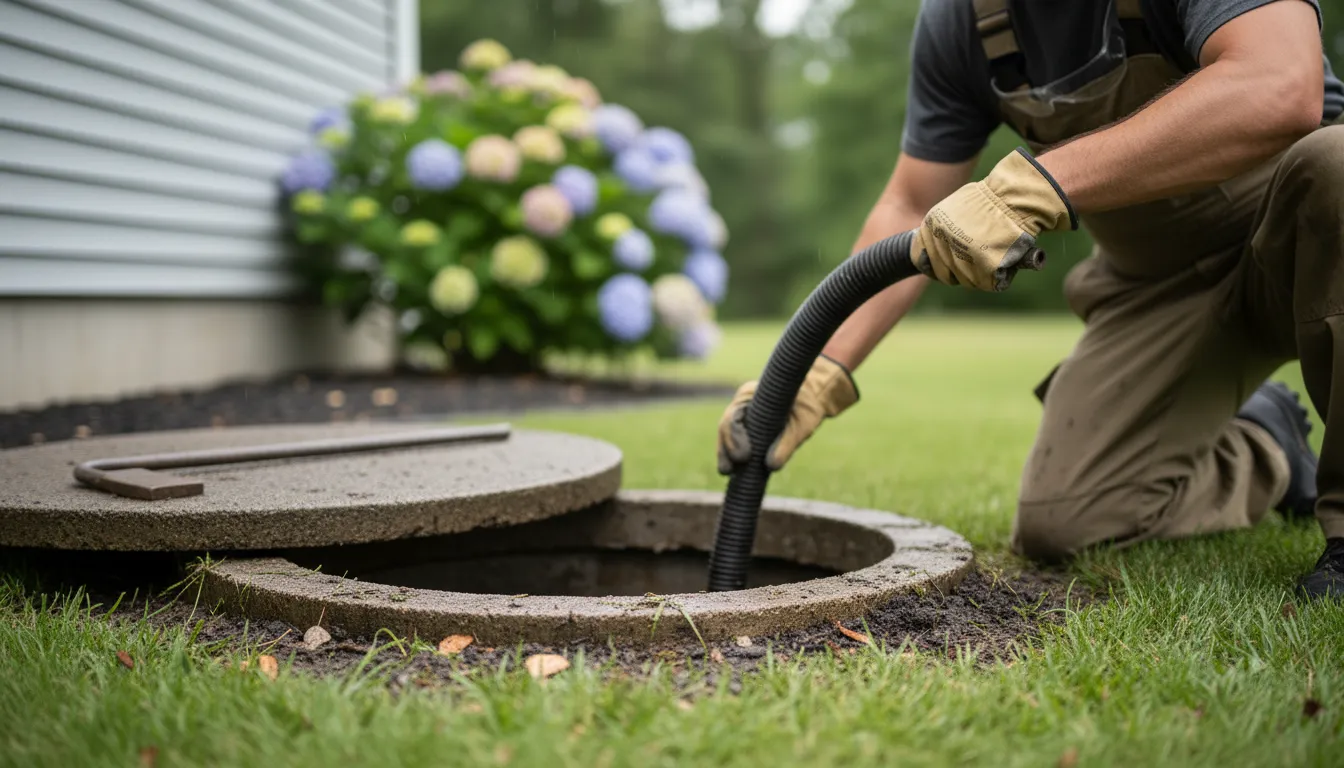
Find the Best Septic Tank Pumping Contractors for Your Business
No obligation • Fast responses • Nationwide coverage

Why you can trust Septic Spot
Septic Spot is a leading United States resource for understanding and comparing septic services. Our editors review providers using consistent criteria and verify key business details. Listings and scores are independent, and companies cannot pay to influence our content.
Search providers near you
Top Septic Tank Pumping Contractors in Cincinnati, Ohio Ranked
Maintaining a septic system is a crucial responsibility for homeowners in Cincinnati and the surrounding areas. Regular septic tank pumping and inspection are essential to prevent system backups, environmental contamination, and expensive emergency repairs. This guide provides local insights on service frequency, costs, and best practices to help you find qualified professionals for your septic system maintenance needs.
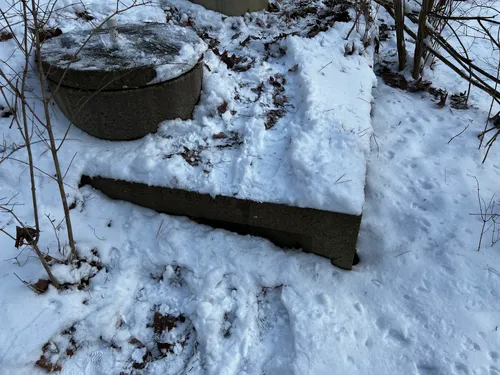
Tank Busters Sewer & Septic
1333 Ohio Pike, Amelia, OH 45102
Tank Busters Sewer & Septic is a septic tank pumping, inspection, and repair company serving Cincinnati, OH. They offer scheduled septic tank pumping, drain cleaning, sewer line repairs, and comprehensive septic system inspections to maintain and protect septic systems. Their services include thorough inspections and expert repairs to address blockages, leaks, or damage in sewer systems. Emergency assistance is available for urgent septic or sewer issues.
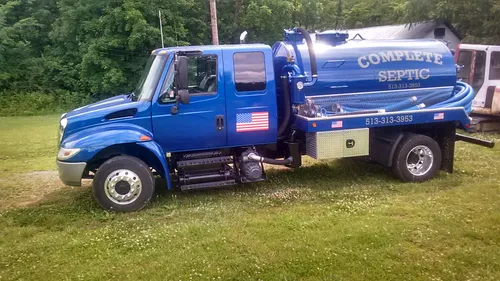
Complete Septic
6380 OH-727, Goshen, OH 45122
Complete Septic is a septic tank pumping and repair company serving Cincinnati, OH, and the surrounding areas including Goshen. With over 40 years of experience, the company offers septic pumping, system repairs, cleaning, and pump replacement services. Complete Septic uses high-end equipment and has the technical expertise to maintain and restore septic systems to proper working condition.
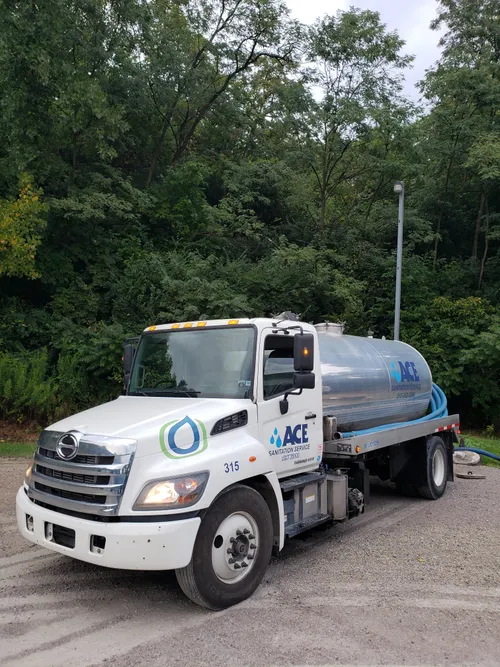
Ace Sanitation Service
4525 OH-128, Cleves, OH 45002
Ace Sanitation Service is a septic system company based in Cincinnati, OH, offering residential and commercial septic tank cleaning, inspection, and repair services. Their capabilities include septic tank motor repair, video camera line inspection, and high velocity jetting. The company also provides specialized services such as restaurant grease trap service and lift station maintenance. Ace Sanitation Service is a certified hauler and supplies chemicals and accessories for septic system care.

A.K. Butler Services, LLC
2684 Morgan Ln, Hamilton, OH 45013
A.K. Butler Services, LLC is a septic tank pumping company based in Cincinnati, OH. They provide septic tank pumping services with a team of full-time employees who perform all work directly, without subcontractors. The company has been locally owned and operated since 1989, serving the Cincinnati area with experienced septic system maintenance.
Got-A-Go Rentals & Septic Services
11910 Joseph E Schmiade Rd, Independence, KY 41051
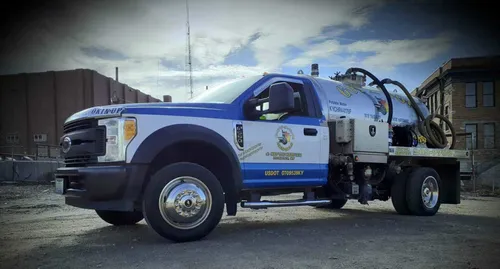
Got-A-Go Rentals & Septic Services is a septic tank pumping company serving Cincinnati, OH, and surrounding areas. With over 20 years in the sanitation industry, they provide septic services along with portable restroom rentals for construction sites, special events, and residences. Their fleet includes hand wash stations, handicap accessible restrooms, and holding tanks, supporting both commercial and residential needs. The company covers a wide service area including parts of Ohio and multiple counties in Kentucky.
Proper septic system care protects your property value and the local environment. Neglecting this maintenance can lead to sewage backups into your home or contamination of groundwater, which is a serious public health concern. A well-maintained system, serviced by a reliable local contractor, can last for decades.
Understanding Your Septic System
A septic system is an on-site wastewater treatment structure, commonly used in areas without centralized sewer lines. It consists of a septic tank and a drainfield (or leach field). Solid waste settles as sludge in the tank, while liquids flow out into the drainfield for further filtration. Over time, the sludge accumulates and must be physically removed through pumping to prevent it from flowing into and clogging the drainfield, which causes system failure.
Recommended Pumping Frequency for Cincinnati Homes
How often you need septic tank pumping depends primarily on your household size and tank capacity. General guidelines for the Cincinnati region suggest servicing every 3 to 5 years. However, a more personalized schedule is best:
- 1-2 People (500-750 gallon tank): Every 5-7 years.
- 3-4 People (1000-1250 gallon tank): Every 3-4 years 1.
- 5+ People (1500+ gallon tank): Every 2-3 years 2.
Important Factors: Using a garbage disposal significantly increases the solid waste load in your tank, necessitating more frequent pumping or inspection 3 4. The Ohio Department of Health recommends inspecting the entire system every 2-5 years, which often coincides with a pumping service.
What to Expect During a Pumping Service
A professional septic service involves more than just removing waste. A thorough provider will:
- Locate and uncover the tank access lids.
- Inspect the tank interior for cracks, leaks, and the condition of baffle walls.
- Measure the scum and sludge layers to determine pumping necessity.
- Pump out all solid and liquid contents from the tank using a vacuum truck.
- Properly dispose of the waste at a licensed treatment facility.
- Conduct a basic inspection of the drainfield area for signs of failure.
Keeping detailed records of all inspections, pumping dates, and any repairs is highly recommended for your home's maintenance history and for compliance if you sell your property.
Cost of Septic Tank Pumping in Ohio
For Cincinnati-area homeowners, the cost for standard septic tank pumping typically ranges from $250 to $6005 6 7. The final price depends on:
- Tank Size: Larger tanks cost more to pump.
- Accessibility: Difficult-to-reach tanks or those with buried lids may incur additional charges.
- Condition: Tanks requiring extra time due to excessive sludge or other issues may increase the price.
When budgeting, consider the annualized maintenance cost. Spreading the one-time pumping fee over the recommended service interval results in an estimated annual maintenance cost of $100 to $300 8 9. This is a small price to pay compared to the $5,000 to $15,000+ cost of replacing a failed drainfield.
Find the perfect septic tank pumping contractors for your needs
Get personalized recommendations and expert advice
Protecting Your System Between Services
Routine pumping is the cornerstone of maintenance, but daily habits determine your system's long-term health. Follow these tips to avoid premature problems:
- Conserve Water: Spread out laundry loads and fix leaky fixtures to prevent hydraulically overloading the drainfield.
- Mind What You Flush: Only human waste and toilet paper should go down the drain. Avoid flushing wipes (even "flushable" ones), feminine hygiene products, dental floss, diapers, and cigarettes.
- Dispose, Don't Drain: Never pour cooking fats, oils, or grease down the sink. Avoid excessive use of harsh chemical cleaners, antibacterial soaps, and bleach, which can kill the beneficial bacteria in your tank 10 11.
- Protect the Drainfield: Never park vehicles or build structures over the drainfield. Keep roof drains, sump pumps, and other rainwater runoff directed away from the area.
Signs Your Septic Tank Needs Attention
Don't wait for a complete failure. Contact a septic professional if you notice:
- Slow drains or gurgling pipes throughout the house.
- Sewage odors around the yard or home.
- Unusually lush, green grass over the drainfield, especially during dry weather.
- Standing water or soggy soil in the yard near the tank or drainfield.
- Sewage backing up into household drains.
Local Regulations in Hamilton County
Septic system installation, repair, and maintenance are regulated at the county level. For specific questions about permits, system requirements, or compliance issues in the Cincinnati area, homeowners should contact the Hamilton County Public Health department. They can provide guidance on local codes and approved system types.
Choosing a Service Provider in Cincinnati
Selecting a qualified, licensed, and insured contractor is vital. Look for companies with strong local reputations, transparent pricing, and a commitment to thorough service-not just a quick pump-out. Ask about their inspection process, waste disposal practices, and whether they provide detailed service reports. Reading reviews and asking neighbors for recommendations are excellent ways to find reliable septic tank pumping services in the Greater Cincinnati region.
Frequently asked questions
Sources
Footnotes
-
How Often Should You Pump Your Septic Tank? - https://tlsepticpumper.com/septic-system-education/how-often-pump-septic-tank/ ↩
-
How Often Should I Pump Out My Septic Tank? - https://cms2.revize.com/revize/westportma/Documents/Departments/Health/Forms%20And%20Resources/how_often_should_i_pump_out_my_septic_tank_2.pdf?t=202508080914340&t=202508080914340 ↩
-
Septic Tank Pumping Frequency: Crucial Maintenance Guide - https://septic911.com/septic-tank-pumping-frequency/ ↩
-
Discover the Recommended Septic Tank Pumping Frequency: 5 Facts! - https://www.unitedsewerservice.com/recommended-septic-tank-pumping-frequency/ ↩
-
How Much Does Septic Tank Pumping and Maintenance Cost in ... - https://gullettsanitation.com/2025/09/how-much-does-septic-tank-pumping-and-maintenance-cost-in-bethel-ohio/ ↩
-
How Much Does Septic Pumping in Ohio Cost? - https://www.austinsseptic.com/post/how-much-does-septic-plumbing-in-ohio-cost ↩
-
How To Maintain A Septic System - https://www.cincinkyrealestate.com/blog/septic-system-maintenance/ ↩
-
STS Components, Systems and Maintenance - https://odh.ohio.gov/know-our-programs/sewage-treatment-systems/information-for-homeowners/sts-components-systems-and-maintenance ↩
-
How Often Should You Get Your Septic Tank Pumped? - https://www.coastalsepticsolutions.com/blog/how-often-should-you-get-your-septic-tank-pumped ↩
-
Septic Systems - Cincinnati Ohio Home Inspections - https://www.thehome-inspection.com/home-information-center/septic-systems/ ↩
-
How To Maintain A Septic System - https://www.cincinkyrealestate.com/blog/septic-system-maintenance/ ↩