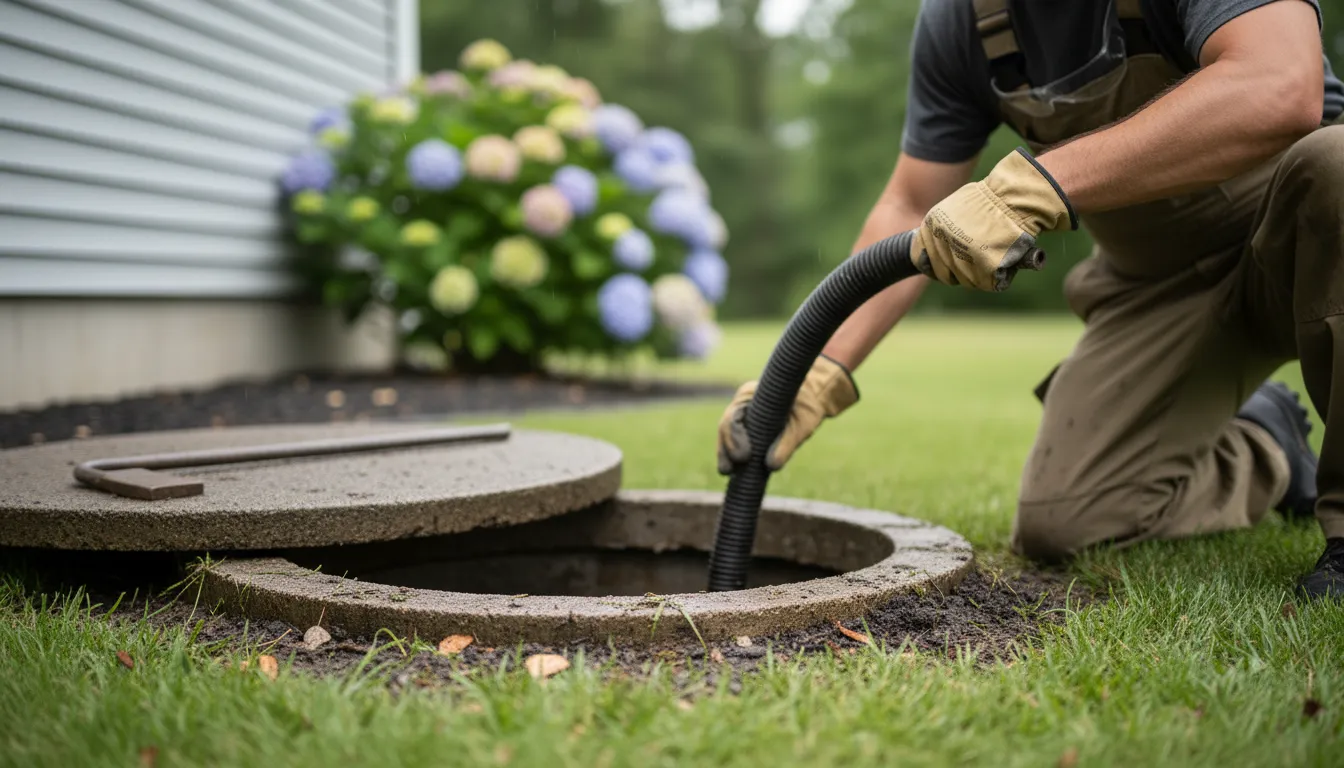
Find the Best Septic Tank Pumping Contractors for Your Business
No obligation • Fast responses • Nationwide coverage

Why you can trust Septic Spot
Septic Spot is a leading United States resource for understanding and comparing septic services. Our editors review providers using consistent criteria and verify key business details. Listings and scores are independent, and companies cannot pay to influence our content.
Search providers near you
Top Septic Tank Pumping Contractors in Cuyahoga Falls, Ohio Ranked
Maintaining your septic system is a crucial responsibility for any homeowner not connected to a municipal sewer line. Proper septic tank pumping and maintenance protects your property investment, safeguards the local environment, and prevents costly, disruptive failures. This guide provides essential information for Cuyahoga Falls residents on local regulations, typical service costs, and best practices for finding qualified professionals to handle your septic system servicing needs.
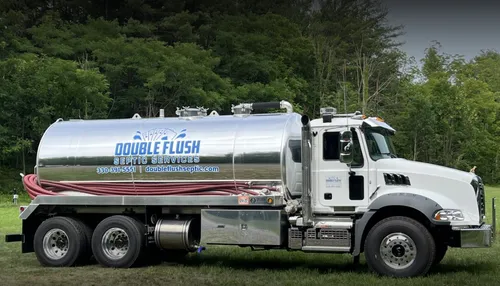
Double Flush Septic Services
2481 Remsen Rd, Medina, OH 44256
Double Flush Septic Services is a family-owned company based in Medina, OH, providing septic system installation, pumping, inspection, and repair services throughout Akron and the surrounding Northeast Ohio counties. They serve a broad area including Medina, Summit, Stark, Wayne, and Cuyahoga counties, offering expertise in maintaining and repairing septic tanks, drain fields, and aeration systems such as Norweco, Hydro-Action, and Marlow-Hunter. The company also provides emergency septic services and commercial grease trap cleaning, with capabilities like hydro jetting and drain snaking to address severe blockages. Double Flush Septic Services emphasizes local knowledge of Ohio's climate and soil conditions to support system longevity and functionality.
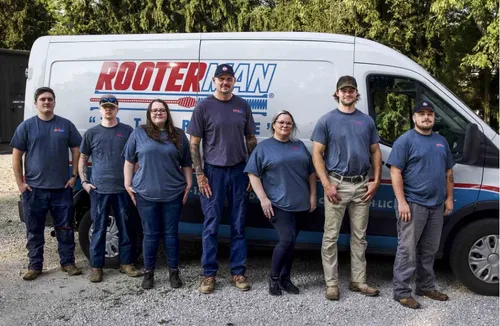
Rooter Man
195 Potomac Ave Unit B, Tallmadge, OH 44278
Rooter Man is a family-owned plumbing company serving Akron, OH, and surrounding areas including Summit, Stark, and Portage counties. They offer a wide range of services including septic tank pumping, inspection, repair, and installation, along with drain cleaning, sewer line repair, and water heater services. With over 50 years of experience, Rooter Man uses advanced tools such as hydro jetting and video pipe inspections to address plumbing and septic system issues efficiently. The company provides emergency service seven days a week to handle urgent plumbing needs.
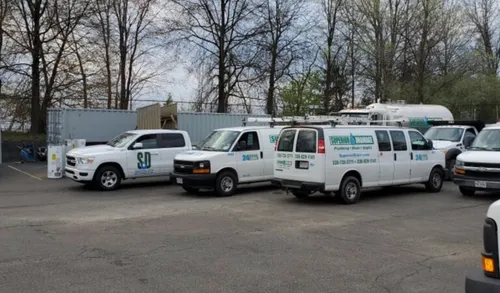
Superior Drainage
900 Killian Rd, Akron, OH 44312
Superior Drainage is a full-service plumbing company based in Akron, OH, offering residential, commercial, municipal, and septic system services. They provide septic tank pumping, repairs, and installation, along with hydro jetting and trench sewer line repair to maintain efficient wastewater management. Serving Northeast Ohio, including Summit, Portage, Stark, and Medina counties, Superior Drainage has been operating since 1996. Their team is experienced in handling a wide range of plumbing needs, from water heater installations to sewer line maintenance, with a focus on regulatory compliance and environmental safety.
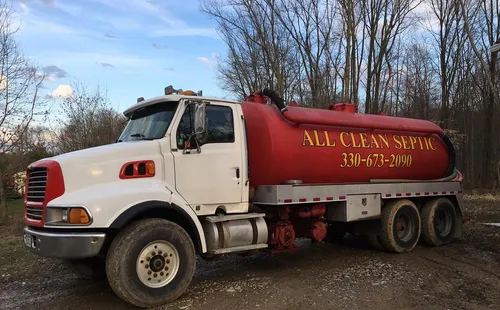
All Clean Septic
Akron, OH
All Clean Septic is a septic tank pumping company serving Akron, OH, and the surrounding Portage County area. They provide routine septic pumping and emergency septic backup services, focusing on thorough and precise work. The company emphasizes careful, reliable septic maintenance to prevent costly issues.
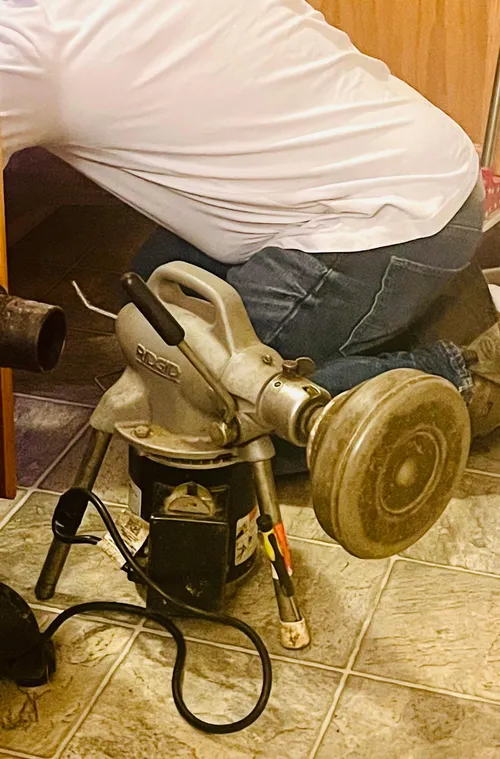
Lehman Drain & Septic
13014 Duquette Ave NE, Hartville, OH 44632
Lehman Drain & Septic is a family-owned company based near Akron, OH, providing septic system services including pumping, inspections, repairs, and installations. They serve the communities of Stark, Portage, and Summit counties, offering both scheduled and emergency services. The company is licensed, insured, and bonded, with capabilities such as camera inspections and septic pump repairs. Lehman Drain & Septic operates a 24-hour emergency service to address urgent septic and plumbing needs.
Understanding Local Septic System Regulations
In Cuyahoga Falls and throughout Cuyahoga County, septic system maintenance is governed by specific health department regulations designed to protect public health and water quality. The Cuyahoga County Board of Health (CCBH) mandates that all septic tanks be pumped and inspected at least once every three years. This is a minimum standard; the actual required frequency for your home can vary based on your tank's size and your household's water usage.
Systems classified as "advanced" or "alternative," which include any with electric pumps, mechanical components, or sand filters, are subject to stricter oversight. These systems typically require a professional inspection every year, in addition to any necessary pumping. Adhering to these schedules is not just a recommendation-it's a key part of responsible homeownership that helps prevent system backups and environmental contamination.
Recommended Pumping Frequency for Your Home
While the county rule is a three-year minimum, the ideal pumping schedule for your septic tank is personalized. The goal is to remove accumulated sludge and scum before they can flow out into the drain field and cause clogging and failure.
- Standard Guideline: The Ohio Department of Health and the Cuyahoga County Board of Health consistently advise pumping your septic tank at least once every three years 1. This routine removal of solids is the single most effective maintenance task to extend the life of your entire leaching field.
- Factors Requiring More Frequent Service: Several situations necessitate a shorter interval between septic cleanings. A smaller tank (e.g., 750-900 gallons) serving a large family will fill with solids much faster. Similarly, heavy use of a garbage disposal significantly increases the solid waste load entering the tank, often requiring pumping every 1-2 years.
- Component Maintenance: Don't forget about the effluent filter, if your system has one. This component, which prevents solids from exiting the tank, should be cleaned every 6 to 12 months to ensure proper wastewater flow.
What to Expect During a Professional Pumping Service
A comprehensive septic service involves more than just vacuuming out the tank. A reputable provider will typically follow a process that includes inspection and basic maintenance.
- Locating & Accessing the Tank: The technician will locate the tank lids. If you have risers installed to ground level, this process is swift and clean. Without risers, the crew may need to excavate soil to access the ports.
- Pumping: Using a large vacuum truck, all liquid and solid waste is pumped from the tank and legally hauled away for disposal.
- Critical Inspection: While the tank is empty, the technician should inspect its structural integrity, check the inlet and outlet baffles (or tees) for damage, and ensure the effluent filter is clean and functional 2. This inspection can identify small problems before they become major repairs.
- Reporting: You should receive a report detailing the services performed, the condition of the tank, and any recommendations for repairs or more frequent maintenance.
The Ohio Department of Health recommends establishing a service contract with a licensed professional to ensure these tasks are performed consistently and correctly.
Find the perfect septic tank pumping contractors for your needs
Get personalized recommendations and expert advice
Cost of Septic Tank Pumping in Cuyahoga Falls
The price for septic tank pumping is not fixed; it varies primarily based on the tank's capacity and its accessibility. Here is a breakdown of typical cost ranges homeowners in the area can expect 3 4 5:
- Small Tank (750-900 gallons): $250 - $550
- Medium Tank (1,000 gallons): $325 - $700
- Large Tank (1,500 gallons or more): $450 - $1,100+
The final cost can be influenced by additional factors. If the tank lids are buried and require digging to locate, you may incur an extra charge for the labor and equipment. The need to pump through a stuck or damaged baffle, or the disposal of excessive solid waste, can also affect the price. It's always wise to get a detailed estimate that includes all potential fees before work begins.
Proactive Maintenance and Best Practices
Pumping is essential, but what you do between service visits greatly impacts your system's health. Following these best practices can minimize problems and expenses.
- Conserve Water: Spread out laundry loads and fix leaky faucets to avoid overwhelming the drain field.
- Mind What You Flush: Only human waste and toilet paper should go down the drain. Avoid flushing fats, oils, grease, coffee grounds, feminine hygiene products, diapers, or wipes (even those labeled "flushable").
- Use Garbage Disposals Sparingly: If you must use one, do so minimally. Food scraps dramatically increase the solid accumulation in your tank, necessitating more frequent pumping 6 7.
- Avoid Harsh Chemicals: Do not pour chemicals like paint thinners, pesticides, or excessive bleach down the drain, as they can kill the beneficial bacteria in the tank that break down waste.
- Protect Your Drain Field: Never park vehicles or build structures over the leach field. Keep roof drains and sump pump discharges away from the area to prevent saturation.
Safety and Accessibility Tips
Safety around your septic system is paramount. Always ensure the tank lid is securely fastened and in good repair to prevent accidental falls, which can be fatal. This is especially important for protecting children and pets 8. For easier and safer future maintenance, consider installing septic tank risers. These plastic or concrete sleeves bring the access lids up to ground level, eliminating the need for digging and making inspections and pumping faster and less expensive.
Frequently asked questions
Sources
Footnotes
-
Sewage System Maintenance - CCBH.net - https://ccbh.net/sewage-system-maintenance/ ↩
-
Understanding Ohio's Septic System Regulations - https://checkmateohio.com/understanding-ohios-septic-system-regulations/ ↩
-
How Much Does It Cost to Pump a Septic Tank? [2026 Data] | Angi - https://www.angi.com/articles/how-much-does-septic-tank-pumping-cost.htm ↩
-
Septic Tank Pumping Cost: Guide & Pricing in 2025 - Splash Plumbing - https://www.splashplumbing.com/how-much-does-it-cost-to-pump-septic-tank-understanding-pricing-and-factors-involved/ ↩
-
How Much Does It Cost to Pump a Septic Tank? - Dooley Service Pro - https://www.dooleyservicepro.com/blog/how-much-does-it-cost-to-pump-a-septic-tank/ ↩
-
Septic System Care and Maintenance - Ohioline - https://ohioline.osu.edu/factsheet/aex-740-0 ↩
-
Septic Systems | Department of Environmental Protection - https://www.pa.gov/agencies/dep/residents/my-water/septic-systems ↩
-
STS Components, Systems and Maintenance - https://odh.ohio.gov/know-our-programs/sewage-treatment-systems/information-for-homeowners/sts-components-systems-and-maintenance ↩