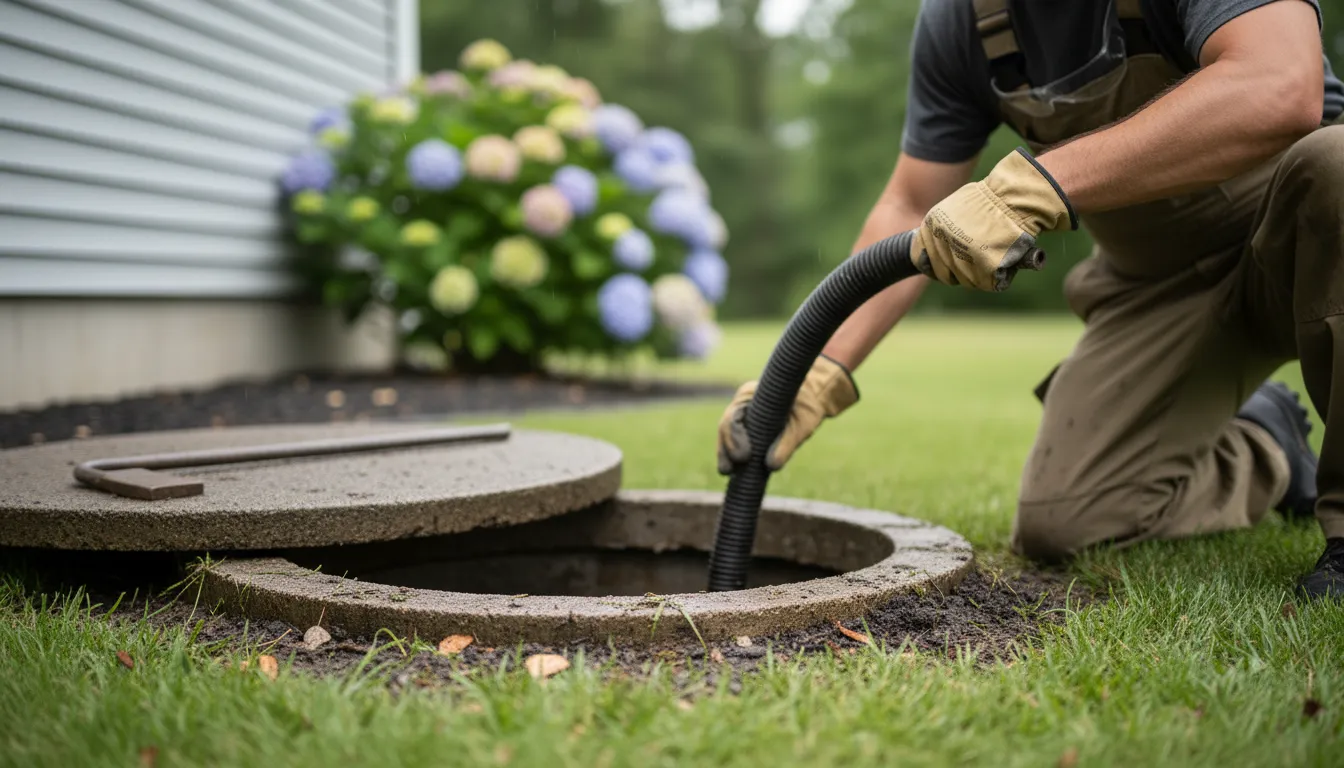
Find the Best Septic Tank Pumping Contractors for Your Business
No obligation • Fast responses • Nationwide coverage

Why you can trust Septic Spot
Septic Spot is a leading United States resource for understanding and comparing septic services. Our editors review providers using consistent criteria and verify key business details. Listings and scores are independent, and companies cannot pay to influence our content.
Search providers near you
Top Septic Tank Pumping Contractors in Huber Heights, Ohio Ranked
Maintaining your septic system is a crucial responsibility for homeowners in Huber Heights. Septic tank pumping is the essential process of removing accumulated solids and sludge from your tank to prevent system failure and protect your property and the environment. A well-maintained system ensures the safe treatment of household wastewater, preventing costly backups and environmental contamination. This guide provides local homeowners with the knowledge needed to understand their system, recognize when service is needed, and connect with qualified professionals in the Huber Heights area for reliable septic maintenance.
Apex Pros Plumbing, Electrical, Heating and Air
5450 Far Hills Ave Suite 209, Dayton, OH 45429
Apex Pros Plumbing, Electrical, Heating and Air provides a range of home services in Dayton, OH, including septic tank pumping, inspection, and septic system repair. The company also offers heating, cooling, plumbing, and electrical services, with experienced technicians using quality parts and tools. Apex Pros is known for handling various plumbing challenges such as clogged drains and sewer repairs, and they provide advanced drain cleaning techniques. Their team includes NATE-certified technicians skilled in HVAC and plumbing systems. They serve the Dayton area and emphasize thorough, reliable work.
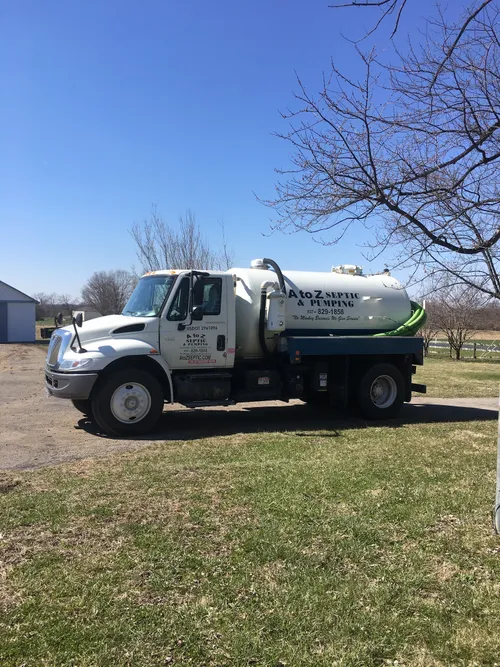
A to Z Septic and Pumping
Dayton, OH
A to Z Septic and Pumping provides a range of septic services in Dayton, OH, including septic tank pumping, inspection, installation, and repair. They also handle drain field repair and grease trap cleaning for both residential and commercial customers. The company offers expertise in maintaining and installing septic systems, ensuring effective wastewater disposal and environmental protection. Their services include emergency septic tank repairs and dumpster rentals for additional waste disposal needs. A to Z Septic and Pumping serves the Dayton area with experienced plumbing professionals who assist customers in managing wastewater safely and efficiently.

Mr. Rooter Plumbing of Dayton
1400 Linden Ave, Dayton, OH 45410
Mr. Rooter Plumbing of Dayton is a licensed plumbing company serving Dayton, OH. They provide a wide range of plumbing services including septic tank pumping, drain cleaning, sewer line repair, water heater installation and repair, and emergency plumbing. The company offers specialized capabilities such as hydro jetting and video camera inspections to address plumbing issues effectively. Mr. Rooter Plumbing of Dayton operates with a commitment to clear communication and flat-rate pricing, and they provide 24/7 service for urgent plumbing needs.
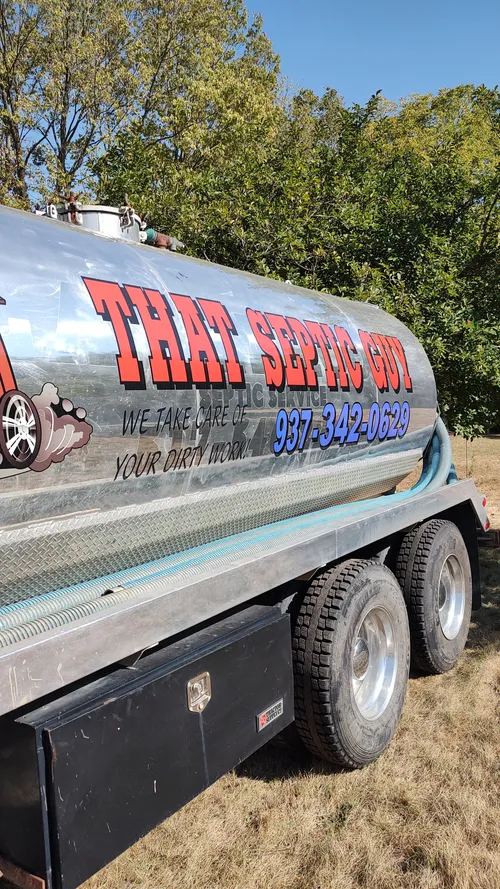
That Septic Guy
Dayton, OH
That Septic Guy is a veteran-owned septic pumping and inspection company based in Dayton, OH. They serve Clark, Champaign, Greene, and Madison Counties, offering services such as real estate septic inspections, septic tank location, and general septic tank cleaning. The company also provides large water pumping services for pools, ponds, basements, and more.
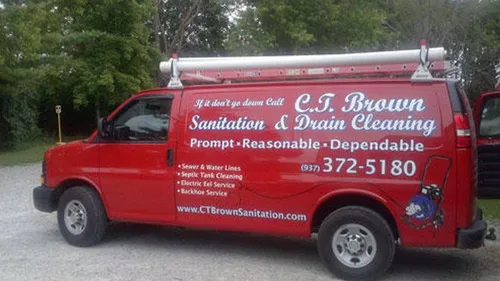
CT Brown Sanitation & Drain Cleaning
Dayton, OH
CT Brown Sanitation & Drain Cleaning is a septic tank pumping, inspection, and installation company serving Dayton, OH, and surrounding areas including Beavercreek and Xenia. With over 60 years of experience, the company provides a range of services such as septic tank cleaning, drain cleaning using electric eel and hydro jetting technology, grease trap maintenance, and full septic system installation including permits and excavation. They offer 24/7 emergency services to handle urgent septic or drainage issues and also provide snow removal during winter months to ensure safe property access.
Understanding Your Septic System in Huber Heights
A septic system is an on-site wastewater treatment structure common in areas not served by centralized municipal sewer lines. In Huber Heights, many homes rely on these private systems. The primary component is the septic tank, a buried, watertight container typically made of concrete, fiberglass, or polyethylene. All wastewater from your home (from toilets, showers, sinks, and laundry) flows into this tank.
Here, the treatment process begins:
- Separation: Heavy solids (sludge) settle to the bottom, while lighter fats, oils, and grease (scum) float to the top.
- Partial Treatment: Naturally occurring bacteria partially decompose the solid waste.
- Liquid Disposal: The clarified liquid in the middle layer (effluent) exits the tank into a distribution box and is then released into a network of perforated pipes in a soil absorption field, often called a leach field or drainfield. Here, the soil provides final treatment by filtering out remaining impurities before the water re-enters the groundwater.
Regular septic tank cleaning and septic system maintenance are non-negotiable for keeping this process working smoothly and avoiding a complete system breakdown.
Why Regular Pumping is Non-Negotiable
Neglecting to pump your septic tank allows sludge and scum layers to build up, eventually leaving too little space for the wastewater to settle and separate properly. When this happens, solids can flow out of the tank and into the leach field. This clogs the soil pores, causing the field to fail. A failed leach field can lead to:
- Sewage backing up into your home.
- Soggy, foul-smelling patches of grass in your yard.
- Contamination of nearby wells, streams, or groundwater.
- Costly repairs or a complete system replacement, which can cost tens of thousands of dollars.
The Montgomery County Combined Health District oversees septic systems in this area, and following state and local guidelines for maintenance is key to preventing these public health and environmental issues. Regular septic tank servicing is far more affordable than dealing with a failed system.
How Often Should You Pump Your Septic Tank?
A common guideline is to pump your septic tank every 3 to 5 years 1. However, this is a general rule, and the ideal frequency for your Huber Heights home depends on several key factors:
- Tank Size: Smaller tanks fill with solids more quickly.
- Household Size: More people generate more wastewater and solid waste. A household of four or more may need more frequent service 2.
- Total Wastewater Generated: The volume of laundry, long showers, and running dishwashers all contribute.
- Amount of Solids: This is the most critical factor. Using a garbage disposal significantly increases the amount of solids entering the tank, often necessitating pumping every 1-2 years 3.
- System Age and Condition: Older systems may require more vigilant maintenance.
The Ohio Department of Health and resources like Ohioline recommend having your system inspected every 1 to 3 years by a professional, who can measure sludge and scum levels and give you a personalized pumping schedule 4. Don't wait for a problem to arise; proactive maintenance based on inspection is always best.
Find the perfect septic tank pumping contractors for your needs
Get personalized recommendations and expert advice
What to Expect: The Pumping Process and Local Costs
Understanding what happens during a pumping service can help you choose a provider and prepare for the visit. A standard septic tank pumping service involves:
- Locating and Uncovering: The technician will locate your tank's access lids (manholes) and excavate any soil covering them.
- Inspecting: Before pumping, a reputable professional will inspect the tank's inlet and outlet baffles (or tees) for damage and check for cracks or leaks.
- Pumping: Using a large tank truck (vacuum truck), all liquid and solid waste is pumped out of the tank and transported to an approved treatment facility.
- Final Check & Clean-up: The technician may briefly rinse the tank with clean water to observe for leaks, replace the lids, and backfill the area.
When considering septic tank pumping cost in Ohio, prices vary based on tank size, accessibility, and the company. For a standard 1,000-gallon tank, costs in Ohio often range between $239 and $282, with a typical average around $400 for comprehensive maintenance 5 6. However, prices can range from $200 to over $1,200 depending on the specific circumstances of the job 7. Always get detailed, written estimates from local providers.
Best Practices for Septic System Care
Pumping is the cornerstone of maintenance, but your daily habits greatly impact your system's health. Follow these tips to extend time between pumpings and protect your investment:
- Conserve Water: Fix leaks, install high-efficiency fixtures, and spread out laundry loads to avoid overwhelming the system.
- Mind What You Flush: Only human waste and toilet paper should go down the toilet. Never flush wipes (even "flushable" ones), feminine hygiene products, dental floss, diapers, or cat litter.
- Use the Trash, Not the Drain: Avoid using a garbage disposal if possible. Never pour cooking grease, oil, or fat down the drain. Dispose of coffee grounds and food scraps in the trash.
- Be Careful with Chemicals: Harsh cleaners, paints, solvents, pesticides, and excessive bleach can kill the beneficial bacteria in your tank. Use mild, septic-safe detergents and cleaners.
- Protect Your Drainfield: Never park or drive heavy vehicles over it. Plant only grass over and near it; tree and shrub roots can clog and damage pipes. Keep roof drains, sump pumps, and other surface water away from the area.
The Ohio Department of Health specifically advises against using biological or chemical additives as a substitute for professional pumping. These products are not a reliable maintenance solution and can sometimes harm your system 8 9.
Recognizing Signs You Need Service Now
Don't ignore the warning signs of a full or failing system. Contact a professional immediately if you notice:
- Slow Drains: Sinks, showers, and toilets that drain slowly, especially if gurgling is involved.
- Sewage Backups: Wastewater coming back up into household drains.
- Bad Odors: Unpleasant sewage smells inside your home or around the tank/drainfield area.
- Lush, Wet Lawn: Spongy, bright green grass or standing water over the drainfield, particularly when it hasn't rained.
- Algae Blooms: In nearby ponds or ditches, which can indicate nutrient-rich septic effluent is surfacing.
If you observe any of these signs, it's critical to schedule an inspection and likely a pumping as soon as possible to prevent more severe damage.
Choosing a Service Provider in Huber Heights
Selecting a qualified professional is vital. Look for a licensed, insured company with experience serving Montgomery County. They should be familiar with local regulations from the Montgomery County Combined Health District. Ask about their inspection process, whether they check baffles, and how they dispose of waste. Reading reviews from other Huber Heights residents and comparing detailed estimates will help you find a reliable partner for your septic system maintenance needs.
Frequently asked questions
Sources
Footnotes
-
Caring for Your Septic System | Mass.gov - https://www.mass.gov/guides/caring-for-your-septic-system ↩
-
Septic Tank Pumping Frequency - https://shelbycountyhealthdept.org/wp-content/uploads/2023/09/Septic-tank-pumping-frequency-chart.pdf ↩
-
Frequent Questions on Septic Systems | US EPA - https://www.epa.gov/septic/frequent-questions-septic-systems ↩
-
Septic System Maintenance | Ohioline - https://ohioline.osu.edu/factsheet/aex-740 ↩
-
Ohio Septic Systems Costs & Prices - ProMatcher Cost Report - https://septic-systems.promatcher.com/cost/ohio.aspx ↩
-
How Much Does It Cost to Pump a Septic Tank? [2026 Data] | Angi - https://www.angi.com/articles/how-much-does-septic-tank-pumping-cost.htm ↩
-
Septic Tank Pumping Cost: Guide & Pricing in 2025 - Splash Plumbing - https://www.splashplumbing.com/how-much-does-it-cost-to-pump-septic-tank-understanding-pricing-and-factors-involved/ ↩
-
STS Components, Systems and Maintenance - https://odh.ohio.gov/know-our-programs/sewage-treatment-systems/information-for-homeowners/sts-components-systems-and-maintenance ↩
-
Septic System Care and Maintenance | Ohioline - https://ohioline.osu.edu/factsheet/aex-740-0 ↩