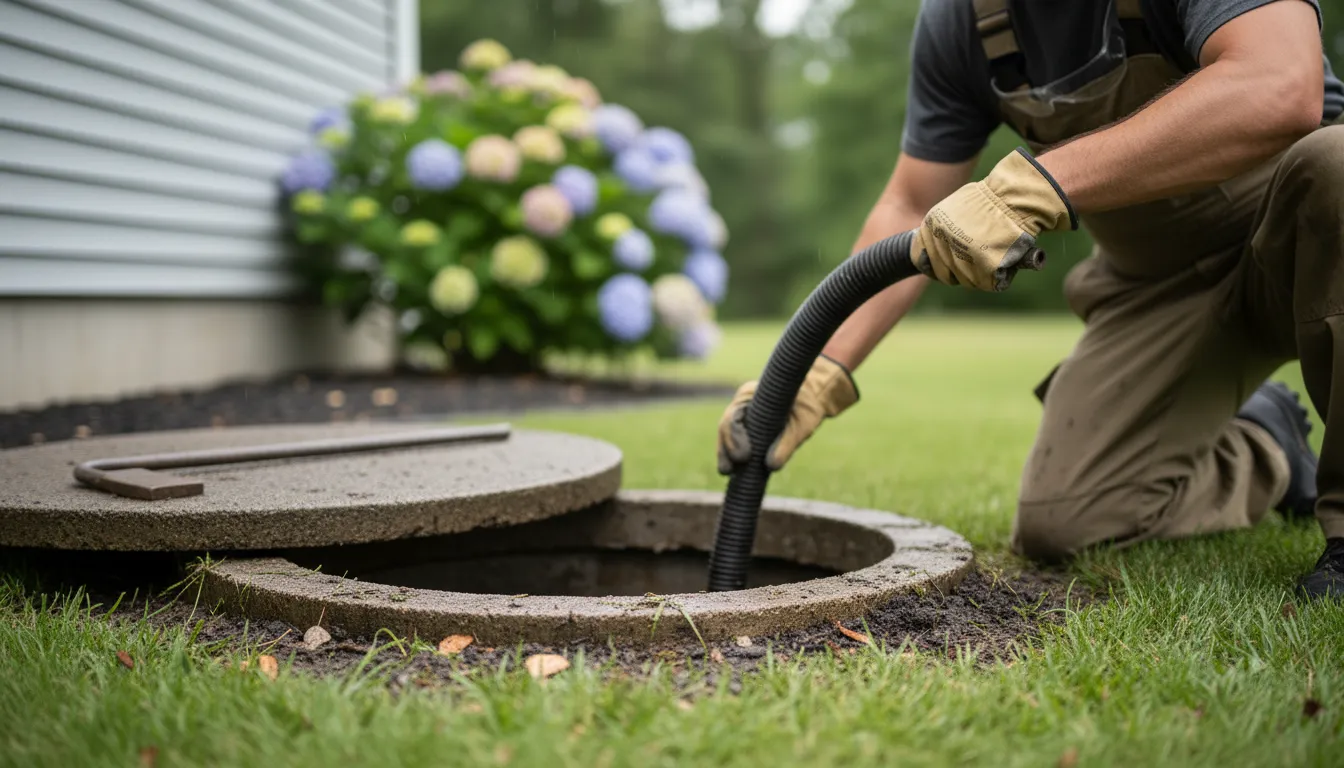
Find the Best Septic Tank Pumping Contractors for Your Business
No obligation • Fast responses • Nationwide coverage

Why you can trust Septic Spot
Septic Spot is a leading United States resource for understanding and comparing septic services. Our editors review providers using consistent criteria and verify key business details. Listings and scores are independent, and companies cannot pay to influence our content.
Search providers near you
Top Septic Tank Pumping Contractors in Lakewood, Ohio Ranked
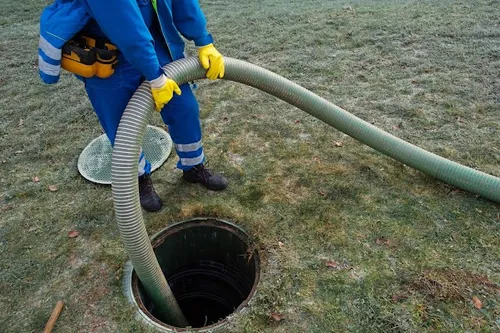
Maintaining a properly functioning septic system is a critical responsibility for Ohio homeowners. Regular septic tank pumping is the cornerstone of this maintenance, preventing system failures, protecting public health, and safeguarding your property value. This guide provides clear, actionable information on Ohio's regulations, recommended service schedules, costs, and best practices to help you manage your system effectively and connect with qualified local professionals for service.
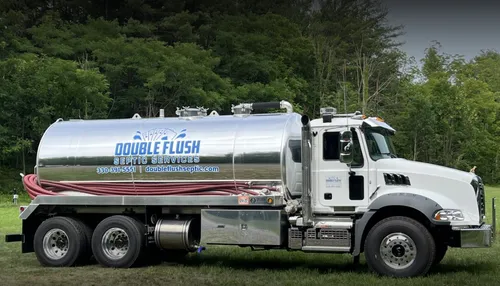
Double Flush Septic Services
2481 Remsen Rd, Medina, OH 44256
Double Flush Septic Services is a family-owned company based in Medina, OH, providing septic system installation, pumping, inspection, and repair services throughout Akron and the surrounding Northeast Ohio counties. They serve a broad area including Medina, Summit, Stark, Wayne, and Cuyahoga counties, offering expertise in maintaining and repairing septic tanks, drain fields, and aeration systems such as Norweco, Hydro-Action, and Marlow-Hunter. The company also provides emergency septic services and commercial grease trap cleaning, with capabilities like hydro jetting and drain snaking to address severe blockages. Double Flush Septic Services emphasizes local knowledge of Ohio's climate and soil conditions to support system longevity and functionality.
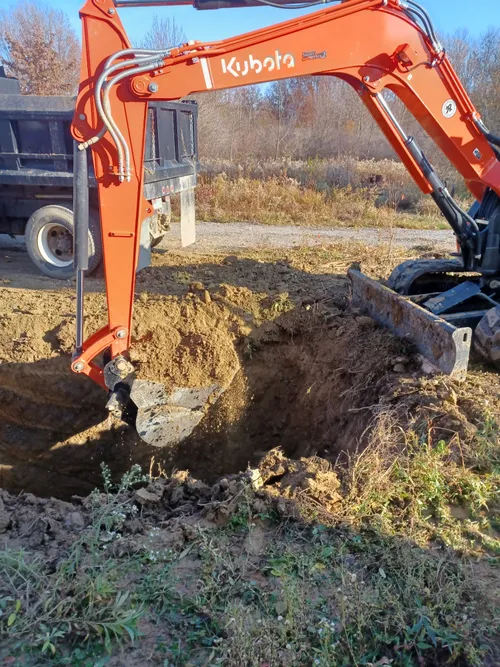
A & P Septic LLC
Cleveland, OH
A & P Septic LLC provides septic system installation, cleaning, repair, and inspection services in Cleveland, OH. They serve Northeast Ohio with a focus on preventative maintenance to help avoid costly repairs and maintain system health. Their capabilities include septic tank pumping, sewer line services, and designed mound installations. The company emphasizes regular septic system inspections and pumping every few years to ensure trouble-free performance.

A & P Septic LLC
Cleveland, OH
A & P Septic LLC provides septic system installation, cleaning, repair, and maintenance services in Cleveland, OH. They serve Northeast Ohio with septic tank pumping, inspections, sewer line work, and excavation. The company emphasizes preventative maintenance to help avoid costly repairs and system failures. Their team is experienced in handling septic and aeration systems, water lines, and designed mounds, offering comprehensive septic solutions.
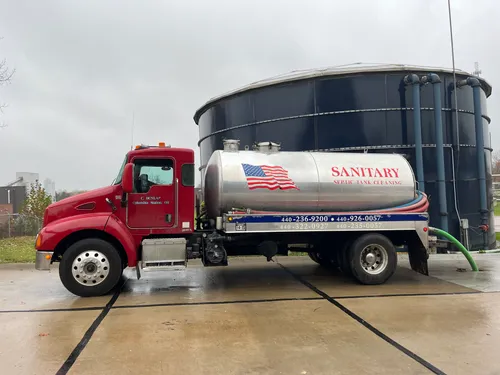
Sanitary Septic Tank Cleaning Inc
10915 Station Rd, Columbia Station, OH 44028
Sanitary Septic Tank Cleaning Inc is a family-owned septic tank pumping and installation company serving Cleveland, OH, and surrounding counties including Cuyahoga, Lorain, and Medina. They provide septic tank cleaning, maintenance programs, and installation of new septic systems. The company is licensed, bonded, and insured, offering specialized services such as cleaning bio-kinetic filters, sump pump sales and installation, and supplying aerator motors with warranties. They also provide enzyme treatments to help maintain septic system function and use new concrete and plastic covers to facilitate easier future cleanings without digging.
Geauga Septic Service LLC
Cleveland, OH
Geauga Septic Service LLC is a family-owned septic service provider based near Cleveland, OH, serving residential and commercial clients in Newbury and the surrounding counties including Cuyahoga, Geauga, Lake, and Portage. Established in 1960, the company offers a range of septic services such as pumping, sludge transport, system cleaning, inspections, repairs, and septic system replacements. They are licensed by the Board of Health in multiple counties and provide emergency septic services when needed.
Understanding Ohio's Septic System Regulations
Septic systems in Ohio are governed by state rules enforced by local county or city health districts. The Ohio Department of Health (ODH) establishes the framework under Ohio Revised Code (ORC) 3718 and Ohio Administrative Code (OAC) 3701-29, but your local health department is your primary point of contact for permits, inspections, and specific requirements.
Homeowners are legally responsible for the proper operation and maintenance of their sewage treatment system (STS). This includes obtaining the necessary permits, scheduling regular pumping and inspections by licensed professionals, and ensuring the system does not create a public health nuisance 1 2. Many local health districts, such as those in Lake County, issue Operation Permits for systems, which often run on a 5-year cycle and may involve annual fees that vary based on system type (e.g., from $40 to $160 per year) 3.
How Often Should You Pump Your Septic Tank in Ohio?
The standard recommendation for Ohio homeowners is to have their septic tank pumped every 3 to 5 years 4. However, this is a general guideline, and the optimal frequency for your home depends on several key factors. Your local health district may have specific mandates, especially for advanced systems.
- System Type: Non-mechanical (conventional) systems are often inspected and pumped on a longer cycle, sometimes aligned with a 58-month (just under 5-year) schedule. In contrast, systems with mechanical components, like aerobic treatment units (ATUs) or pumps, typically require annual inspections as per regulations, and pumping may be needed more frequently.
- Household Size & Water Use: A larger family naturally generates more wastewater, filling the tank faster. High water usage from frequent laundry, long showers, or excessive use of garbage disposals also accelerates sludge and scum accumulation.
- Tank Size: A tank smaller than 1,000 gallons will need service more often than a larger tank serving a similar-sized household 5.
- Solids Input: What goes down your drains matters. Systems that receive a lot of food waste (via a garbage disposal), grease, chemicals, or non-biodegradable materials will require more frequent pumping.
If your system shows signs like slow drains, odors near the tank or drain field, or unusually lush grass over the drain field, it may be overdue for service 6.
What to Expect: Costs for Pumping and Maintenance
Budgeting for septic maintenance is part of responsible homeownership. In Ohio, the typical cost to pump a residential septic tank ranges from $250 to $5007. This price can vary based on:
- Tank Size and Accessibility: Larger tanks cost more to pump. Tanks that are buried deep, under landscaping, or difficult for trucks to access may incur higher charges.
- Location: Prices may differ between rural, suburban, and urban areas.
- Additional Services: Many companies offer inspection services alongside pumping. You may also pay extra if the tank lid needs to be located or dug up.
When averaged over the recommended 3-5 year cycle, annual maintenance costs for routine inspections and pumping typically fall between $100 and $200 per year8. This is a prudent investment compared to the thousands of dollars required for emergency repairs or full system replacement due to neglect.
Find the perfect septic tank pumping contractors for your needs
Get personalized recommendations and expert advice
Essential Maintenance Beyond Pumping
Pumping the tank is vital, but a comprehensive maintenance plan involves other tasks to ensure long-term system health.
- Annual Inspections: Even in years you don't pump, a professional inspection can identify early issues like broken baffles, failing pumps in mechanical systems, or signs of drain field problems 9 10.
- Effluent Filter Cleaning: If your tank is equipped with an effluent filter (installed on the outlet pipe), it should be cleaned at least once a year to prevent clogs that can cause backups.
- Component Checks: For systems with pumps, alarms, or aerators, regularly check that these mechanical parts are functioning correctly as part of your homeowner routine.
- Protect Your Drain Field: Never drive or park vehicles over the drain field, and avoid building structures like sheds or patios on it. Plant only grass over the area; tree and shrub roots can clog and damage the underground pipes.
Homeowner Best Practices for System Health
Your daily habits directly impact your septic system's longevity. Follow these do's and don'ts:
DO:
- Conserve water to reduce hydraulic load on the system.
- Spread out laundry loads throughout the week instead of doing many in one day.
- Dispose of food scraps in the trash or compost, not down the drain.
- Know the location of your septic tank, drain field, and any replacement area for easy access during maintenance.
DON'T:
- Flush anything besides human waste and toilet paper. This includes wipes (even "flushable" ones), feminine hygiene products, dental floss, and cotton swabs.
- Pour cooking fats, oils, or grease down the drain.
- Dump harsh chemicals, paints, solvents, or pesticides down drains, as they can kill the essential bacteria in your tank 11.
- Use septic tank additives or "cleaners" as a substitute for pumping. They are not a proven solution and can sometimes harm the system 12.
Finding and Working with a Licensed Professional
When it's time for service, choosing the right contractor is crucial. Look for a professional who is licensed by the Ohio Department of Health or approved by your local health district. They should carry appropriate insurance and be willing to provide references. A reputable provider will not only pump the tank but also perform a basic inspection, note any potential issues, and provide you with a detailed service report for your records. This documentation is often required for permit renewals with your local health department.
Frequently asked questions
Sources
Footnotes
-
Septic Systems - Cincinnati Ohio Home Inspections - https://www.thehome-inspection.com/home-information-center/septic-systems/ ↩
-
Homeowner Septic System Operation and Maintenance Guide - https://woodcountyhealth.org/wp-content/uploads/2021/04/Operation-and-Maintenance-Guide_2021.pdf ↩
-
Septic - Mahoning County Public Health - https://www.mahoninghealth.org/septic/ ↩
-
How Often to Pump a Septic Tank in Ohio - SepTek - https://www.septekservices.com/2025/05/08/how-often-should-you-pump-your-septic-tank-in-ohio/ ↩
-
How Often Should You Pump Your Septic Tank: 3 Factors Solved - https://www.frasiers.com/blog/sewage-tank-pump-frequency/ ↩
-
When to Pump Your Septic Tank | Roto-Rooter - https://www.rotorooter.com/blog/outdoor-plumbing/5-signs-its-time-to-call-your-septic-pumping-service/ ↩
-
STS Components, Systems and Maintenance - https://odh.ohio.gov/know-our-programs/sewage-treatment-systems/information-for-homeowners/sts-components-systems-and-maintenance ↩
-
How Much Does It Cost to Pump Septic Tank: A Detailed Pricing Guide - https://www.benjaminfranklinplumbing.com/league-city/blog/2025/march/how-much-does-it-cost-to-pump-septic-tank-a-detailed-pricing-guide/ ↩
-
Sewage Treatment Systems - Hamilton County Public Health - https://hamiltoncountyhealth.org/services/water-quality/new-sewage-treatment-systems/ ↩
-
Understanding Ohio's Septic System Regulations - https://checkmateohio.com/understanding-ohios-septic-system-regulations/ ↩
-
How to Care for Your Septic System | US EPA - https://www.epa.gov/septic/how-care-your-septic-system ↩
-
Septic System Maintenance | Ohioline - https://ohioline.osu.edu/factsheet/aex-740 ↩