Find the Best Drain Field Repair Companies for Your Business
No obligation • Fast responses • Nationwide coverage

Why you can trust Septic Spot
Septic Spot is a leading United States resource for understanding and comparing septic services. Our editors review providers using consistent criteria and verify key business details. Listings and scores are independent, and companies cannot pay to influence our content.
Search providers near you
Top Drain Field Repair Companies in Chapel Hill, North Carolina Ranked
A failing septic drain field is a serious issue for any Chapel Hill homeowner, leading to unpleasant odors, soggy yards, and potential environmental hazards. Drain field repair or replacement is a complex, regulated process that requires careful planning, permits, and professional installation to ensure a long-lasting and compliant system. This guide explains the local requirements, steps, and costs involved, helping you understand the process and connect with qualified local professionals to restore your property's wastewater system.

Quality Service Today Plumbing & Septic
5412 US-70 suit A, Durham, NC 27705
Quality Service Today Plumbing & Septic provides a wide range of plumbing and septic services in Durham, NC. They specialize in septic tank pumping, septic system repair, and drain field repair or replacement, along with general plumbing, water heaters, well pumps, and water filtration. The company serves residential clients across Central North Carolina, including Durham and nearby communities. They are equipped to handle unique plumbing setups and offer 24/7 emergency plumbing services. Their team focuses on practical, effective solutions tailored to each home's specific needs.

Quality Service Today Plumbing & Septic
831 S 8th St, Mebane, NC 27302
Quality Service Today Plumbing & Septic provides plumbing and septic services in Greensboro, NC, and the surrounding Central North Carolina area. They handle a variety of home plumbing needs, including septic tank pumping, septic system repairs, and drain field replacements. The company is experienced in working with unique home plumbing setups, such as private wells and complex drainage systems, tailoring solutions to each property's specific requirements. They also offer general plumbing repairs, water heater installation, drain clearing, well pump services, and water filtration. Quality Service Today serves multiple communities including Durham, Cary, and Mebane, and provides 24/7 emergency plumbing support.
McFarland Septic
501 Valley Forge Rd, Hillsborough, NC 27278
McFarland Septic is a septic tank pumping, inspection, and repair company serving Durham, NC. They specialize in diagnosing and addressing septic system issues, including drain field repair and replacement. The company provides guidance on common septic problems such as clogged inlet pipes and effluent filter maintenance. McFarland Septic helps customers understand when issues are septic-related versus plumbing-related and offers practical advice for system upkeep.
Ingle Dirtworks
5039 Mt Hermon Rock Creek Rd, Snow Camp, NC 27349
Ingle Dirtworks is a locally owned septic and excavation company based near Greensboro, NC, serving Alamance County and surrounding communities. They offer septic system installation, repair, and pumping, as well as drain field repair and replacement. The company also provides excavation, grading, land clearing, and driveway services. With experience in all septic system types and knowledge of local soil and regulations, Ingle Dirtworks focuses on quality workmanship and honest pricing. Owner-operator Phillip Ingle brings professional equipment expertise to each project, ensuring reliable and thorough service.
Septic Pumping Of Raleigh
Raleigh, NC
Septic Pumping Of Raleigh provides comprehensive septic services in Raleigh, NC, including septic tank pumping, inspections, repairs, and full system installations. They specialize in diagnosing and fixing issues such as broken tank components, drain field failures, and pump malfunctions. The company uses advanced technology like inspection cameras and high-power vacuums to ensure efficient and thorough service. With years of experience tailored to local soil and permitting conditions, they offer reliable solutions for both older and newer septic systems. Emergency scheduling options are available to address urgent septic problems promptly.
Understanding Your Septic Drain Field
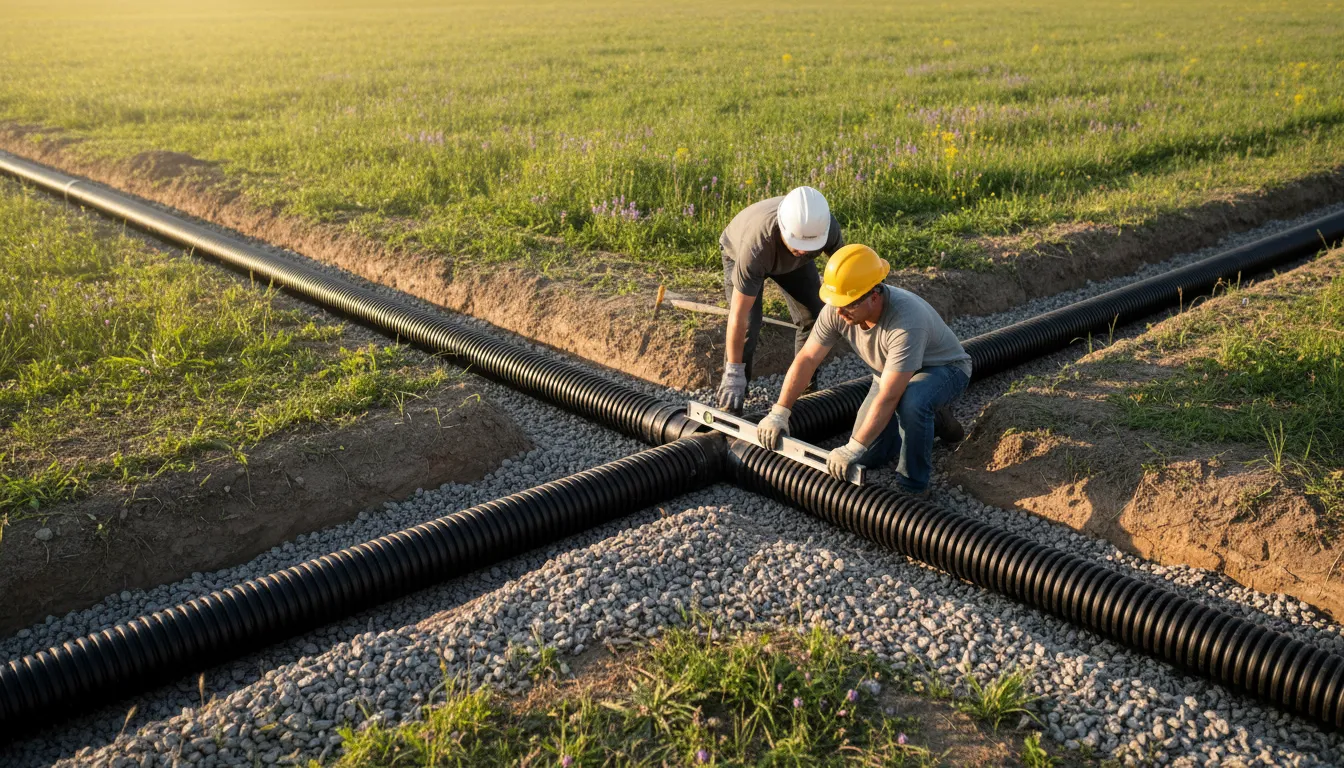
Often called a leach field or absorption field, the drain field is the final and most critical component of a septic system. After solids settle in the tank, liquid effluent flows into a network of perforated pipes buried in trenches filled with gravel. This effluent slowly percolates through the soil, where natural processes filter and treat it before it rejoins the groundwater. When this area fails, wastewater cannot be properly disposed of, creating a health risk and a messy problem in your yard.
In Chapel Hill and surrounding Orange County, all soil is not created equal for this purpose. The region's clay-heavy soils common in the Piedmont can slow drainage significantly, making proper site evaluation and system design paramount to success. A failing drain field is often a symptom of age, overloading, or improper maintenance, but it can also result from poor initial design or unforeseen changes to the property's drainage.
Signs You Need Drain Field Service
Recognizing early warning signs can prevent a complete system collapse and more extensive damage. Look for these indicators:
- Soggy Ground or Standing Water: Persistent wet spots, lush green grass, or pooling water over the drain field area, especially when it hasn't rained.
- Sewage Odors: Foul smells emanating from the yard, particularly near the drain field or tank.
- Slow Drains and Backups: Gurgling pipes, slow-draining sinks and toilets, or sewage backing up into the home.
- Nitrate Contamination: Test results from a private well showing elevated nitrate levels, which can indicate septic effluent is reaching groundwater.
If you notice any of these signs, the first step is to have a licensed septic contractor perform a diagnostic inspection. They will check the tank for overfull conditions or baffle failures and inspect the drain field for clear signs of failure before determining if repair or full replacement is necessary.
The Chapel Hill & Orange County Permit Process
Any repair, modification, or replacement of a septic system component in Orange County requires a permit from the Orange County Health Department. This is not a mere formality; it's a crucial process to protect public health and groundwater. The type of permit needed depends on your project:
- Improvement Permit (IP) or Construction Authorization (CA): Required for most drain field replacements or new installations.
- Existing System Authorization: A potentially simplified process if you are repairing a component without increasing the home's capacity (bedroom count) and the system is not in a new location. However, a failing drain field typically requires a full permit.
A cornerstone of local regulation is the "repair area" requirement. Most properties must have a designated, suitable area set aside for a future drain field. If your existing field fails, the replacement system is typically installed in this pre-approved area. If no repair area was designated, a full site evaluation for a new area is the first step.
Key Permit Facts:
- Validity: A septic permit in North Carolina is generally valid for five years from the date of issuance.
- Wait Times: The soil evaluation and permit review process can take up to two months, so initiating the process early is highly advised1.
- Professional Requirement: Permit applications and system designs must be submitted by a licensed soil scientist, professional engineer, or authorized representative.
The Step-by-Step Journey to a New Drain Field
Replacing a drain field is a multi-stage project involving several professionals.
1. Soil Evaluation and Site Assessment
A licensed soil scientist or county sanitarian will visit your property to perform soil borings, typically to a depth of at least 48 inches 2. They are evaluating soil texture, structure, depth to limiting layers (like bedrock or clay pans), and percolation rate. This evaluation determines the soil's suitability and dictates the type and size of system that can be installed. They will also map the site, noting critical setbacks from property lines, wells, water lines, buildings, and streams 3.
2. System Design and Permit Application
Using the soil evaluation report, a designer (often your contractor or an engineer) creates a plan for the new drain field. This plan includes the system type, layout, dimensions, and specifications. The design, along with a detailed site plan, is submitted to the Orange County Health Department for review and permit approval4.
3. Choosing the Right System Type
The soil evaluation dictates the viable options:
- Conventional Trenches: The most common type, used in suitable soils with good percolation.
- Alternative Systems: Required when soil or space is limited. These include:
- Low-Pressure Pipe (LPP) Systems: Use a network of small-diameter pipes to distribute effluent more evenly.
- Shallow Placement Systems: Placed in soil layers with better absorption characteristics.
- Spray Irrigation/Aerobic Treatment Units (ATUs): Highly treated effluent is sprayed over a designated area. These are complex and have higher operational costs.
4. Professional Installation
Once the permit is issued, a licensed septic contractor can begin work. They will excavate the new drain field area, install the distribution pipes and gravel, and connect it to the existing or new septic tank. Protecting the new field from surface water is critical; contractors must ensure roof runoff, driveway drainage, and other water sources are diverted away from the area.
5. Final Inspection and Approval
Before the new drain field is covered with soil, a final inspection by the Orange County Health Department is mandatory5 6. The inspector verifies the installation matches the permitted design and meets all code requirements. Only after passing this inspection can the system be buried and put into use.
Find the perfect drain field repair companies for your needs
Get personalized recommendations and expert advice
Costs of Drain Field Repair and Replacement in Chapel Hill
The cost for drain field work is highly variable, depending on system type, soil conditions, and the extent of excavation needed. As a guideline:
- Permit Fees: Typically range from $450 to $2,000, depending on the complexity of the system and the county fees.
- Conventional Drain Field Replacement: Generally falls between $5,000 and $20,000 7.
- Alternative/Engineered Systems: For advanced systems like aerobic treatment or spray irrigation, costs frequently start over $10,000 and can rise significantly based on technology and site challenges8 9.
These figures are for the drain field work itself and may not include the cost of the initial diagnostic inspection, soil evaluation, design fees, or any necessary septic tank repairs or replacements.
Common Causes of Drain Field Failure
Understanding what causes failure can help you protect a new system:
- Hydraulic Overloading: Excessive water use from leaky fixtures, long showers, or doing all laundry in one day floods the field, preventing proper percolation.
- Lack of Maintenance: Not pumping the septic tank every 3-5 years allows solids to wash out into the drain field, clogging the pipes and soil pores10.
- Root Intrusion: Planting trees or shrubs too close to the drain field. Roots seek moisture and can infiltrate and clog pipes11.
- Physical Damage: Driving vehicles, building structures, or piling heavy materials over the drain field compacts the soil and can crush the pipes12.
- Poor Original Design/Installation: A system not sized correctly for the home or installed in unsuitable soil is prone to premature failure.
Maintaining Your New Drain Field
Protect your investment with proper care:
- Pump the Tank Regularly: Every 3-5 years, or as recommended by your inspector.
- Conserve Water: Fix leaks, install efficient fixtures, and spread out water-intensive activities.
- Keep it Clear: Never drive or park on the drain field. Only plant grass over it; keep trees and shrubs far away.
- Divert Water: Ensure gutters, sump pumps, and surface grading direct water away from the field.
- Avoid Harsh Chemicals: Minimize use of bleach, antibacterial soaps, and solvents that can kill beneficial bacteria in the system.
Frequently asked questions
Sources
Footnotes
-
NC Septic Permit Process: Step-by-Step Guide for Homeowners - https://septicandwell.com/articles/nc-septic-permit-process ↩
-
Soil evaluations a vital step when installing a septic system - https://www.farmanddairy.com/columns/soil-evaluations-a-vital-step-when-installing-a-septic-system/650716.html ↩
-
North Carolina Onsite Wastewater Rules - Environmental Health - https://ehs.dph.ncdhhs.gov/oswp/docs/rules/1900-Rules-08-2017.pdf ↩
-
Septic Systems | Orange County, NC - https://www.orangecountync.gov/731/Septic-Systems ↩
-
Septic System Owner's Guide - Transylvania Public Health - https://transylvaniahealth.org/wp-content/uploads/2015/10/septic-system-owners-guide.pdf ↩
-
Navigating the Septic System Permit and Installation Process ... - https://carolinaearthwerx.com/blogs/news/navigating-the-septic-system-permit-and-installation-process-in-north-carolina ↩
-
Cost to Replace Septic Tank and Drain Field [2026 Data] | Angi - https://www.angi.com/articles/how-much-new-drain-fields-foot.htm ↩
-
Investigate Before You Invest - NC State Extension Publications - https://content.ces.ncsu.edu/investigate-before-you-invest ↩
-
Septic System Design and Installation in Chapel Hill, NC | SewerMan - https://sewerman.com/chapel-hill/services/septic-system-services/ ↩
-
Septic Systems and Their Maintenance | NC State Extension Publications - https://content.ces.ncsu.edu/septic-systems-and-their-maintenance ↩
-
Septic Drain Field Design and Maintenance - SERA-17 - https://sera17.wordpress.ncsu.edu/septic-drain-field-design-and-maintenance/ ↩
-
Chapel Hill Septic Drain Field Repair - https://www.brantleyseptic.com/chapel-hill-septic-drain-field-repair/ ↩