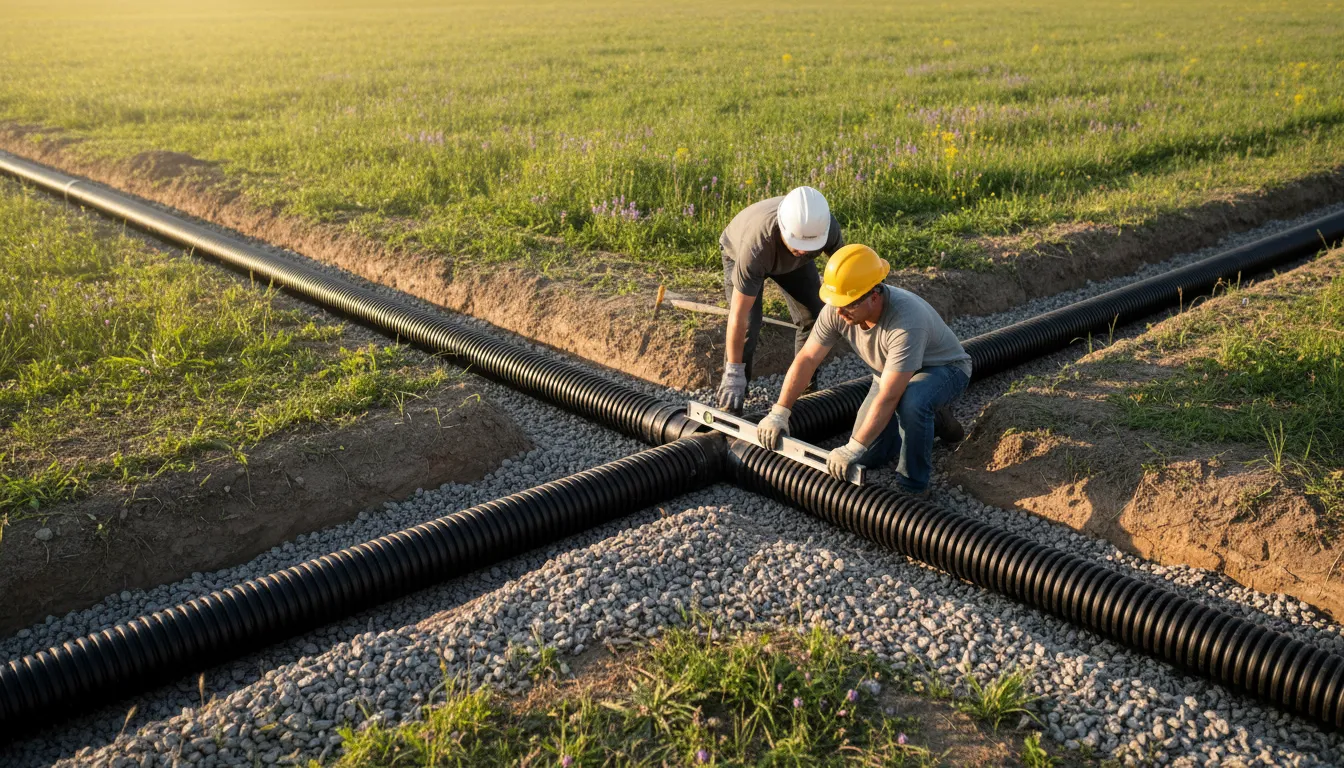
Find the Best Drain Field Repair Companies for Your Business
No obligation • Fast responses • Nationwide coverage

Why you can trust Septic Spot
Septic Spot is a leading United States resource for understanding and comparing septic services. Our editors review providers using consistent criteria and verify key business details. Listings and scores are independent, and companies cannot pay to influence our content.
Search providers near you
Top Drain Field Repair Companies in Greensboro, North Carolina Ranked
A failing septic drain field is a serious issue that can lead to soggy yards, foul odors, and environmental contamination. Drain field repair or replacement is a major project that requires careful planning, professional expertise, and adherence to strict local regulations. This guide explains the process, costs, and key considerations for homeowners in Greensboro, helping you understand what to expect and how to connect with qualified local specialists for your system's needs.
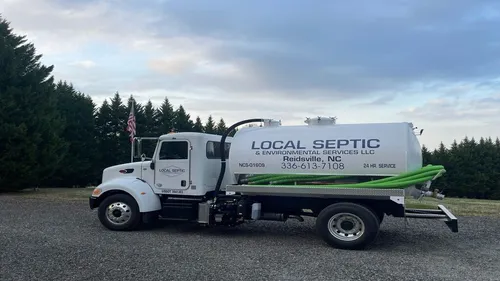
Local Septic & Environmental Services LLC
Winston Salem, NC
Local Septic & Environmental Services LLC is a family-owned septic company serving Winston Salem, NC, and surrounding counties. They provide a full range of septic services including tank pumping, inspections, repairs, new system installations, and drain field replacements. The company uses advanced inspection tools and modern excavation equipment to diagnose and address septic issues accurately. With decades of experience, Local Septic offers emergency services to handle urgent septic problems beyond regular business hours.

Quality Service Today Plumbing & Septic
831 S 8th St, Mebane, NC 27302
Quality Service Today Plumbing & Septic provides plumbing and septic services in Greensboro, NC, and the surrounding Central North Carolina area. They handle a variety of home plumbing needs, including septic tank pumping, septic system repairs, and drain field replacements. The company is experienced in working with unique home plumbing setups, such as private wells and complex drainage systems, tailoring solutions to each property's specific requirements. They also offer general plumbing repairs, water heater installation, drain clearing, well pump services, and water filtration. Quality Service Today serves multiple communities including Durham, Cary, and Mebane, and provides 24/7 emergency plumbing support.
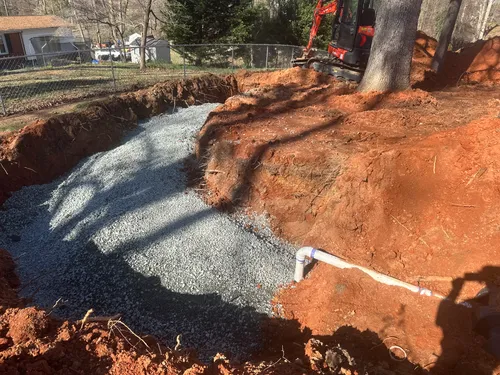
Chris Mendenhall Excavation & Septic LLC
5703 Midway School Rd, Thomasville, NC 27360
Chris Mendenhall Excavation & Septic LLC provides septic system inspection, repair, installation, and drain field services in Winston Salem, NC. The company handles septic pump repair and replacement along with excavation work related to septic systems. Known for installing pump tanks and leach fields, they have experience resolving long-standing septic issues. Customers appreciate their ability to diagnose repairs accurately, often saving the need for full replacements. Chris Mendenhall Excavation & Septic LLC is recognized for completing projects efficiently and maintaining site conditions.
Ingle Dirtworks
5039 Mt Hermon Rock Creek Rd, Snow Camp, NC 27349
Ingle Dirtworks is a locally owned septic and excavation company based near Greensboro, NC, serving Alamance County and surrounding communities. They offer septic system installation, repair, and pumping, as well as drain field repair and replacement. The company also provides excavation, grading, land clearing, and driveway services. With experience in all septic system types and knowledge of local soil and regulations, Ingle Dirtworks focuses on quality workmanship and honest pricing. Owner-operator Phillip Ingle brings professional equipment expertise to each project, ensuring reliable and thorough service.
Septic Works
Greensboro, NC
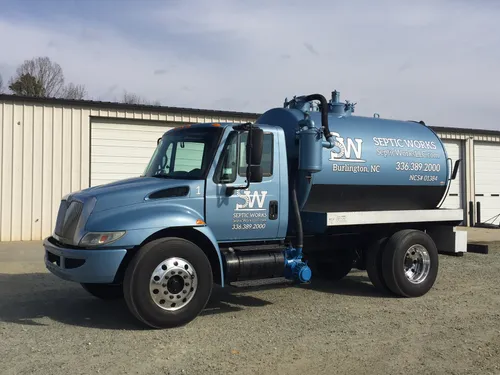
Septic Works is a family-owned business in Greensboro, NC, with over 45 years of experience in residential and commercial septic system services. They specialize in inspection, installation, maintenance, and repair of on-site wastewater systems, including septic tank pumping, system design, and emergency services. Serving Moore, Harnett, Hoke, Lee, and Cumberland Counties, they offer advanced septic system installation technologies and coordinate all necessary permits and utility location services. Their capabilities include hydro jetting to clear root blockages and various drain field repair methods such as Terralift aeration and excavation to maintain system efficiency.
Understanding Your Septic Drain Field
Often called a leach field or absorption field, the drain field is the final, crucial stage of your onsite wastewater system. After solids settle in the septic tank, liquid effluent flows into a network of perforated pipes buried in trenches filled with gravel or other aggregate. This effluent slowly percolates through the soil, where natural processes filter and treat it before it rejoins the groundwater.
When this system fails, it's often due to a clogged or saturated drain field. Common signs include:
- Sewage backups in household drains.
- Damp, soggy, or unusually green patches of grass over the field area.
- Standing water or foul odors near the septic tank or drain field.
- Gurgling sounds in your plumbing.
If you notice any of these issues, it's time for a professional assessment. A licensed septic contractor can perform tests to determine if the problem is a simple clog, a damaged pipe, or a complete system failure requiring extensive drain field work.
The Greensboro and Guilford County Regulatory Process
All septic system work in Greensboro falls under the jurisdiction of the Guilford County Department of Health & Human Services, Division of Public Health - Environmental Health. You cannot legally begin any repair or replacement without their approval.
The permit process typically involves two key steps:
- Improvement Permit (I.P.): This is the initial approval for the proposed repair or replacement plan. It is based on a site evaluation and system design, often prepared by a licensed soil scientist or professional engineer.
- Construction Authorization (C.A.): Once the I.P. is granted, you receive the C.A., which gives the green light for the physical construction to begin. The county will conduct inspections at critical stages of the installation.
Neglecting to secure these permits can result in significant fines and legal complications, not to mention potential health hazards. A reputable local septic professional will be familiar with this process and can often assist with the paperwork.
Key Factors Influencing Drain Field Projects
The scope and cost of your drain field project are heavily influenced by several site-specific factors that professionals must evaluate.
Soil Evaluation is Critical
North Carolina has over 400 soil types, and their suitability for a conventional gravel trench system varies widely. A professional will conduct a percolation ("perc") test and deep hole observation to assess:
- Soil Texture and Structure: How quickly water moves through the soil.
- Seasonal High Water Table: The presence of grey or mottled soil colors indicates a high water table during wet seasons, which can severely limit the soil's ability to absorb effluent.
- Available Space: The new field must meet strict setback requirements from property lines, wells, streams, and building foundations.
Conventional vs. Alternative Systems
If your soil fails a perc test or space is limited, a conventional trench system may not be an option. In these cases, an alternative onsite wastewater system (sometimes called an engineered system) is required. These systems use advanced technology like sand filters, peat filters, or aerobic treatment units (ATUs) to pre-treat effluent before it reaches the drain field, making them suitable for challenging sites. They are, however, more expensive to install and maintain 1.
Find the perfect drain field repair companies for your needs
Get personalized recommendations and expert advice
The Step-by-Step Process for Repair or Replacement
Navigating a drain field project involves a clear sequence of events from diagnosis to completion.
- Professional Inspection & Diagnosis: The first step is always a thorough evaluation by a licensed septic contractor to confirm the drain field is the source of the problem and to determine the extent of the failure.
- Site Evaluation & System Design: A soil scientist or engineer evaluates the property to determine the best location and type of system. They prepare a detailed design plan for submission to the county.
- Permit Application: The design plan is submitted to Guilford County Environmental Health to obtain the necessary Improvement Permit and Construction Authorization 2 3.
- Site Preparation & Installation: Once permitted, the contractor will clear the site. It is crucial to keep all heavy equipment off the area designated for the new drain field to prevent soil compaction. The old field may be abandoned in place, and the new trenches, pipes, and aggregate are installed according to the approved design.
- Final Inspection & Backfill: Before the new trenches are covered, a county inspector will typically visit to ensure the installation matches the permitted plan. Only after passing this inspection should the system be backfilled 4.
Cost Considerations for Greensboro Homeowners
Drain field work is a significant investment. Understanding the cost components can help you budget effectively.
- Inspection & Permitting Fees: Professional inspections and county permit fees typically range from $200 to $400 5.
- Pumping: The existing septic tank will need to be pumped before and during the work, costing approximately $300 to $600.
- Repair/Replacement Cost: This is the major expense. For a full drain field replacement in the Greensboro area, homeowners can expect costs between $5,000 and $20,000 6. The final price depends on:
- System Type: A conventional gravel trench system is on the lower end. Alternative engineered systems are at the higher end of the range or above.
- Soil and Site Conditions: Difficult soil or limited access can increase labor and material costs.
- System Size: Larger homes requiring more capacity need larger drain fields.
While costly, timely repair is essential. Ignoring a failing system can lead to property damage, health department enforcement actions, and higher fines, ultimately costing more than addressing the problem proactively 7.
Maintaining Your New Drain Field
Protecting your investment is key. Proper maintenance extends the life of your new drain field for decades:
- Practice Water Conservation: Spread out laundry loads and fix leaky fixtures to avoid hydraulically overloading the field.
- Mind What You Flush: Only human waste and toilet paper should go down the drain. Avoid chemicals, grease, wipes, and feminine hygiene products.
- Protect the Area: Never drive or park vehicles on the drain field. Keep root-heavy trees and shrubs away from the area.
- Schedule Regular Pumping: Have your septic tank pumped every 3-5 years by a professional to prevent solids from escaping into and clogging the new field 8 9.
Frequently asked questions
Sources
Footnotes
-
Septic Installation in Greensboro, NC - Aqua Drill Inc. - https://www.aquadrillinc.net/septic-system-services ↩
-
On-site Wastewater | Guilford County - https://www.guilfordcountync.gov/government/departments-and-agencies/department-health-and-human-services/division-public-health/environmental-health/site-wastewater ↩
-
Navigating the Septic System Permit and Installation Process in North - https://carolinaearthwerx.com/blogs/news/navigating-the-septic-system-permit-and-installation-process-in-north-carolina ↩
-
Greensboro Septic Drain Field Repair - https://www.brantleyseptic.com/greensboro-septic-drain-field-repair/ ↩
-
Greensboro Septic System Compliance: Avoid Fines - https://septic911.com/greensboro-septic-system-compliance/ ↩
-
Septic Drain Field Replacement Cost - https://dillonseptic.com/septic-drain-field-replacement-cost/ ↩
-
NC Homeowners: Caring for Your Septic System | Division of Public Health - https://www.dph.ncdhhs.gov/programs/environmental-health/site-water-protection-branch/site-wastewater-program/nc-homeowners-caring-your-septic-system ↩
-
Septic Systems and Their Maintenance | NC State Extension Publications - https://content.ces.ncsu.edu/septic-systems-and-their-maintenance ↩
-
Septic Drain Field Design and Maintenance - https://seaboundseptic.com/septic-drain-field-design-and-maintenance/ ↩