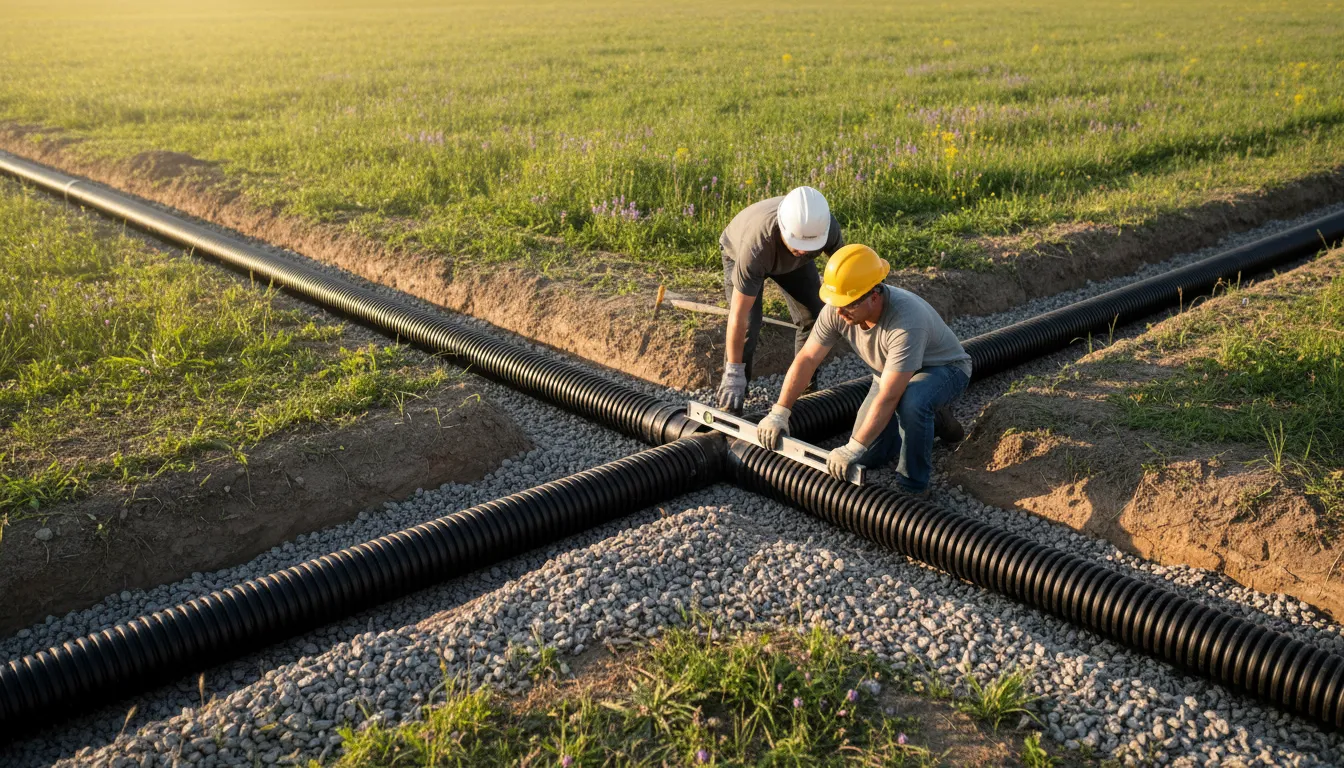
Find the Best Drain Field Repair Companies for Your Business
No obligation • Fast responses • Nationwide coverage

Why you can trust Septic Spot
Septic Spot is a leading United States resource for understanding and comparing septic services. Our editors review providers using consistent criteria and verify key business details. Listings and scores are independent, and companies cannot pay to influence our content.
Search providers near you
Top Drain Field Repair Companies in Winston Salem, North Carolina Ranked
A failing drain field, also known as a leach field or absorption field, is a serious issue for any home with a septic system. It's the final and most critical stage where treated wastewater is dispersed into the soil. When this component malfunctions, it can lead to sewage backups, soggy yards, and environmental health hazards. For Winston-Salem homeowners, understanding local soil conditions, permit requirements, and repair processes is essential for maintaining a functional and compliant system. This guide provides the information you need to identify problems, navigate local regulations, and connect with qualified professionals for leach field solutions.
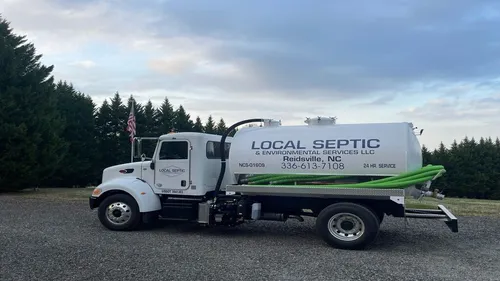
Local Septic & Environmental Services LLC
Winston Salem, NC
Local Septic & Environmental Services LLC is a family-owned septic company serving Winston Salem, NC, and surrounding counties. They provide a full range of septic services including tank pumping, inspections, repairs, new system installations, and drain field replacements. The company uses advanced inspection tools and modern excavation equipment to diagnose and address septic issues accurately. With decades of experience, Local Septic offers emergency services to handle urgent septic problems beyond regular business hours.
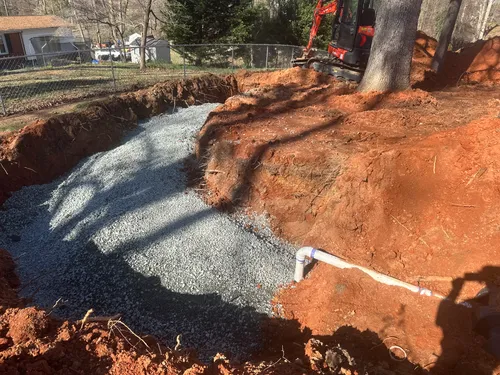
Chris Mendenhall Excavation & Septic LLC
5703 Midway School Rd, Thomasville, NC 27360
Chris Mendenhall Excavation & Septic LLC provides septic system inspection, repair, installation, and drain field services in Winston Salem, NC. The company handles septic pump repair and replacement along with excavation work related to septic systems. Known for installing pump tanks and leach fields, they have experience resolving long-standing septic issues. Customers appreciate their ability to diagnose repairs accurately, often saving the need for full replacements. Chris Mendenhall Excavation & Septic LLC is recognized for completing projects efficiently and maintaining site conditions.
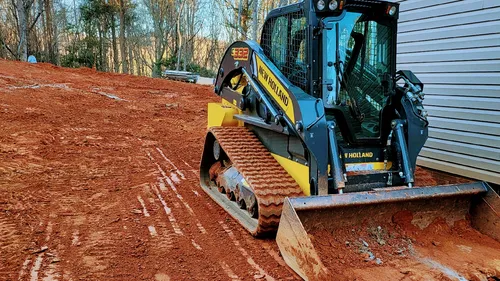
Newcomb Septic Services
5723 Country Club Rd M, Winston-Salem, NC 27104
Newcomb Septic Services is a locally owned company providing comprehensive septic system and excavation services in Winston-Salem, NC. Their offerings include septic pump installation and repair, septic system installation, septic tank repair, line jetting, and drain field repair and installation. They also provide grading, erosion control, storm drain installation, backfill, footing, and foundation services. The team brings decades of combined experience and focuses on quality workmanship and safety. They handle emergency septic repairs to prevent backups and protect properties.
McMahan Septic Tank Inc
Winston Salem, NC
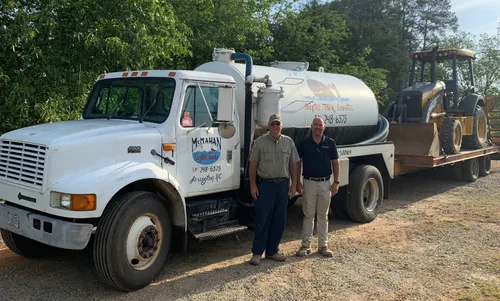
McMahan Septic Tank Inc is a family-owned business serving Winston Salem, NC, and the Piedmont Triad area since 1967. They provide a wide range of septic services including pumping, inspections, installations, repairs, and maintenance for residential and commercial systems. The company also offers sewer line cleaning, repairs, and replacements using advanced diagnostic tools to identify and resolve issues efficiently. With over six decades of experience, McMahan Septic Tank Inc is equipped to handle routine maintenance as well as complex septic and sewer system repairs.
Greensboro Septic Pros
7B Corporate Center Ct, Greensboro, NC 27408
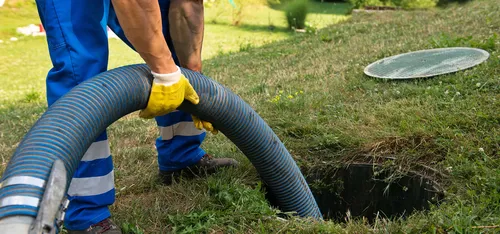
Greensboro Septic Pros is a septic service company based in Winston Salem, NC, offering septic tank pumping, inspections, repairs, and new system installations. They serve Greensboro and surrounding areas, providing thorough septic system care including locating tanks, inspecting sludge and scum levels, and ensuring proper waste disposal. The company also handles septic system repairs such as sealing leaks and replacing damaged components, as well as customized septic system installations that comply with local regulations. Their licensed technicians are equipped to manage permits, excavation, and final inspections. Greensboro Septic Pros provides 24/7 emergency response to address urgent septic needs.
Understanding Your Septic System's Drain Field
The drain field is a network of perforated pipes buried in trenches filled with gravel or other aggregate. After solids settle in the septic tank, the liquid effluent flows out to this field, where it slowly percolates into the soil. The soil acts as a final filter, removing harmful bacteria, viruses, and nutrients before the water rejoins the groundwater table. A properly functioning absorption field is invisible and odorless. Problems arise when the soil becomes clogged or "biomat" forms excessively, preventing proper drainage and causing system failure.
Signs You Need Drain Field Repair in Winston-Salem
Recognizing early warning signs can prevent a complete system failure and more costly repairs. If you notice any of the following, it's time to investigate your leach field:
- Soggy Ground or Surfacing Sewage: The most direct sign is standing water or soggy, spongy soil over the drain field area, especially when it hasn't rained. In severe cases, untreated sewage may bubble up to the surface 1.
- Foul Odors: Unpleasant sewage smells in your yard or near the drain field trenches indicate that wastewater is not filtering properly through the soil.
- Slow Drains and Backups: If drains throughout your home are gurgling or backing up, and the septic tank has recently been pumped, the issue likely lies in the drain field.
- Unusually Lush Grass: While the rest of your lawn is dry, patches of grass over the leach field may grow faster and greener due to the nutrient-rich wastewater acting as fertilizer.
- Failed Dye Test: During a professional inspection, a colored dye flushed into the system may appear on the ground surface above the field, confirming a failure.
Winston-Salem's Unique Challenge: Clay Soil
The local soil composition in the Piedmont region, particularly its high clay content, presents a specific challenge for septic systems. Clay particles are very fine and tightly packed, which slows the absorption and percolation of water. This can lead to:
- Rapid Clogging: The soil pores clog more easily, reducing the drain field's lifespan.
- Design Complexities: Systems often require specialized design, such as larger fields, shallower trenches, or alternative technologies, to accommodate the slow percolation rates.
- Mandatory Evaluation: Due to these conditions, a proper site and soil evaluation by a licensed professional or the county is not just recommended-it's a required step for any repair or replacement to determine the appropriate system type 2.
The Inspection and Diagnosis Process
Before any repair can be planned, a thorough inspection is necessary to diagnose the exact problem. A qualified technician will typically3 4:
- Review System History: Ask about the age of the system, last pumping date, and any past issues.
- Inspect the Tank: Measure sludge and scum layers to rule out tank-related issues and check the outlet baffle or sanitary tee.
- Perform a Visual Site Assessment: Look for the signs of failure mentioned above and assess the topography and drainage of your property.
- Conduct a Drainfield Test: This may involve excavating a small portion of a trench to inspect the soil for severe clogging or using a probe to assess soil moisture saturation.
This diagnosis will determine if the issue can be resolved with a minor repair, like cleaning a clogged pipe, or if a full or partial drain field replacement is necessary.
Navigating Forsyth County Permits and Regulations
Any alteration, repair, or replacement of a septic system component in Winston-Salem (Forsyth County) requires a permit from the Forsyth County Department of Public Health, Environmental Health Section. It is illegal to begin work without one. Here's what you need to know:
- Who Applies: Either the property owner or an Authorized Agent (usually your licensed septic contractor) can submit the application.
- The Site Plan: A detailed site plan must be included, showing the location of your home, the existing septic tank and drain field, property lines, wells, and any water bodies. All property corners must be clearly flagged to avoid a $64 re-inspection fee 5.
- Health Department Evaluation: An Environmental Health Specialist will evaluate the site to determine the cause of failure and approve the proposed repair method. They have the authority to specify the type of system required, such as a new conventional trench, a shallow placement system, or an advanced treatment unit, based on soil and site conditions 6.
- Critical Prohibitions: The county strictly prohibits allowing sewage to surface and advises against driving vehicles or building structures (like sheds or patios) over the drain field area, as this compacts the soil and can crush pipes7 8.
Find the perfect drain field repair companies for your needs
Get personalized recommendations and expert advice
Common Drain Field Repair & Replacement Solutions
The solution depends on the extent of the failure, soil conditions, and available space on your property.
- Minor Repairs: These may involve jetting to clear a clog in a distribution line, repairing a broken pipe, or regrading the land to improve surface drainage away from the field.
- Drain Field Replacement: This is often necessary when the soil is permanently clogged. It involves constructing a completely new leach field in a different area of your yard. Costs for this can range from $3,000 to over $10,000, depending heavily on the size of the system and the challenging soil conditions common in Winston-Salem9.
- Partial Field Replacement (Adding a New Zone): If you have sufficient space, a new set of trenches can be added and the system can be alternated between the old and new fields, allowing the old field to "rest" and potentially recover.
- Advanced System Installation: For sites with poor soil, high groundwater, or limited space, an alternative system like an aerobic treatment unit (ATU) or mound system may be required. These systems provide additional treatment and can cost significantly more.
Associated Costs and Value of Maintenance
Beyond the core repair, homeowners should budget for related expenses:
- Permit Fees: While repair permit fees vary, a permit for abandoning an old system can range from $100 to $25010.
- Landscaping Restoration: After excavation, you'll need to regrade and re-sod the disturbed area. Yard regrading can cost $1,000 - $3,300, and sod installation typically runs $1 - $2 per square foot.
- System Add-ons: Installing a septic aerator to enhance treatment in an existing tank can cost $300 - $900 installed11.
The most cost-effective strategy is consistent maintenance. Pumping your septic tank every 3-5 years is the single best practice to prevent drain field failure, as it stops excess solids from washing out and clogging the soil12. Investing in maintenance is far less expensive than emergency leach field replacement.
Choosing a Professional for Your Project
Given the technical and regulatory complexity, selecting the right contractor is crucial. Look for a licensed septic professional with extensive experience in Forsyth County. They should:
- Be familiar with local clay soil challenges.
- Handle the entire permit application process on your behalf.
- Provide a clear, detailed written estimate.
- Offer a warranty on both parts and labor.
- Have positive, verifiable reviews from local customers.
Frequently asked questions
Sources
Footnotes
-
Winston-Salem, NC Septic Tank Repair: Recognizing Problems ... - https://www.rayssepticandgrading.com/winston-salem-nc-septic-tank-repair-recognizing-problems-early-saves-money ↩
-
18A .1900 NORTH CAROLINA ADMINISTRATIVE CODE 01/21/99 ... - https://ehs.dph.ncdhhs.gov/oswp/docs/rules/jan99amen.pdf ↩
-
Expert Winston-Salem Septic Tank Evaluation Guide - https://septic911.com/winstonsalem-septic-tank-evaluation/ ↩
-
Thorough Drain Field Repairs | Winston-Salem, NC - https://straightflushseptic.com/services/drain-field-repairs/ ↩
-
Septic Repair Application - MapForsyth - https://mapforsyth.org/hhs/assets/documents/septicrepair.pdf ↩
-
LAWS AND RULES FOR SEWAGE TREATMENT, AND DISPOSAL ... - https://ehs.dph.ncdhhs.gov/oswp/docs/rules/FEB92amen.pdf ↩
-
Understanding and Protecting Your Septic System - https://ehs.dph.ncdhhs.gov/oswp/docs/Understanding-protecting-septic-systems-FACTSHEET.pdf ↩
-
System Problems & Repairs - Forsyth County, North Carolina - https://www.co.forsyth.nc.us/publichealth/environmentalhealth/septic_repairs.aspx ↩
-
How Much Does a Septic System & Septic Tank Cost - NexGen Septics - https://www.nexgenseptics.com/septic-system-cost/ ↩
-
Winston-Salem Septic Drain Field Repair - https://www.brantleyseptic.com/winston-salem-septic-drain-field-repair/ ↩
-
Cost to Replace Septic Tank and Drain Field [2026 Data] | Angi - https://www.angi.com/articles/how-much-new-drain-fields-foot.htm ↩
-
Septic System Owner's Guide - Forsyth County, North Carolina - https://forsyth.cc/publichealth/assets/documents/septic_guide.pdf ↩