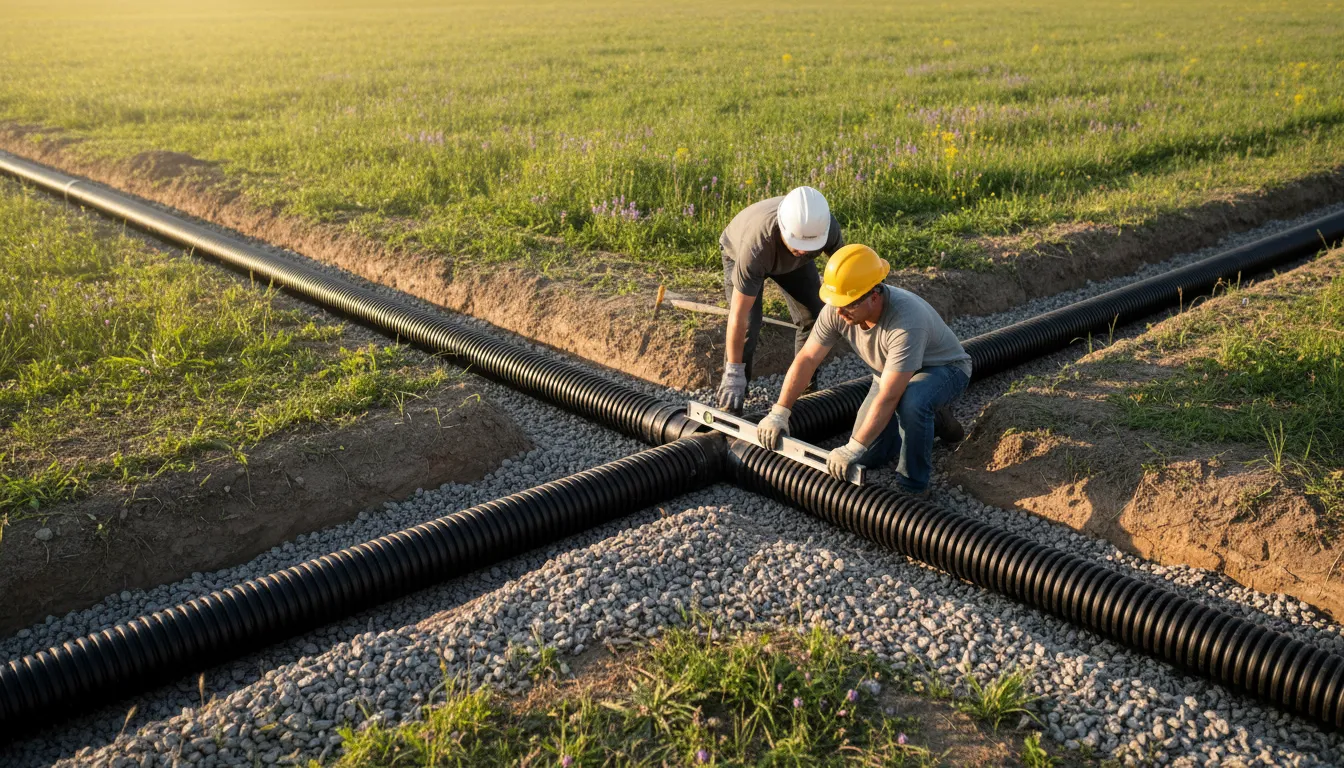
Find the Best Drain Field Repair Companies for Your Business
No obligation • Fast responses • Nationwide coverage

Why you can trust Septic Spot
Septic Spot is a leading United States resource for understanding and comparing septic services. Our editors review providers using consistent criteria and verify key business details. Listings and scores are independent, and companies cannot pay to influence our content.
Search providers near you
Top Drain Field Repair Companies in Raleigh, North Carolina Ranked
A failing drain field is a serious concern for any homeowner with a septic system. This critical component, also known as a leach field or absorption field, is responsible for safely filtering and dispersing treated wastewater into the soil. When it malfunctions, it can lead to sewage backups, environmental contamination, and significant property damage. Navigating drain field issues requires understanding local regulations, the causes of failure, and the repair process. This guide provides essential information to help Raleigh residents identify problems, understand the necessary steps for remediation, and connect with qualified local professionals for assessment and service.

Quality Service Today Plumbing & Septic
5412 US-70 suit A, Durham, NC 27705
Quality Service Today Plumbing & Septic provides a wide range of plumbing and septic services in Durham, NC. They specialize in septic tank pumping, septic system repair, and drain field repair or replacement, along with general plumbing, water heaters, well pumps, and water filtration. The company serves residential clients across Central North Carolina, including Durham and nearby communities. They are equipped to handle unique plumbing setups and offer 24/7 emergency plumbing services. Their team focuses on practical, effective solutions tailored to each home's specific needs.
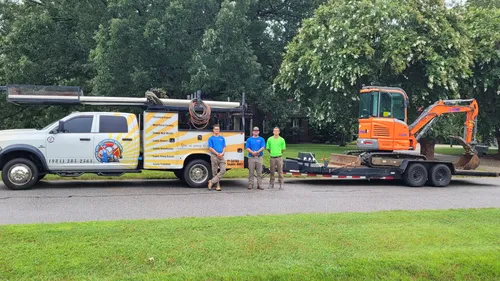
Environmental Systems & Services of NC LLC
Raleigh, NC
Environmental Systems & Services of NC LLC provides comprehensive septic and plumbing services in Raleigh, NC, and throughout Eastern and Central North Carolina. With over 30 years of experience, they handle septic tank pumping, inspections, repairs, and installations, as well as plumbing repairs, sewer line services, and drain field maintenance. Their team uses advanced equipment like cameras and hydro-jetting tools to diagnose and resolve issues efficiently. They offer customized maintenance plans to help extend the lifespan of septic and plumbing systems, ensuring compliance with local regulations and protecting water quality.
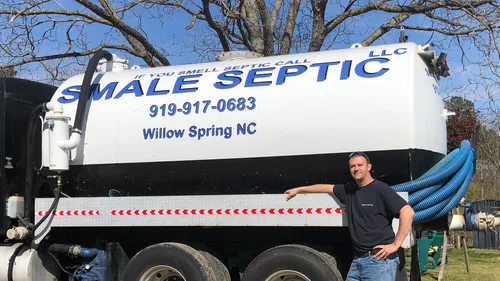
Smale Septic, LLC
Raleigh, NC
Smale Septic, LLC is a locally owned septic service company based near Raleigh, NC, serving Johnston and Wake counties. The business offers septic tank pumping, system repairs, drain field maintenance, and pump replacements. Their capabilities include locating and excavating septic tanks, water jetting drain field lines, and installing septic tank filter tees. The owner operates the business personally and provides direct customer service.
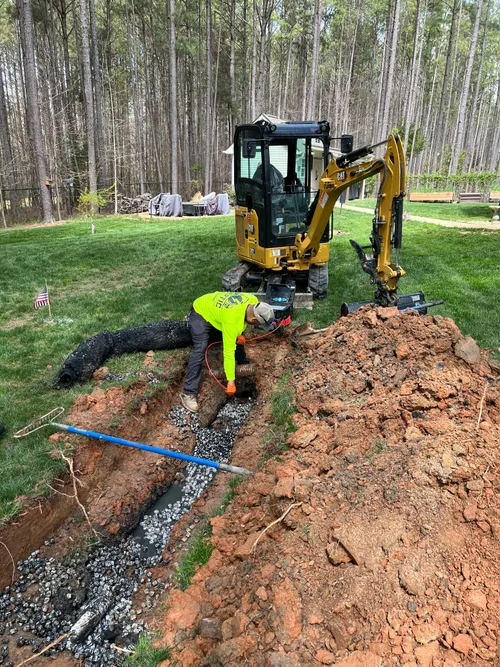
Septic Innovations
5209 Winfree Ln, Wake Forest, NC 27587
Septic Innovations is a septic system company based in Raleigh, NC, offering a range of services including septic tank pumping, inspection, repair, and installation. They handle all system components such as tanks, pumps, control panels, distribution boxes, and drain fields. The company is certified as NC Grade IV installers and VA Master Alternative installers, capable of installing any type of septic system in North Carolina and Virginia. Septic Innovations also provides point-of-sale septic inspections to evaluate system compliance and condition. They assist with permitting when required for installation or repair work.
Warner Septic
Raleigh, NC
Warner Septic is a septic tank pumping and repair company based in Raleigh, NC. They provide services including septic tank pumping, system maintenance, drain field repair, and septic pump repair or replacement. Warner Septic helps prevent system blockages and backups that can cause health hazards and environmental damage. Their services include emergency response and excavation work to maintain and restore septic system functionality.
Recognizing the Signs of a Failing Drain Field
Catching drain field problems early can prevent more extensive and costly damage. A malfunctioning system will often give you clear warnings. The most urgent sign is sewage backing up into household drains or toilets 1. Other common indicators include:
- Persistently Slow Drains: Sinks, showers, and tubs that drain very slowly, even after clearing clogs.
- Soggy Ground or Surfacing Effluent: Spongy, wet, or lush green patches of grass over the drain field area, especially when it hasn't rained. A foul, sewage-like odor often accompanies this.
- Standing Water: Puddles or persistent dampness in the yard near the septic tank or distribution lines.
- Nitrogen-Loving Weeds: Excessive growth of weeds or algae over the drain field, as they thrive on the nutrients in the effluent.
If you notice any of these signs, it's crucial to stop using water heavily and contact a licensed septic professional immediately for an assessment 2.
Why Drain Fields Fail in the Raleigh Area
Understanding why your absorption field failed is key to ensuring a proper and lasting repair. Common causes in Wake County include:
- Hydraulic Overload: Consistently exceeding the system's design capacity with excessive water use from laundry, long showers, or leaky fixtures can flood the field.
- Soil Compaction: Driving or parking vehicles, building structures, or storing heavy materials over the drain field compacts the soil, destroying its ability to absorb and treat wastewater.
- Improper Maintenance: Failure to pump the septic tank regularly allows solids to wash out into the drain field lines, clogging the pipes and the surrounding soil.
- Biomat Buildup: A thick, slimy layer of bacteria and organic matter can naturally form over time, eventually sealing the soil and preventing percolation.
- Root Intrusion: Tree and shrub roots seeking moisture can infiltrate and crack distribution pipes.
- Soil and Site Conditions: Native soils with high clay content or seasonal high water tables can limit drainage and lead to premature failure. Properties in low-lying or flood-prone areas are particularly susceptible.
The Regulatory Landscape: Wake County Permits and Requirements
Any significant repair or full replacement of a septic system component in Raleigh requires adherence to strict local and state regulations. Wake County Environmental Services is the permitting authority, and their rules are designed to protect public health and groundwater.
The Repair Permit (Construction Authorization): Before any excavation or repair work begins, a licensed septic contractor must obtain a "Construction Authorization" from the county. This is non-negotiable. The application process involves submitting a detailed repair proposal and site plan for review.
The Designated Repair Area: North Carolina law mandates that every septic system have a designated, unobstructed repair area. This is a space on your property, separate from the existing drain field, that is suitable for installing a completely new system if the original fails. You cannot build, pave, or plant deep-rooted trees in this area. A professional will need to confirm this area is still viable for your repair or replacement project.
System Setbacks: New or repaired drain fields must maintain specific minimum separation distances from wells, property lines, streams, buildings, and other sensitive features. Your contractor will design the system to comply with these critical setbacks 3.
The Step-by-Step Process for Drain Field Remediation
Addressing a failed leach field is a multi-step process that involves professionals and county inspectors.
- Professional Site Evaluation: A licensed septic contractor will perform a thorough inspection to diagnose the exact cause of failure. This often includes a "soil morphology" evaluation to assess the soil's color, texture, and structure, which indicates its drainage capacity 4. Soils that are uniformly yellow, red, or brown are typically ideal, while gray-spotted soils suggest poor drainage and high water tables 5.
- Permit Application & Design: Based on the evaluation, the contractor will design a repair or replacement solution and submit the engineering plans and permit application to Wake County for approval 6.
- County Site Inspection: A county environmental health specialist will visit your property to review the site conditions, verify the designated repair area, and approve the proposed design before issuing the Construction Authorization 7.
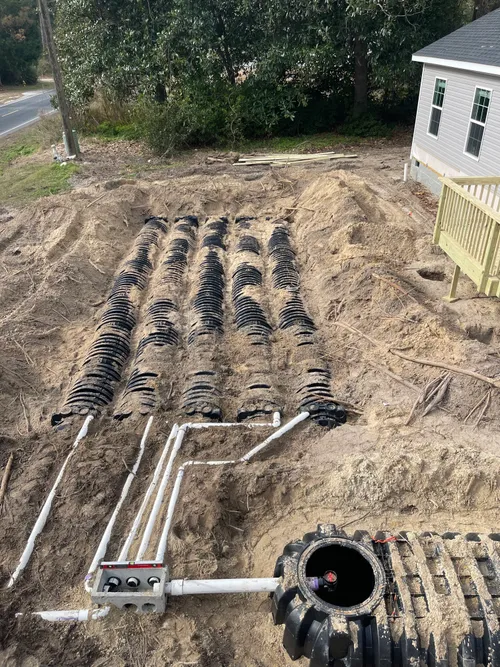
- Installation: Once permitted, the licensed contractor will excavate and install the new or repaired drain field components. This may involve replacing the entire field or using advanced repair techniques like installing new distribution lines in the designated repair area.
- Final Inspection: After installation but before the new trenches are covered, the county inspector must conduct a final inspection to ensure the work complies with the approved plans and all regulations 8. Only after passing this inspection can the system be covered and put into service.
Find the perfect drain field repair companies for your needs
Get personalized recommendations and expert advice
Factors Influencing Drain Field Design and Cost
The complexity and cost of your drain field project depend heavily on your specific property conditions.
- Soil Type and Percolation Rate: The soil's ability to absorb water (percolation rate) directly determines the size of the drain field needed. Poorly draining soils require larger fields or engineered alternatives.
- Topography and Slope: Properties with steep slopes, rocky terrain, or high bedrock may require a specialized "mound" or "at-grade" engineered system, which is more complex and costly than a conventional trench system 9.
- System Type: A simple repair of a clogged line is less expensive than a full conventional field replacement. Engineered systems (mounds, drip irrigation, etc.) are the most expensive option but are necessary for challenging sites 10.
- Permitting and Inspection Fees: Wake County and other Triangle-area counties charge fees for repair permits and inspections. These administrative costs are part of the overall project budget.
Understanding the Costs Involved
While prices can vary widely based on the factors above, homeowners in Raleigh should be prepared for a significant investment. Full drain field replacement is a major landscaping and construction project. According to industry estimates, the cost for a complete conventional drain field replacement in our region typically ranges from $5,000 to $12,000 or more 11. Complex engineered systems or projects with significant site work (like clearing trees or regrading land) can exceed this range. The permit fee is an additional cost, often around $250 or more depending on the system's complexity 12. Always get detailed, written estimates from multiple licensed contractors.
Maintaining Your New or Repaired Drain Field
Protecting your investment is key. Proper maintenance includes:
- Regular Septic Tank Pumping: Pump the tank every 3-5 years to prevent solids from escaping into the new field.
- Water Conservation: Spread out laundry loads, fix leaks promptly, and install water-efficient fixtures.
- Mind What You Flush: Only human waste and toilet paper should go down the drain. Avoid chemicals, grease, wipes, and feminine products.
- Protect the Area: Never drive, park, or build over the drain field or its designated repair area. Plant only grass over the field; keep trees and shrubs far away.
Frequently asked questions
Sources
Footnotes
-
North Carolina Onsite Wastewater Rules - Environmental Health - https://ehs.dph.ncdhhs.gov/oswp/docs/rules/1900-Rules-08-2017.pdf ↩
-
Understanding and Protecting Your Septic System - https://ehs.dph.ncdhhs.gov/oswp/docs/Understanding-protecting-septic-systems-FACTSHEET.pdf ↩
-
Septic Drainfield Design 101: A Complete Guide - https://landperc.com/septic-drainfield-design-guide/ ↩
-
Investigate Before You Invest - NC State Extension Publications - https://content.ces.ncsu.edu/investigate-before-you-invest ↩
-
Septic Systems and Their Maintenance - https://content.ces.ncsu.edu/septic-systems-and-their-maintenance ↩
-
Septic System Inspections - https://www.wake.gov/departments-government/onsite-water-protection/septic-systems/septic-system-inspections ↩
-
Septic System Permitting FAQs - Wake County Government - https://www.wake.gov/departments-government/onsite-water-protection/septic-systems/septic-system-permitting-inspections/septic-system-permitting-faqs ↩
-
Step-by-Step Guide to Septic Tank Installation | Septic Blue of Raleigh - https://www.septicblueraleigh.com/understanding-the-septic-tank-installation-process-step-by-step-html ↩
-
The Best Location for a Drain Field Installation on Your Property - https://sewermedicnc.com/septic-services-blog/the-best-location-for-a-drain-field-installation-on-your-property/ ↩
-
Georgia's Septic Drain Field Requirements: Homeowner's Guide - https://smartsepticpros.com/blog/georgias-septic-drain-field-requirements/ ↩
-
Cost to Replace Septic Tank and Drain Field [2026 Data] | Angi - https://www.angi.com/articles/how-much-new-drain-fields-foot.htm ↩
-
Environmental Health Fee Schedule - Johnston County Government - https://www.johnstonnc.gov/envhealth/feepage.cfm ↩