Find the Best Drain Field Repair Companies for Your Business
No obligation • Fast responses • Nationwide coverage

Why you can trust Septic Spot
Septic Spot is a leading United States resource for understanding and comparing septic services. Our editors review providers using consistent criteria and verify key business details. Listings and scores are independent, and companies cannot pay to influence our content.
Search providers near you
Top Drain Field Repair Companies in Gastonia, North Carolina Ranked
A failing septic system drain field is a serious issue that can threaten your property's value, your family's health, and the local environment. Drain field repair and replacement involves diagnosing and fixing the area where treated wastewater is dispersed into the soil, a critical component of your onsite wastewater system. In Gastonia, this work is strictly regulated to protect groundwater. This guide explains the local process, costs, and regulations to help you understand your options and connect with qualified professionals for your leach field or absorption field needs.

Lentz Wastewater Management - Mooresville
Charlotte, NC
Lentz Wastewater Management - Mooresville offers septic system repair, installation, and maintenance services in Charlotte, NC. They handle septic tank replacements, drain field repairs, and septic pump services, including installation of risers and sanitary tees to extend system life. The company also provides Terralift technology to address saturated drain fields without excavation. With over twenty years of experience, Lentz Wastewater Management installs various septic systems, including conventional and alternative types, and offers warranties on parts and workmanship.
Ready Septic
3925 Woodlawn St, Sharon, SC 29742
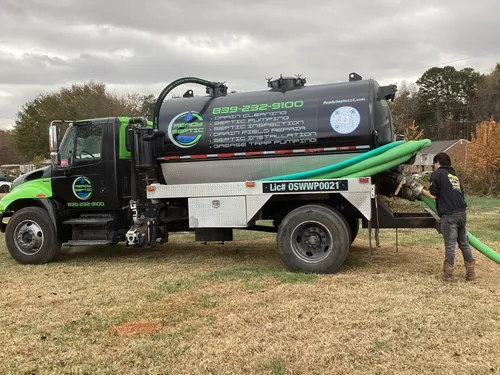
Ready Septic is a septic service company based in Charlotte, NC, specializing in residential and commercial sewer and septic system services. They serve York County, SC, and surrounding areas including Greenville, Spartanburg, and Columbia. Their offerings include septic tank pumping, installation, inspection, drain cleaning, hydro jetting, sewer repair, and sump pump services. Ready Septic uses advanced diagnostic tools and high-capacity vacuum technology to maintain and repair septic systems, ensuring compliance with local health codes. With over 30 years of combined industry experience, they provide solutions tailored to local soil and topographic conditions.
Affordable Septic Services of North Carolina
Charlotte, NC
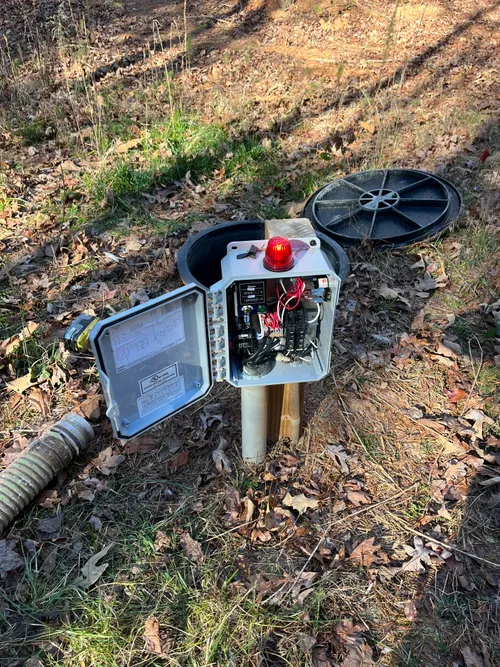
Affordable Septic Services of North Carolina provides comprehensive septic system care in Charlotte, NC, and Mecklenburg County. They offer a full range of services including septic tank pumping, cleaning, inspection, repair, and drain field replacement for both residential and commercial properties. Their team is equipped to handle routine maintenance as well as emergency septic pumping, using professional equipment and proven techniques to ensure reliable system performance. With over ten years of experience, they focus on accurate diagnostics and long-term solutions to protect property investments.
Septic Blue of Rock Hill
103 Schoolside Dr #135, Rock Hill, SC 29730
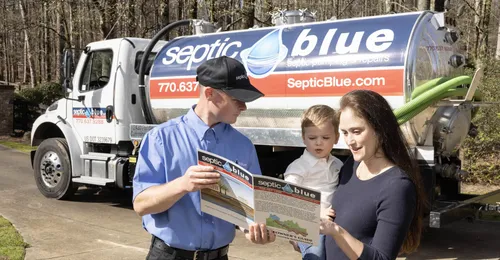
Septic Blue of Rock Hill provides septic system services including pumping, inspection, and repair for homeowners in Charlotte, NC. They specialize in septic tank cleaning and drain field repairs, using specialized equipment to remove solid waste and maintain system function. The company offers emergency septic tank cleaning available at any hour, ensuring prompt attention when needed. Septic Blue is known for clear upfront pricing and thorough communication during service visits.
NC Septic & Pump Specialist, LLC
Charlotte, NC
NC Septic & Pump Specialist, LLC is a licensed septic service provider based in Charlotte, NC, offering a full range of septic system solutions. Their services include septic tank pumping, inspections, repairs, installations, and drain field repairs. The company employs Level 4 licensed installers and experienced technicians who handle everything from routine maintenance to complex system installations and repairs. With over eight years of industry experience, they serve Charlotte and surrounding areas, including Kannapolis and Concord. Their expertise includes thorough septic inspections and advanced septic system installations, ensuring compliance with local standards.
Understanding Drain Field Failure in Gastonia
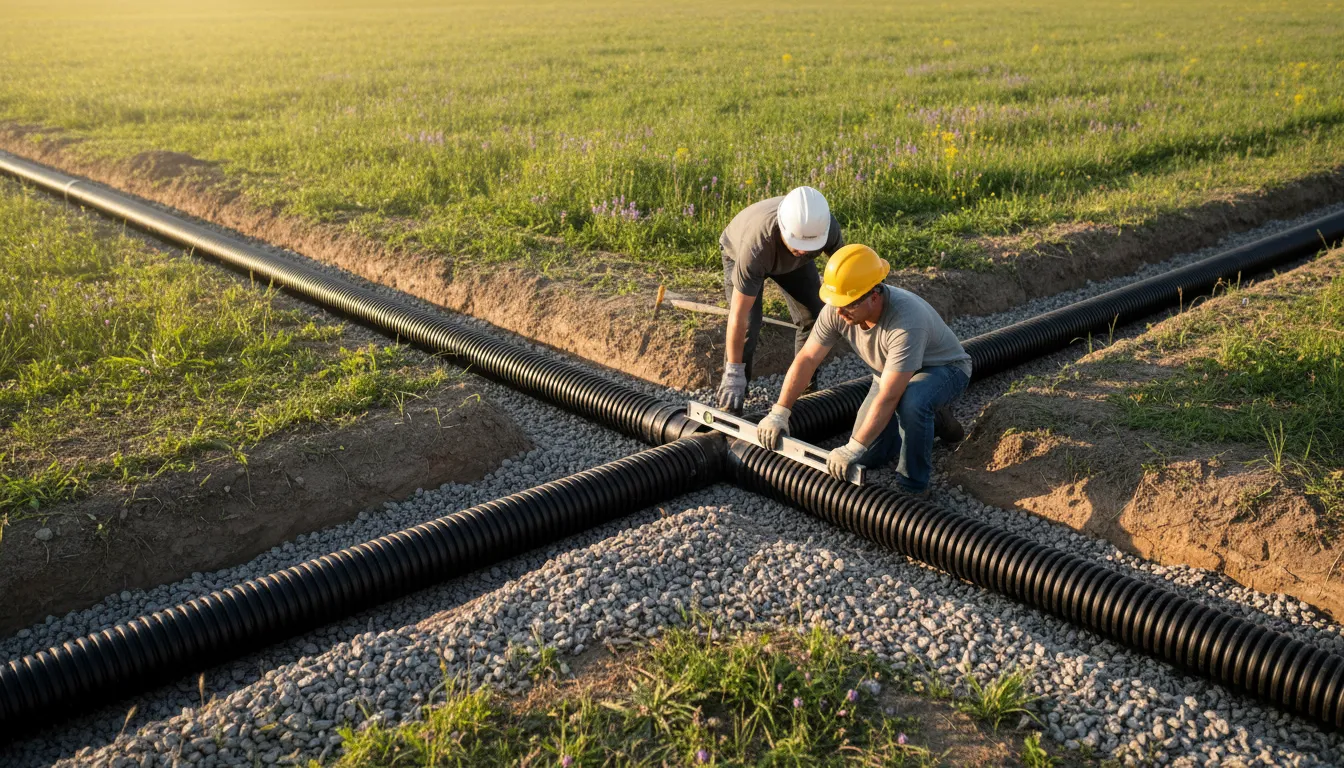
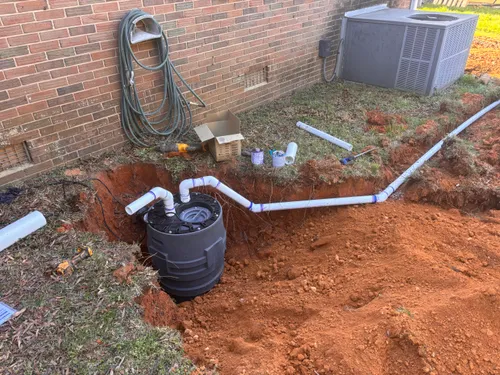
A drain field, also known as a leach field or soil absorption field, is the final stage of a septic system. After solids settle in the tank, liquid effluent flows into a network of perforated pipes buried in trenches filled with gravel. This effluent slowly percolates into the soil, where natural processes provide final treatment.
Failure occurs when the soil can no longer absorb the water. Common signs in Gastonia homes include:
- Sewage odors in the yard, especially after rain.
- Spongy, soggy ground or standing water over the drain field area.
- Slow-draining or backing-up toilets and sinks.
- Unusually green, lush grass over the field.
These symptoms indicate that the soil is saturated, often due to clogged pipes, compacted soil, or system age. When this happens, state and county regulations require prompt action.
Gaston County Regulations and Permits
All significant septic system work in Gastonia is governed by the Gaston County Environmental Health Department, which enforces North Carolina state laws (15A NCAC 18A .1900) 1 2. You cannot legally begin any repair or replacement without the proper permit.
The Permit Process is Mandatory:
- Repair Permit Application: You must first apply for a Repair Permit, officially called an Improvement Permit and Authorization to Construct, from the county 3 4.
- Site Evaluation: An authorized Environmental Health Specialist will inspect your property. This is not a simple visual check; they conduct a detailed soil evaluation to determine the cause of failure and the suitability of the site for a new system 5.
- Design Approval: Based on the soil evaluation, the county will approve a repair design. This could be a repair to the existing lateral lines or a plan for a completely new drain field.
- Final Inspection & Certificate: After a licensed contractor completes the work, a county inspector must examine it before the trenches are backfilled. Only after approval will they issue a Completion Certificate or Operation Permit, allowing you to use the system 6 7.
The Critical Role of Soil Evaluation
The success of any drain field hinges on the soil's ability to absorb and treat wastewater. Gaston County's evaluation is thorough, examining:
- Soil Texture and Structure: High clay content soils have very slow permeability, while sandy soils may drain too quickly for proper treatment.
- Soil Wetness (Mottling): Inspectors dig soil pits or borings to look for grayish or rusty-colored streaks (mottles), which indicate a seasonal high water table. In North Carolina, a water table within 36 inches of the surface often rules out a conventional system 8 9.
- Site Topography: Drain fields are best suited for gentle slopes. Depressions or flood-prone areas are poor choices.
- Available Space: There must be enough suitable land not only for the repair but also for a designated "repair area." This is a legally reserved space on your property for a future replacement system, which should have been identified when your home was built. Building a deck, pool, or driveway over this area can create major complications and expense 10.
Repair vs. Replacement: Understanding Your Options
The county's evaluation will determine the best path forward.
Minor Repairs: If the problem is isolated-such as a crushed pipe or a clogged distribution box-a contractor may be able to excavate and repair just that section. This is often the most cost-effective solution.
Full Drain Field Replacement: This is necessary when the entire soil absorption area has failed. The process involves:
- Abandoning the old field (often by collapsing the trenches).
- Constructing a new set of trenches in the approved location (often the designated repair area).
- Installing new gravel, perforated pipes, and geotextile fabric.
- Covering it with topsoil and re-seeding.
Alternative Systems: If the soil is deemed "provisionally suitable" (e.g., slow-draining clay or high bedrock), the county may require an engineered system. These can include shallow-placed drip irrigation fields, sand filter systems, or aerobic treatment units (ATUs). These systems are more complex and expensive but allow development on sites where conventional systems won't work 11.
Find the perfect drain field repair companies for your needs
Get personalized recommendations and expert advice
Cost Factors for Drain Field Work in Gastonia
Costs can vary widely based on the scope of work and site conditions. It's crucial to get multiple estimates from licensed contractors.
- Permit Fees: According to fee schedules in the region, a Repair/Existing System permit from the health department typically costs around $250, though fees can be higher for complex systems or new construction permits 12 13.
- Repair Costs: Fixing a single lateral line or a distribution box may range from a few hundred to a couple thousand dollars.
- Full Replacement Costs: A complete conventional drain field replacement is a significant investment. For a standard 3-4 bedroom home in Gastonia, homeowners can expect costs to range from $3,000 to over $10,000+. Factors include the size of the field, ease of access for machinery, and soil type 14 15.
- Engineering & Alternative System Costs: If an engineered system is required, you will need to hire a professional engineer (PE) to design it, adding $1,000 to $3,000+ in design fees. The installation of these systems themselves can be double or triple the cost of a conventional field 16.
The Step-by-Step Process for Homeowners
Facing a failing septic system can feel overwhelming. Breaking it down into steps can help:
- Observe & Document: Note all symptoms of failure-where you see water, smell odors, or have slow drains.
- Contact the Health Department: Call Gaston County Environmental Health to report the failure and initiate the permit process. They are your first point of contact 17.
- Get a Site Evaluation: The county specialist will visit to perform soil tests and identify your repair area.
- Obtain Contractor Quotes: Once you have the approved design, solicit bids from licensed septic contractors. Ensure they are familiar with Gaston County's specific inspection requirements.
- Schedule the Work: Coordinate with your chosen contractor and the health department for the installation and the required final inspection.
- Protect Your New System: Once repaired, practice good septic habits: conserve water, avoid pouring grease or chemicals down drains, and never drive or build over the drain field.
Protecting Your Property's Future
A functioning septic system is a valuable asset. To avoid future problems and protect your repair options:
- Locate Your "As-Built" Diagram: This map, often filed with the county, shows where your tank, drain field, and repair area are located.
- Keep the Repair Area Clear: This land must remain undisturbed. Do not plant trees, build structures, or pave over it.
- Pump Your Tank Regularly: Having your septic tank pumped every 3-5 years prevents solids from washing out and clogging the drain field, which is a leading cause of premature failure 18.
- Divert Water: Ensure roof gutters, sump pumps, and surface runoff are directed away from the drain field area to prevent saturation.
Frequently asked questions
Sources
Footnotes
-
18A .1900 NORTH CAROLINA ADMINISTRATIVE CODE 01/21/99 ... - https://ehs.dph.ncdhhs.gov/oswp/docs/rules/jan99amen.pdf ↩
-
LAWS AND RULES FOR SEWAGE TREATMENT, AND DISPOSAL ... - https://ehs.dph.ncdhhs.gov/oswp/docs/rules/Aug98amen.pdf ↩
-
Document Viewer | Code of Ordinances and Unified Development ... - https://online.encodeplus.com/regs/gastonia-nc/doc-viewer.aspx?secid=926 ↩
-
FAQ: Septic System Permits - https://mseptic.com/blog/2019/7/22/faq-septic-system-permits ↩
-
Septic Systems: Site Evaluation and Testing - Evaluating Soil ... - https://mseptic.com/understanding-onsite-wastewater/2019/7/19/evaluating-soil-morphological-characteristics ↩
-
On-Site Wastewater and Wells | Gaston County, NC - https://www.gastongov.com/1220/On-Site-Wastewater-and-Wells ↩
-
Septic System Program - AppHealthCare - https://www.apphealthcare.com/environmental-health/septic-system-program/ ↩
-
DEQ Division of Water Resources Staff DHHS On-Site ... - NC.gov - https://files.nc.gov/ncdeq/Water%20Resources/DOCs/15A-NCAC-2C-.0107-Clarification-FINAL-ds.pdf ↩
-
NC General Statutes - Chapter 130A Article 11 - https://www.ncleg.gov/EnactedLegislation/Statutes/PDF/ByArticle/Chapter_130A/Article_11.pdf ↩
-
Understanding and Protecting Your Septic System - https://ehs.dph.ncdhhs.gov/oswp/docs/Understanding-protecting-septic-systems-FACTSHEET.pdf ↩
-
Guidance on Septic Repairs - NC DHHS - https://www.ncdhhs.gov/septic-repairs/download?attachment ↩
-
Environmental Health Fee Schedule - Johnston County Government - https://www.johnstonnc.gov/envhealth/feepage.cfm ↩
-
Investigate Before You Invest - NC State Extension Publications - https://content.ces.ncsu.edu/investigate-before-you-invest ↩
-
Can Leach Fields Be Repaired? | GoodFlow Solutions - https://www.goodflow.com/can-leach-fields-be-repaired/ ↩
-
Septic Drain Field Replacement Costs Vs. Long-Term Savings - Septic Tank Man - https://www.theseptictankman.com/blog/septic-drain-field-replacement-costs-vs-long-term-savings ↩
-
Septic Drain Field Design and Maintenance - https://seaboundseptic.com/septic-drain-field-design-and-maintenance/ ↩
-
On-Site Wastewater and Wells | Gaston County, NC - https://www.gastongov.com/1220/On-Site-Wastewater-and-Wells ↩
-
Septic System Owner's Guide - NC State Extension Publications - https://content.ces.ncsu.edu/septic-system-owners-guide ↩