Find the Best Drain Field Repair Companies for Your Business
No obligation • Fast responses • Nationwide coverage

Why you can trust Septic Spot
Septic Spot is a leading United States resource for understanding and comparing septic services. Our editors review providers using consistent criteria and verify key business details. Listings and scores are independent, and companies cannot pay to influence our content.
Search providers near you
Top Drain Field Repair Companies in Hickory, North Carolina Ranked
A failing septic system drain field is a serious concern for any homeowner, leading to unpleasant odors, soggy yards, and potential environmental contamination. Drain field repair or replacement is a specialized process that requires understanding local soil conditions, securing the proper permits, and hiring certified professionals. This guide will help you understand the steps, regulations, and key considerations for addressing drain field issues in Hickory, empowering you to find qualified local experts for your soil absorption system needs.

Understanding Your Drain Field and Signs of Failure
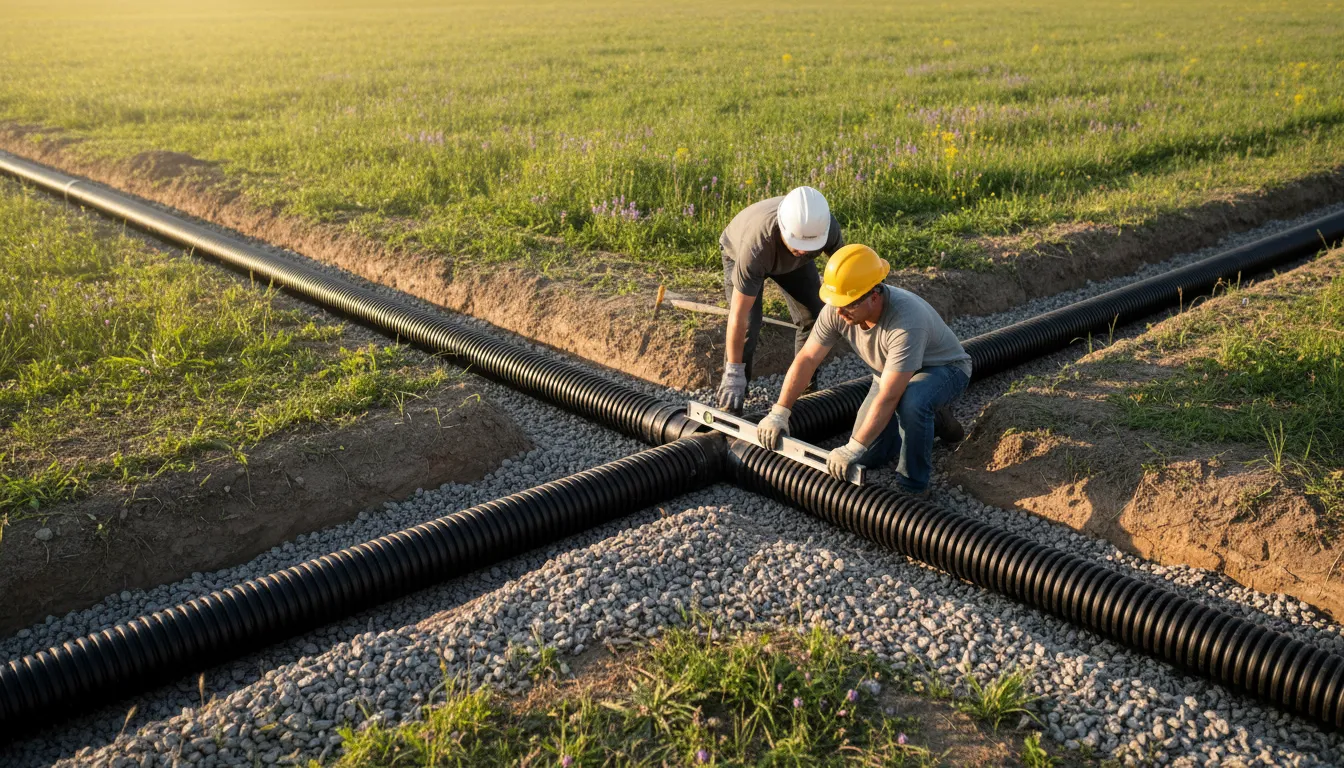
Your septic system's drain field, also known as a leach field or absorption field, is the final stage of wastewater treatment. After solids settle in the tank, liquid effluent flows into a network of perforated pipes buried in trenches filled with gravel. This effluent slowly percolates through the soil, where natural processes filter and purify it before it rejoins the groundwater.
A system fails when this absorption process is interrupted. Common signs in Hickory include:
- Sewage odors in the yard or home.
- Persistently soggy or spongy ground over the drain field area, even in dry weather.
- Slowly draining or backing up toilets and sinks.
- Unusually lush, green grass over the field, indicating a nutrient surge from wastewater.
- Standing water or surfacing sewage.
These symptoms often point to a clogged or failing leach field, which can result from lack of maintenance, soil compaction, root intrusion, or a high water table.
The Critical First Step: Permits and the Catawba County Health Department
In North Carolina, all septic system work is regulated. For any drain field repair or replacement in Hickory, your first official step must be contacting the Catawba County Environmental Health Department. State law (15A NCAC 18A.1938) requires a permit for any repair or replacement of a subsurface wastewater system 1.
Why is this permit so important?
- Legal Compliance: Working without a permit can result in fines and legal complications.
- System Integrity: The county ensures the proposed repair meets state standards for public health and environmental protection.
- Property Records: The health department may have your property's original septic system permit on file, which often includes a designated "repair field" area for homes built since the 1980s. This pre-approved area can simplify the process significantly.
The permit process typically involves submitting a site plan and application. A final inspection by a county inspector is mandatory before any new pipes or trenches are covered.
The Role of Soil and Site Evaluation
The feasibility and method of repair are almost entirely determined by your property's soil and site conditions. Hickory's terrain in the foothills of North Carolina can present unique challenges.
Key factors evaluated by professionals include:
- Soil Permeability (Perc Test): How quickly water moves through your soil. Slow-draining clay soils are a common cause of failure.
- Depth to Seasonal High Water Table: If the groundwater rises too close to the drain field trenches, it cannot absorb effluent. This is a critical measurement in our region.
- Site Constraints: Steep slopes, proximity to streams, wetlands, property lines, and shallow bedrock can all limit repair options and may necessitate an engineered system design 2.
A professional site evaluation and soil analysis (often called a "perc test") is not just a formality-it's the diagnostic tool that determines whether a simple repair is possible or if a full system replacement with an advanced design is required.
The Repair vs. Replacement Decision
Not all drain field problems require a complete overhaul. A certified installer will diagnose the issue to recommend the most appropriate solution.
Potential Repair Options:
- Spot Repair: Fixing a single clogged or broken drain line.
- Field Relining: Cleaning and relining existing pipes to restore flow.
- Adding a New Trench: Utilizing a pre-approved repair area to expand the existing field.
When Replacement is Necessary: If the entire soil absorption area is saturated and failed, or if the original site is unsuitable due to soil or water table issues, a full drain field replacement is needed. This is a major project that often requires:
- Engineered Design: For challenging sites, a professional engineer designs a system like a low-pressure pipe (LPP) or sand filter system.
- New Location: Identifying a new, suitable area on your property for the replacement field.
- Complete Excavation: Removing the old field and installing a brand-new tank and leach field network.
Find the perfect drain field repair companies for your needs
Get personalized recommendations and expert advice
Hiring the Right Professional: Certification is Key
North Carolina law requires that many septic system repairs, and all installations of engineered systems, be performed by state-certified subsurface system operators or installers 3. There are different levels of certification; for complex repairs or replacements, you will likely need a Level II or III installer.
What to look for in a Hickory-area contractor:
- Proof of State Certification: Always ask for their certification number and verify its status.
- Local Experience: Familiarity with Catawba County's inspectors, regulations, and common soil types is invaluable.
- Comprehensive Services: Look for providers who handle the entire process-evaluation, permit assistance, repair/installation, and coordination with the health department for final inspection.
- References and Reviews: Check for positive feedback from local homeowners who have undergone similar projects.
A qualified professional will guide you through the permit process, perform the necessary soil testing, and ensure the work meets all state and county codes 4 5.
Understanding Costs and Investing in Longevity
Costs for drain field work in Hickory are highly variable and depend on the scope:
- Minor Repairs: Fixing a single line is the most affordable option.
- Major Repairs or Partial Replacement: Costs increase with the scale of excavation and materials needed.
- Full System Replacement: This is a significant investment. Replacing both the tank and drain field can range from several thousand to over $10,000, with engineered systems being at the higher end of the spectrum 6 7 8.
While costly, proper repair is an investment in your property's value and your family's health. To protect this investment, commit to regular maintenance. The single best way to extend your drain field's life is to have your septic tank pumped every 3 to 5 years by a licensed pumper to prevent solids from clogging the absorption field 9.
The Homeowner's Action Plan for a Failing Drain Field
If you suspect a problem, follow this structured approach:
- Cease Water Use: Minimize water going into the system to prevent worsening the situation.
- Contact Professionals: Reach out to a certified septic repair company for a diagnostic inspection.
- Engage the Health Department: Work with your contractor to pull any existing records and initiate the permit application process 10 11.
- Authorize Site Evaluation: Allow for a professional soil and site assessment to determine the official repair path 12 13.
- Review Options & Quotes: Based on the evaluation, review the recommended solution and detailed cost estimates from your contractor.
- Proceed with Permitted Work: Once the permit is secured, the certified installer can begin the repair or replacement.
- Schedule Final Inspection: Ensure the county inspector approves the work before backfilling is completed 14.
Taking proactive, informed steps with the right local partners can resolve a drain field crisis efficiently and ensure your septic system functions properly for years to come.
Frequently asked questions
Sources
Footnotes
-
Septic Systems - NC Dept. of Environmental Quality - https://www.deq.nc.gov/water-resources/planning-section/nonpoint/hrlscmtg2023jul27septic/download?attachment ↩
-
Investigate Before You Invest - NC State Extension Publications - https://content.ces.ncsu.edu/investigate-before-you-invest ↩
-
Septic System Owner's Guide - NC State Extension Publications - https://content.ces.ncsu.edu/septic-system-owners-guide ↩
-
NC Septic Permit Process: Step-by-Step Guide for Homeowners - https://septicandwell.com/articles/nc-septic-permit-process ↩
-
Loose Ends Repair & Septic Tank Pumping: Septic Services Hickory ... - https://www.looseendssepticcleaning.com/ ↩
-
NC Homeowners: Caring for Your Septic System - https://www.dph.ncdhhs.gov/programs/environmental-health/site-water-protection-branch/site-wastewater-program/nc-homeowners-caring-your-septic-system ↩
-
Drain Field Repairs Hickory NC - https://www.looseendssepticcleaning.com/drain-field-repairs/ ↩
-
The Ultimate Guide to Replacing a Septic Drain Field - https://www.rciseptic.com/the-ultimate-guide-to-replacing-a-septic-drain-field ↩
-
Septic Systems and Their Maintenance - https://content.ces.ncsu.edu/septic-systems-and-their-maintenance ↩
-
Septic Installations Hickory NC - https://www.looseendssepticcleaning.com/septic-installations/ ↩
-
NCREC Bulletins - Septic Permits - A Refresher - https://bulletins.ncrec.gov/septic-permits-a-refresher/ ↩
-
Navigating the Septic System Permit and Installation Process ... - https://carolinaearthwerx.com/blogs/news/navigating-the-septic-system-permit-and-installation-process-in-north-carolina ↩
-
Perc Testing & Septic Planning - First Response Septic Service - https://www.firstresponsesepticservice.com/services/perc-testing-septic-planning ↩
-
Understanding and Protecting Your Septic System - https://ehs.dph.ncdhhs.gov/oswp/docs/Understanding-protecting-septic-systems-FACTSHEET.pdf ↩