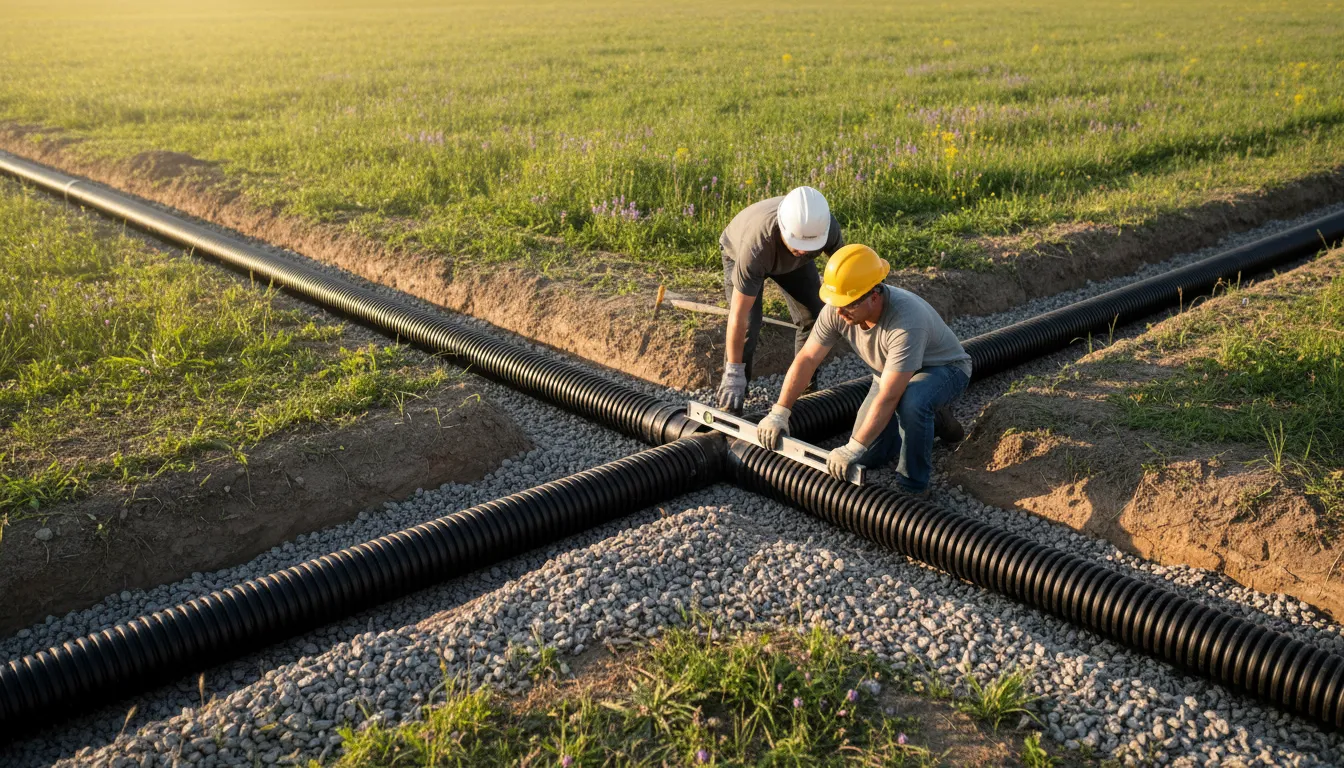
Find the Best Drain Field Repair Companies for Your Business
No obligation • Fast responses • Nationwide coverage

Why you can trust Septic Spot
Septic Spot is a leading United States resource for understanding and comparing septic services. Our editors review providers using consistent criteria and verify key business details. Listings and scores are independent, and companies cannot pay to influence our content.
Search providers near you
Top Drain Field Repair Companies in Kannapolis, North Carolina Ranked
A failing drain field is a serious issue for any home with a septic system. This critical component, also known as a leach field or absorption field, is responsible for safely filtering and dispersing treated wastewater into the soil. When it malfunctions, it can lead to sewage backups, soggy yards, and environmental contamination. For homeowners in Kannapolis, navigating drain field issues requires understanding local regulations, soil conditions, and repair processes. This guide provides essential information to help you identify problems, understand your options, and connect with qualified local professionals for leach field repair or system replacement.

Lentz Wastewater Management - Mooresville
Charlotte, NC
Lentz Wastewater Management - Mooresville offers septic system repair, installation, and maintenance services in Charlotte, NC. They handle septic tank replacements, drain field repairs, and septic pump services, including installation of risers and sanitary tees to extend system life. The company also provides Terralift technology to address saturated drain fields without excavation. With over twenty years of experience, Lentz Wastewater Management installs various septic systems, including conventional and alternative types, and offers warranties on parts and workmanship.
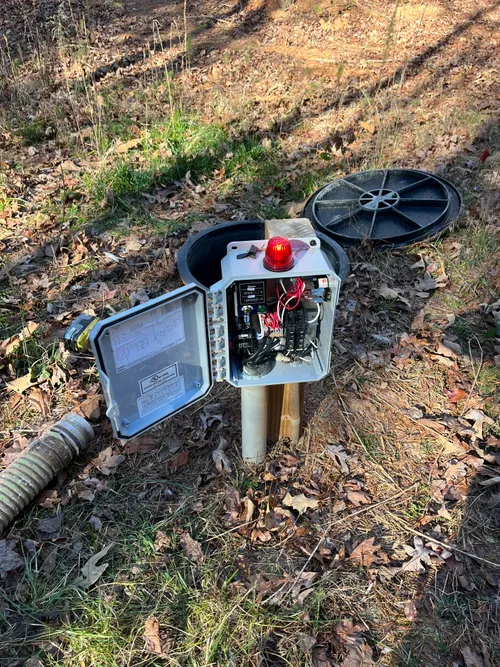
Affordable Septic Services of North Carolina
Charlotte, NC
Affordable Septic Services of North Carolina provides comprehensive septic system care in Charlotte, NC, and Mecklenburg County. They offer a full range of services including septic tank pumping, cleaning, inspection, repair, and drain field replacement for both residential and commercial properties. Their team is equipped to handle routine maintenance as well as emergency septic pumping, using professional equipment and proven techniques to ensure reliable system performance. With over ten years of experience, they focus on accurate diagnostics and long-term solutions to protect property investments.
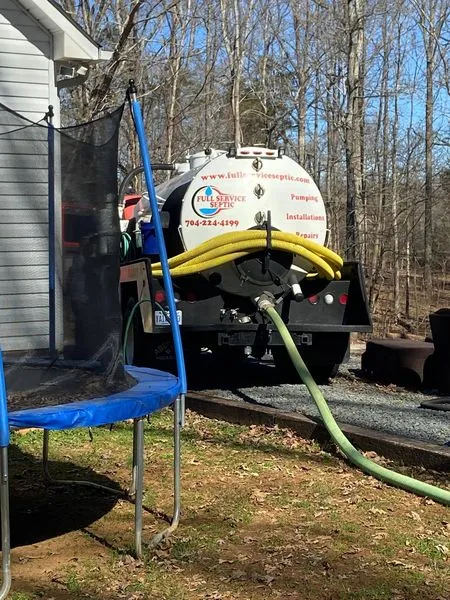
Full Service Septic
430 Cooper Rd, Salisbury, NC 28147
Full Service Septic is a septic tank pumping, inspection, repair, and installation company serving Charlotte, NC. They provide services for both residential and commercial septic systems, including drain field repair and septic pump replacement. The company offers expertise in maintaining and installing septic systems that meet current codes, helping customers manage their septic needs effectively. Their team includes specialized technicians for drain field issues and focuses on preventative maintenance to address problems early and avoid costly repairs.
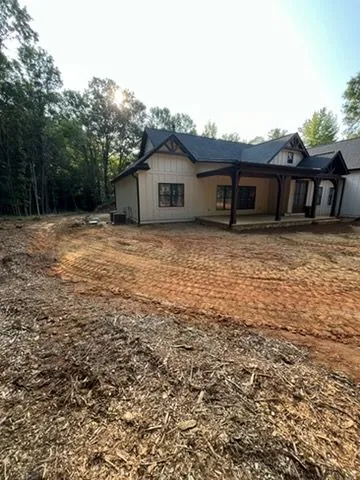
Redline Site Services
Charlotte, NC
Redline Site Services provides septic system solutions in Charlotte, NC, serving homeowners and builders in Union County and nearby areas. The company offers septic tank pumping, inspections, repairs, and complete installations, handling everything from permits to final inspections. They specialize in diagnosing and fixing issues such as cracked pipes, worn-out drain fields, and sluggish systems to maintain efficient septic performance.
NC Septic & Pump Specialist, LLC
Charlotte, NC
NC Septic & Pump Specialist, LLC is a licensed septic service provider based in Charlotte, NC, offering a full range of septic system solutions. Their services include septic tank pumping, inspections, repairs, installations, and drain field repairs. The company employs Level 4 licensed installers and experienced technicians who handle everything from routine maintenance to complex system installations and repairs. With over eight years of industry experience, they serve Charlotte and surrounding areas, including Kannapolis and Concord. Their expertise includes thorough septic inspections and advanced septic system installations, ensuring compliance with local standards.
Recognizing Drain Field Failure
The first step is identifying the signs that your septic system's drain field is struggling. Catching problems early can sometimes prevent a full replacement.
- Sewage Odors and Soggy Ground: The most common signs are unpleasant smells around the drain field area and persistently wet, spongy soil, even during dry weather. You might also see standing water or an unusually lush, green patch of grass over the field.
- Slow Drains and Backups: If drains throughout your home are slow or toilets gurgle and back up, especially after heavy rain, it could indicate that the drain field is saturated and not accepting water from the septic tank.
- Nitrate Contamination: A failing system can contaminate nearby wells or groundwater with nitrates and bacteria, a serious health risk that requires immediate attention.
The Regulatory Landscape in Cabarrus and Rowan Counties
In North Carolina, all septic system work is strictly regulated. Kannapolis is unique as it spans both Cabarrus and Rowan counties, so your first task is determining which county's health department has jurisdiction over your property.
- Permitting is Mandatory: You must obtain an Improvement Permit (I.P.) and a Construction Authorization (C.A.) from the local health department before any repair or replacement work begins. Starting work without these permits can result in fines and orders to remove unapproved work.
- State Standards: All repairs and installations must meet North Carolina Administrative Code standards (15A NCAC 18A.1938) and must be performed by a state-licensed wastewater system contractor 1.
- The Repair Area: Most properties with septic systems have a designated "repair area" set aside for a future drain field. This area is often identified on your original system permit and must be kept clear of structures, driveways, and heavy equipment 2 3.
The Critical Role of Soil Evaluation
The soil on your property is the single most important factor in designing a functional drain field. The clay-rich soils common in the North Carolina Piedmont, classified as Group IV soils, present specific challenges for wastewater absorption.
- Professional Assessment Required: A licensed Soil Scientist or an Environmental Health Specialist must evaluate your site's soil type, structure, and depth to a limiting layer. This evaluation determines the size, type, and feasibility of a repair or replacement system 4.
- Understanding Limiting Layers: A limiting layer is anything that prevents water from percolating downward, such as bedrock, a hardpan, or a seasonally high water table. The depth to this layer dictates the system's design. Shallow limiting layers often require more expensive, alternative system types.
- Site Evaluation Process: The evaluation involves digging test pits or soil borings to examine soil characteristics. This report is submitted with your permit application and guides the entire project design.
Find the perfect drain field repair companies for your needs
Get personalized recommendations and expert advice
The Step-by-Step Process for Repair or Replacement
Navigating a drain field project involves a series of defined steps from evaluation to final approval.
- Initial Consultation and Site Evaluation: A licensed contractor assesses the problem and a Soil Scientist evaluates the soil. This determines if a repair is possible or if a full replacement is necessary.
- System Design and Permit Application: Based on the soil evaluation, a system is designed. Your contractor will typically handle submitting the engineering plans and application for the Improvement Permit to the correct county health department (Cabarrus or Rowan) 5.
- Permit Approval and Construction Authorization: Once the health department approves the plans, they issue the Construction Authorization, allowing work to begin.
- Installation and Inspection: The licensed installer constructs the system. Crucially, the health department must inspect the installation (e.g., pipe placement, gravel bed, etc.) before it is covered with soil 6 7.
- Final Approval: After the system is covered and the site is restored, a final inspection is conducted. Once passed, the health department issues a final approval, and the system can be put into use.
Understanding Costs for Drain Field Work in Kannapolis
Costs can vary widely based on the extent of the problem, soil conditions, and the type of system required.
- Minor Repairs: Addressing issues like a clogged distribution box or a damaged pipe may range from $500 to $1,500.
- Major Repair or Full Replacement: This is a significant investment. For a conventional system replacement, homeowners can expect average costs between $5,000 and $12,000 8. This range typically includes soil evaluation, system design, permitting, excavation, materials, and installation.
- Factors Influencing Cost: The price increases if the soil requires an advanced pretreatment system (like an aerobic treatment unit or low-pressure pipe system), if the repair area is difficult to access, or if existing landscaping or structures must be moved 9.
- Professional Fees: Remember to budget for the required licensed Soil Scientist evaluation fee, which is separate from the installation costs.
Maintaining Your New or Repaired Drain Field
Protecting your investment is key. Proper maintenance can extend the life of your drain field for decades.
- Practice Water Conservation: Spread out laundry loads, fix leaky faucets, and install water-efficient fixtures. Overloading the system is a primary cause of failure.
- Mind What You Flush: Only human waste and toilet paper should go down the drain. Avoid chemicals, grease, wipes (even "flushable" ones), and feminine hygiene products.
- Protect the Area: Never drive or park vehicles, build structures, or plant trees and shrubs with deep roots over the drain field or its repair area. Keep roof drains and surface water away from the field.
- Pump the Tank Regularly: Have the septic tank pumped every 3-5 years by a licensed professional to prevent solids from escaping into and clogging the drain field 10 11.
Frequently asked questions
Sources
Footnotes
-
NC General Statutes - Chapter 130A Article 11 - https://www.ncleg.gov/EnactedLegislation/Statutes/PDF/ByArticle/Chapter_130A/Article_11.pdf ↩
-
Septic System Owner's Guide - Transylvania Public Health - https://transylvaniahealth.org/wp-content/uploads/2015/10/septic-system-owners-guide.pdf ↩
-
Septic Systems - NC Dept. of Environmental Quality - https://www.deq.nc.gov/water-resources/planning-section/nonpoint/hrlscmtg2023jul27septic/download?attachment ↩
-
North Carolina Onsite Wastewater Rules - Environmental Health - https://ehs.dph.ncdhhs.gov/oswp/docs/rules/1900-Rules-08-2017.pdf ↩
-
NC Septic Permit Process: Step-by-Step Guide for Homeowners - https://septicandwell.com/articles/nc-septic-permit-process ↩
-
Navigating the Septic System Permit and Installation Process ... - https://carolinaearthwerx.com/blogs/news/navigating-the-septic-system-permit-and-installation-process-in-north-carolina ↩
-
LAWS AND RULES FOR SEWAGE TREATMENT, AND DISPOSAL ... - https://ehs.dph.ncdhhs.gov/oswp/docs/rules/Aug98amen.pdf ↩
-
Cost to Replace Septic Tank and Drain Field [2026 Data] | Angi - https://www.angi.com/articles/how-much-new-drain-fields-foot.htm ↩
-
Understanding and Protecting Your Septic System - https://ehs.dph.ncdhhs.gov/oswp/docs/Understanding-protecting-septic-systems-FACTSHEET.pdf ↩
-
Septic Systems and Their Maintenance | NC State Extension Publications - https://content.ces.ncsu.edu/septic-systems-and-their-maintenance ↩
-
NC Homeowners: Caring for Your Septic System | Division of Public Health - https://www.dph.ncdhhs.gov/programs/environmental-health/site-water-protection-branch/site-wastewater-program/nc-homeowners-caring-your-septic-system ↩