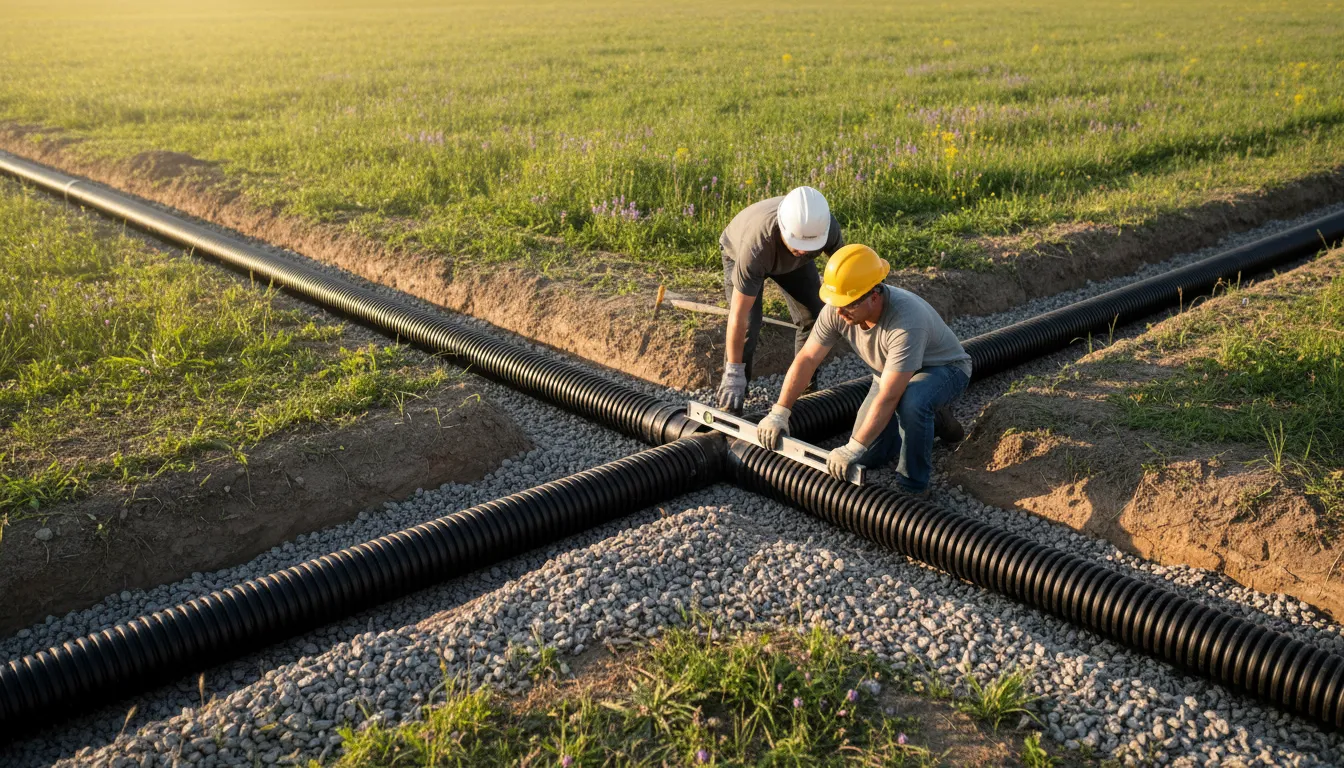
Find the Best Drain Field Repair Companies for Your Business
No obligation • Fast responses • Nationwide coverage

Why you can trust Septic Spot
Septic Spot is a leading United States resource for understanding and comparing septic services. Our editors review providers using consistent criteria and verify key business details. Listings and scores are independent, and companies cannot pay to influence our content.
Search providers near you
Top Drain Field Repair Companies in Mooresville, North Carolina Ranked
A failing septic drain field is a serious issue that can lead to sewage backups, foul odors, and environmental contamination. Drain field repair or replacement is a significant project that requires navigating local health regulations, soil evaluations, and professional installation. This guide explains the process, costs, and key considerations for Mooresville homeowners, helping you understand what's involved and how to connect with qualified local specialists for your septic system needs.

Lentz Wastewater Management - Mooresville
Charlotte, NC
Lentz Wastewater Management - Mooresville offers septic system repair, installation, and maintenance services in Charlotte, NC. They handle septic tank replacements, drain field repairs, and septic pump services, including installation of risers and sanitary tees to extend system life. The company also provides Terralift technology to address saturated drain fields without excavation. With over twenty years of experience, Lentz Wastewater Management installs various septic systems, including conventional and alternative types, and offers warranties on parts and workmanship.
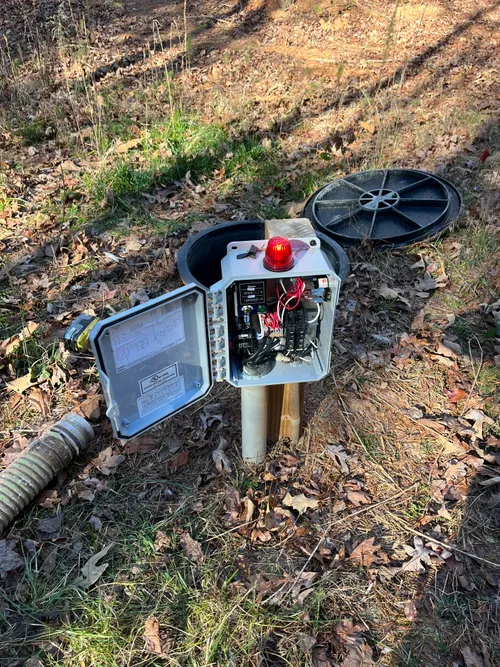
Affordable Septic Services of North Carolina
Charlotte, NC
Affordable Septic Services of North Carolina provides comprehensive septic system care in Charlotte, NC, and Mecklenburg County. They offer a full range of services including septic tank pumping, cleaning, inspection, repair, and drain field replacement for both residential and commercial properties. Their team is equipped to handle routine maintenance as well as emergency septic pumping, using professional equipment and proven techniques to ensure reliable system performance. With over ten years of experience, they focus on accurate diagnostics and long-term solutions to protect property investments.
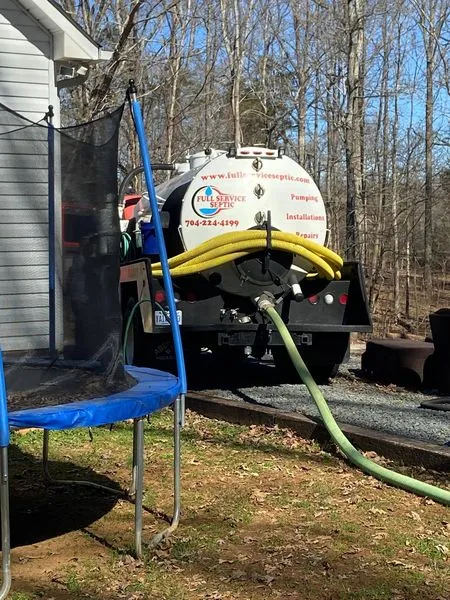
Full Service Septic
430 Cooper Rd, Salisbury, NC 28147
Full Service Septic is a septic tank pumping, inspection, repair, and installation company serving Charlotte, NC. They provide services for both residential and commercial septic systems, including drain field repair and septic pump replacement. The company offers expertise in maintaining and installing septic systems that meet current codes, helping customers manage their septic needs effectively. Their team includes specialized technicians for drain field issues and focuses on preventative maintenance to address problems early and avoid costly repairs.
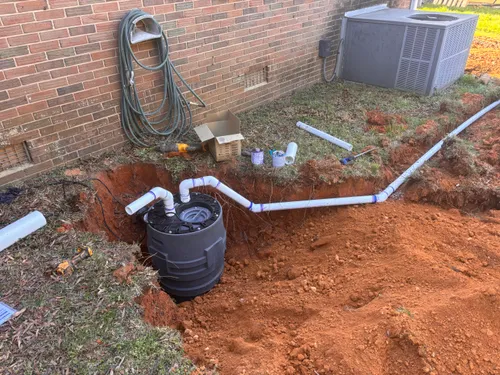
NC Septic & Pump Specialist, LLC
Charlotte, NC
NC Septic & Pump Specialist, LLC is a licensed septic service provider based in Charlotte, NC, offering a full range of septic system solutions. Their services include septic tank pumping, inspections, repairs, installations, and drain field repairs. The company employs Level 4 licensed installers and experienced technicians who handle everything from routine maintenance to complex system installations and repairs. With over eight years of industry experience, they serve Charlotte and surrounding areas, including Kannapolis and Concord. Their expertise includes thorough septic inspections and advanced septic system installations, ensuring compliance with local standards.
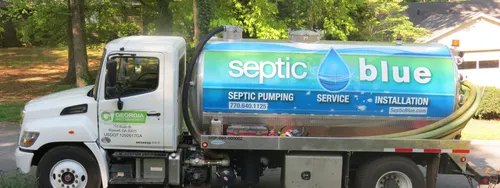
Septic Blue of Charlotte
10015 Metromont Industrial Blvd d, Charlotte, NC 28269
Septic Blue of Charlotte provides comprehensive septic services in Charlotte, NC, including septic tank pumping, inspection, repair, installation, and drain field replacement. The company focuses on routine maintenance to prevent system failures and offers thorough inspections to identify issues like cracks, blockages, and root intrusion. They emphasize proper septic tank installation tailored to local soil and water conditions to ensure long-term system performance. Septic Blue also offers emergency services and respects property during their work.
Understanding Your Septic Drain Field
Often called a leach field or absorption field, the drain field is the final, critical stage of your onsite wastewater system. After solids settle in the septic tank, the liquid effluent flows into a network of perforated pipes buried in trenches. This effluent slowly percolates through the soil, where natural processes provide final treatment before it rejoins the groundwater. When this area fails, wastewater cannot be properly absorbed, leading to system backup.
In Mooresville and Iredell County, the health of your leach field is governed by specific environmental health rules designed to protect both your property and the community's water resources.
Signs You Need Drain Field Repair or Replacement
Recognizing early warning signs can prevent a complete system failure and more expensive repairs. Look for these common indicators:
- Sewage Surfacing: The most direct sign is wastewater pooling on the ground above the drain field lines or septic tank.
- Slow Drains and Backups: Sinks, toilets, and showers that drain very slowly or back up, especially after heavy rain, can point to a saturated absorption field.
- Unpleasant Odors: Persistent sewage smells in your yard or near the drain field area.
- Unusually Lush Grass: While the grass over a functioning field should be healthy, patches that are strikingly greener and grow faster than the rest of the lawn can indicate a leak.
- Failed Inspection: A routine septic inspection by a professional may reveal hydraulic failure, crushed pipes, or biomat clogging that necessitates repair.
If you notice any of these signs, the next step is a professional evaluation before the problem escalates.
The Regulatory Process in Iredell County
All septic system work in Mooresville requires approval from the Iredell County Health Department. You cannot legally begin any repair or replacement without the proper permits. The process is designed to ensure the new system is safe and effective.
Key Permit Requirements:
- Improvement Permit (I.P.) and Construction Authorization (C.A.): You will need both for any major drain field work. The I.P. is the approval of the system design, and the C.A. grants permission to begin construction.
- The Mandatory Repair Area: When your home was built, a designated "repair area" should have been set aside on your property plot plan. This area must remain undeveloped-free from structures, driveways, pools, or heavy traffic-so it is available if the original drain field fails. Using this area can streamline the replacement process.
- Site Preparation for Inspection: Before a county inspector visits, you or your contractor must clear the proposed site of heavy undergrowth so the full footprint is visible. Failure to do so can result in a re-inspection fee of approximately $100 1.
- Illegal Discharges: The health department will check that no additional water sources, like roof gutters, sump pumps, or hot tub drains, are directed toward the drain field, as this can overwhelm it 2.
The Role of Soil Evaluation
Soil condition is the most important factor in designing a functional septic system. The soil's ability to absorb and treat wastewater-its permeability-determines the size and type of system you need.
- Soil Testing: A licensed soil scientist or environmental health specialist will take soil borings to evaluate texture, structure, and color. Well-drained soils suitable for conventional systems often have uniform brown to red colors.
- Determining Factors: The test identifies the soil type, calculates the loading rate (how much wastewater it can absorb), and measures the seasonal high water table. The slope of the land and required setbacks from wells, property lines, and streams are also assessed 3.
- System Design: The results dictate whether a standard gravity-fed trench system is possible or if a more advanced engineered system, like a low-pressure pipe (LPP) or pump system, is required for challenging soils.
Find the perfect drain field repair companies for your needs
Get personalized recommendations and expert advice
Step-by-Step Guide to Drain Field Replacement
Navigating a drain field project involves a series of coordinated steps.
- System Assessment and Records Search: First, locate your tank and existing drain field. Contact the Iredell County Health Department to request any existing records or "as-built" drawings of your system 4.
- Professional Inspection: Hire a licensed septic contractor to perform a thorough inspection. They can confirm the failure, locate all components, and provide a preliminary assessment of repair vs. replacement options 5.
- Permit Application: Submit an application for an "Existing System - Upgrade/Replacement" to the health department. Your contractor can often handle this. Based on regional data, permit fees for this process are estimated to be around $250 6.
- Site Evaluation and Design: An environmental health specialist will visit your property to evaluate the site, potentially requiring new soil bores if the repair area wasn't previously tested. A formal system design is then created 7.
- Installation/Repair: Once the Construction Authorization is issued, your licensed contractor will execute the work according to the approved plans. This involves excavating the old field (if necessary) and installing new trenches, distribution pipes, and gravel 8.
- Final Inspection: After installation, the county inspector must perform a final review before the trenches are backfilled to approve the work.
Cost Factors for Drain Field Work in Mooresville
The cost of leach field work varies widely based on the scope and site conditions. Here's a general breakdown:
- Minor Repairs: Fixing a clogged or broken line, or replacing a distribution box, may cost between $1,000 and $3,000.
- Full Conventional Field Replacement: For a complete replacement of a standard gravity system, homeowners can expect to pay between $5,000 and $12,000 or more. The wide range depends on the size of the field, ease of access, and local labor rates 9.
- Engineered System Replacement: If your soil requires an advanced system (e.g., with a pump or pressure distribution), costs will be higher due to added components and complexity.
- Influencing Factors: The single biggest cost driver is often the soil condition. Difficult sites with high water tables or poor permeability require larger, more complex systems. The need to clear trees or navigate rocky terrain also adds expense.
Maintaining Your New or Repaired Drain Field
Protecting your investment is crucial. Proper maintenance can extend the life of your new absorption field for decades.
- Pump the Tank Regularly: Have your septic tank pumped every 3 to 5 years by a professional. This prevents solids from escaping into and clogging the new drain field 10.
- Practice Water Conservation: Spread out laundry loads, fix leaking faucets, and use water-efficient fixtures to avoid hydraulically overloading the system.
- Protect the Area: Never drive, park, or build anything over the drain field or its repair area. The weight can compact the soil and crush pipes. Plant only grass over the field; tree and shrub roots can infiltrate and damage the lines 11 12.
- Mind What You Flush: Only human waste and toilet paper should go down the drain. Avoid chemicals, grease, wipes, and other non-biodegradables.
Frequently asked questions
Sources
Footnotes
-
IREDELL COUNTY HEALTH DEPARTMENT ... - https://www.iredellcountync.gov/DocumentCenter/View/9742 ↩
-
Septic Systems and Their Maintenance | NC State Extension Publications - https://content.ces.ncsu.edu/septic-systems-and-their-maintenance ↩
-
Septic Drain Field Design and Maintenance - https://seaboundseptic.com/septic-drain-field-design-and-maintenance/ ↩
-
Septic System Owner's Guide - NC State Extension Publications - https://content.ces.ncsu.edu/septic-system-owners-guide ↩
-
Septic Tank Replacement | Mooresville | Statesville - Lentz Wastewater - https://www.lentzwastewater.com/septic-repair-tank-replacement/ ↩
-
Environmental Health Fee Schedule - Johnston County Government - https://www.johnstonnc.gov/envhealth/feepage.cfm ↩
-
Navigating the Septic System Permit and Installation Process ... - https://carolinaearthwerx.com/blogs/news/navigating-the-septic-system-permit-and-installation-process-in-north-carolina ↩
-
Drain field Upgrade Statesville, NC | Mooresville - Lentz Wastewater - https://www.lentzwastewater.com/drain-field-upgrade/ ↩
-
Cost to Replace Septic Tank and Drain Field [2026 Data] | Angi - https://www.angi.com/articles/how-much-new-drain-fields-foot.htm ↩
-
Drain field Replacement | Statesville| Mooresville - https://www.lentzwastewater.com/drain-field-replacement/ ↩
-
Understanding and Protecting Your Septic System - https://ehs.dph.ncdhhs.gov/oswp/docs/Understanding-protecting-septic-systems-FACTSHEET.pdf ↩
-
NC Homeowners: Caring for Your Septic System - https://www.dph.ncdhhs.gov/programs/environmental-health/site-water-protection-branch/site-wastewater-program/nc-homeowners-caring-your-septic-system ↩