
Find the Best Drain Field Repair Companies for Your Business
No obligation • Fast responses • Nationwide coverage

Why you can trust Septic Spot
Septic Spot is a leading United States resource for understanding and comparing septic services. Our editors review providers using consistent criteria and verify key business details. Listings and scores are independent, and companies cannot pay to influence our content.
Search providers near you
Top Drain Field Repair Companies in Wake Forest, North Carolina Ranked
A failing drain field is a serious issue for any home with a septic system, leading to soggy yards, foul odors, and potential environmental contamination. Drain field repair and replacement involves diagnosing the cause of failure and installing a new leach field or repairing existing components to restore proper wastewater treatment. This guide explains the local process, costs, and regulations, helping you understand your options and connect with qualified professionals in the Wake Forest area.

Quality Service Today Plumbing & Septic
5412 US-70 suit A, Durham, NC 27705
Quality Service Today Plumbing & Septic provides a wide range of plumbing and septic services in Durham, NC. They specialize in septic tank pumping, septic system repair, and drain field repair or replacement, along with general plumbing, water heaters, well pumps, and water filtration. The company serves residential clients across Central North Carolina, including Durham and nearby communities. They are equipped to handle unique plumbing setups and offer 24/7 emergency plumbing services. Their team focuses on practical, effective solutions tailored to each home's specific needs.
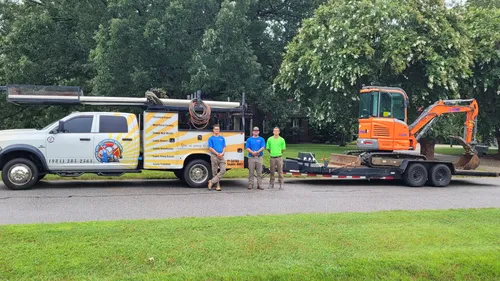
Environmental Systems & Services of NC LLC
Raleigh, NC
Environmental Systems & Services of NC LLC provides comprehensive septic and plumbing services in Raleigh, NC, and throughout Eastern and Central North Carolina. With over 30 years of experience, they handle septic tank pumping, inspections, repairs, and installations, as well as plumbing repairs, sewer line services, and drain field maintenance. Their team uses advanced equipment like cameras and hydro-jetting tools to diagnose and resolve issues efficiently. They offer customized maintenance plans to help extend the lifespan of septic and plumbing systems, ensuring compliance with local regulations and protecting water quality.
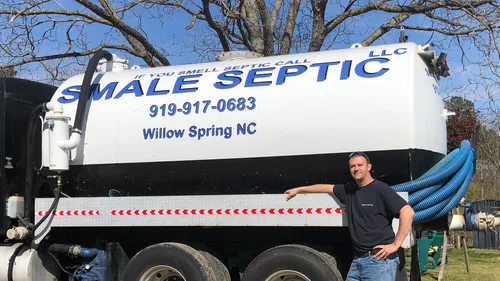
Smale Septic, LLC
Raleigh, NC
Smale Septic, LLC is a locally owned septic service company based near Raleigh, NC, serving Johnston and Wake counties. The business offers septic tank pumping, system repairs, drain field maintenance, and pump replacements. Their capabilities include locating and excavating septic tanks, water jetting drain field lines, and installing septic tank filter tees. The owner operates the business personally and provides direct customer service.
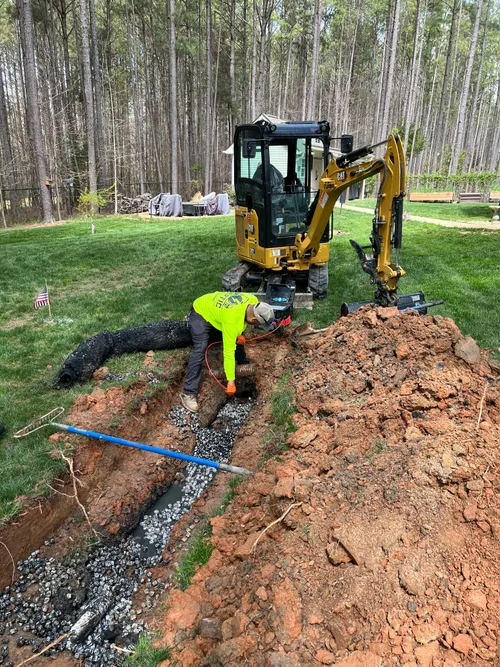
Septic Innovations
5209 Winfree Ln, Wake Forest, NC 27587
Septic Innovations is a septic system company based in Raleigh, NC, offering a range of services including septic tank pumping, inspection, repair, and installation. They handle all system components such as tanks, pumps, control panels, distribution boxes, and drain fields. The company is certified as NC Grade IV installers and VA Master Alternative installers, capable of installing any type of septic system in North Carolina and Virginia. Septic Innovations also provides point-of-sale septic inspections to evaluate system compliance and condition. They assist with permitting when required for installation or repair work.
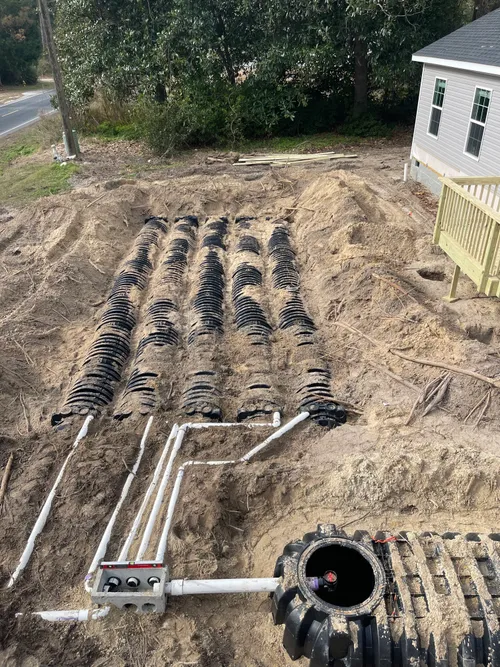
Warner Septic
Raleigh, NC
Warner Septic is a septic tank pumping and repair company based in Raleigh, NC. They provide services including septic tank pumping, system maintenance, drain field repair, and septic pump repair or replacement. Warner Septic helps prevent system blockages and backups that can cause health hazards and environmental damage. Their services include emergency response and excavation work to maintain and restore septic system functionality.
Understanding Your Septic System's Drain Field
The drain field, also known as a leach field or absorption field, is the final and most critical stage of your onsite wastewater system. After solids settle in the septic tank, liquid effluent flows into a network of perforated pipes buried in trenches. This effluent slowly percolates through the soil, where natural processes provide final treatment before the water rejoins the groundwater. When this area fails, your entire septic system is compromised.
Common signs of drain field failure include:
- Sewage odors in the yard, especially after rain.
- Spongy, soggy, or standing water over the drain field area.
- Slow drains and gurgling plumbing fixtures throughout the home.
- Unusually lush, green grass growing over the field.
Why Drain Fields Fail in Wake Forest
Several factors specific to our region can lead to leach field problems. Understanding the cause is the first step toward a proper fix.
- Soil Clogging (Biomat Failure): Over time, a layer of organic material called a biomat can form around the drain field pipes. While a thin biomat aids treatment, an excessively thick one can seal the soil, preventing effluent from soaking in. This is a common cause of gradual failure 1.
- High Water Table: Wake Forest's weather includes periods of heavy rain. If the seasonal water table rises to meet the bottom of your drain field trenches, there is no space for the effluent to drain, causing immediate system backup.
- Physical Damage: Compaction from driving or parking heavy vehicles over the field can crush pipes and compact the soil. Tree and shrub roots seeking moisture can also infiltrate and clog perforated pipes.
- System Overload: Consistently exceeding the system's design capacity with excessive water use-from long showers, leaky fixtures, or doing all laundry in one day-floods the field with more water than it can absorb.
The Legal and Regulatory Landscape
All septic system work in Wake Forest is regulated by Wake County's Onsite Water Protection Program. You cannot legally begin any repair or replacement without following their process.
Key regulations include:
- Permit Required: A county permit is mandatory for any repair, alteration, or replacement of a septic system component, including drain lines.
- Licensed Professionals Only: All installation and repair work must be performed by a state-licensed septic system contractor or installer. Homeowners cannot perform this work themselves 2.
- The Repair Area: Your property should have a designated "repair area" (sometimes called a reserve area) identified on the original septic system permit. This is a legally protected space where a new drain field can be installed if the primary one fails. This area must be kept clear of structures, pools, driveways, and significant soil grading 3.
Step-by-Step: The Repair or Replacement Process
Navigating a drain field project involves several defined steps with the county.
- Professional Diagnosis & Report: The first step is to hire a licensed professional to inspect your entire system. They will perform tests, often including a "soil probe" or "perc test," to determine the exact cause and extent of the failure. If a repair is needed, the professional will submit the necessary complaint or evaluation report to Wake County 4.
- County Site Inspection & Permit Application: A county environmental health specialist will visit your property to review the proposed repair. You or your contractor will then formally apply for a repair permit, submitting soil reports and a detailed site plan.
- System Installation: Once the permit is issued, your licensed contractor will excavate and install the new drain field components. This may involve using the designated repair area or, if space is limited, employing an advanced treatment technology that requires a smaller footprint.
- Final Inspection: After installation is complete but before the trenches are backfilled, the county inspector returns for a final inspection to ensure everything is built to code. Only after this approval can the system be covered and put into use.
Find the perfect drain field repair companies for your needs
Get personalized recommendations and expert advice
Cost Factors for Drain Field Work
The cost for drain field remediation in Wake Forest varies widely based on the scope of work, soil conditions, and system size. Always get multiple detailed quotes from licensed contractors.
- Inspection & Site Evaluation: A professional inspection to diagnose the problem typically costs $300 to $600+, depending on the tests required 5.
- Minor Repairs: Fixing or replacing a clogged distribution box or a single compromised line may range from $1,000 to $2,000.
- Major Drain Field Replacement: A full leach field replacement is a significant excavation project. Costs generally fall between $5,000 and $10,000+6. The high end includes complex sites or larger systems.
- Complete System Replacement: If the septic tank also needs replacement along with a new drain field, total costs can range from $3,000 to over $10,0007 8.
Site Challenges and Advanced Options
Not every property in Wake Forest has ideal conditions for a conventional gravel-and-pipe drain field.
- Poor Soil: Dense clay or rocky soil (shallow bedrock) has poor drainage capacity, requiring a larger field or an alternative system 9.
- Small or Sloped Lots: Limited space or steep slopes can make a traditional field impossible. Mound systems or low-pressure dose (LPD) systems are common engineered solutions that pump effluent to a raised, constructed field 10.
- High Water Table: For properties where the water table is consistently high, sand filter systems or aerobic treatment units (ATUs) provide enhanced treatment before the effluent reaches the soil.
Your licensed professional and the county inspector will determine which system type is suitable and permitted for your specific site conditions 11.
Maintaining Your New or Repaired Drain Field
Protecting your investment is crucial. Proper maintenance can extend the life of your new leach field for decades.
- Practice Water Conservation: Spread out laundry loads, fix dripping faucets and running toilets promptly, and consider installing water-efficient fixtures.
- Divert Surface Water: Ensure roof gutters, sump pumps, and yard drainage are directed away from the drain field area to prevent saturation.
- Protect the Area: Never drive, park, or build over any part of your septic system, including the repair area. The soil must remain uncompacted to function.
- Mind the Landscape: Only grass should be planted over the field. Keep trees and large shrubs with deep roots at least 30 feet away to prevent root intrusion 12.
- Pump the Tank Regularly: Even with a new drain field, you must pump the septic tank every 3-5 years to prevent solids from washing out and clogging the new field.
Frequently asked questions
Sources
Footnotes
-
Septic Drain Field Design and Maintenance - SERA-17 - https://sera17.wordpress.ncsu.edu/septic-drain-field-design-and-maintenance/ ↩
-
Septic System Permitting & Inspections | Wake County Government - https://www.wake.gov/departments-government/onsite-water-protection/septic-systems/septic-system-permitting-inspections ↩
-
Understanding and Protecting Your Septic System - https://ehs.dph.ncdhhs.gov/oswp/docs/Understanding-protecting-septic-systems-FACTSHEET.pdf ↩
-
Septic System Inspections - https://www.wake.gov/departments-government/onsite-water-protection/septic-systems/septic-system-inspections ↩
-
How Much Does a Septic Inspection Cost? [2026 Data] - Angie's List - https://www.angi.com/articles/septic-inspection-cost.htm ↩
-
Septic Maintenance and Repairs - https://www.wake.gov/departments-government/onsite-water-protection/septic-systems/septic-maintenance-and-repairs ↩
-
How Much Does a Septic System & Septic Tank Cost - NexGen Septics - https://www.nexgenseptics.com/septic-system-cost/ ↩
-
Cost to Replace Septic Tank and Drain Field [2026 Data] - https://www.angi.com/articles/how-much-new-drain-fields-foot.htm ↩
-
Investigate Before You Invest - NC State Extension Publications - https://content.ces.ncsu.edu/investigate-before-you-invest ↩
-
Navigating the Septic System Permit and Installation Process ... - https://carolinaearthwerx.com/blogs/news/navigating-the-septic-system-permit-and-installation-process-in-north-carolina ↩
-
Septic System Owner's Guide - https://seaboundseptic.com/septic-system-owners-guide/ ↩
-
Septic Systems and Their Maintenance - https://content.ces.ncsu.edu/septic-systems-and-their-maintenance ↩