Find the Best Drain Field Repair Companies for Your Business
No obligation • Fast responses • Nationwide coverage

Why you can trust Septic Spot
Septic Spot is a leading United States resource for understanding and comparing septic services. Our editors review providers using consistent criteria and verify key business details. Listings and scores are independent, and companies cannot pay to influence our content.
Search providers near you
Top Drain Field Repair Companies in Keller, Texas Ranked
A failing drain field is a serious issue for any home with a septic system, leading to soggy yards, foul odors, and potential health hazards. Drain field repair or replacement is a critical process that restores your property's wastewater disposal system, ensuring it safely filters and disperses treated effluent into the soil. For Keller homeowners, this work involves navigating specific local regulations and site conditions. This guide explains the process, local requirements, and typical considerations to help you understand your options and connect with qualified local professionals.
Understanding Your Drain Field's Role
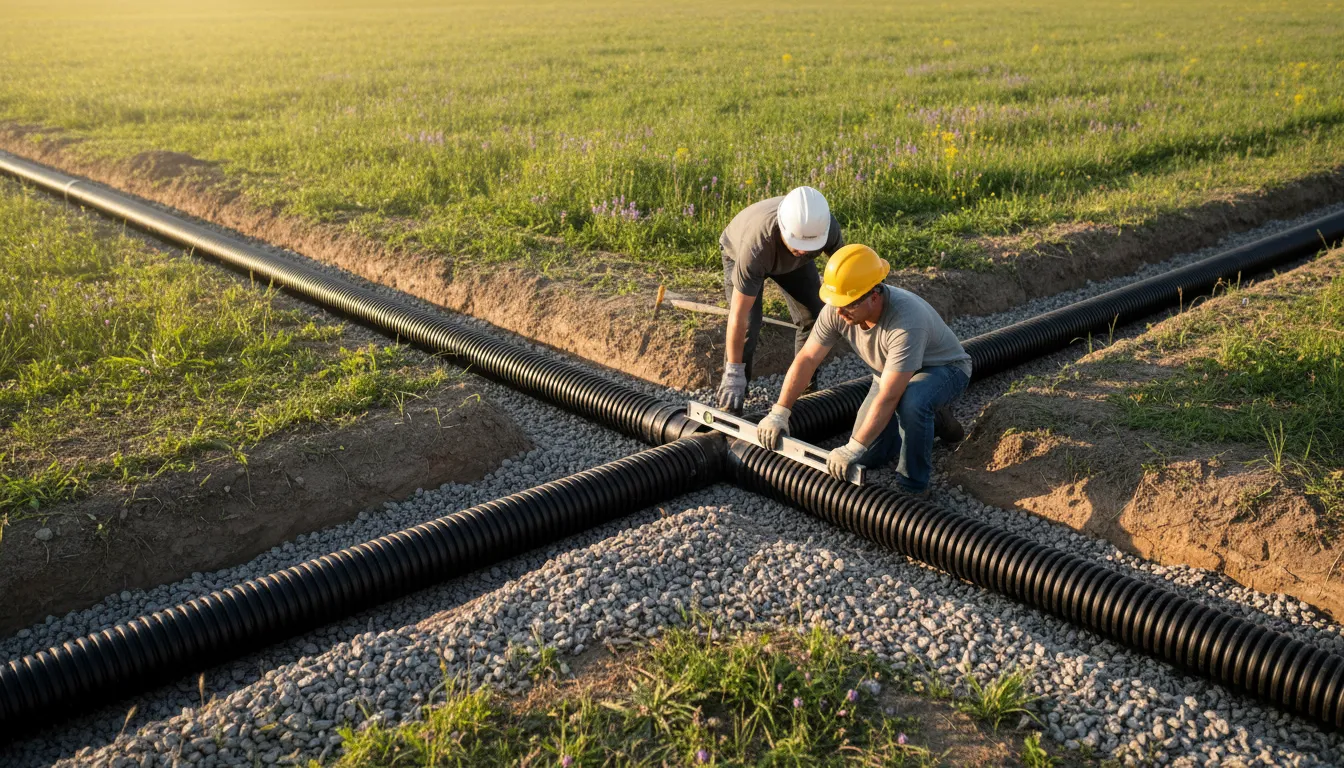
Often called a leach field or absorption field, the drain field is the final and most crucial stage of a septic system. After solids settle in the septic tank, the liquid effluent flows to the drain field, where it percolates through a series of perforated pipes buried in gravel-filled trenches. The soil here acts as a natural filter, removing harmful bacteria, viruses, and nutrients before the water rejoins the groundwater. When this area fails, the entire system's function is compromised.
Signs You Need Drain Field Attention
Recognizing early warning signs can prevent a complete system failure and more costly repairs. Be alert for these indicators in your Keller yard:
- Soggy Ground or Surfacing Effluent: Puddles, spongy grass, or sewage odors in the area above your drain field, especially when it hasn't rained.
- Slow Drains and Backups: Gurgling pipes, slow-flushing toilets, or backups in the lowest drains in your home.
- Unusually Green Grass: Patches of grass over the drain field that are much lusher and greener than the rest of the lawn, indicating a nutrient surge from surfacing wastewater.
- Nitrate Contamination: Test results from a private well showing elevated nitrate levels, which can be a sign of a failing system.
The Keller and Tarrant County Regulatory Landscape
Any significant repair or replacement of a septic system component in Keller requires adherence to Texas Commission on Environmental Quality (TCEQ) rules and local permitting. The City of Keller notes that septic repairs or replacements must be approved by the Tarrant County Health Department, particularly if public sewer is not available 1. While emergency repairs can begin without a permit, they must be reported to the permitting authority within 72 hours 2.
Key regulations that directly impact drain field work include:
- Setback Requirements: Drain fields must be positioned at least 100 feet from water wells and 50 feet from home foundations, property lines, and other structures 3.
- Site Evaluation Mandate: A licensed site evaluator must conduct a thorough assessment, testing soil depth to groundwater or bedrock, and evaluating slopes and drainage before any new design is approved.
- Design Standards: TCEQ regulations require specific designs by a licensed professional. Trenches are typically 18 inches to 3 feet deep, with precise spacing between them.
The Professional Process: From Inspection to Solution
Step 1: Comprehensive Inspection
A professional will start with a full system inspection. This goes beyond just the drain field and includes checking the septic tank, baffles, and distribution box for issues that might mimic or cause drain field problems 4. While not always legally mandated, annual inspections are recommended to catch issues early 5.
Step 2: Diagnosis & Repair Options
Not all drain field problems require a full replacement. Professionals like A & M Septic may recommend targeted repairs such as:
- High-Pressure Jetting: Clears minor clogs in the distribution pipes.
- Aerobic Treatment Unit (ATU) Integration: Adding an ATU can further treat effluent, reducing the load on an aging drain field.
- Fixing Distribution Components: Repairing or leveling a faulty distribution box can restore even effluent flow.
Step 3: Replacement When Necessary
Full drain field replacement becomes necessary when the soil is permanently clogged with a "biomat" (a thick layer of organic matter), the pipes have structurally failed, or the original design is inadequate for the soil conditions 6 7. Replacement involves designing a new field in a suitable area of your property, which requires the full permitting and site evaluation process.
Soil and Site Considerations in Keller
The success of a drain field hinges on the soil. A licensed evaluator's assessment is not just a formality-it determines the system's viability. Keller's soil, which can contain areas of high clay content, may percolate too slowly for a conventional system. In such cases, the design may need to be modified, or an aerobic treatment system may be required to meet TCEQ standards 8 9. The evaluation also ensures the new field is placed on suitable ground with proper separation from the water table.
Understanding the Costs Involved
Investing in your drain field is investing in your property's long-term health and value. Costs can vary based on the extent of the problem, soil conditions, and system type. Based on available data for the region:
- Site and Soil Evaluation: The mandatory professional evaluation typically costs between $350 and $750.
- Drain Field Repair or Replacement: For the drain field component itself, homeowners can expect costs to average between $3,000 and $7,000 10.
- Complete System Replacement: If the entire septic system needs an upgrade, costs are higher. A conventional system replacement can range from $6,000 to $12,000 or more. Aerobic systems, which are often required for challenging soils, can range from $12,000 to $20,000+ 11.
Find the perfect drain field repair companies for your needs
Get personalized recommendations and expert advice
Choosing the Right Professional in Keller
Given the technical and regulatory complexity, selecting the right contractor is paramount. Look for professionals who are:
- Licensed and Insured: They must hold appropriate TCEQ licenses for onsite sewage facility (OSSF) installation and repair.
- Local Experience: Familiarity with Keller and Tarrant County's specific permit process and common soil types is invaluable.
- Transparent with Permits: They should handle the permit application with the Tarrant County Health Department and explain all requirements to you.
- Comprehensive in Evaluation: They should inspect the entire system, not just the drain field, to provide an accurate diagnosis.
Maintenance for Longevity
Once your drain field is repaired or replaced, proper maintenance is key to extending its life. This includes regular septic tank pumping (every 3-5 years, typically), conserving water to avoid overloading the system, and never driving or building over the drain field area. Keeping detailed records of inspections, pumping, and repairs is also wise for both maintenance and future property transactions.
Frequently asked questions
Sources
Footnotes
-
Plan Review | City of Keller, TX - https://www.cityofkeller.com/services/building-services/plan-review ↩
-
Texas Septic Tank Rules - https://dillonseptic.com/texas-septic-tank-rules/ ↩
-
SEPTIC SYSTEM LAWS IN TEXAS - https://www.terseptic.com/posts/septic-systems-its-the-law ↩
-
Texas OSSF Inspection Requirements: Complete Guide for 2025 - https://www.fieldbaseos.com/blog/texas-ossf-inspection-requirements.html ↩
-
Septic System - Texas Water Resources Institute - https://twri.tamu.edu/wp-content/uploads/2024/04/em-126-septic-system-maintenance-inspection-pocket-guide.pdf ↩
-
Drain Field Repair - https://www.amseptic.com/drain-field-repair ↩
-
Septic Field Lines: Homeowner's Guide & Maintenance Tips - https://www.vdwws.com/blog/septic-system-field-lines ↩
-
Are There Regulations or Guidelines for Septic Tank Drain ... - https://weebeewasteservices.com/are-there-regulations-or-guidelines-for-septic-tank-drain-field-maintenance-in-texas/ ↩
-
Septic Tank Laws in Texas - https://dillonseptic.com/septic-tank-laws-in-texas/ ↩
-
How Much Does a Septic System Cost? - https://septic-service-texas.com/how-much-does-a-septic-system-cost/ ↩
-
Texas Septic Systems & OSSF Requirements | 2026 Guide - https://texaslandbrokerage.com/resources/texas-septic-systems-ossf-requirements-guide/ ↩