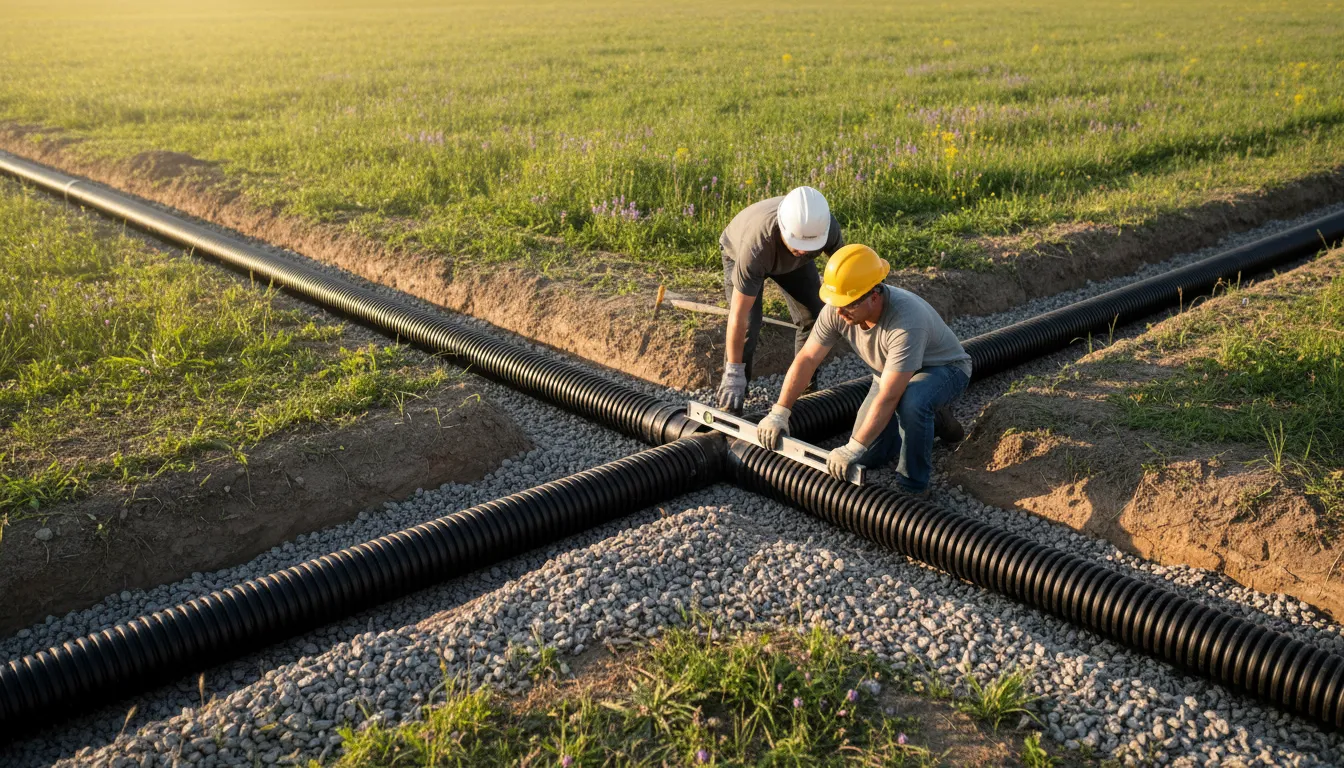
Find the Best Drain Field Repair Companies for Your Business
No obligation • Fast responses • Nationwide coverage

Why you can trust Septic Spot
Septic Spot is a leading United States resource for understanding and comparing septic services. Our editors review providers using consistent criteria and verify key business details. Listings and scores are independent, and companies cannot pay to influence our content.
Search providers near you
Top Drain Field Repair Companies in Kyle, Texas Ranked
A failing drain field is a serious issue for any home with a septic system, leading to soggy yards, foul odors, and potential health hazards. Drain field repair and replacement involves diagnosing and fixing the underground network of pipes and soil that treats and disperses wastewater from your septic tank. In Kyle, this work is strictly regulated to protect public health and the local environment. This guide helps you understand the process, local rules, and what to look for when you need to address problems with your leach field, absorption field, or soil treatment area.

Hines Septic Of San Marcos
Austin, TX
Hines Septic Of San Marcos is a family-owned septic service provider operating in Austin, TX, as well as San Marcos and San Antonio. They offer septic tank pumping, inspection, installation, repair, and drain field repair or replacement. The company is fully licensed and insured, ensuring all work meets code requirements. They provide a one-year labor warranty on new septic tank and drain field installations. Hines Septic also offers 24/7 emergency septic services to support urgent needs in the area.
Godinez Septics Inc
5407 Phillips Cir, Austin, TX 78734
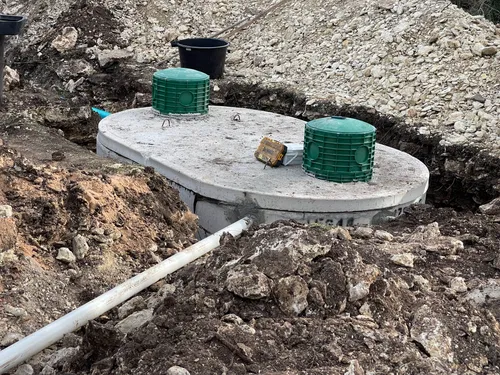
Godinez Septics Inc is a family-owned septic system company serving Austin, TX, and the surrounding Lake Travis area. They provide a range of services including septic tank pumping, inspection, repair, installation, and drain field replacement. The company is licensed by TCEQ for septic system maintenance and installation, offering specialized services such as aerobic system maintenance contracts and hydro-jetting to clear sewer lines. With over 40 years of experience in the septic and excavation business, Godinez Septics is led by Orlando Godinez, a longtime local resident and licensed installer.
Hines Septic Of Austin Tx
Austin, TX
Hines Septic Of Austin Tx is a family-owned septic service provider based in Austin, TX. They offer septic tank pumping, installation, inspection, and repair services, including drain field repair and replacement. The company is fully licensed and insured, ensuring all work is performed to code. They provide 24/7 emergency septic services and back their installations with a one-year labor warranty.
David Winters Septics
Cranes Mill Rd, Canyon Lake, TX 78133
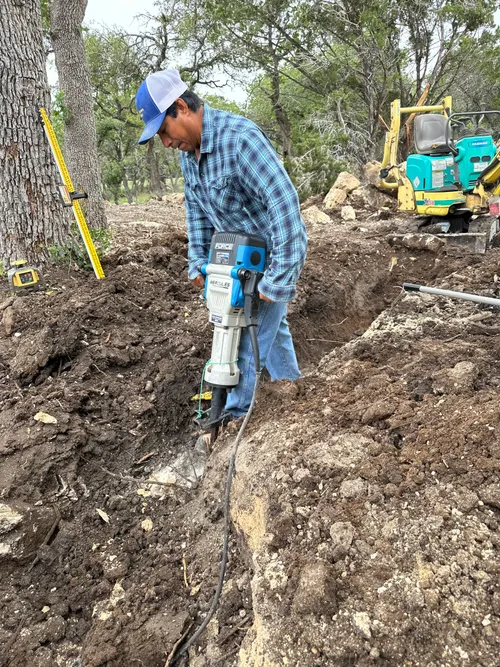
David Winters Septics is a family-owned company providing septic system installation and repair services in San Antonio, TX. They serve both residential and commercial properties, offering services such as septic tank installation, septic repairs, field replacements, and septic design and permitting. The company emphasizes its experience and customer satisfaction in the septic industry.
Sunset Construction & Excavation
Austin, TX
Sunset Construction & Excavation is a septic system service provider based in Austin, TX. They offer septic system installations, repairs, and design services for both residential and commercial clients. Their work includes excavation and landscaping related to septic systems, serving Austin and surrounding areas such as Travis County, Leander, and Bee Cave. The company has over a decade of experience and is licensed by the Texas Commission on Environmental Quality. They also provide hydro-mulching to restore properties after septic work is completed.
Understanding Your Drain Field's Role
The drain field, also known as a leach field or soil absorption field, is the final and most critical stage of your On-Site Sewage Facility (OSSF). After solids settle in the septic tank, the liquid effluent flows into a network of perforated pipes buried in trenches. This effluent slowly percolates through the soil, where natural processes remove harmful bacteria, viruses, and nutrients. When this area fails, untreated wastewater can surface, creating a significant nuisance and environmental concern.
Common signs of drain field failure in Kyle include:
- Sewage odors in the yard or home.
- Spongy, soggy, or standing water over the drain field area, especially when it hasn't rained.
- Slow-draining toilets and fixtures throughout the house.
- Unusually lush, green grass growing over the drain field.
Why Drain Fields Fail in Central Texas
The soil and climate in the Kyle area present unique challenges for conventional septic systems. Understanding these can help prevent problems and guide repair decisions.
- Clay-Heavy Soils: Much of Central Texas, including parts of Hays County, has dense, clay-heavy soils (often Class IV). These soils have very slow permeability, meaning they don't absorb water quickly. This can lead to premature saturation and failure of a standard trench system.
- Root Intrusion: Trees and large shrubs planted too close to the drain field can send roots into the pipes seeking moisture, causing clogs and structural damage 1.
- Hydraulic Overloading: Consistently exceeding the system's design capacity by using too much water (e.g., long showers, frequent laundry loads, leaking fixtures) floods the drain field, not allowing the soil time to absorb and treat the effluent 2.
- Physical Damage: Driving or parking vehicles, building structures, or storing heavy materials over the drain field compacts the soil and can crush the underground pipes.
- Lack of Maintenance: Failing to pump the septic tank every 3-5 years allows solids to wash out into the drain field, clogging the soil and pipes irreversibly 3.
The Regulatory Landscape in Hays County
All drain field repair or replacement work in Kyle must comply with Texas Commission on Environmental Quality (TCEQ) regulations (30 TAC 285) and is permitted through Hays County Development Services. You cannot legally begin any significant work without an Authorization to Construct (ATC) permit.
Key regulations include:
- Licensed Professionals: All construction, repair, and alteration of an OSSF must be performed by a TCEQ-licensed installer or, for a single-family residence, by the homeowner if they comply with all rules and obtain the proper permits 4.
- System Upgrades: If a drain field is being replaced, the entire system must be brought up to current TCEQ standards5. You often cannot simply replace the old field with an identical one if newer, more effective technologies are now required for your soil type.
- Critical Setbacks: New or replacement drain fields must meet minimum distance requirements:
- 100 feet from a water well.
- 50 feet from a building foundation.
- 5-10 feet from property lines 6.
- Aerobic System Contracts: If your home has an aerobic treatment unit (common in areas with poor soil), Texas law requires a maintenance contract with a registered provider, who must inspect the system every four months 7 8.
The Repair and Replacement Process
Addressing a drain field issue follows a structured path from diagnosis to final approval.
1. Professional Site Evaluation and Diagnosis
Before any plans are drawn, a licensed site evaluator or professional engineer must assess the property. This evaluation determines the cause of failure, tests soil absorption rates, checks groundwater levels, and identifies any restrictive layers in the soil 9 10. This step is crucial for designing an effective solution.
2. System Design and Planning
A licensed designer (Professional Engineer or Registered Sanitarian) uses the site evaluation data to create a new system design. For the challenging soils around Kyle, this often means moving away from a conventional system to an aerobic treatment system or an engineered mound system that provides additional treatment and controlled drainage 11 12. The design plans are submitted as part of the permit application.
3. Permitting with Hays County
The designer or installer submits the OSSF application, design plans, and fee to Hays County Development Services, typically through the MyGovernmentOnline portal 13. The county reviews the application for compliance with all setbacks and regulations before issuing the ATC permit. Permit fees vary but often range from $250 to $450 based on project scope 14.
4. Installation, Inspection, and Final Approval
Once permitted, the licensed installer executes the work. County inspectors must be called to verify critical stages, such as the excavation depth, pipe placement, and materials, before the trenches are backfilled 15 16. After passing the final inspection, the county issues a "License to Operate," which is the official approval for the system to be used.
Find the perfect drain field repair companies for your needs
Get personalized recommendations and expert advice
Cost Considerations for Kyle Homeowners
The cost for drain field work varies widely based on the extent of the problem, soil conditions, and the type of system required.
- Minor Drain Field Repair: Addressing issues like a clogged distribution box or a small section of pipe may cost between $300 and $900.
- Partial Drain Field Replacement: If only a portion of the field has failed, replacement costs can range from $3,000 to $7,000.
- Full Drain Field Replacement: A complete replacement is a major excavation project. In Kyle, with the potential need for an aerobic or mound system, homeowners can expect costs between $7,000 and $20,000 or more17 18. The final price depends heavily on the system type, soil remediation needed, and site accessibility.
- Emergency Repairs: In some cases, a repair that doesn't involve removing the tank (like a baffle repair) may be considered an emergency. Work can proceed, but the county must be notified within 72 hours.
Maintaining a Healthy Drain Field
Prevention is always more affordable than replacement. Protect your investment with these practices:
- Pump Regularly: Have your septic tank pumped by a licensed professional every 3-5 years.
- Conserve Water: Spread out laundry loads, fix leaks promptly, and install water-efficient fixtures.
- Protect the Area: Never drive, park, or build on your drain field. Keep trees and deep-rooted plants far away.
- Mind What You Flush: Only human waste and toilet paper should go down the drain. Avoid chemicals, grease, and non-biodegradable items.
Frequently asked questions
Sources
Footnotes
-
Basics for Septic Systems - https://www.tceq.texas.gov/assistance/water/fyiossfs.html ↩
-
Advice for an Owner of an On-Site Sewage Facility (Septic System) - https://www.tceq.texas.gov/permitting/ossf/ossfadvice.html ↩
-
Services - AAMS Wastewater - https://aamswastewater.com/services-2/ ↩
-
Basics for Septic Systems - https://www.tceq.texas.gov/assistance/water/fyiossfs.html ↩
-
Advice for an Owner of an On-Site Sewage Facility (Septic ... - https://www.tceq.texas.gov/permitting/ossf/ossfadvice.html ↩
-
Septic Tank Laws in Texas - https://dillonseptic.com/septic-tank-laws-in-texas/ ↩
-
Septic Maintenance Contract Central Texas | JMA Wastewater - https://jmaseptic.com/septic-maintenance-contract/ ↩
-
SEPTIC SYSTEM LAWS IN TEXAS - https://www.terseptic.com/posts/septic-systems-its-the-law ↩
-
Septic Tank Laws in Texas - https://dillonseptic.com/septic-tank-laws-in-texas/ ↩
-
Septic Drainfield Design 101: A Complete Guide - https://landperc.com/septic-drainfield-design-guide/ ↩
-
Are There Regulations or Guidelines for Septic Tank Drain ... - https://weebeewasteservices.com/are-there-regulations-or-guidelines-for-septic-tank-drain-field-maintenance-in-texas/ ↩
-
Choosing a Septic System (On-Site Sewage Facility System) - https://www.tceq.texas.gov/permitting/ossf/ossfsystems.html ↩
-
Septic Permits - Hays County - https://www.hayscountytx.gov/septic-permits ↩
-
Septic System FAQs - https://newtools.cira.state.tx.us/upload/page/7913/docs/Health/Water%20Quality/Water%20Quality%20FAQs%20%282%29.pdf ↩
-
30 Tex. Admin. Code § 285.32 - Criteria for Sewage Treatment ... - https://www.law.cornell.edu/regulations/texas/30-Tex-Admin-Code-SS-285-32 ↩
-
Texas Septic System Regulations - https://dillonseptic.com/texas-septic-system-regulations/ ↩
-
Septic Drain Field Replacement Cost - https://dillonseptic.com/septic-drain-field-replacement-cost/ ↩
-
Cost to Replace Septic Tank and Drain Field [2026 Data] | Angi - https://www.angi.com/articles/how-much-new-drain-fields-foot.htm ↩