Find the Best Drain Field Repair Companies for Your Business
No obligation • Fast responses • Nationwide coverage

Why you can trust Septic Spot
Septic Spot is a leading United States resource for understanding and comparing septic services. Our editors review providers using consistent criteria and verify key business details. Listings and scores are independent, and companies cannot pay to influence our content.
Search providers near you
Top Drain Field Repair Companies in Mansfield, Texas Ranked
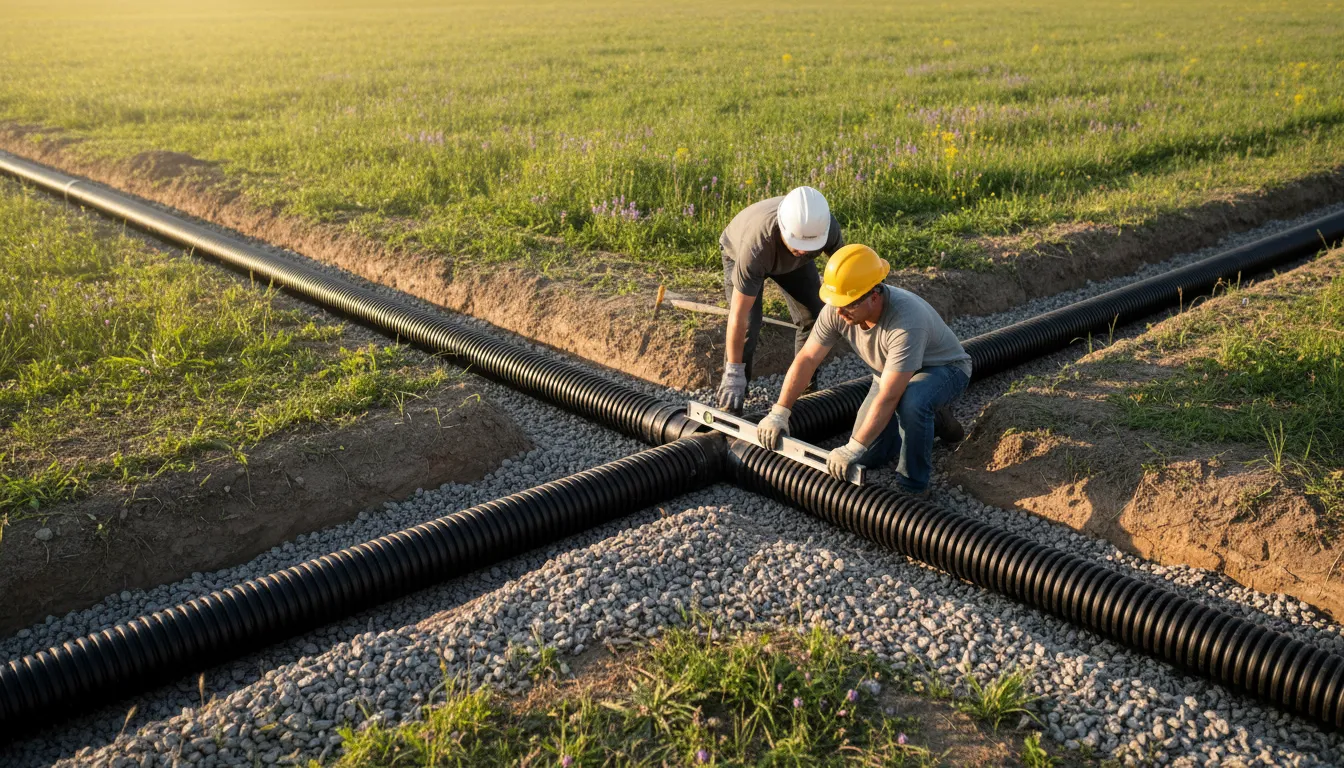
A failing drain field is a serious issue for any home with a septic system, leading to soggy yards, foul odors, and potential health hazards. Drain field repair and replacement involves addressing the underground network of perforated pipes and soil that treats and disperses wastewater from your septic tank. In Mansfield, this work is strictly regulated to protect public health and local groundwater. This guide explains the local process, costs, and key considerations to help you understand your options and connect with qualified local professionals for your septic leach field or absorption field project.
Understanding Drain Field Failure
The drain field, also known as a leach field or soil absorption field, is the final and most critical stage of your onsite sewage facility (OSSF). When it fails, untreated wastewater can surface, creating unsanitary conditions. Common signs include:
- Sewage odors in the yard, especially after rain.
- Spongy, soggy, or standing water over the drain field area.
- Unusually green, lush grass over the field.
- Slow drains or sewage backups in the house.
In Mansfield's clay-heavy North Texas soils, which drain poorly, failure can occur due to soil compaction, hydraulic overloading from excess water use, root intrusion, or simply age. Once a conventional drain field fails, it often cannot be "repaired" in a traditional sense and usually requires a full replacement designed to current standards.
Mansfield and Tarrant County Regulations
Any major repair or component replacement of a septic system in Mansfield, including installing a new drain field, requires a permit from the city, which enforces Texas Commission on Environmental Quality (TCEQ) regulations under 30 TAC Chapter 285. This is not a simple DIY project. The regulatory framework ensures systems are designed to protect water quality.
Key Permit Rules:
- Permit Required: A city permit is mandatory if you are replacing a septic tank or repairing/replacing a drain field.
- Emergency Repairs: If a repair does not involve replacing the tank and is deemed emergency maintenance, work may proceed, but the city must be notified within 72 hours 1.
- Final Inspection: A city inspection of the new system is required after installation and before it is covered with soil 2.
- System Upgrades: When replacing a component, the entire system often must be upgraded to meet current TCEQ design standards, which may differ significantly from older installations.
The Site Evaluation and Design Process
Because every property is unique, a systematic evaluation is the first professional step.
- Site Evaluation: A licensed site evaluator conducts a thorough assessment. This includes a soil test (or percolation test) to determine the soil's absorption rate, depth to groundwater, and overall slope 3. Mansfield's prevalent clay soils often result in poor percolation rates, directly influencing the system type required.
- System Design: A licensed installer or professional engineer uses the site evaluation data to design a system that complies with all TCEQ and local regulations. The design must account for setbacks from property lines, wells, water bodies, and structures.
- Permitting: The design plans and permit application are submitted to the City of Mansfield for review and approval before any construction begins 4.
System Types and Site Constraints
The type of drain field system you need is dictated largely by your property's characteristics.
- Conventional System: The most basic type, involving trenches or beds. It may not be viable on many Mansfield lots due to poor soil conditions or space limitations.
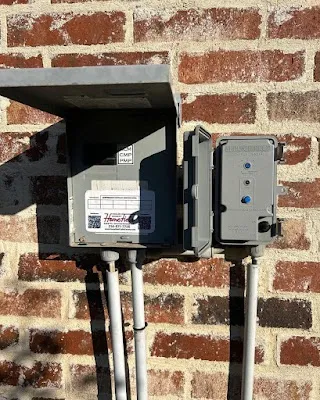
- Aerobic Treatment Unit (ATU) System: Often required in areas with poor soil. These systems treat wastewater to a higher standard using oxygen, allowing for a smaller, shallower spray or drip irrigation dispersal field. They are more complex and costly but are common solutions locally.
- Mound System: An engineered system where a sand mound is constructed above ground to provide suitable drainage. Used when soil is too shallow or groundwater is too high.
Critical site constraints that affect cost and feasibility include:
- Soil Type: Clay soil requires more sophisticated (and expensive) engineering.
- Lot Size: Limited space may restrict drain field size or layout.
- Slope: Steep slopes require specialized designs to prevent runoff.
- High Water Table: Proximity to groundwater mandates specific systems to prevent contamination 5 6.
Find the perfect drain field repair companies for your needs
Get personalized recommendations and expert advice
Cost Breakdown for Drain Field Projects
Costs in Mansfield can vary widely based on system type and site challenges. Always get multiple detailed quotes from licensed professionals.
- Permit & Engineering Fees: $500 - $3,000+
- Soil Test / Site Evaluation: $350 - $750
- Drain Field Repair/Replacement: A typical drain field replacement starts around $7,000 but can exceed this significantly for complex or engineered systems 7 8.
- Full Conventional System Replacement: $6,000 - $12,000
- Full Aerobic System Replacement: $12,000 - $20,000+ 9
These figures are estimates; your specific project cost will depend on the design, materials, labor, and any unforeseen site complications discovered during excavation.
Maintaining Your New Drain Field
Protecting your investment is crucial. Proper maintenance can extend the life of your new leach field for decades.
- Regular Pumping: Have your septic tank pumped every 3-5 years by a licensed pumper to prevent solids from clogging the drain field.
- Water Conservation: Spread out laundry loads and fix leaks to avoid hydraulically overloading the system.
- Protect the Area: Never drive, park, or build structures (like sheds) on the drain field. Do not plant trees or deep-rooted shrubs nearby 10.
- Divert Water: Ensure roof gutters, sump pumps, and surface drainage are directed away from the drain field area to keep it from becoming saturated 11.
Choosing a Professional in Mansfield
Given the regulatory and technical complexity, selecting the right contractor is paramount. Look for a licensed OSSF installer with strong local experience in Mansfield and Tarrant County. They should be familiar with city permit officials and TCEQ regulations. Verify their license status and ask for references from recent, similar projects. A reputable professional will always start with a site evaluation and handle the permitting process for you.
Frequently asked questions
Sources
Footnotes
-
Are There Regulations or Guidelines for Septic Tank Drain ... - https://weebeewasteservices.com/are-there-regulations-or-guidelines-for-septic-tank-drain-field-maintenance-in-texas/ ↩
-
Advice for an Owner of an On-Site Sewage Facility (Septic ... - https://www.tceq.texas.gov/permitting/ossf/ossfadvice.html ↩
-
Septic Tank Laws in Texas - https://dillonseptic.com/septic-tank-laws-in-texas/ ↩
-
Texas Septic Tank Rules - https://dillonseptic.com/texas-septic-tank-rules/ ↩
-
SEPTIC SYSTEM LAWS IN TEXAS - https://www.terseptic.com/posts/septic-systems-its-the-law ↩
-
Septic Systems Reports, Regulations, Guidance, and Manuals - https://www.epa.gov/septic/septic-systems-reports-regulations-guidance-and-manuals ↩
-
Septic Drain Field Replacement Cost - https://dillonseptic.com/septic-drain-field-replacement-cost/ ↩
-
Cost to Replace Septic Tank and Drain Field [2026 Data] | Angi - https://www.angi.com/articles/how-much-new-drain-fields-foot.htm ↩
-
Texas Septic Systems & OSSF Requirements | 2026 Guide - https://texaslandbrokerage.com/resources/texas-septic-systems-ossf-requirements-guide/ ↩
-
Septic Systems | Mansfield, TX - https://www.mansfieldtexas.gov/2166/Septic-Systems ↩
-
Basics for Septic Systems - https://www.tceq.texas.gov/assistance/water/fyiossfs.html ↩