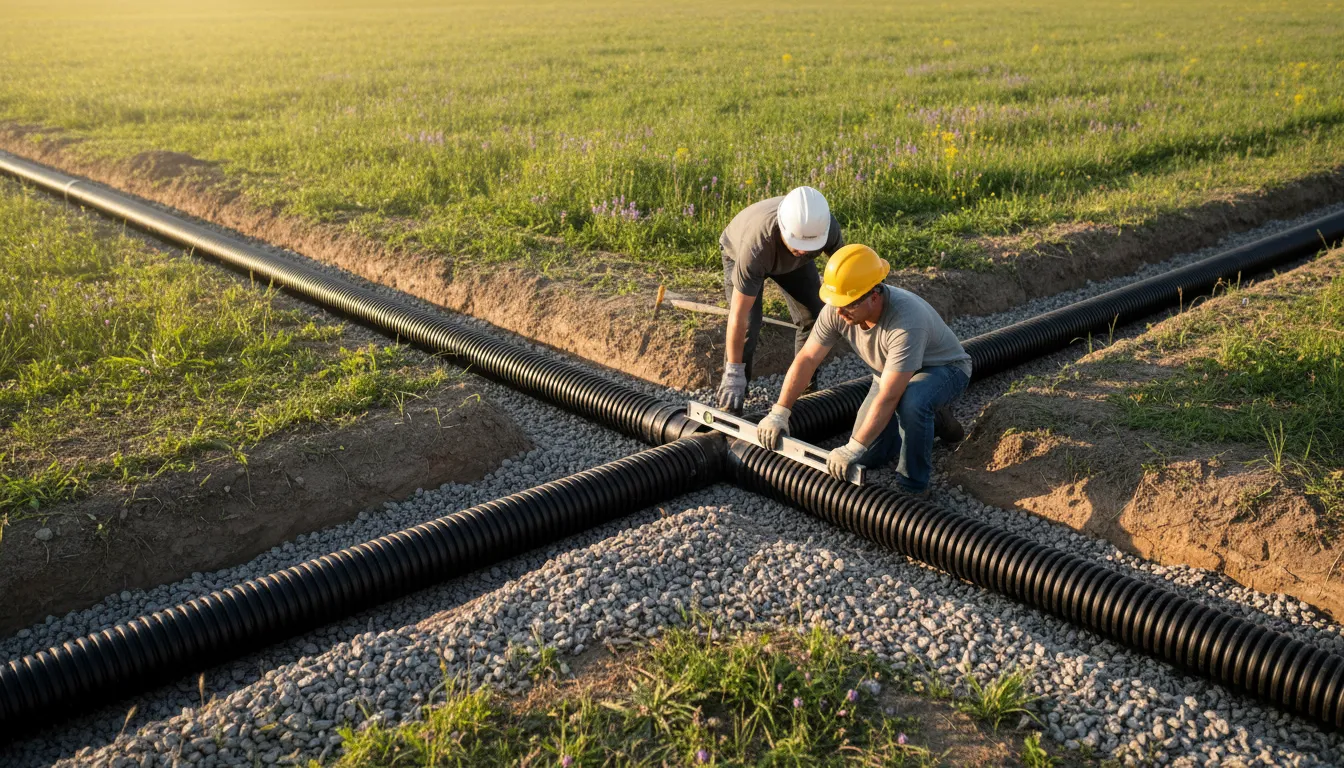
Find the Best Drain Field Repair Companies for Your Business
No obligation • Fast responses • Nationwide coverage

Why you can trust Septic Spot
Septic Spot is a leading United States resource for understanding and comparing septic services. Our editors review providers using consistent criteria and verify key business details. Listings and scores are independent, and companies cannot pay to influence our content.
Search providers near you
Top Drain Field Repair Companies in New Braunfels, Texas Ranked
A failing drain field is a serious issue that can lead to sewage backups, soggy lawns, and environmental contamination. In New Braunfels, where sensitive groundwater and challenging soil conditions are the norm, proper repair or replacement of your leach field is not just a home improvement project-it's a regulated necessity for protecting public health and the local aquifer. This guide explains the local process, costs, and regulations to help you understand your options and connect with qualified professionals who can assess and address your system's needs.

Hines Septic Of San Marcos
Austin, TX
Hines Septic Of San Marcos is a family-owned septic service provider operating in Austin, TX, as well as San Marcos and San Antonio. They offer septic tank pumping, inspection, installation, repair, and drain field repair or replacement. The company is fully licensed and insured, ensuring all work meets code requirements. They provide a one-year labor warranty on new septic tank and drain field installations. Hines Septic also offers 24/7 emergency septic services to support urgent needs in the area.
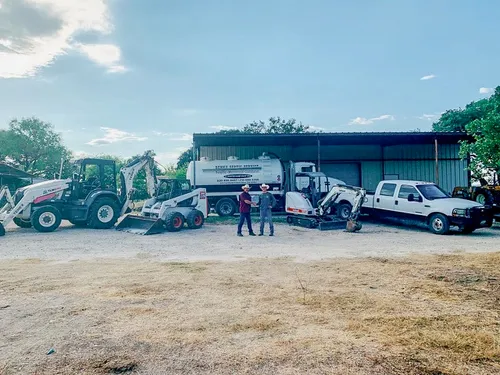
Benke Septic Systems, Inc
San Antonio, TX
Benke Septic Systems, Inc is a family-owned septic service provider based in San Antonio, TX, with over 75 years of experience. They offer a full range of septic system services including installation, inspection, pumping, maintenance, and repair. Their expertise covers various septic system types and components such as tanks, drain fields, pumps, and filters, ensuring comprehensive wastewater management solutions for residential properties. The company emphasizes honesty and integrity in its work and backs installations with manufacturer warranties.
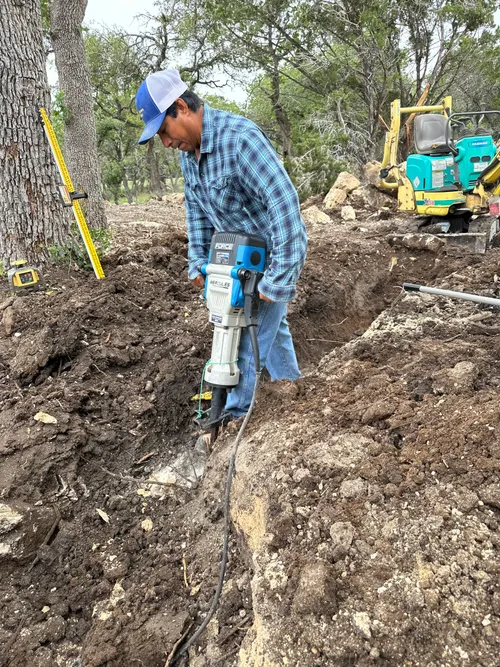
David Winters Septics
Cranes Mill Rd, Canyon Lake, TX 78133
David Winters Septics is a family-owned company providing septic system installation and repair services in San Antonio, TX. They serve both residential and commercial properties, offering services such as septic tank installation, septic repairs, field replacements, and septic design and permitting. The company emphasizes its experience and customer satisfaction in the septic industry.

Eco Septic Tank Pumping San Antonio
San Antonio, TX
Eco Septic Tank Pumping San Antonio provides septic tank pumping, inspection, repair, and installation services in San Antonio, TX. They offer routine septic system cleaning, emergency septic sewer cleaning, biological treatments, and comprehensive maintenance including drain field repair and pump replacement. Their technicians follow a detailed process to ensure safe and thorough septic tank pumping, with proper waste disposal in compliance with environmental regulations. The company serves San Antonio and nearby areas including Leon Valley, Alamo Heights, Windcrest, Losoya, and Hollywood Park.
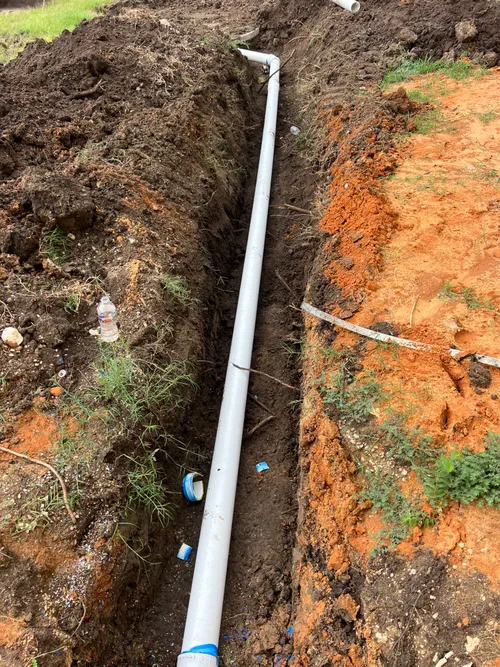
7H Septic Services, LLC
Austin, TX
7H Septic Services, LLC is a family-owned septic service company based in Austin, TX, serving Hays, Caldwell, Comal, and Guadalupe Counties. They provide septic tank inspections, installations, repairs, and maintenance for both conventional and aerobic systems. Their services include pump and float replacement, control panel repairs, alarm troubleshooting, and drain field repairs. The company uses advanced mobile technology to offer real-time updates and detailed inspection reports. They also provide 24/7 emergency service to their customers.
Understanding Drain Fields in the Texas Hill Country
A drain field, also known as a leach field or soil absorption field, is the final and most critical stage of a septic system. After solids settle in the tank, liquid effluent flows into a network of perforated pipes buried in trenches filled with gravel. This effluent slowly percolates through the soil, where natural processes filter out harmful bacteria and nutrients before the water rejoins the groundwater.
In New Braunfels, this process is complicated by the region's unique geology. The area is characterized by shallow soils over limestone bedrock, which is part of the sensitive Edwards Aquifer recharge zone. This means water-and anything in it-can move quickly through cracks and crevices in the rock, posing a direct risk to the community's drinking water supply if a system fails. Consequently, local and state regulations are stringent, often requiring advanced treatment systems over conventional ones.
Why Drain Fields Fail in New Braunfels
Drain field failure is rarely sudden. It's usually the result of long-term issues that compromise the soil's ability to absorb and treat effluent. Common causes include:
- Soil Compaction: Driving or parking vehicles, heavy equipment, or even building structures over the drain field compacts the soil, crushing pipes and destroying the porous structure needed for absorption.
- Root Intrusion: Planting trees or large shrubs too close to the drain field is a major risk. Roots seek out the nutrient-rich moisture and can infiltrate and clog perforated pipes 1.
- Hydraulic Overload: Consistently exceeding the system's design capacity with excessive water use-from long showers, frequent laundry loads, or leaky fixtures-floods the field, preventing proper treatment.
- Lack of Maintenance: Failing to pump the septic tank every 3-5 years allows solids (sludge and scum) to flow out into the drain field, clogging the soil pores irreversibly 2.
- Natural Aging: Even a well-maintained system has a finite lifespan, typically 20 to 30 years for the drain field, after which the soil simply becomes clogged and can no longer absorb effluent.
The Regulatory Landscape: Comal County and TCEQ
Any significant work on a septic system in New Braunfels is governed by Comal County and the Texas Commission on Environmental Quality (TCEQ). The rules are particularly strict due to the Edwards Aquifer recharge zone.
Key Regulations:
- Permitting is Mandatory: Any repair or replacement of a disposal area (drain field) requires a new On-Site Sewage Facility (OSSF) permit from the Comal County Engineer's Office. You cannot simply dig up and replace old lines.
- Current Standards Apply: Any new or replacement system must be designed to meet today's stricter environmental and public health standards, not the codes that were in place when your original system was installed.
- Advanced Treatment Often Required: In environmentally sensitive areas and where soil conditions are poor (shallow, rocky), a conventional septic system may not be permitted. Instead, an engineered aerobic treatment system (ATS) is typically required. These systems use oxygen to break down waste more thoroughly before it reaches the drain field 3.
- Maintenance Contracts: If you have or install an aerobic system, Texas law requires you to have a maintenance contract with a licensed provider to ensure it operates correctly 4 5.
Find the perfect drain field repair companies for your needs
Get personalized recommendations and expert advice
The Step-by-Step Process for Repair or Replacement
Navigating a drain field project involves a series of official steps. Skipping any can result in fines and an unpermitted, illegal system.
- Site Evaluation and Soil Analysis: The first step is hiring a licensed site evaluator to conduct a thorough soil analysis. They will dig test pits to determine soil depth, texture, structure, and percolation rate. This evaluation dictates the type and size of system the property can support.
- System Design: A professional septic designer uses the site evaluator's report to create a detailed system layout. This design accounts for soil conditions, slope, home size (bedroom count), projected water usage, and all required setbacks from wells, property lines, and waterways 6.
- Permitting: The completed design is submitted to the Comal County Engineer's Office for review and approval. The county ensures the plan complies with all local and TCEQ regulations before issuing an OSSF permit.
- Installation or Repair Work: Only a licensed septic system installer can perform the excavation and construction work. They will follow the approved design precisely, installing new tanks, piping, and the drain field or replacement absorption area.
- Final Inspection: Once installation is complete but before the trenches are backfilled, the county must conduct a final inspection to verify the work matches the permitted design. The system cannot be covered and put into use until it passes this inspection.
Understanding Costs for Drain Field Projects
Costs in New Braunfels are influenced by the need for engineered systems, rocky excavation, and stringent permitting. Here's a general breakdown of what you might expect:
- Soil Evaluation/Test: $350-$750.
- Conventional System Repair/Replacement: $6,000-$12,000+. Note that a new conventional system is rarely permitted in the city and surrounding sensitive areas.
- Aerobic System Installation/Replacement: $12,000-$25,000+. This is the most common cost range for a full system replacement in New Braunfels due to regulatory requirements 7 8.
- Drain Field Only Replacement: If the tank is functional, replacing just the leach field can cost around $7,000 or more, but it still requires a full permit and design process 9.
- Annual Aerobic Maintenance: $200-$800 per year for the legally required maintenance contract on an aerobic treatment system 10.
Emergency Note: Comal County does allow for emergency repairs to prevent a public health hazard. If a tank is damaged but can be repaired in place without removal, it may qualify. However, you must report the repair to the county within 72 hours 11.
Maintaining Your New or Repaired System
Protecting your investment starts the day your new drain field is activated.
- Pump Regularly: Have your septic tank pumped by a licensed professional every 3-5 years.
- Conserve Water: Spread out laundry loads, fix leaks promptly, and consider installing water-efficient fixtures.
- Mind What You Flush: Only human waste and toilet paper should go down the drain. Avoid chemicals, grease, wipes, and feminine hygiene products.
- Protect the Area: Never drive, park, or build on your drain field. Keep it landscaped with only grass, and plant trees a safe distance away.
- Keep Records: Maintain all permits, design plans, and maintenance records for future reference and when you sell your home.
Frequently asked questions
Sources
Footnotes
-
Are There Regulations or Guidelines for Septic Tank Drain ... - https://weebeewasteservices.com/are-there-regulations-or-guidelines-for-septic-tank-drain-field-maintenance-in-texas/ ↩
-
Basics for Septic Systems - https://www.tceq.texas.gov/assistance/water/fyiossfs.html ↩
-
Advice for an Owner of an On-Site Sewage Facility (Septic System) - https://www.tceq.texas.gov/permitting/ossf/ossfadvice.html ↩
-
Maintenance of On-Site Sewage Facilities (Septic Systems) - https://www.tceq.texas.gov/permitting/ossf/ossfmaintenance.html ↩
-
Septic systems explained - Texas Water Resources Institute - https://twri.tamu.edu/blog/septic-systems-explained/ ↩
-
New Braunfels, TX Septic System Maintenance - https://www.aerobicservices.com/about-us/where-we-service/new-braunfels-tx-septic-system-maintenance/ ↩
-
Texas Septic System Regulations - https://dillonseptic.com/texas-septic-system-regulations/ ↩
-
What You Should Know About Septic Systems When Building ... - https://riverhillsbuilder.com/septic-systems-hill-country/ ↩
-
Cost to Replace Septic Tank and Drain Field [2026 Data] | Angi - https://www.angi.com/articles/how-much-new-drain-fields-foot.htm ↩
-
Texas Septic Systems & OSSF Requirements | 2026 Guide - https://texaslandbrokerage.com/resources/texas-septic-systems-ossf-requirements-guide/ ↩
-
Steps to Obtain an OSSF Permit | Comal County, TX - https://www.comalcounty.gov/793/Steps-to-Obtain-an-OSSF-Permit ↩